All topics / panspermia
Topic
You are reading the free Skim layer. Read unlocks the synthesis and sources.
Panspermia
The hypothesis that life's building blocks are distributed throughout the universe by comets and asteroids.
4
episodes
4
thinkers
13h
of conversation
10
books & papers
9
terms defined
The neighbourhood: panspermia and the ideas it travels with. Drag to roam, click a star for the episode, click a neighbour to travel.
Drag to roam · scroll to zoom · click a neighbour to travel · click a star for the episode
From foundational to frontier
Climb the spectrum. The most accessible conversations come first.
Start here
ACCESSIBLECOREFRONTIER
The lexicon
Every term the guests lean on, in plain language. Read one in full, or filter to find it.
What the corpus says
The throughline across every conversation that touches this idea.
The phylogenetic tree of life, starting from a common ancestor, helps reconstruct ancestral species and biological innovations.
Bacteria, particularly cyanobacteria, play a crucial role in nitrogen fixation and the resilience of life systems.
The genetic code's redundancy allows for errors, providing robustness to biological systems.
Hybrid organisms created with ancient proteins reveal evolutionary responses and resilience in bacteria.
The concept of 'protospermia' suggests spreading chemical ingredients for life rather than life itself across planets.
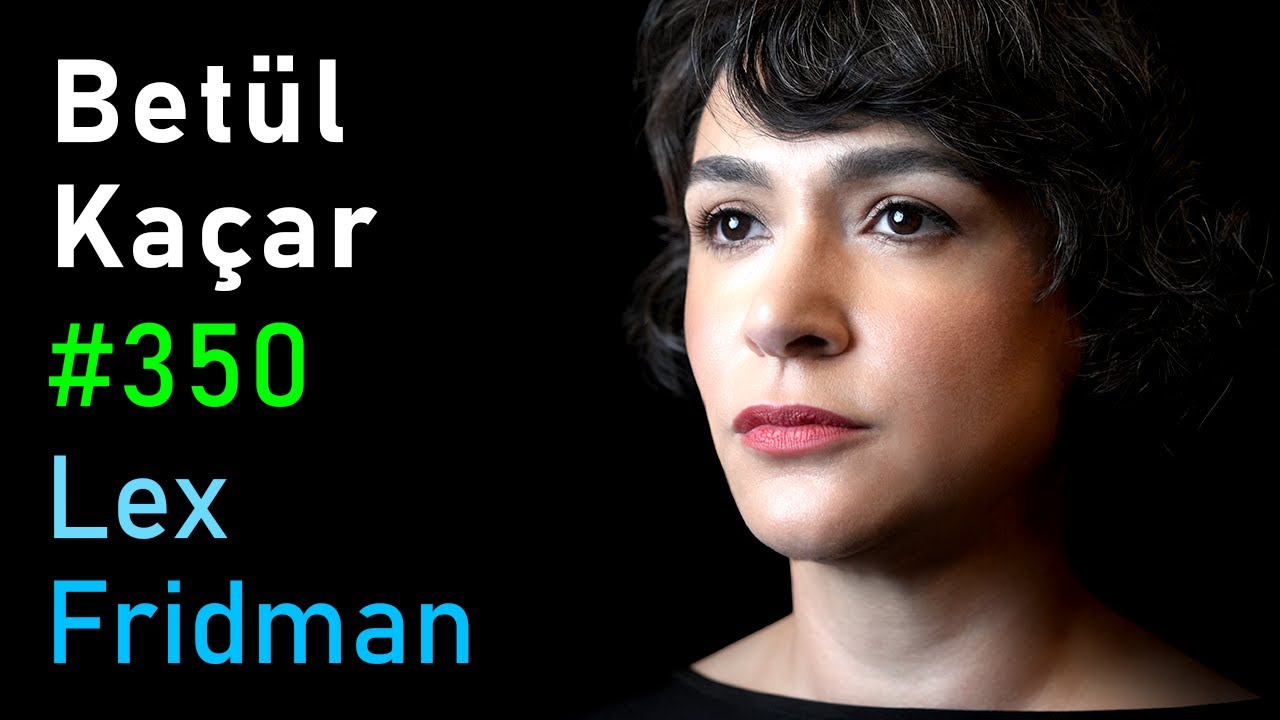
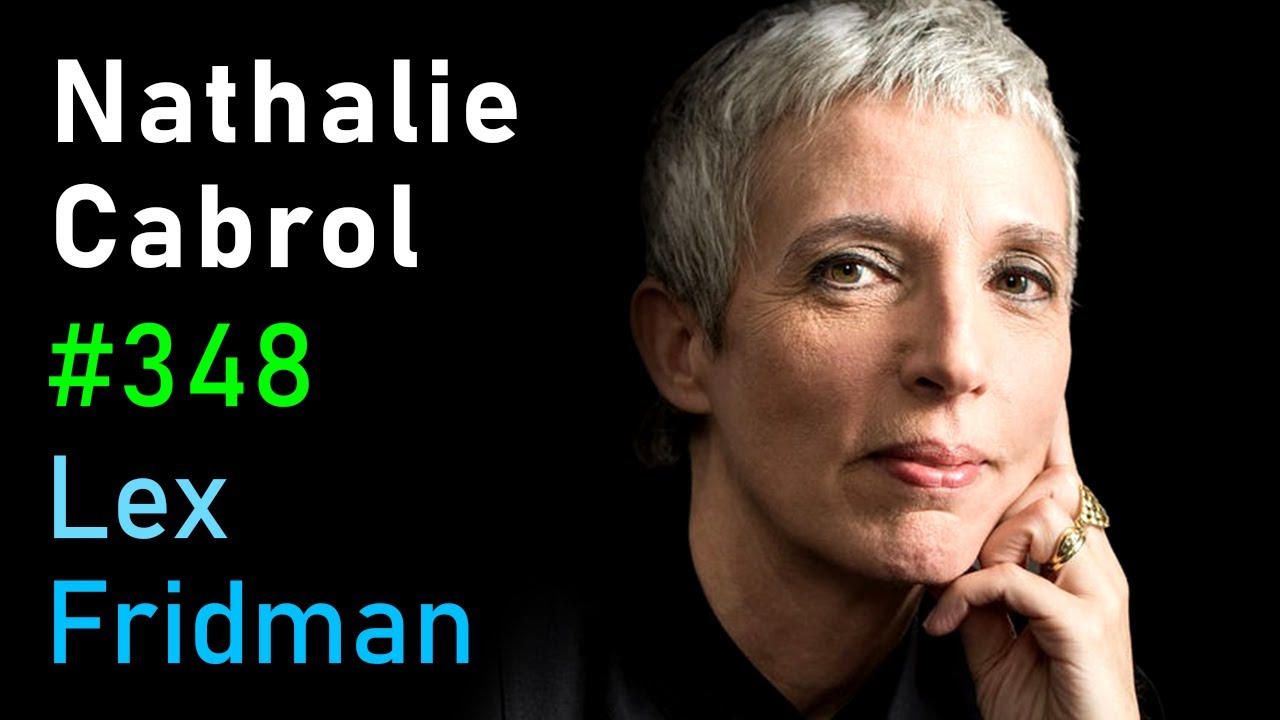
Nathalie Cabrol highlights the potential for life on Mars, suggesting it may exist in dormant states due to climate adaptation.
Nathalie Cabrol · Nathalie Cabrol: Search for Alien Life
The concept of panspermia is explored, indicating life's building blocks may be distributed by comets, but it doesn't explain life's origin.
Nathalie Cabrol · Nathalie Cabrol: Search for Alien Life
Cabrol challenges the Fermi paradox, arguing it's anthropomorphic and overlooks the complexity of life and civilization evolution.
Nathalie Cabrol · Nathalie Cabrol: Search for Alien Life
The SETI Institute's focus has expanded beyond extraterrestrial intelligence to include extensive work on exoplanets and astrobiology.
Nathalie Cabrol · Nathalie Cabrol: Search for Alien Life
Cabrol emphasizes the urgency of addressing Earth's sixth mass extinction, with 150 species going extinct daily.
Nathalie Cabrol · Nathalie Cabrol: Search for Alien Life
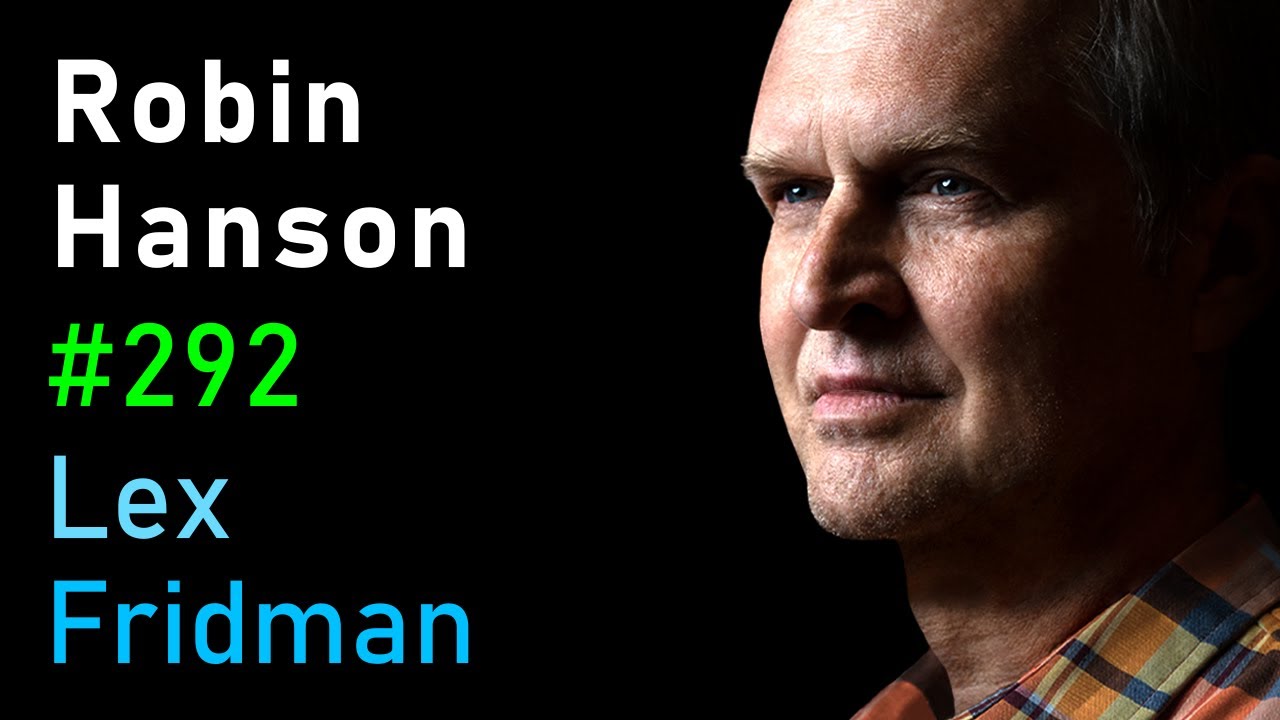
Robin Hanson proposes 'grabby aliens' as rapidly expanding civilizations detectable by their environmental alterations.
Hanson suggests that human future planning is limited by a generational discount factor of two, impacting long-term survival strategies.
Voices on panspermia
12 standout quotes from across the corpus.
Go read
10 books and papers cited across these episodes.
For the specialist
What experts find new
9 expert-level takeaways for a specialist reader.
At the frontier
Still unresolved
6 open questions flagged across these conversations.
The thinkers
Who takes this idea on, by how often they return to it.