Skip to content
TLexDR
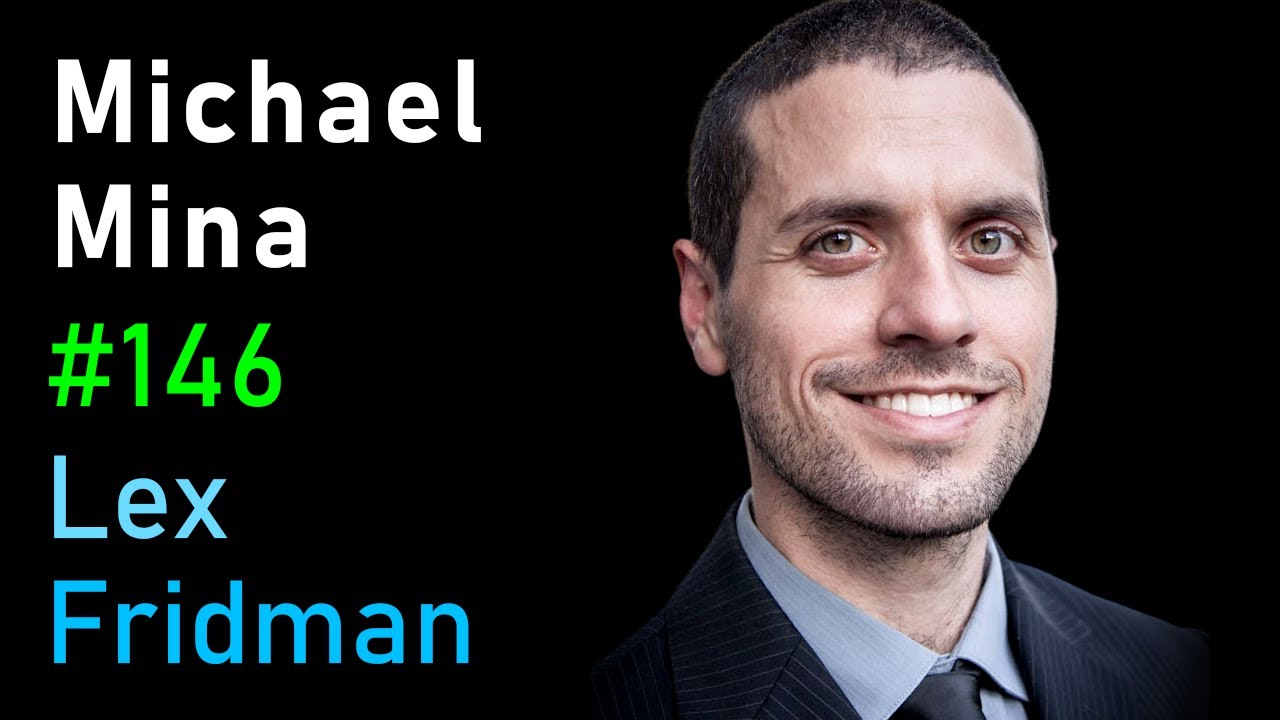
Episodes / Michael Mina: Rapid COVID Testing

Michael Mina: Rapid COVID Testing

05-28-26 ▶ 1h 46m 📖 4 min read
Core Takeaways
Rapid at-home COVID tests are effective at detecting contagiousness and can be produced cheaply and quickly. ▶ 1:00
Why it matters This enables widespread testing, crucial for controlling outbreaks quickly and efficiently.
PCR tests, while more sensitive, are impractical for public health due to slow results and detecting non-infectious viral loads. ▶ 2:00
Why it matters This leads to unnecessary isolation and fails to address immediate public health concerns.
The FDA's evaluation of COVID tests as medical devices overlooks public health needs, delaying rapid test deployment. ▶ 3:00
Why it matters This regulatory misalignment hinders timely access to tools that could mitigate the pandemic's spread.
Vaccination alone isn't enough; rapid testing is essential for controlling COVID-19 transmission, especially with new variants. ▶ 4:00
Why it matters Rapid testing can identify infectious individuals, reducing transmission even when vaccines don't prevent spread.
Public health strategies should focus on accessibility and transparency in testing rather than centralized reporting. ▶ 5:00
Why it matters Decentralized testing empowers individuals and maintains privacy, crucial for public trust and compliance.

Detailed Insights

Rapid COVID Testing
+
Rapid tests can be produced cheaply and detect contagiousness effectively.
PCR tests are too slow and sensitive for public health needs.
Regulatory Challenges
+
FDA's medical device classification delays rapid test deployment.
Public health tools should focus on infectiousness, not just viral presence.
Testing and Vaccination
+
Vaccines evaluated for disease prevention, not transmission control.
Rapid testing is crucial with new variants and breakthrough cases.
Public Health Strategy
+
Testing should be accessible and maintain privacy.
Decentralized testing engages the public more effectively.

How the conversation moved

Lex Fridman sets the stage by questioning the effectiveness of rapid COVID testing as a public health tool. Michael Minna frames it as a critical component in controlling the pandemic, emphasizing the speed and accessibility of rapid at-home tests. He argues that these tests can be produced cheaply and quickly, making them ideal for widespread use to detect contagiousness rather than just viral presence.

Minna presents a compelling case against the reliance on PCR tests for public health purposes. He highlights that while PCR tests are more sensitive, they often detect viral loads that are not indicative of infectiousness, thus failing to address the immediate public health question of whether an individual is contagious. Minna supports his argument with data, suggesting that rapid tests are about 97% sensitive for detecting infectious individuals and nearly 100% for super spreaders, making them more suitable for controlling transmission.

Despite the strong case for rapid testing, Lex doesn't challenge Minna's framing directly. However, the conversation does touch on the tension between FDA regulations and public health needs. Minna criticizes the FDA's criteria for evaluating tests as medical devices, which he argues do not align with the public health goal of identifying infectious individuals quickly. This misalignment, according to Minna, delays the deployment of rapid tests that could mitigate the pandemic's spread.

The discussion concludes with Minna advocating for a shift in regulatory approach, suggesting that rapid tests should be classified as public health tools rather than medical devices. This reclassification could expedite their approval and deployment, aligning regulatory frameworks with public health objectives. The conversation pivots to the broader implications of testing strategies on managing the pandemic, emphasizing the need for transparency, accessibility, and public engagement in health measures.

Surprising moments

Michael Minna
Michael Minna argues that PCR tests are not suitable for public health needs due to their sensitivity to non-infectious viral loads.
Share this quote X Bluesky LinkedIn Email Download card
Michael Minna
Michael Minna criticizes the FDA's evaluation criteria for COVID tests, suggesting they are misaligned with public health needs.

Topics Covered

Rapid COVID Testing Regulatory Challenges Testing and Vaccination Public Health Strategy

Memorable Quotes

"It's super simple. It takes 30 seconds, once you know how to do it, of hands-on time. And you wait around 10 minutes and then you read the result." — Michael Minna
"We just want to know, am I infectious? And to know that question, to know if I'm infectious, I only need a test that is going to be positive if I have a high viral load, like a million." — Michael Minna
"If we can get that language out there so that that's the president's decision, then all of a sudden the FDA is off the hook. They're not trying to cram a square peg through a round hole." — Michael
"The only goal is to get R below one, and you stop the outbreak." — said_on_episode
"Testing is a public health good. Testing is a public health good. We all, it should not be considered a medical device. I shouldn't have to pay to keep you safe." — said_on_episode

Still open

Unresolved by the end of the conversation

  • Michael Minna questions whether the FDA will adapt its criteria to better align with public health needs.

Jargon glossary

PCR test
A highly sensitive test that detects viral RNA, often used to diagnose COVID-19.
rapid test
A quick test that detects high viral loads to determine contagiousness.

References & Resources

Ginkgo by Unknown other
Why We Still Need Rapid Tests With Vaccines by Unknown article
Biden Action Plan by Joe Biden other
TWIV (This Week in Virology) by N/A podcast

For the specialist

What a senior practitioner would find new

  • PCR tests detect viral loads that are not relevant for transmission, leading to unnecessary isolation.
  • Rapid tests are 97% sensitive in detecting infectious individuals and nearly 100% for super spreaders.

Ask this episode Deep

A preview of how Deep chat answers, grounded in this episode with citations and timestamps:

Cite this episode

For papers, blog posts, anywhere.

Copied!

Related episodes

Where to go next from this conversation.

AI-generated summary · last refreshed 2026-06-06 03:55:22 · how we make these

Quotes are matched verbatim against the source transcript; references are checked to resolve to real URLs. Even so, AI can misread structure or attribute claims imperfectly. If you spot an error, please let us know.

Report an inaccuracy →