Michael Mina: Rapid Testing, Viruses, and the Engineering Mindset
Core Takeaways
Rapid at-home COVID-19 tests can achieve 99% sensitivity and specificity for detecting infectious virus.
▶ 1:00
Why it matters
This high sensitivity and specificity make rapid tests a viable tool for controlling virus spread without lockdowns.
The FDA's regulatory framework hinders the deployment of rapid tests as public health tools.
▶ 15:00
Why it matters
This regulatory barrier forces reliance on more complex solutions, delaying effective pandemic response.
A global immunological observatory could track viruses like a weather system, enhancing pandemic preparedness.
▶ 30:00
Why it matters
Such a system would allow real-time tracking of viral outbreaks, potentially saving lives.
Machine learning can reverse engineer protein folding, potentially revolutionizing medicine.
▶ 45:00
Why it matters
Advancements in protein folding could lead to breakthroughs in drug development and disease understanding.
40% of Americans distrust the COVID vaccine, complicating public health efforts.
▶ 1:00:00
Ask this episode Deep
A preview of how Deep chat answers, grounded in this episode with citations and timestamps:
Cite this episode
For papers, blog posts, anywhere.
Related episodes
Where to go next from this conversation.
More from Michael Mina
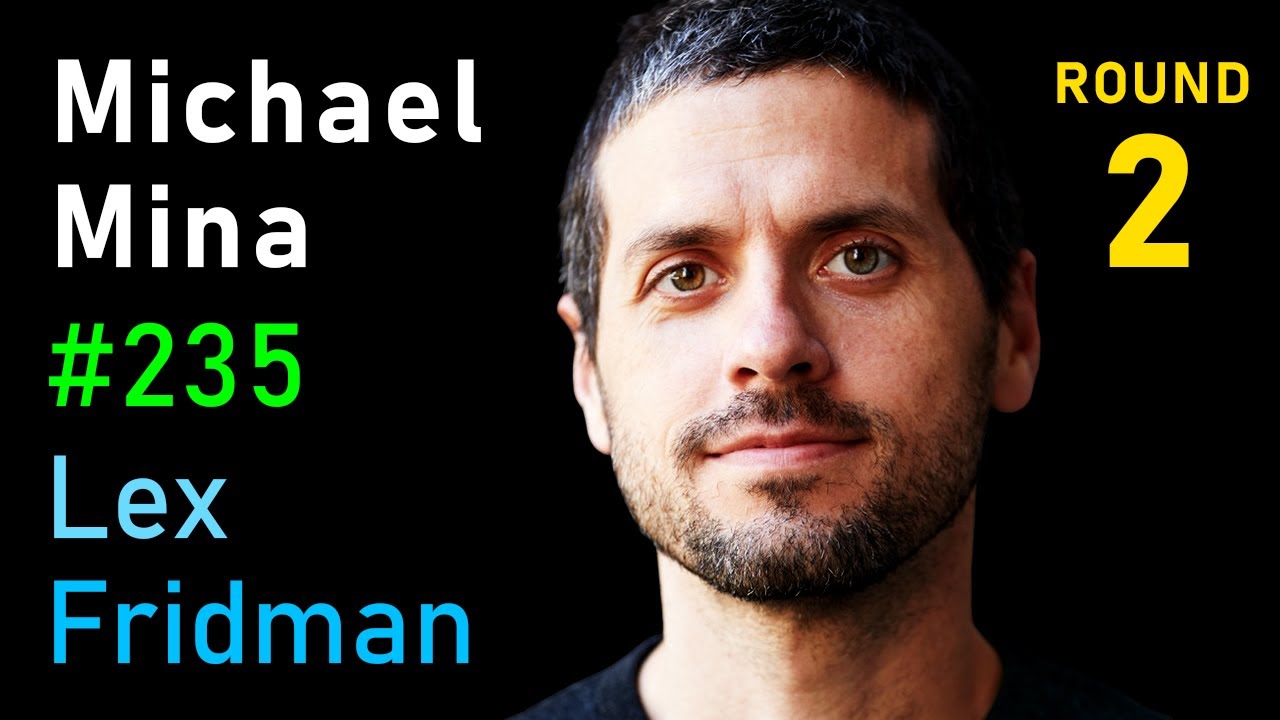
More on these ideas
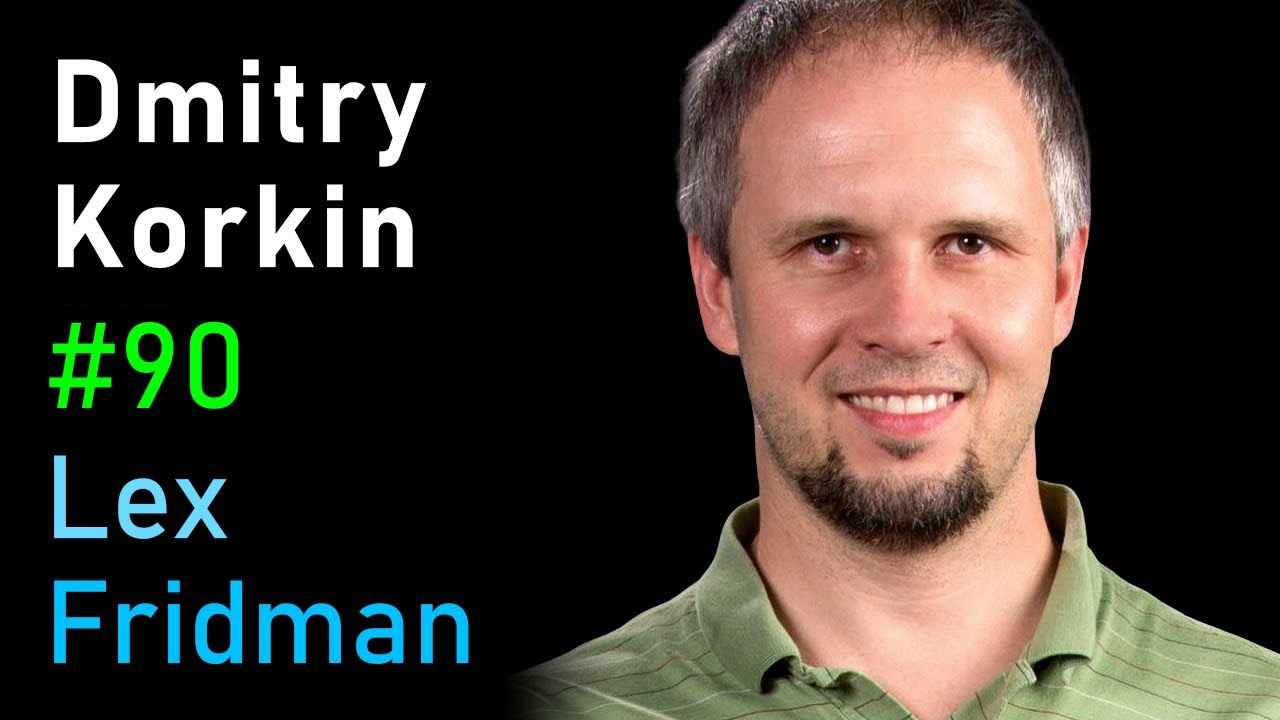 Dmitry Korkin: Computational Biology of Coronavirus
More like this
2h 9m
Dmitry Korkin: Computational Biology of Coronavirus
More like this
2h 9m
 Daphne Koller: Biomedicine and Machine Learning
Shares machine learning
1h 12m
Daphne Koller: Biomedicine and Machine Learning
Shares machine learning
1h 12m
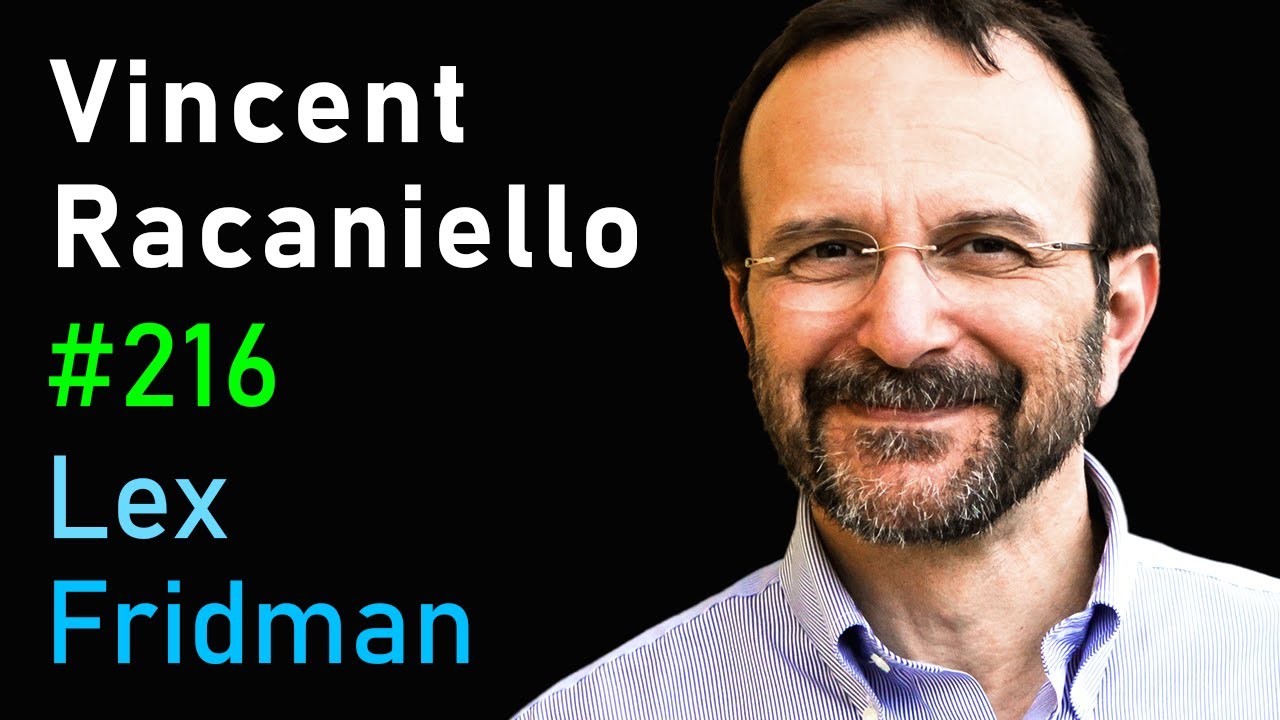 Vincent Racaniello: Viruses and Vaccines
Shares public health
3h 28m
Vincent Racaniello: Viruses and Vaccines
Shares public health
3h 28m
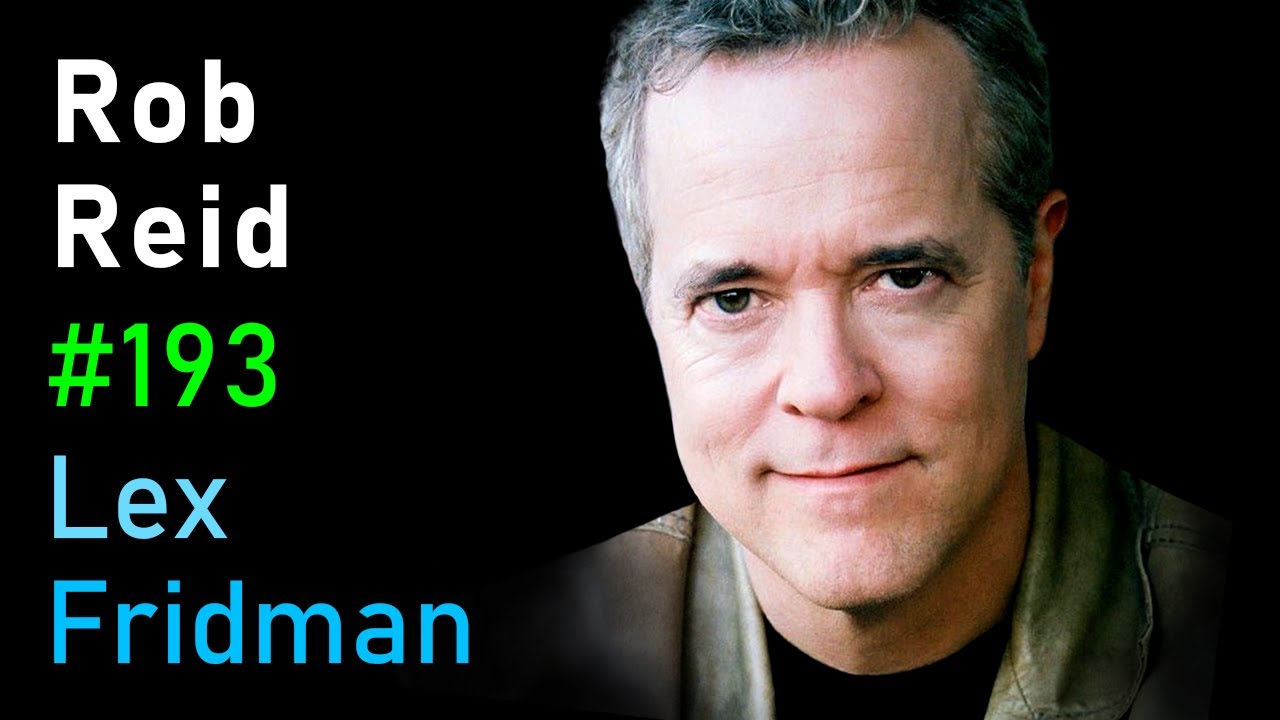 Rob Reid: The Existential Threat of Engineered Viruses and Lab Leaks
More like this
2h 59m
Rob Reid: The Existential Threat of Engineered Viruses and Lab Leaks
More like this
2h 59m
AI-generated summary · last refreshed 2026-06-06 21:46:00 · how we make these
Quotes are matched verbatim against the source transcript; references are checked to resolve to real URLs. Even so, AI can misread structure or attribute claims imperfectly. If you spot an error, please let us know.