Wojciech Zaremba: OpenAI Codex, GPT-3, Robotics, and the Future of AI
Core Takeaways
Wojciech Zaremba suggests that AI models like GPT-3 struggle with long text coherence due to lack of feedback mechanisms.
Why it matters
This limitation affects AI's ability to autonomously generate reliable long-form content, impacting its utility in complex tasks.
Codex can democratize coding by translating natural language into code, enabling non-programmers to create software.
▶ 1:50:00
Why it matters
This capability could revolutionize software development, making it accessible to a broader audience and fostering innovation.
Zaremba argues that the success of deep learning hinges on the multiplicative effect of compute, algorithms, and data.
▶ 1:10:00
Why it matters
Understanding these levers is crucial for advancing AI capabilities and predicting future breakthroughs.
Zaremba believes that consciousness might be a form of metacompression, linking it to memory and brain wave patterns.
▶ 30:00
Why it matters
If true, this theory could reshape our understanding of consciousness and its potential replication in AI.
Ask this episode Deep
A preview of how Deep chat answers, grounded in this episode with citations and timestamps:
Cite this episode
For papers, blog posts, anywhere.
Related episodes
Where to go next from this conversation.
More on these ideas
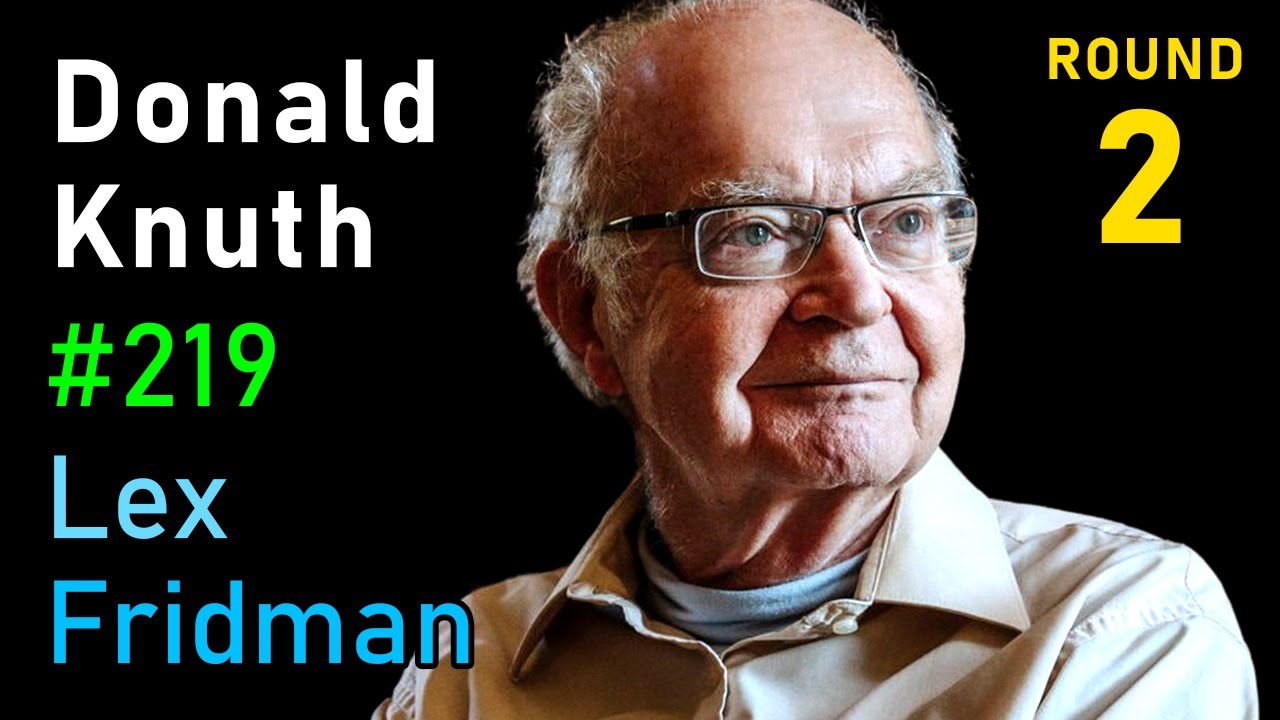 Donald Knuth: Programming, Algorithms, Hard Problems & the Game of Life
Shares consciousness
2h 21m
Donald Knuth: Programming, Algorithms, Hard Problems & the Game of Life
Shares consciousness
2h 21m
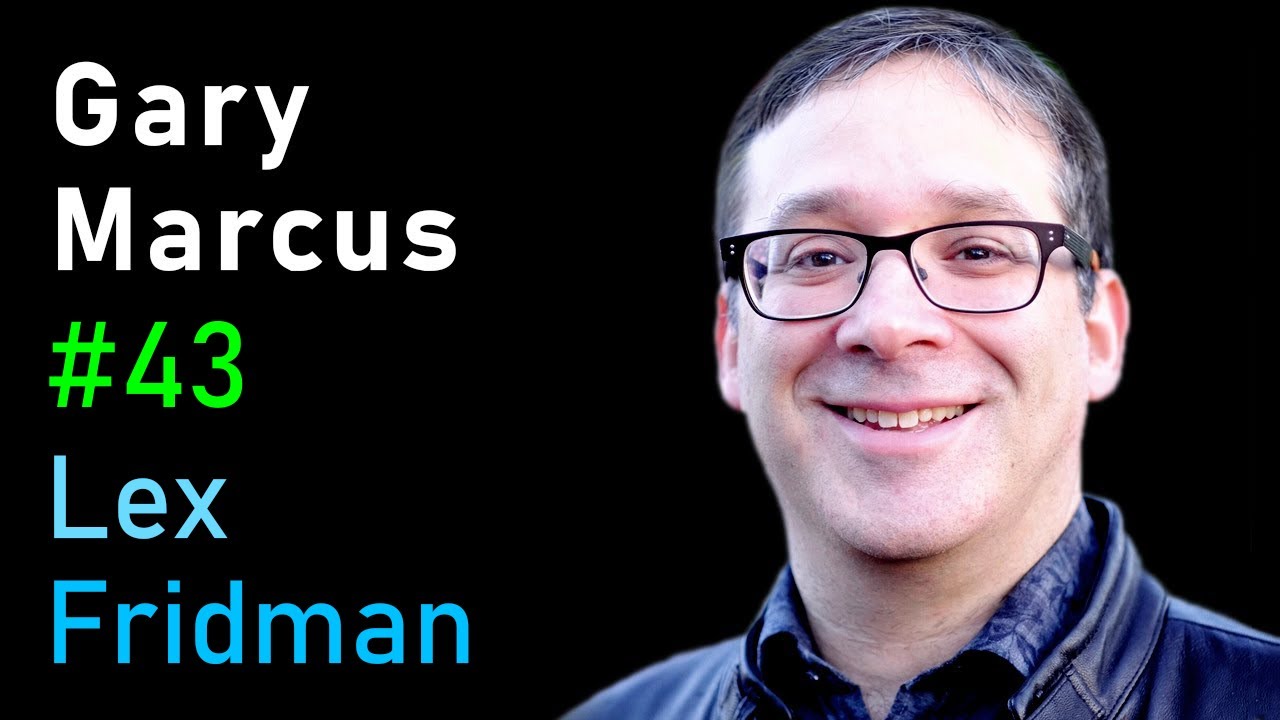 Gary Marcus: Toward a Hybrid of Deep Learning and Symbolic AI
Shares AI capabilities, deep learning
1h 25m
Gary Marcus: Toward a Hybrid of Deep Learning and Symbolic AI
Shares AI capabilities, deep learning
1h 25m
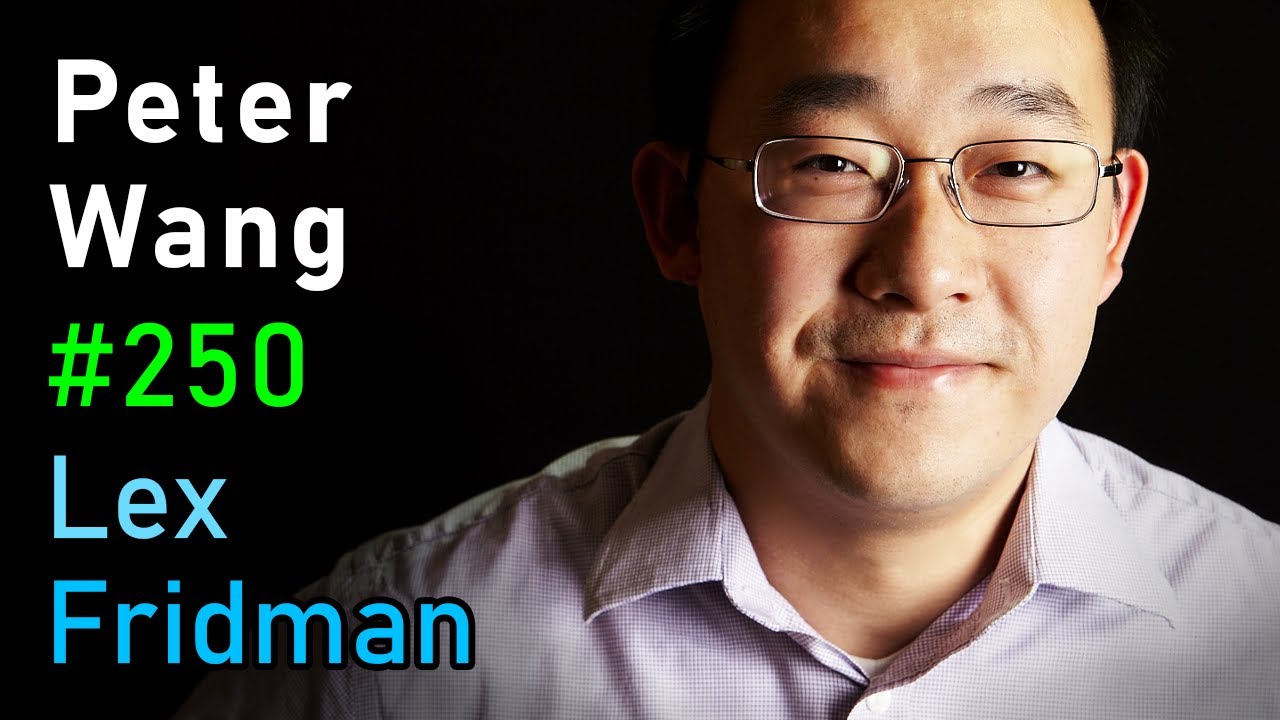 Peter Wang: Python and the Source Code of Humans, Computers, and Reality
Shares consciousness
2h 46m
Peter Wang: Python and the Source Code of Humans, Computers, and Reality
Shares consciousness
2h 46m
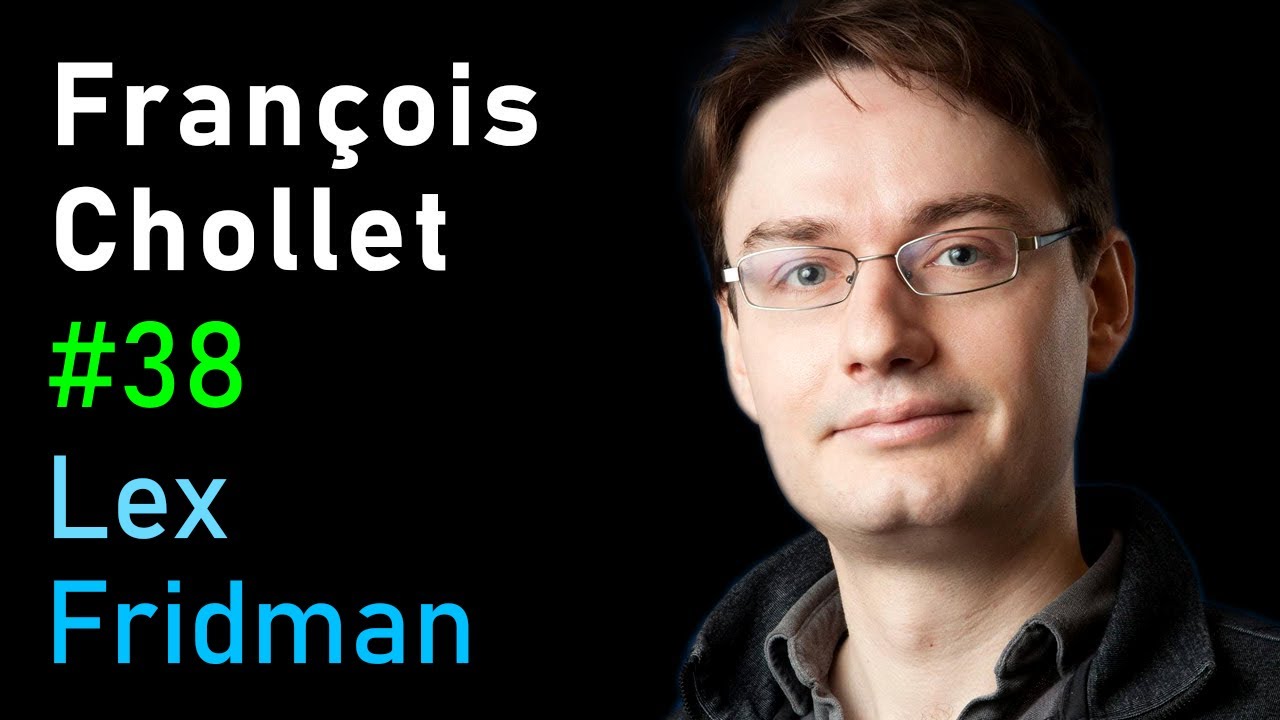 François Chollet: Keras, Deep Learning, and the Progress of AI
Shares deep learning
1h 59m
François Chollet: Keras, Deep Learning, and the Progress of AI
Shares deep learning
1h 59m
AI-generated summary · last refreshed 2026-06-06 06:59:18 · how we make these
Quotes are matched verbatim against the source transcript; references are checked to resolve to real URLs. Even so, AI can misread structure or attribute claims imperfectly. If you spot an error, please let us know.