Barry Barish: Gravitational Waves and the Most Precise Device Ever Built
Core Takeaways
LIGO's detectors are capable of measuring movements 10,000 times smaller than a proton's width, showcasing extreme precision.
▶ 2:00
Why it matters
This precision is crucial for detecting gravitational waves, which are incredibly subtle distortions in space-time.
Gravitational waves, predicted by Einstein in 1916, arise from quadrupole moments and are not dipole like electromagnetic waves.
▶ 20:00
Why it matters
This distinction is fundamental to understanding how gravitational waves differ from other wave phenomena, impacting our grasp of the universe.
LIGO's engineering includes advanced noise cancellation and shock absorbers, achieving vibration reduction by one part in 10^12.
▶ 1:10:00
Why it matters
These innovations are essential for isolating the extremely faint signals of gravitational waves from environmental noise.
The first detection of gravitational waves in 2015 was a collaborative effort involving multiple institutions and nearly a decade of failures.
▶ 1:30:00
Why it matters
The collaborative success underscores the importance of teamwork in achieving groundbreaking scientific discoveries.
Ask this episode Deep
A preview of how Deep chat answers, grounded in this episode with citations and timestamps:
Cite this episode
For papers, blog posts, anywhere.
Related episodes
Where to go next from this conversation.
More on these ideas
 Janna Levin: Black Holes, Wormholes, Aliens, Paradoxes & Extra Dimensions
Shares gravitational waves, LIGO
3h
Janna Levin: Black Holes, Wormholes, Aliens, Paradoxes & Extra Dimensions
Shares gravitational waves, LIGO
3h
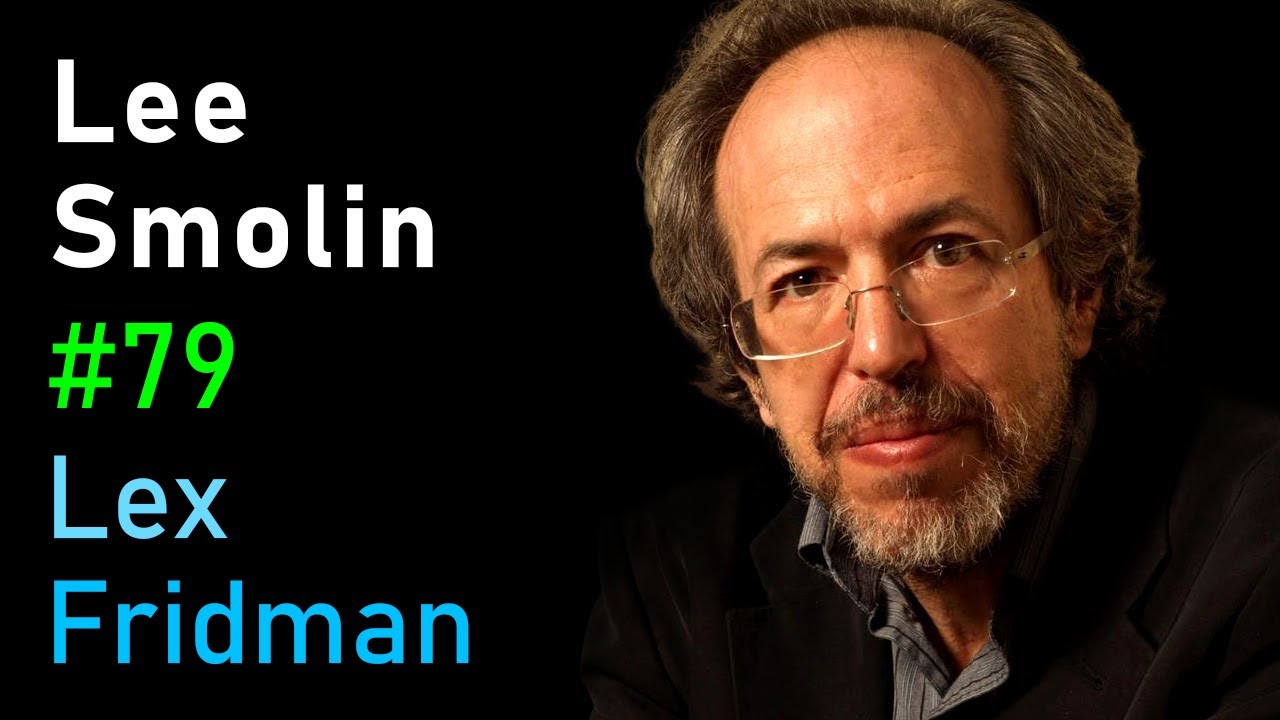 Lee Smolin: Quantum Gravity and Einstein's Unfinished Revolution
Shares general relativity
1h 9m
Lee Smolin: Quantum Gravity and Einstein's Unfinished Revolution
Shares general relativity
1h 9m
 Sean Carroll: General Relativity, Quantum Mechanics, Black Holes & Aliens
Shares general relativity
2h 35m
Sean Carroll: General Relativity, Quantum Mechanics, Black Holes & Aliens
Shares general relativity
2h 35m
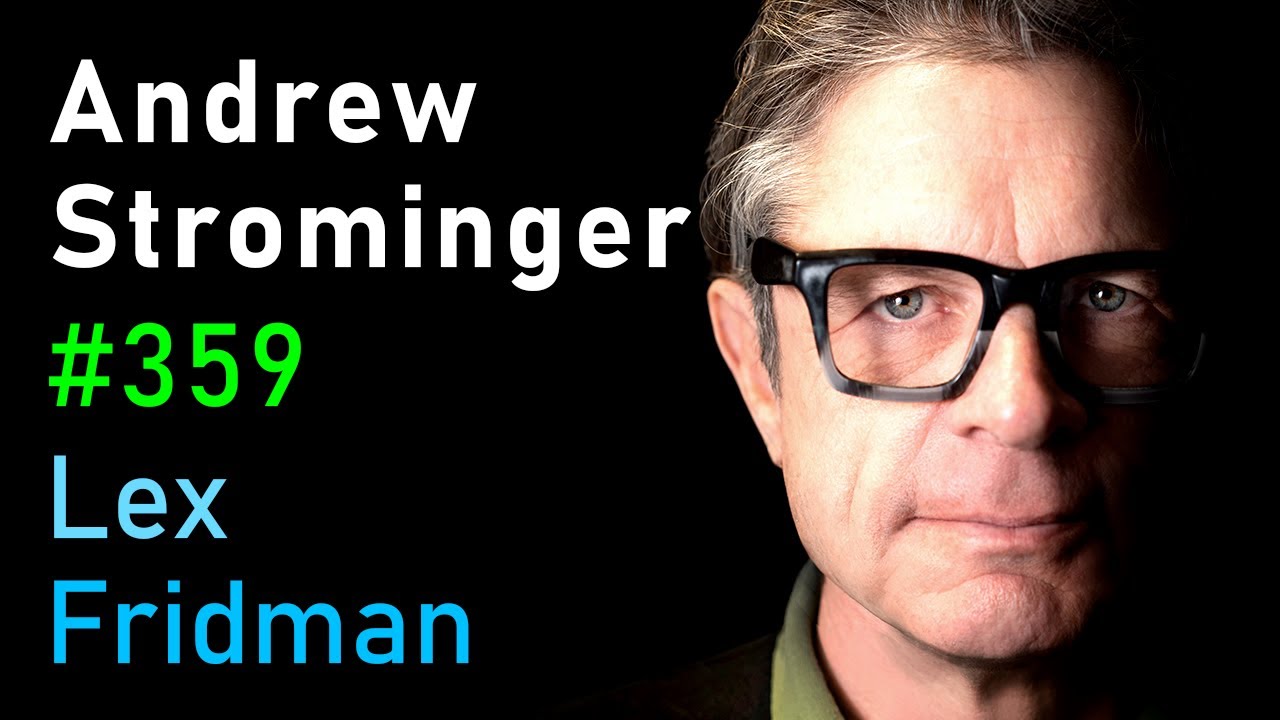 Andrew Strominger: Black Holes, Quantum Gravity, and Theoretical Physics
More like this
2h 19m
Andrew Strominger: Black Holes, Quantum Gravity, and Theoretical Physics
More like this
2h 19m
AI-generated summary · last refreshed 2026-06-06 07:13:09 · how we make these
Quotes are matched verbatim against the source transcript; references are checked to resolve to real URLs. Even so, AI can misread structure or attribute claims imperfectly. If you spot an error, please let us know.