Jeff Hawkins: The Thousand Brains Theory of Intelligence
Core Takeaways
The Thousand Brains Theory posits that the neocortex contains 150,000 independent modeling systems, each acting as a complete model.
Why it matters
This challenges the traditional view of the brain as a single, unified model, suggesting a more complex, decentralized approach.
Jeff Hawkins argues that intelligence is the ability to learn a model of the world, emphasizing interaction over passive observation.
▶ 20:00
Why it matters
This redefines intelligence beyond mere data processing, impacting how AI systems might be designed to learn.
AI systems, according to Hawkins, won't develop desires or agency without explicit programming, countering common fears.
▶ 1:10:00
Why it matters
This perspective shifts the focus from AI autonomy to human responsibility in programming and deploying AI.
Self-replication in AI poses significant risks, potentially leading to uncontrolled consequences if not regulated.
▶ 1:30:00
Why it matters
Unregulated self-replication could lead to existential risks, highlighting the need for stringent oversight.
Preserving human knowledge for future intelligent life could involve innovative methods like satellite archives.
▶ 2:00:00
Why it matters
Ensuring the survival of human knowledge could influence how civilizations are perceived by future intelligent beings.
Ask this episode Deep
A preview of how Deep chat answers, grounded in this episode with citations and timestamps:
Cite this episode
For papers, blog posts, anywhere.
Related episodes
Where to go next from this conversation.
More from Jeff Hawkins
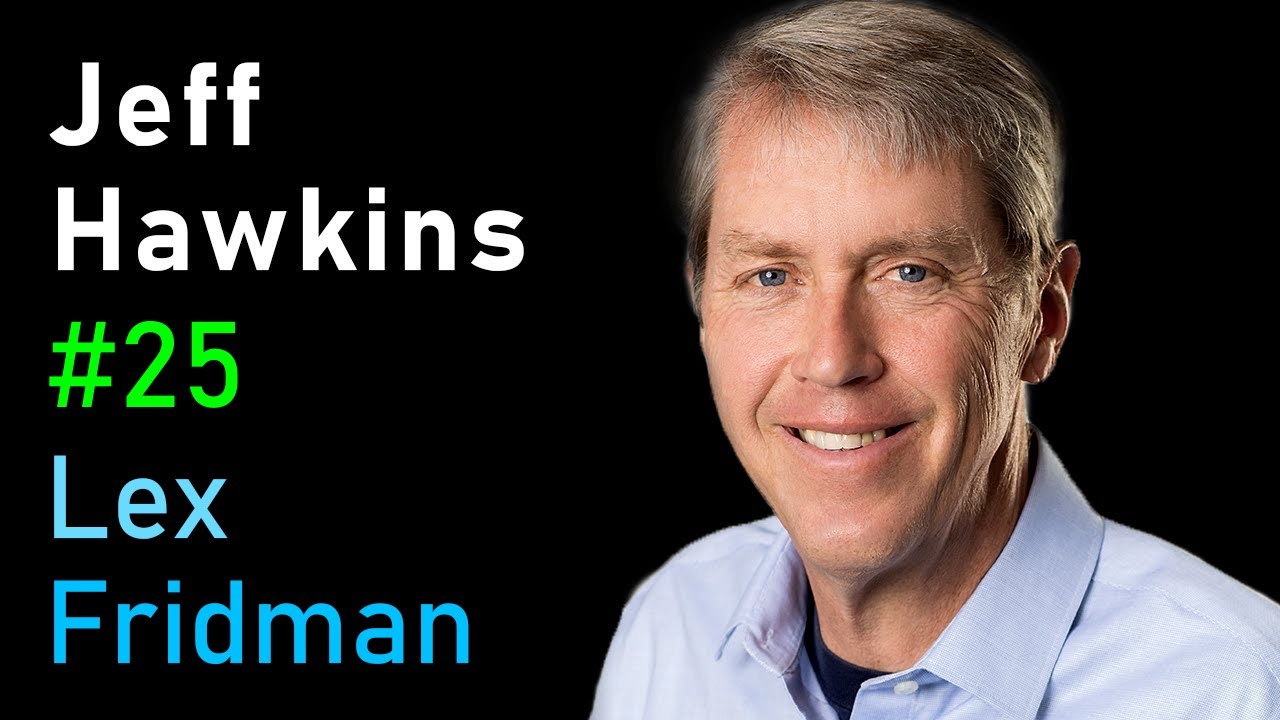
More on these ideas
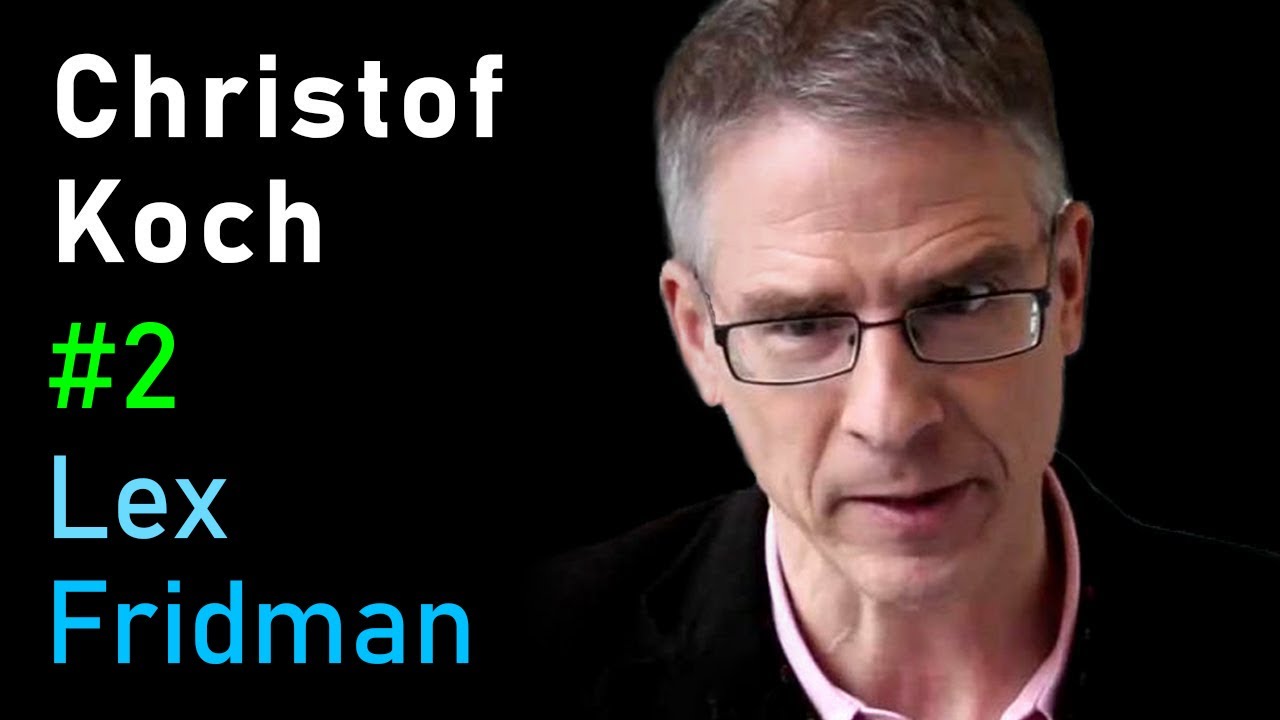 Christof Koch: Consciousness
Shares intelligence
57m
Christof Koch: Consciousness
Shares intelligence
57m
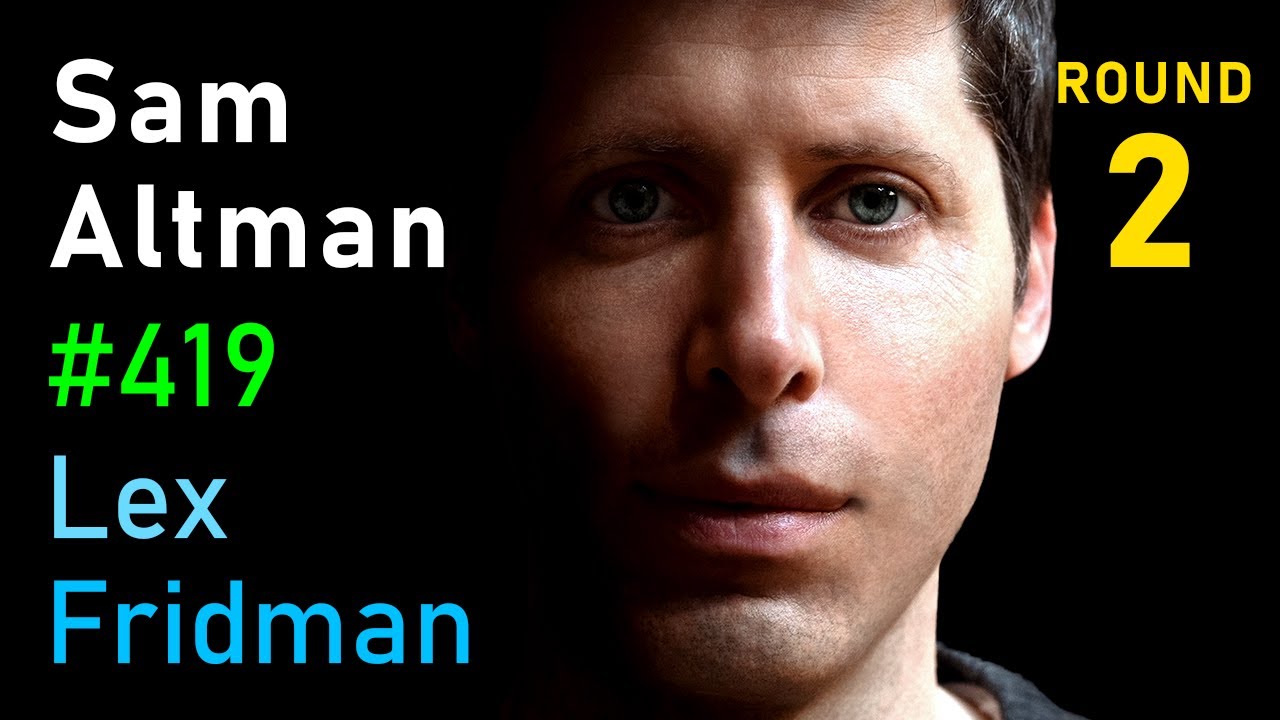 Sam Altman: OpenAI, GPT-5, Sora, Board Saga, Elon Musk, Ilya, Power & AGI
More like this
1h 55m
Sam Altman: OpenAI, GPT-5, Sora, Board Saga, Elon Musk, Ilya, Power & AGI
More like this
1h 55m
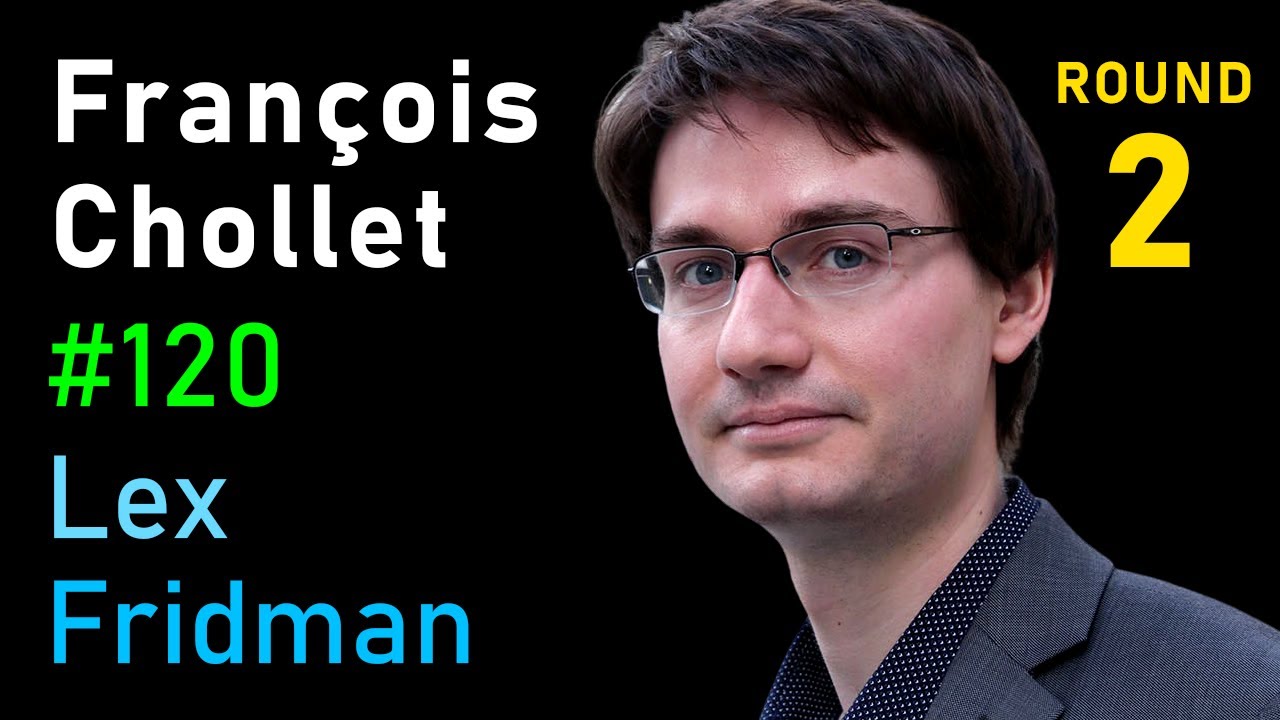 François Chollet: Measures of Intelligence
Shares intelligence
2h 34m
François Chollet: Measures of Intelligence
Shares intelligence
2h 34m
 Peter Wang: Python and the Source Code of Humans, Computers, and Reality
More like this
2h 46m
Peter Wang: Python and the Source Code of Humans, Computers, and Reality
More like this
2h 46m
AI-generated summary · last refreshed 2026-06-06 08:00:17 · how we make these
Quotes are matched verbatim against the source transcript; references are checked to resolve to real URLs. Even so, AI can misread structure or attribute claims imperfectly. If you spot an error, please let us know.