All topics / Thousand Brains Theory
Topic
You are reading the free Skim layer. Read unlocks the synthesis and sources.
Thousand Brains Theory
A theory suggesting each cortical column in the neocortex acts as an independent modeling system.
2
episodes
1
thinkers
4h
of conversation
6
books & papers
4
terms defined
The neighbourhood: Thousand Brains Theory and the ideas it travels with. Drag to roam, click a star for the episode, click a neighbour to travel.
Drag to roam · scroll to zoom · click a neighbour to travel · click a star for the episode
From foundational to frontier
Climb the spectrum. The most accessible conversations come first.
Start here
ACCESSIBLECOREFRONTIER
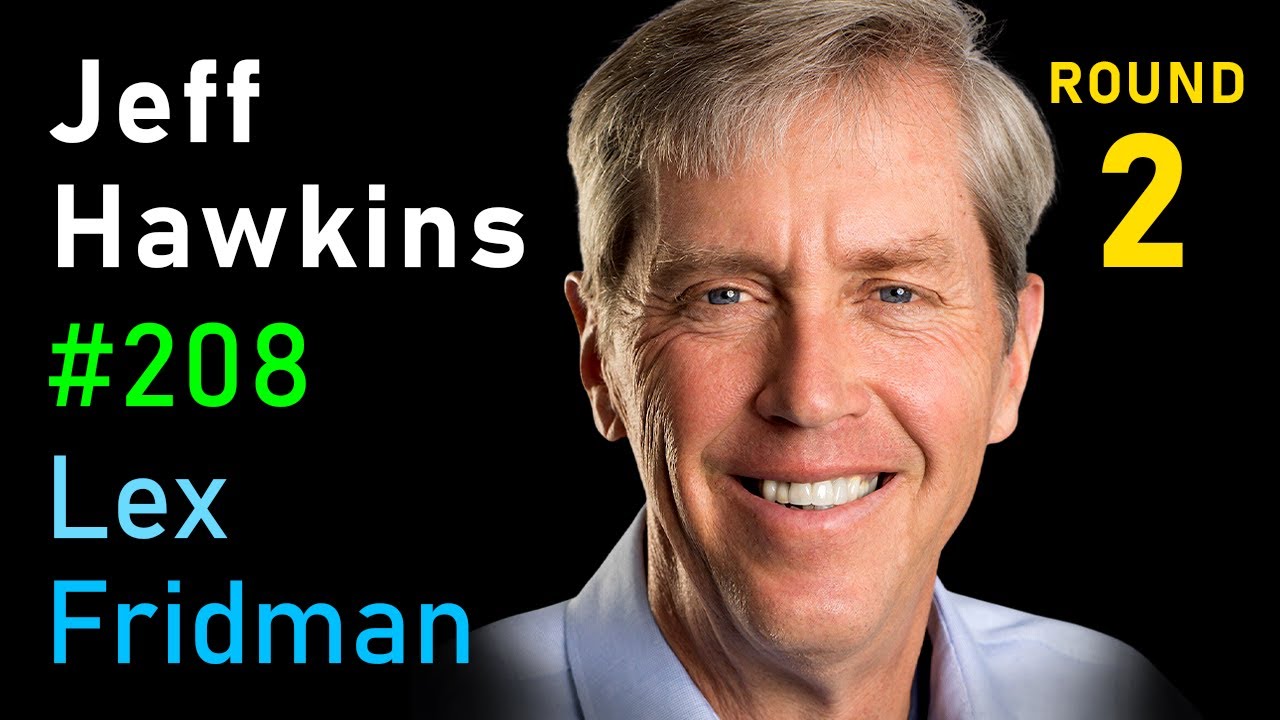
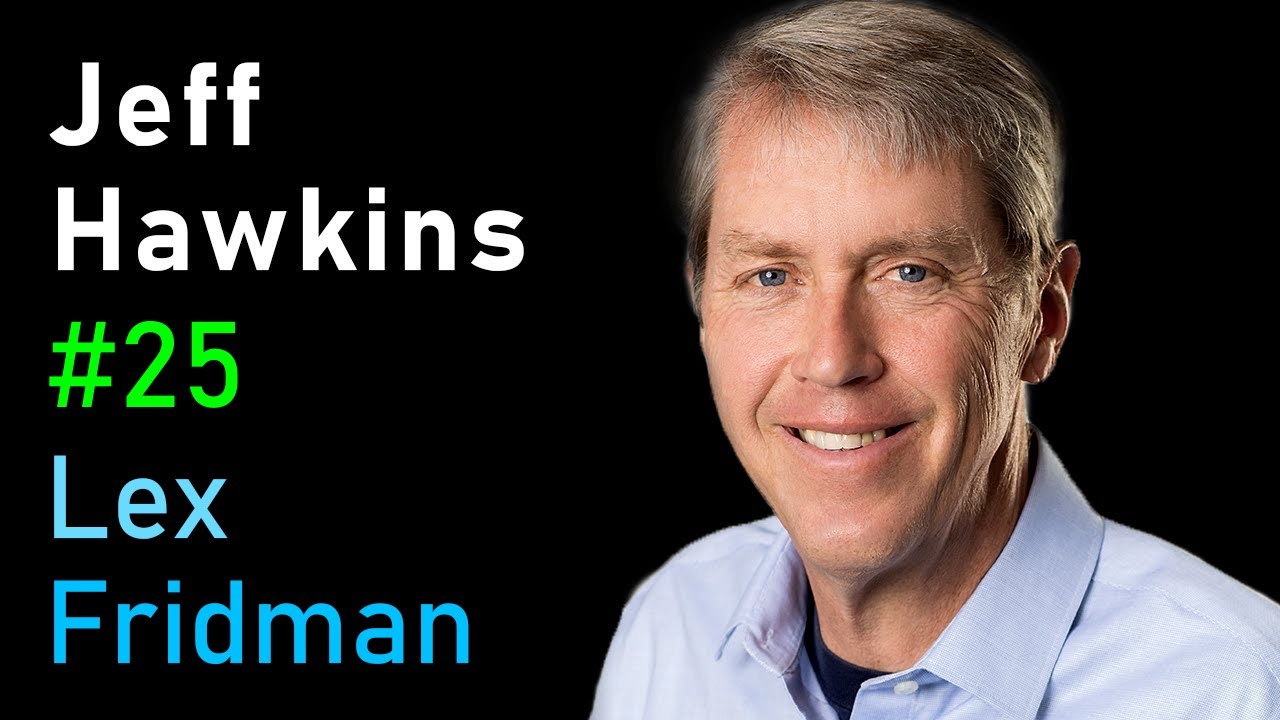
The lexicon
Every term the guests lean on, in plain language. Read one in full, or filter to find it.
What the corpus says
The throughline across every conversation that touches this idea.
The Thousand Brains Theory posits that the neocortex contains 150,000 independent modeling systems, each acting as a complete model.
Jeff Hawkins · Jeff Hawkins: The Thousand Brains Theory of Intelligence
Jeff Hawkins argues that intelligence is the ability to learn a model of the world, emphasizing interaction over passive observation.
Jeff Hawkins · Jeff Hawkins: The Thousand Brains Theory of Intelligence
AI systems, according to Hawkins, won't develop desires or agency without explicit programming, countering common fears.
Jeff Hawkins · Jeff Hawkins: The Thousand Brains Theory of Intelligence
Self-replication in AI poses significant risks, potentially leading to uncontrolled consequences if not regulated.
Jeff Hawkins · Jeff Hawkins: The Thousand Brains Theory of Intelligence
Preserving human knowledge for future intelligent life could involve innovative methods like satellite archives.
Jeff Hawkins · Jeff Hawkins: The Thousand Brains Theory of Intelligence
The Thousand Brains Theory posits that each object is represented by thousands of models in the neocortex, which collectively determine its identity.
Jeff Hawkins · Jeff Hawkins: Thousand Brains Theory of Intelligence
Jeff Hawkins argues that intelligence in machines will be achieved faster by studying the brain's neocortex, which is uniform across species and crucial for cognitive functions.
Jeff Hawkins · Jeff Hawkins: Thousand Brains Theory of Intelligence
Hierarchical Temporal Memory (HTM) theory emphasizes time-based patterns and hierarchical processing as essential for understanding brain function and intelligence.
Jeff Hawkins · Jeff Hawkins: Thousand Brains Theory of Intelligence
Hawkins contends that current AI models lack the biological principles necessary for true intelligence, such as the predictive capabilities of real neurons.
Jeff Hawkins · Jeff Hawkins: Thousand Brains Theory of Intelligence
Hawkins downplays existential threats from AI, suggesting bacteria pose a greater risk and emphasizing the preservation of human knowledge as a legacy.
Jeff Hawkins · Jeff Hawkins: Thousand Brains Theory of Intelligence
Voices on Thousand Brains Theory
8 standout quotes from across the corpus.
Go read
6 books and papers cited across these episodes.
For the specialist
What experts find new
5 expert-level takeaways for a specialist reader.
At the frontier
Still unresolved
3 open questions flagged across these conversations.
The thinkers
Who takes this idea on, by how often they return to it.