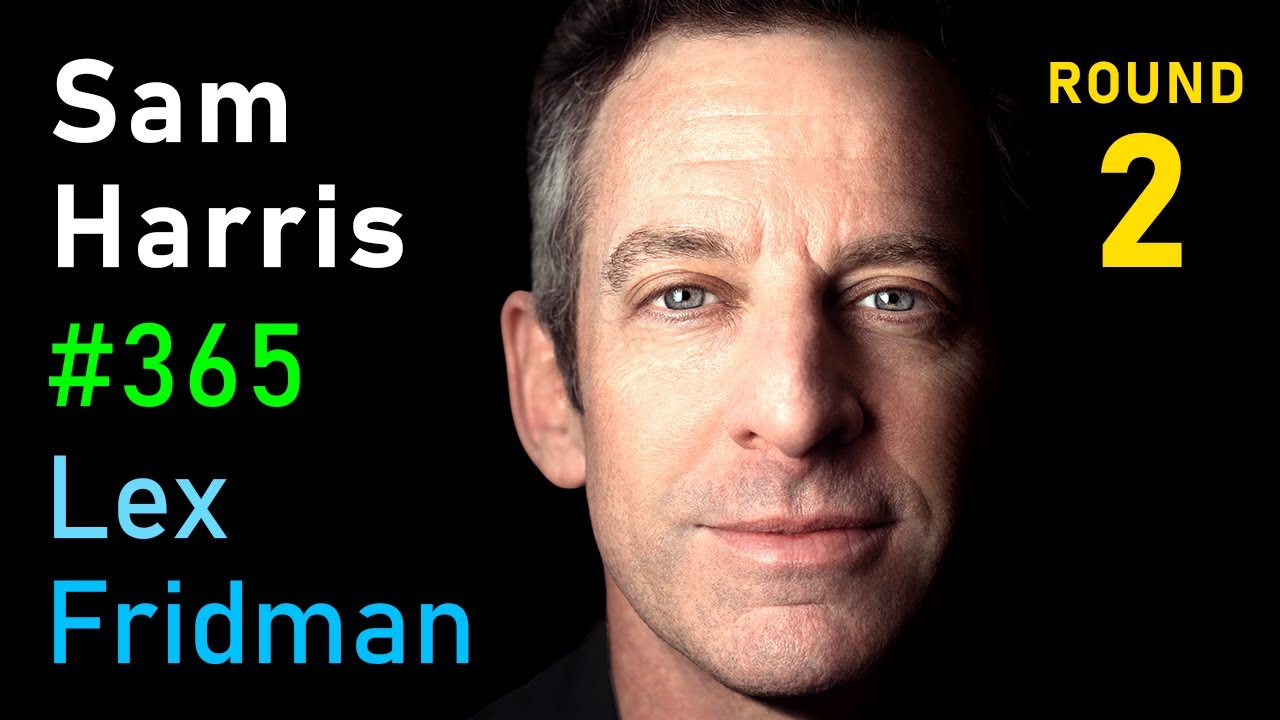
Sam Harris: Consciousness, Free Will, Psychedelics, AI, UFOs, and Meaning
Core Takeaways
Harris posits that consciousness cannot be an illusion because even hallucinations prove its reality, challenging traditional views.
▶ 10:00
Why it matters
This perspective forces a reevaluation of consciousness as a fundamental aspect of reality, not a byproduct of brain activity.
The conversation highlights the potential risks of AI, including autonomous weapons and biased algorithms in self-driving cars.
▶ 1:15:00
Why it matters
AI's potential to harm underscores the need for ethical guidelines and oversight in its development.
Harris suggests that societal distractions could overshadow significant UFO disclosures, which he believes are credible.
▶ 1:50:00
Why it matters
If true, these disclosures could fundamentally alter our understanding of technology and its origins.
Ask this episode Deep
A preview of how Deep chat answers, grounded in this episode with citations and timestamps:
Cite this episode
For papers, blog posts, anywhere.
Related episodes
Where to go next from this conversation.
More from Sam Harris
More on these ideas
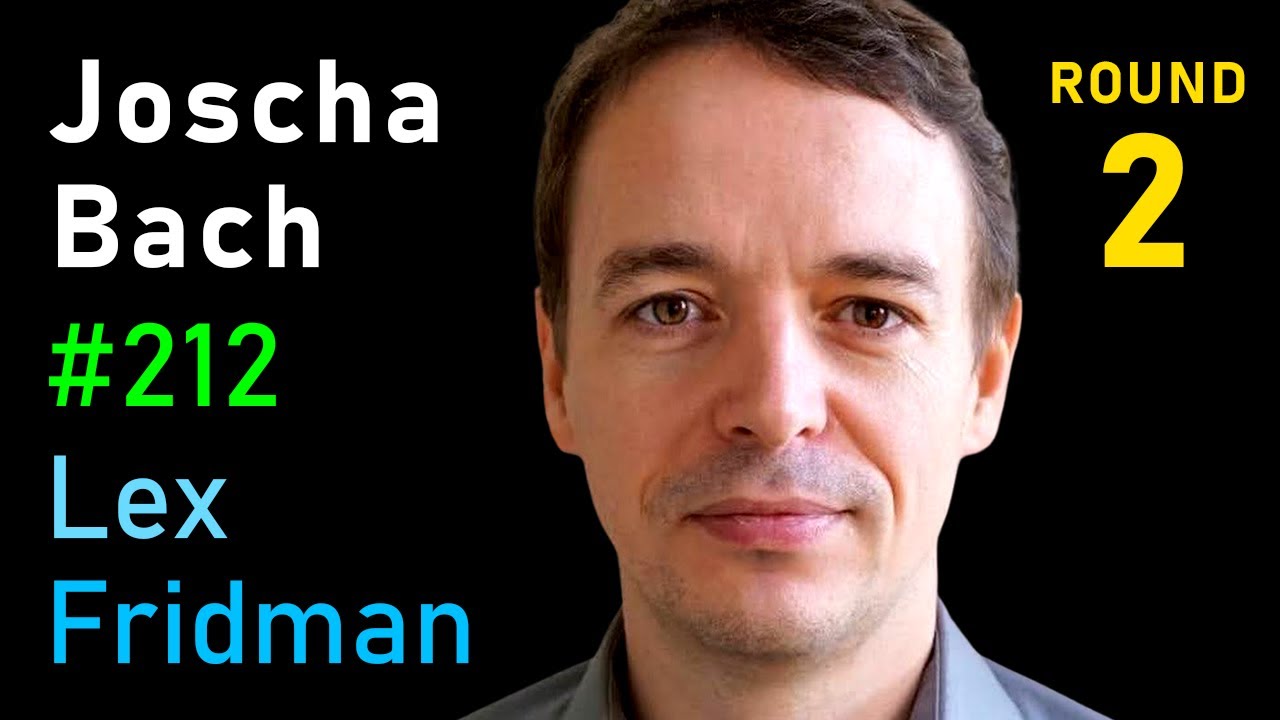 Joscha Bach: Nature of Reality, Dreams, and Consciousness
Shares consciousness, free will
3h 12m
Joscha Bach: Nature of Reality, Dreams, and Consciousness
Shares consciousness, free will
3h 12m
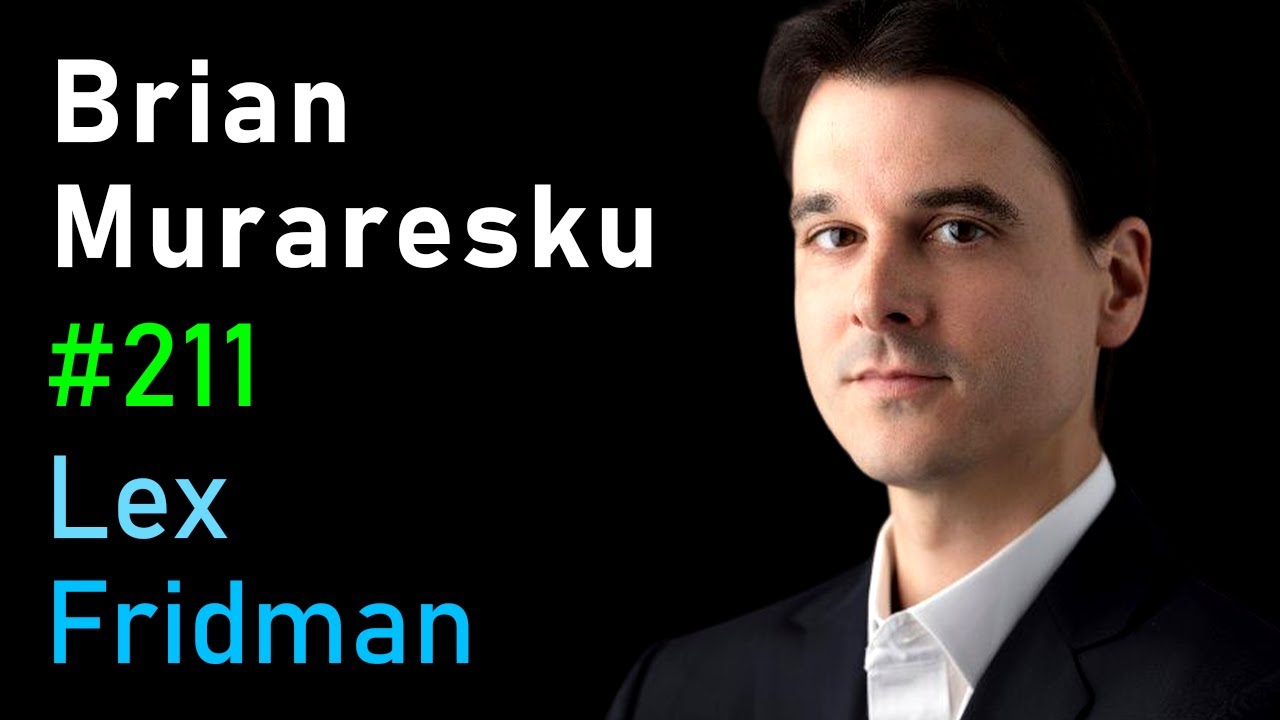 Brian Muraresku: The Secret History of Psychedelics
Shares consciousness
1h 52m
Brian Muraresku: The Secret History of Psychedelics
Shares consciousness
1h 52m
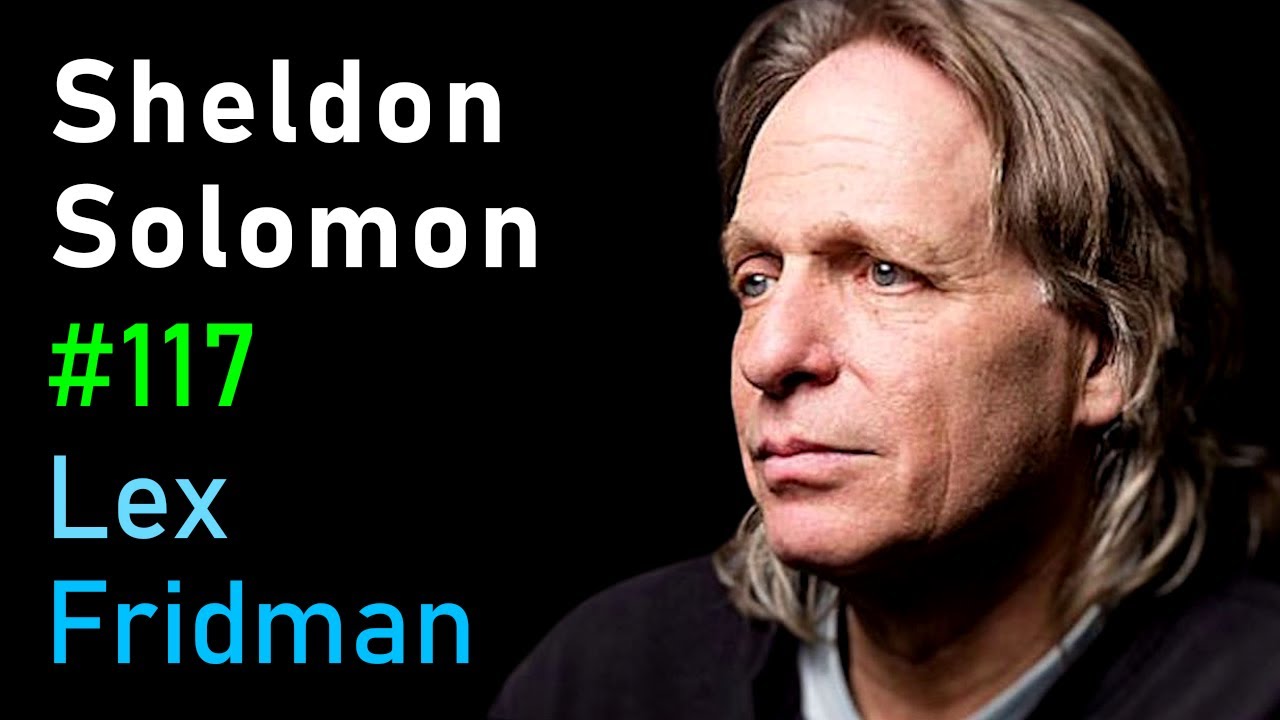 Sheldon Solomon: Death and Meaning
Shares consciousness, AI ethics
2h 56m
Sheldon Solomon: Death and Meaning
Shares consciousness, AI ethics
2h 56m
 Annaka Harris: Free Will, Consciousness, and the Nature of Reality
Shares consciousness, free will
2h 39m
Annaka Harris: Free Will, Consciousness, and the Nature of Reality
Shares consciousness, free will
2h 39m
AI-generated summary · last refreshed 2026-06-06 20:53:43 · how we make these
Quotes are matched verbatim against the source transcript; references are checked to resolve to real URLs. Even so, AI can misread structure or attribute claims imperfectly. If you spot an error, please let us know.