Manolis Kellis: Biology of Disease
Core Takeaways
Manolis Kellis argues that understanding human disease requires embracing the complexity of genetic variants beyond protein-coding genes.
Why it matters
This complexity suggests that disease treatment must consider non-coding regions, which constitute 98.5% of the genome.
The FTO gene, once misunderstood, is linked to obesity through distant gene regulation involving IRX3 and IRX5.
▶ 1:10:30
Why it matters
Understanding FTO's true role opens pathways for targeted obesity interventions, correcting past misconceptions.
Alzheimer's disease genetics indicate significant roles for microglia, not neurons or astrocytes, in disease progression.
▶ 2:05:00
Why it matters
Targeting microglia could lead to novel Alzheimer's treatments, shifting focus from traditional neuron-centric approaches.
Ask this episode Deep
A preview of how Deep chat answers, grounded in this episode with citations and timestamps:
Cite this episode
For papers, blog posts, anywhere.
Related episodes
Where to go next from this conversation.
More from Manolis Kellis
 Manolis Kellis: Human Genome and Evolutionary Dynamics
CORE TAKEAWAYS: - The human genome is 99.9% identical across individuals, emphasizing…
2h 29m
Manolis Kellis: Human Genome and Evolutionary Dynamics
CORE TAKEAWAYS: - The human genome is 99.9% identical across individuals, emphasizing…
2h 29m
 Manolis Kellis: Origin of Life, Humans, Ideas, Suffering, and Happiness
CORE TAKEAWAYS: - The human epigenome compacts two meters of DNA into a cell nucleus,…
2h 10m
Manolis Kellis: Origin of Life, Humans, Ideas, Suffering, and Happiness
CORE TAKEAWAYS: - The human epigenome compacts two meters of DNA into a cell nucleus,…
2h 10m
 Manolis Kellis: Meaning of Life, the Universe, and Everything
CORE TAKEAWAYS: - Manolis Kellis argues that language evolved after music, suggesting…
2h 10m
Manolis Kellis: Meaning of Life, the Universe, and Everything
CORE TAKEAWAYS: - Manolis Kellis argues that language evolved after music, suggesting…
2h 10m
More on these ideas
 David Sinclair: Extending the Human Lifespan Beyond 100 Years
More like this
1h 41m
David Sinclair: Extending the Human Lifespan Beyond 100 Years
More like this
1h 41m
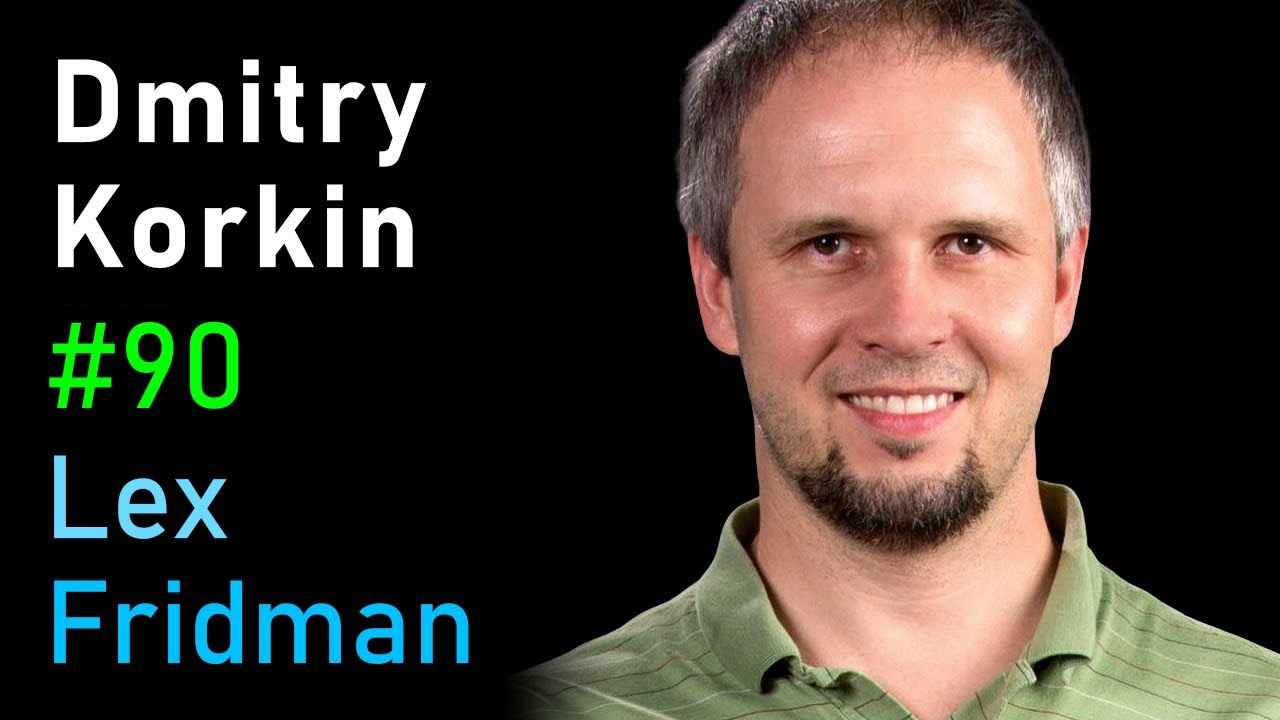 Dmitry Korkin: Computational Biology of Coronavirus
More like this
2h 9m
Dmitry Korkin: Computational Biology of Coronavirus
More like this
2h 9m
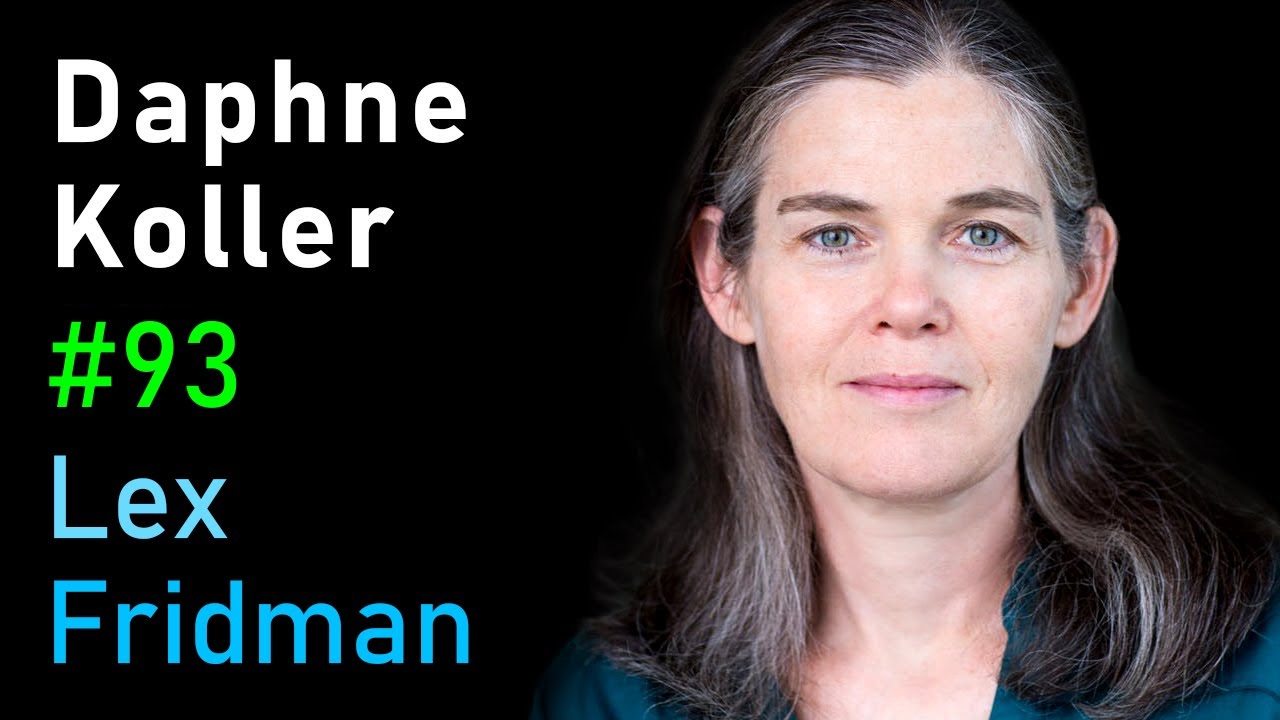 Daphne Koller: Biomedicine and Machine Learning
Shares CRISPR
1h 12m
Daphne Koller: Biomedicine and Machine Learning
Shares CRISPR
1h 12m
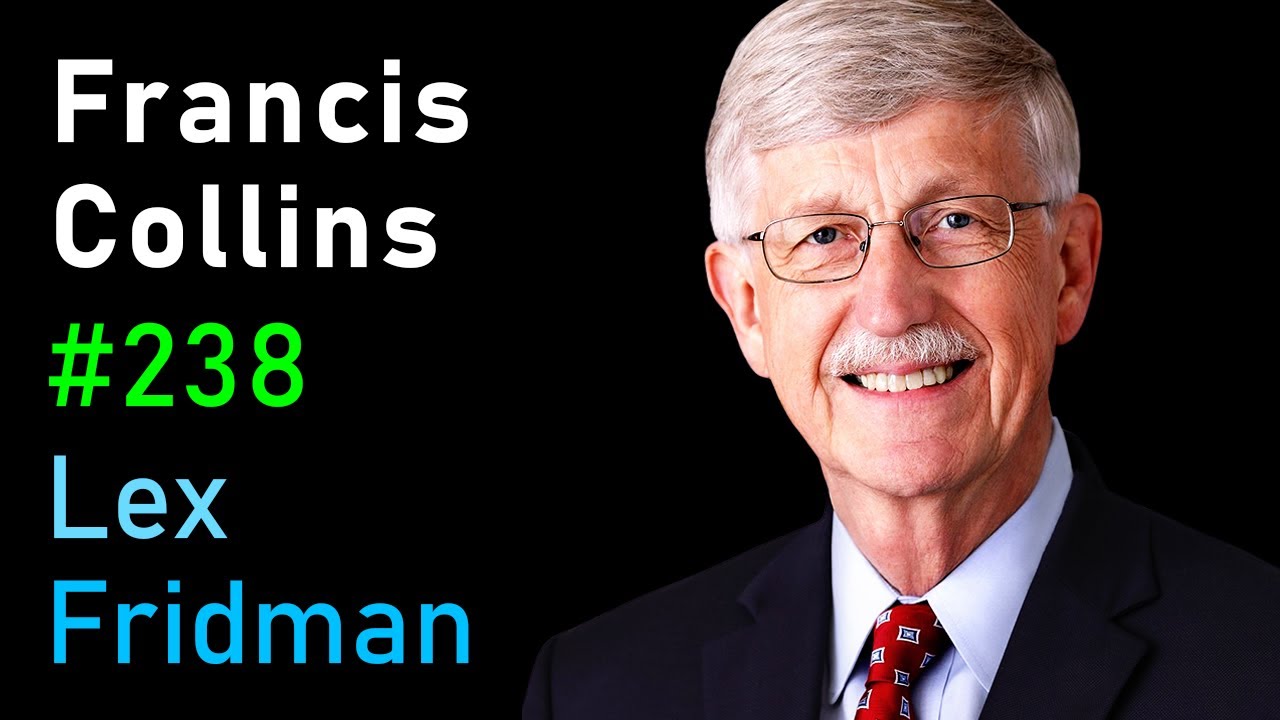 Francis Collins: National Institutes of Health (NIH)
More like this
1h 26m
Francis Collins: National Institutes of Health (NIH)
More like this
1h 26m
AI-generated summary · last refreshed 2026-06-06 22:03:41 · how we make these
Quotes are matched verbatim against the source transcript; references are checked to resolve to real URLs. Even so, AI can misread structure or attribute claims imperfectly. If you spot an error, please let us know.