Ann Druyan: Cosmos, Carl Sagan, Voyager, and the Beauty of Science
Core Takeaways
Voyager 1 and 2, launched over 42 years ago, remain operational and are the farthest human-made objects from Earth.
Why it matters
This demonstrates the longevity and resilience of 1970s engineering, still contributing to space exploration.
The Voyager Golden Record includes 27 pieces of music and scientific hieroglyphics, representing Earth's cultural diversity.
▶ 15:30
Why it matters
This record serves as a time capsule, showcasing humanity's achievements and aspirations to potential extraterrestrial audiences.
Ann Druyan believes the origin of life is a geophysical byproduct, suggesting life is more common in the universe than assumed.
▶ 17:45
Why it matters
This perspective challenges traditional views, implying that life could exist in many forms across the universe.
Seth MacFarlane's involvement was crucial for the cinematic and adventurous execution of Cosmos: A Spacetime Odyssey.
▶ 53:10
Why it matters
His support expanded the reach and impact of science communication, making it accessible to a global audience.
Ann Druyan reflects on the balance between skepticism and wonder, a hallmark of Carl Sagan's approach to science.
▶ 1:10:00
Why it matters
This balance is essential for scientific inquiry, fostering both critical thinking and a sense of awe.
Ask this episode Deep
A preview of how Deep chat answers, grounded in this episode with citations and timestamps:
Cite this episode
For papers, blog posts, anywhere.
Related episodes
Where to go next from this conversation.
More on these ideas
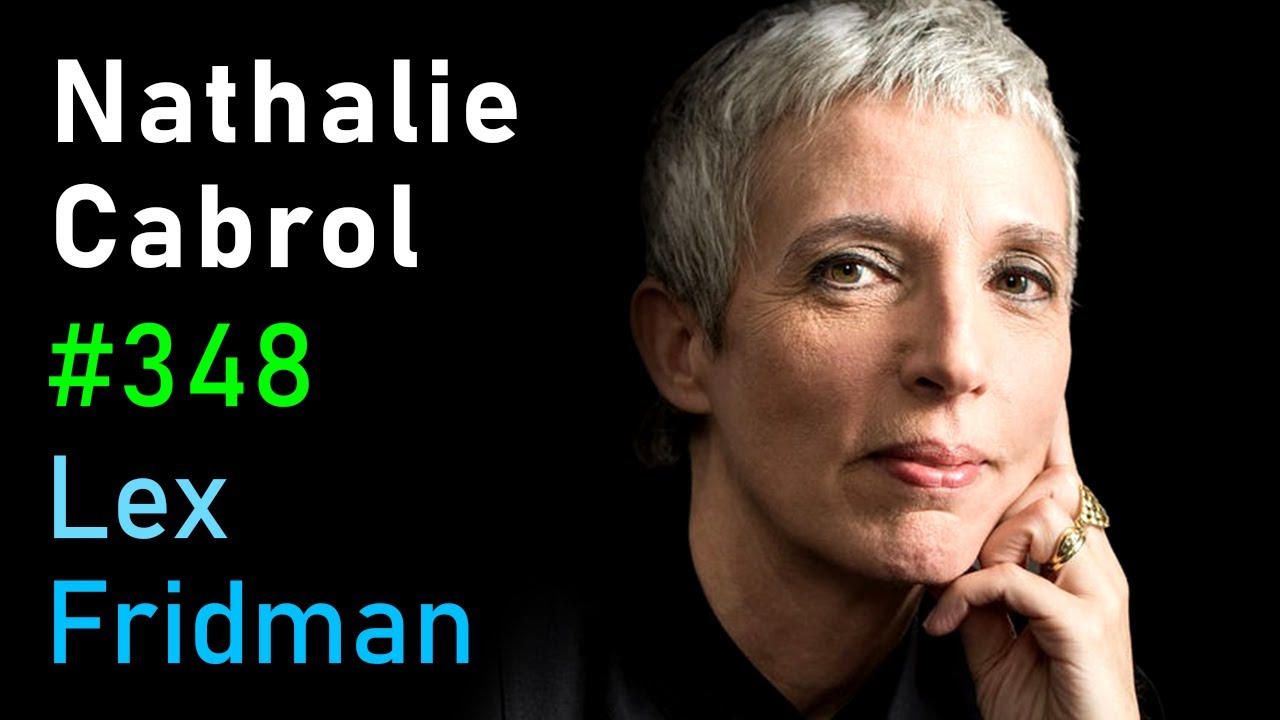 Nathalie Cabrol: Search for Alien Life
More like this
2h 6m
Nathalie Cabrol: Search for Alien Life
More like this
2h 6m
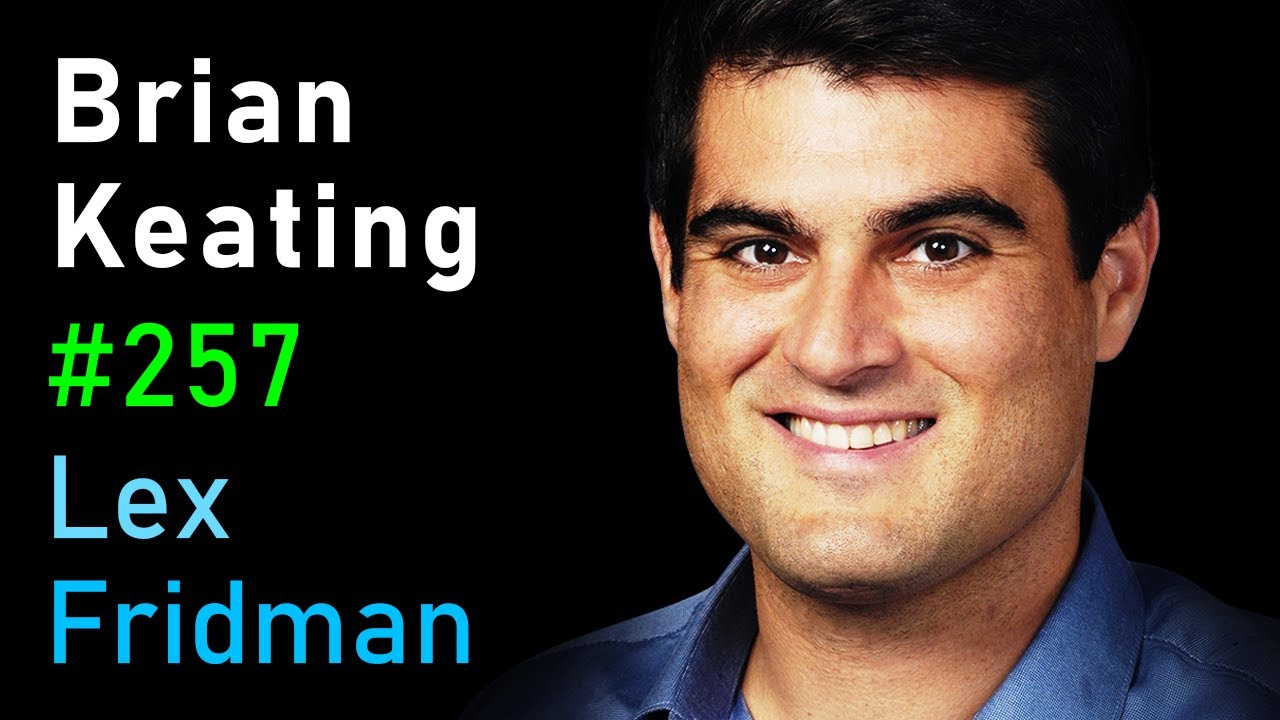 Brian Keating: Cosmology, Astrophysics, Aliens & Losing the Nobel Prize
Shares origin of life
3h 59m
Brian Keating: Cosmology, Astrophysics, Aliens & Losing the Nobel Prize
Shares origin of life
3h 59m
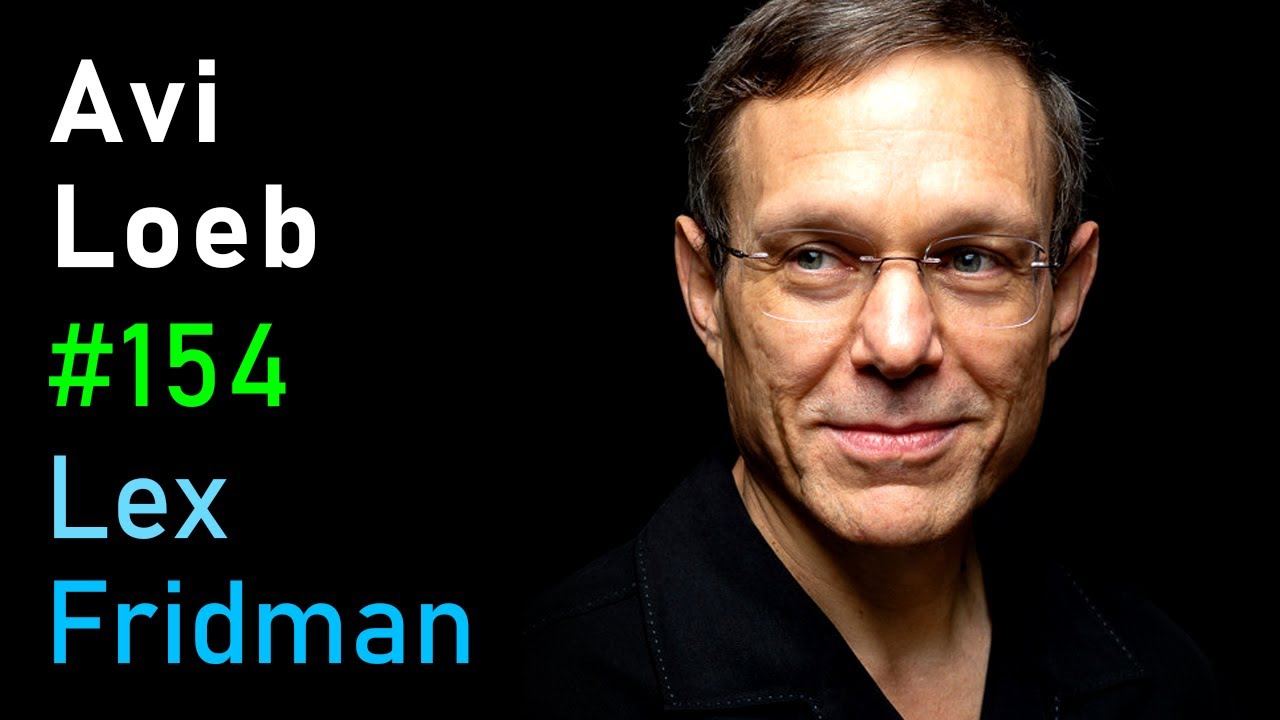 Avi Loeb: Aliens, Black Holes, and the Mystery of the Oumuamua
More like this
2h 43m
Avi Loeb: Aliens, Black Holes, and the Mystery of the Oumuamua
More like this
2h 43m
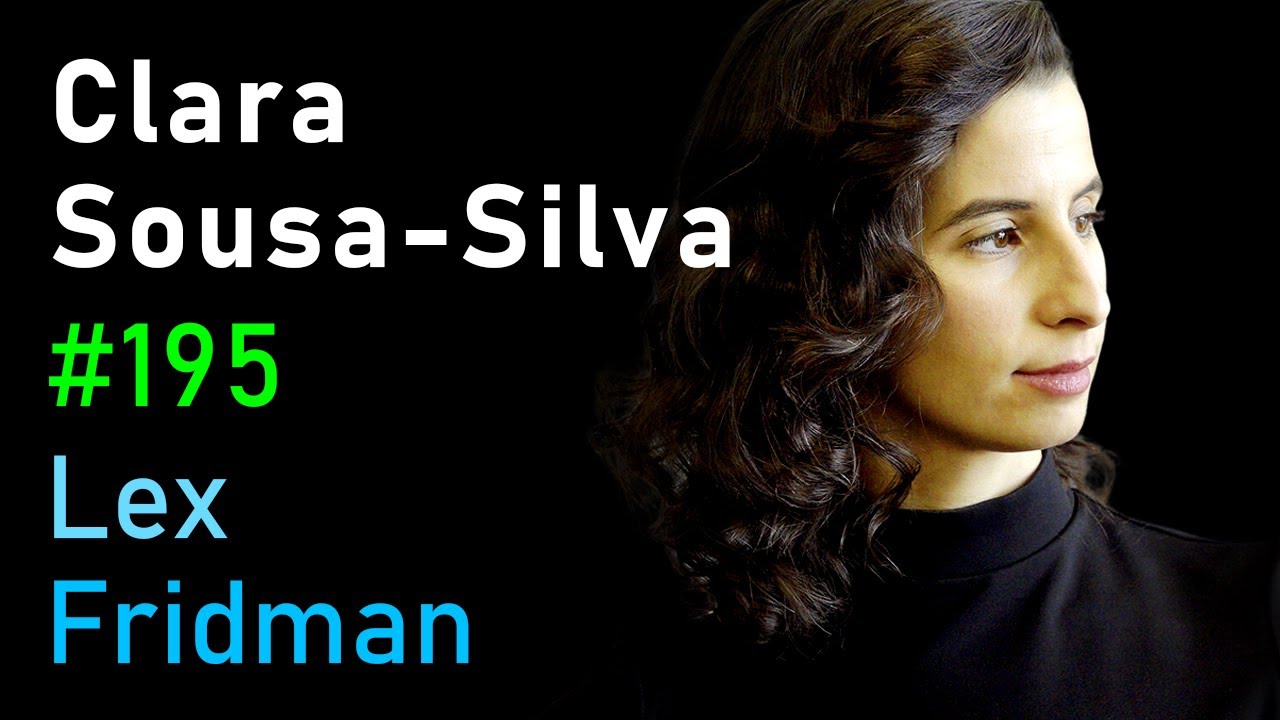 Clara Sousa-Silva: Searching for Signs of Life on Venus and Other Planets
More like this
1h 58m
Clara Sousa-Silva: Searching for Signs of Life on Venus and Other Planets
More like this
1h 58m
AI-generated summary · last refreshed 2026-06-06 23:01:10 · how we make these
Quotes are matched verbatim against the source transcript; references are checked to resolve to real URLs. Even so, AI can misread structure or attribute claims imperfectly. If you spot an error, please let us know.