Alex Garland: Ex Machina, Devs, Annihilation, and the Poetry of Science
Core Takeaways
Alex Garland views reality as a subjective dream state, not a simulation, influenced by scientific advancements.
▶ 5:00
Why it matters
This perspective shapes Garland's creative work, highlighting the influence of science on art.
Garland's 'Ex Machina' explores AI consciousness, challenging the notion of free will with deterministic implications.
▶ 15:00
Why it matters
Understanding AI's potential to predict human actions could disturb societal notions of autonomy.
Social media algorithms create echo chambers, driven by biases of their creators, likened to 80s Wall Street capitalism.
▶ 30:00
Why it matters
Algorithmic biases can distort information flow, impacting societal understanding and behavior.
Garland critiques the portrayal of lone geniuses in media, emphasizing the collective effort in technological advancements.
▶ 45:00
Why it matters
Recognizing collective contributions prevents oversimplification and acknowledges the complexity of innovation.
Quantum mechanics' poetic beauty inspires Garland, seeing science as inherently lyrical.
▶ 1:00:00
Why it matters
Viewing science as poetic can inspire new ways of thinking about and communicating scientific concepts.
Ask this episode Deep
A preview of how Deep chat answers, grounded in this episode with citations and timestamps:
Cite this episode
For papers, blog posts, anywhere.
Related episodes
Where to go next from this conversation.
More on these ideas
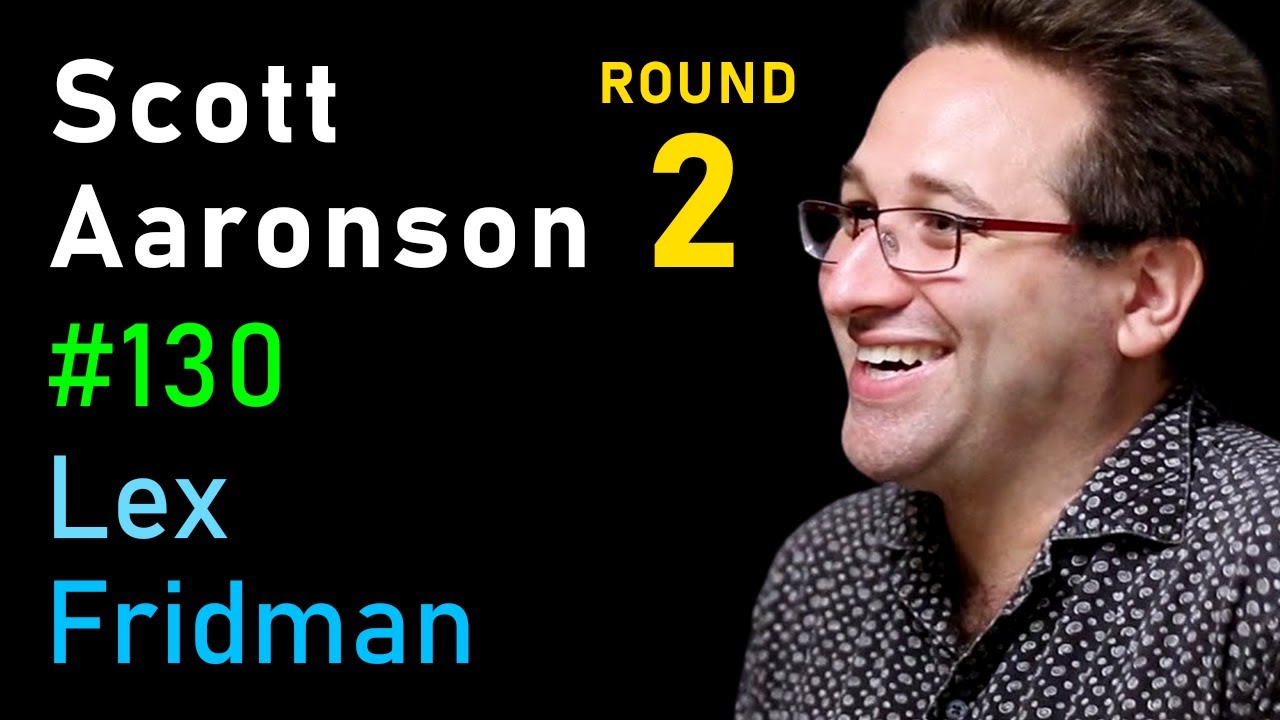 Scott Aaronson: Computational Complexity and Consciousness
Shares simulation, consciousness
1h 52m
Scott Aaronson: Computational Complexity and Consciousness
Shares simulation, consciousness
1h 52m
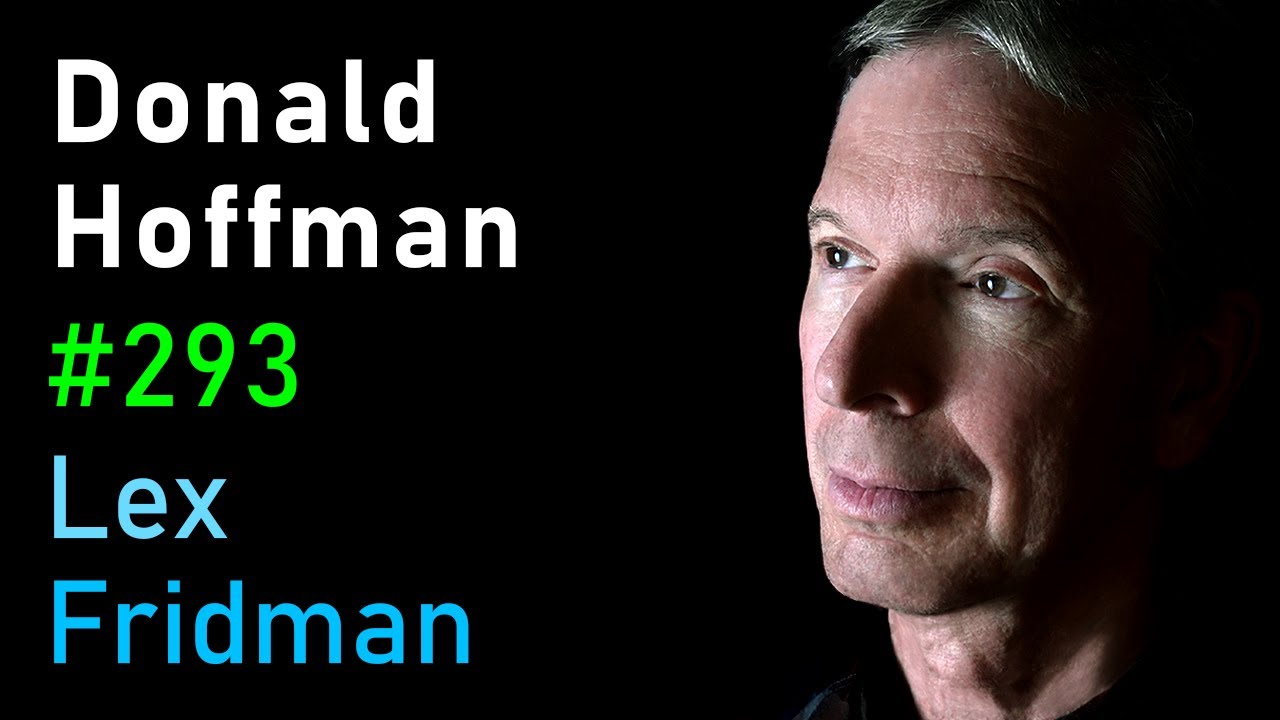 Donald Hoffman: Reality is an Illusion - How Evolution Hid the Truth
Shares consciousness
3h 16m
Donald Hoffman: Reality is an Illusion - How Evolution Hid the Truth
Shares consciousness
3h 16m
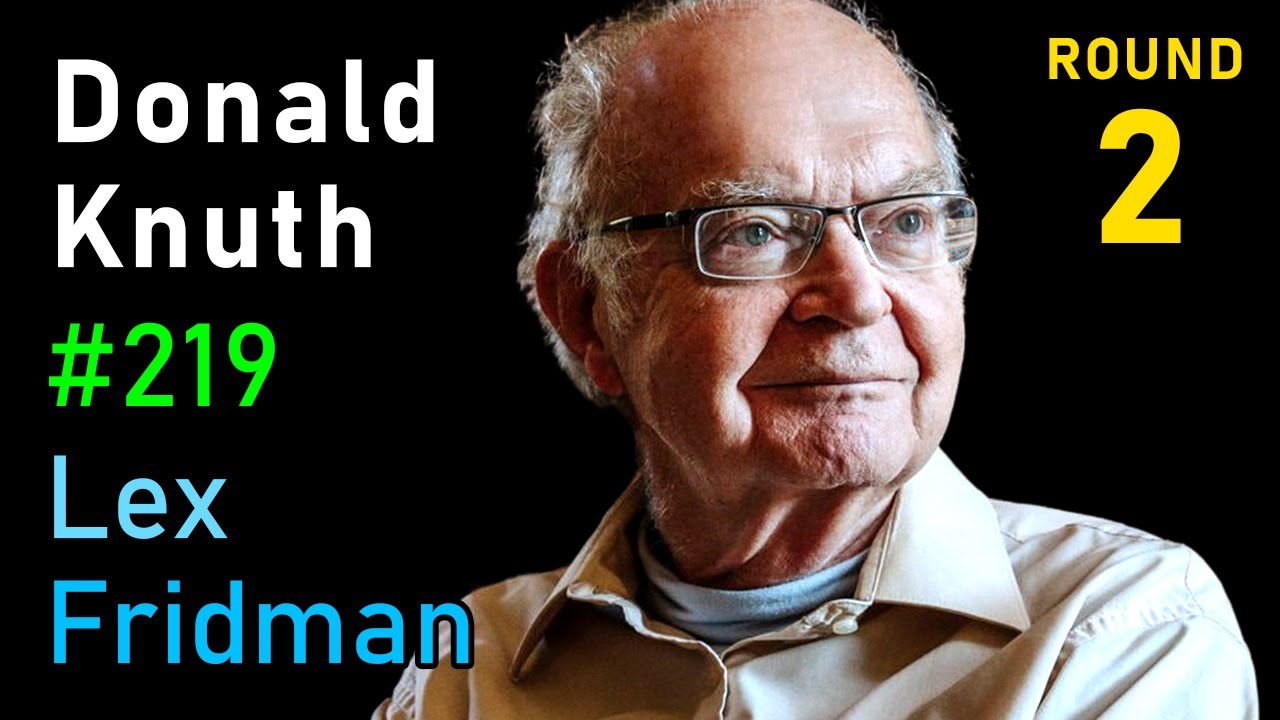 Donald Knuth: Programming, Algorithms, Hard Problems & the Game of Life
Shares consciousness
2h 21m
Donald Knuth: Programming, Algorithms, Hard Problems & the Game of Life
Shares consciousness
2h 21m
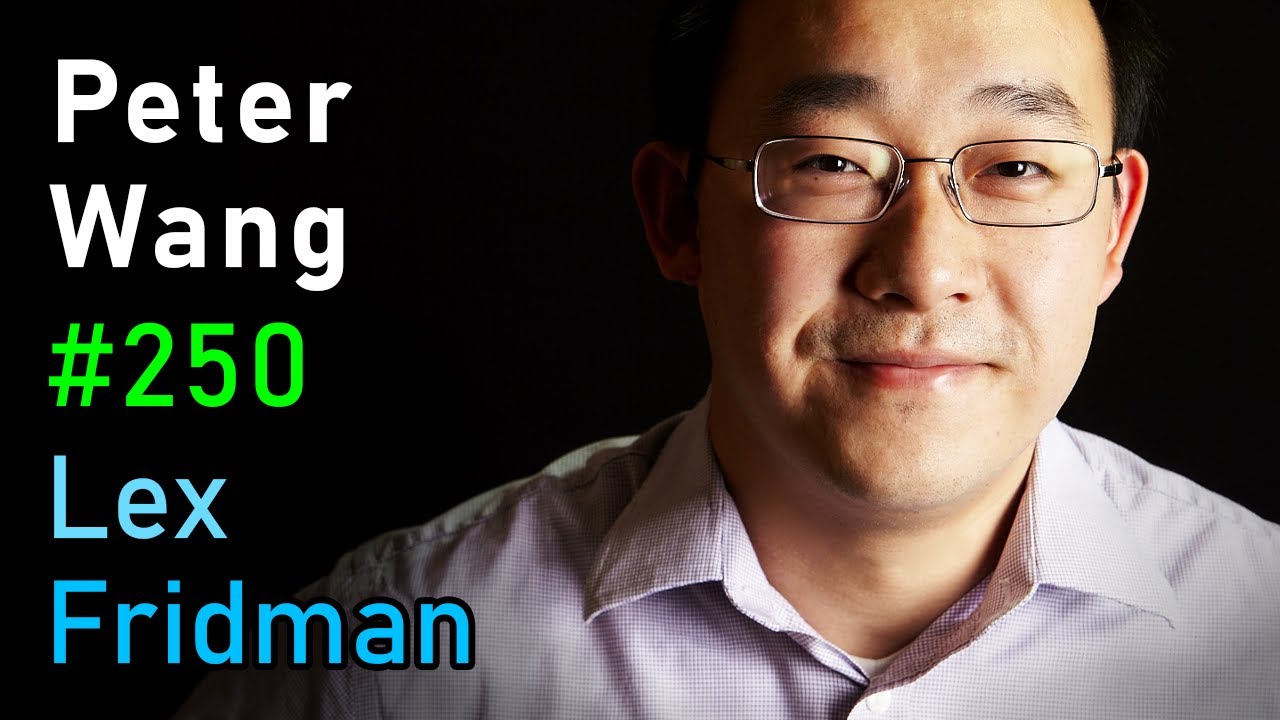 Peter Wang: Python and the Source Code of Humans, Computers, and Reality
Shares consciousness
2h 46m
Peter Wang: Python and the Source Code of Humans, Computers, and Reality
Shares consciousness
2h 46m
AI-generated summary · last refreshed 2026-06-06 23:02:19 · how we make these
Quotes are matched verbatim against the source transcript; references are checked to resolve to real URLs. Even so, AI can misread structure or attribute claims imperfectly. If you spot an error, please let us know.