John Hopfield: Physics View of the Mind and Neurobiology
Core Takeaways
Hopfield networks catalyzed deep learning by modeling associative memory, but they don't capture learning dynamics.
▶ 1:00
Why it matters
This highlights the foundational role of Hopfield networks in AI, despite their limitations in modeling learning.
Biological neural networks adapt and evolve, unlike static artificial networks, offering insights into efficient memory retrieval.
▶ 2:30
Why it matters
Biological adaptability suggests potential improvements for artificial systems, especially in memory efficiency.
Neurobiology's future may involve understanding brain functions through collective neural activity, akin to physics equations.
▶ 15:00
Why it matters
This approach could revolutionize neuroscience by providing a framework similar to physics for understanding the brain.
Artificial neural networks struggle with generalization outside their training set, limiting their broader applicability.
▶ 30:00
Why it matters
Understanding these limitations is crucial for developing AI that can handle novel situations effectively.
Ask this episode Deep
A preview of how Deep chat answers, grounded in this episode with citations and timestamps:
Cite this episode
For papers, blog posts, anywhere.
Related episodes
Where to go next from this conversation.
More on these ideas
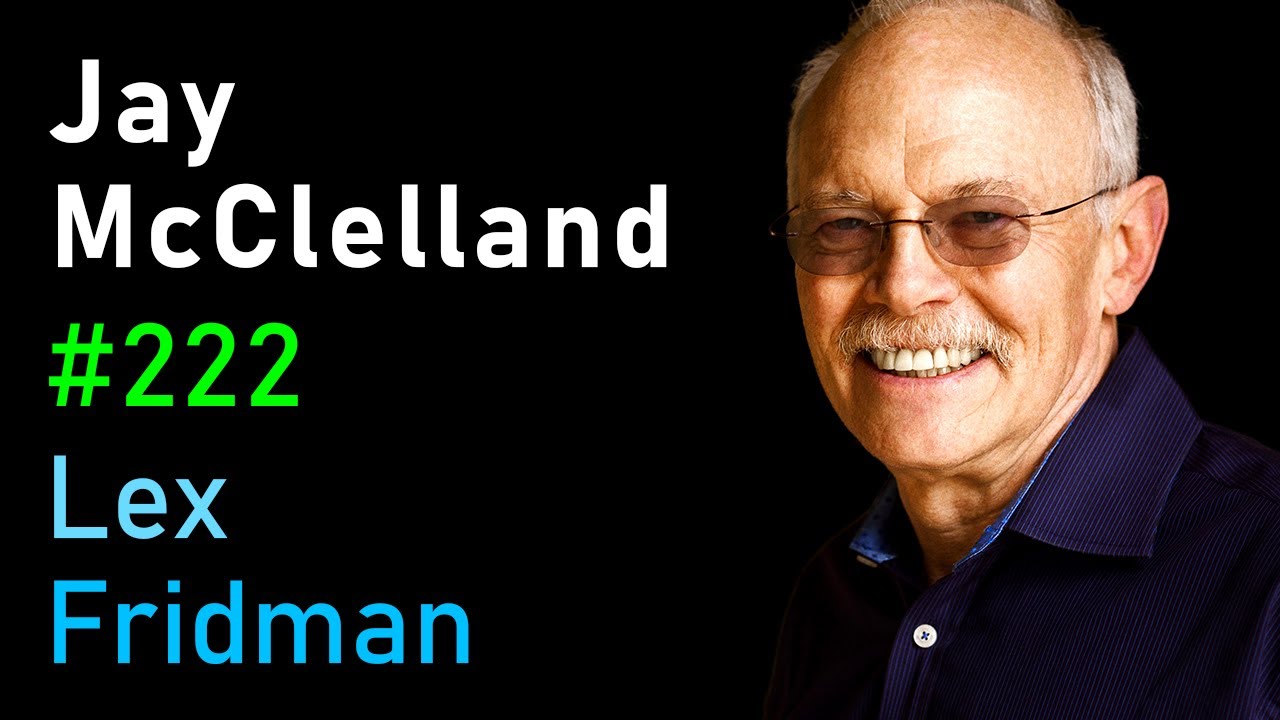 Jay McClelland: Neural Networks and the Emergence of Cognition
Shares neural networks, evolution
2h 31m
Jay McClelland: Neural Networks and the Emergence of Cognition
Shares neural networks, evolution
2h 31m
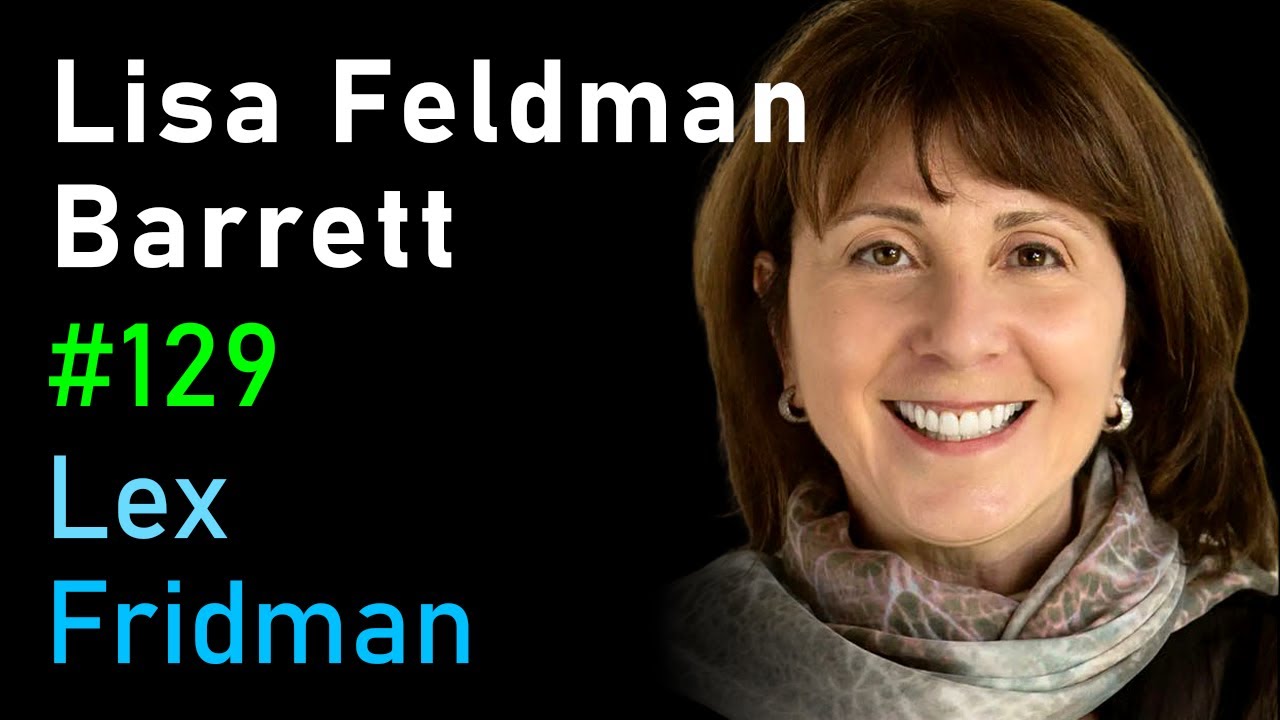 Lisa Feldman Barrett: Counterintuitive Ideas About How the Brain Works
Shares evolution
2h 20m
Lisa Feldman Barrett: Counterintuitive Ideas About How the Brain Works
Shares evolution
2h 20m
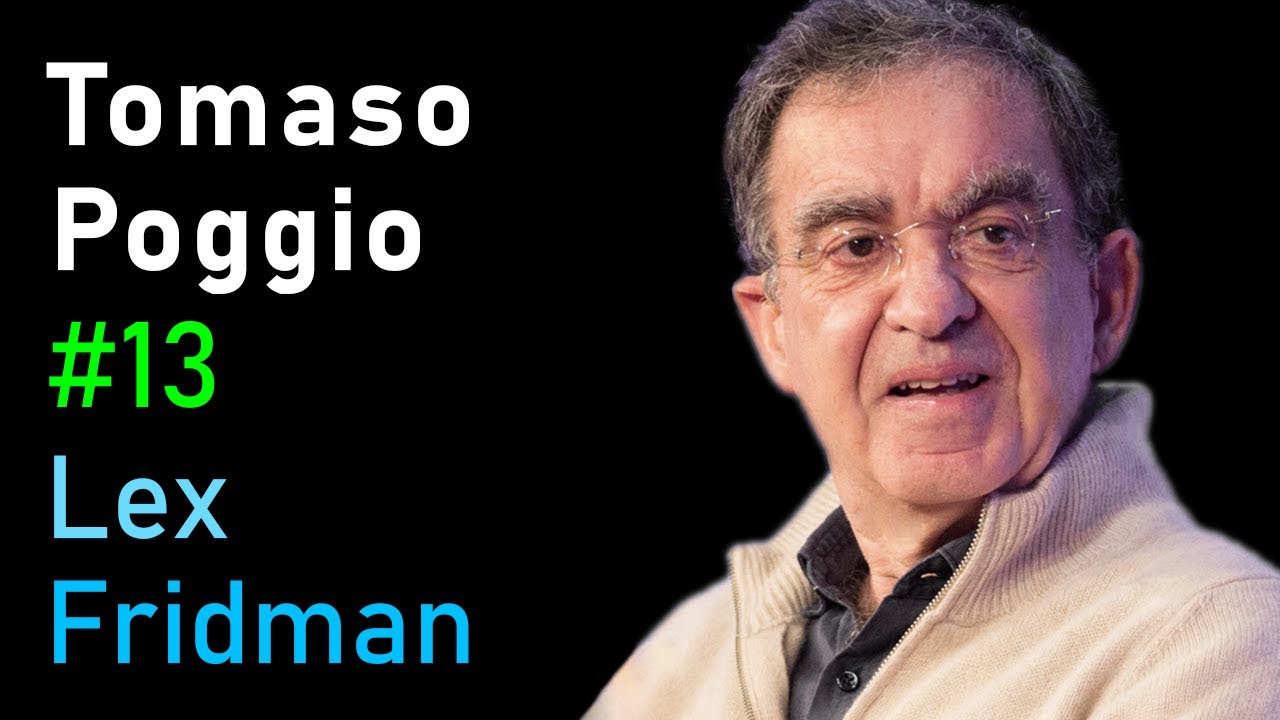 Tomaso Poggio: Brains, Minds, and Machines
Shares neural networks
1h 20m
Tomaso Poggio: Brains, Minds, and Machines
Shares neural networks
1h 20m
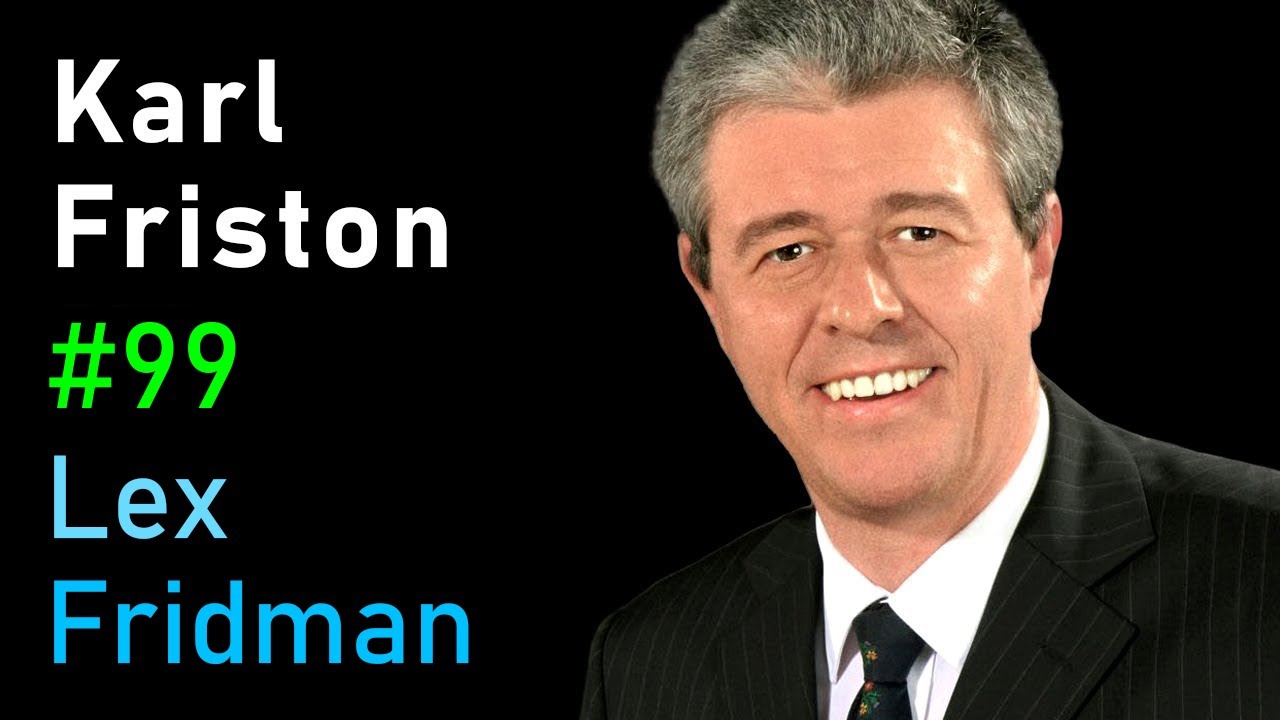 Karl Friston: Neuroscience and the Free Energy Principle
Shares consciousness
1h 29m
Karl Friston: Neuroscience and the Free Energy Principle
Shares consciousness
1h 29m
AI-generated summary · last refreshed 2026-06-06 23:03:05 · how we make these
Quotes are matched verbatim against the source transcript; references are checked to resolve to real URLs. Even so, AI can misread structure or attribute claims imperfectly. If you spot an error, please let us know.