Lisa Feldman Barrett: Counterintuitive Ideas About How the Brain Works
Core Takeaways
Emotions are constructed from past experiences rather than being innate reflexes.
▶ 25:00
Why it matters
This shifts the understanding of emotions from fixed responses to context-dependent constructions, affecting psychological and therapeutic approaches.
The triune brain model is misleading and not supported by evolutionary neuroscience.
▶ 1:15:00
Why it matters
This debunks a popular but inaccurate model, refining our understanding of brain evolution and function.
Social interactions can regulate nervous systems, akin to mental telepathy.
▶ 35:00
Why it matters
This highlights the profound impact of communication on mental states, influencing social and therapeutic practices.
Neurons use both digital and analog signals, with noise influencing information processing.
▶ 1:40:00
Why it matters
This suggests that randomness in neural communication could play a role in cognition and free will, impacting neuroscience models.
Ask this episode Deep
A preview of how Deep chat answers, grounded in this episode with citations and timestamps:
Cite this episode
For papers, blog posts, anywhere.
Related episodes
Where to go next from this conversation.
More from Lisa Feldman Barrett
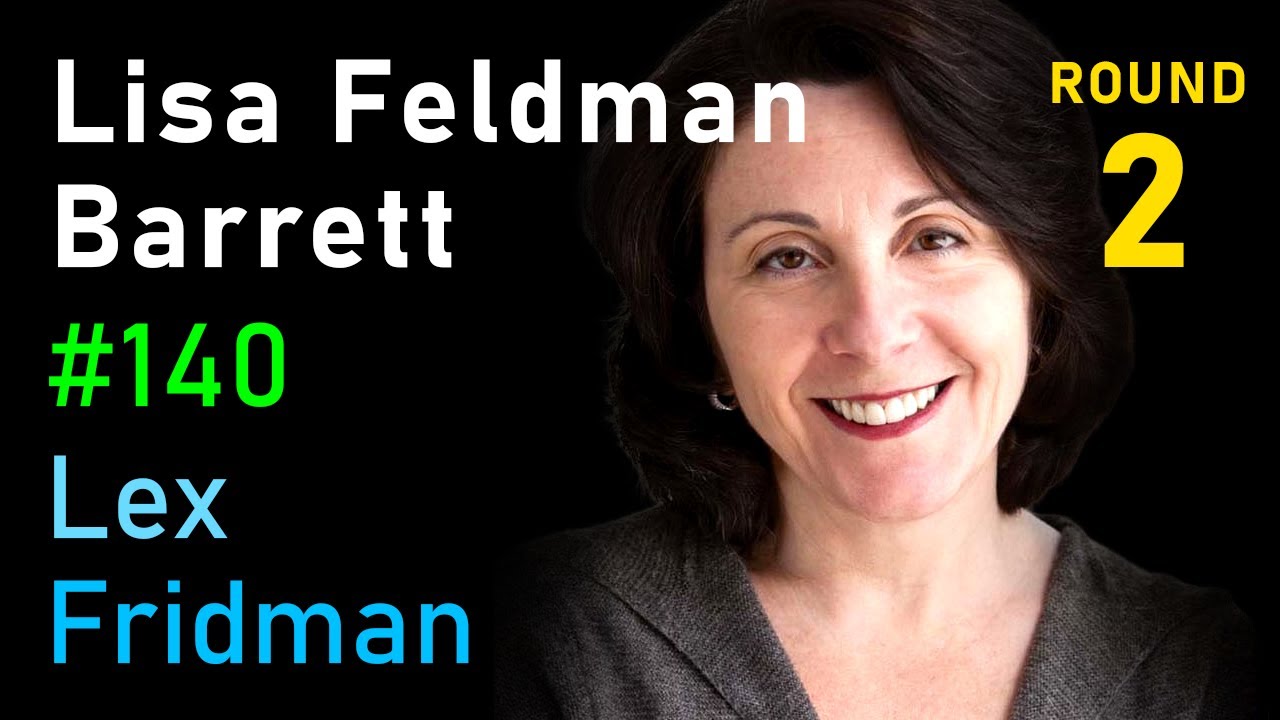
More on these ideas
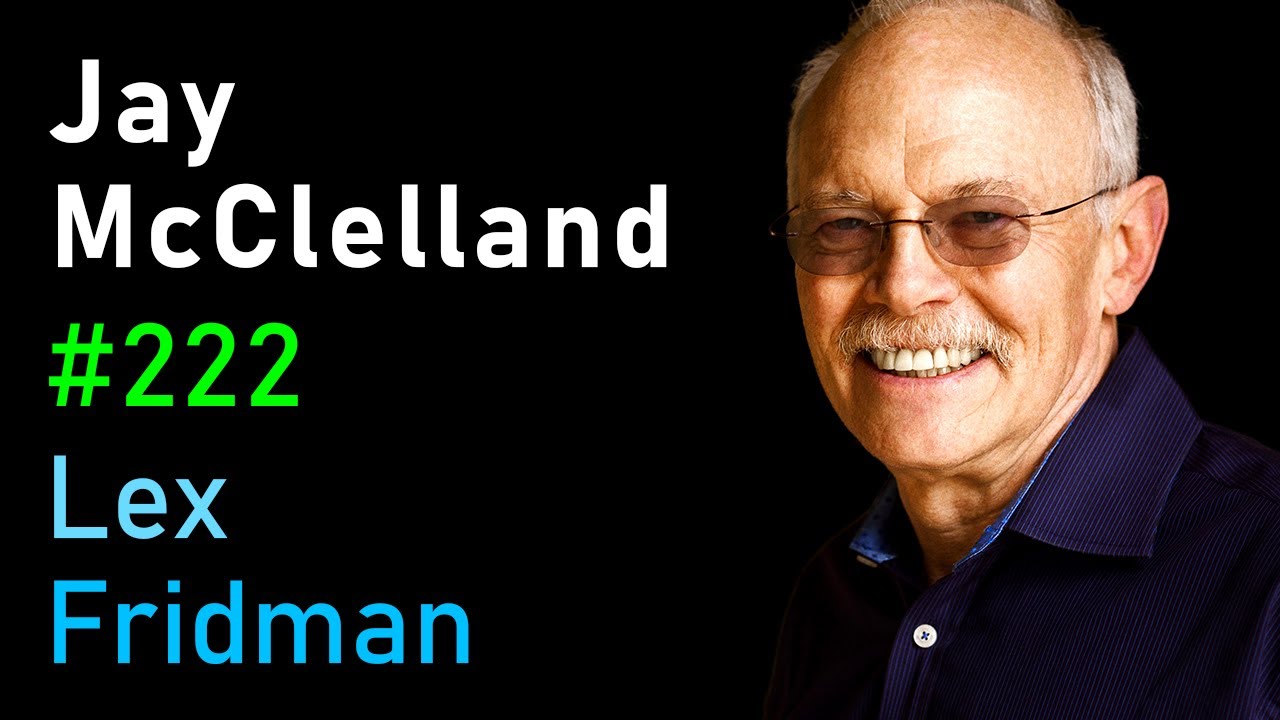 Jay McClelland: Neural Networks and the Emergence of Cognition
Shares evolution
2h 31m
Jay McClelland: Neural Networks and the Emergence of Cognition
Shares evolution
2h 31m
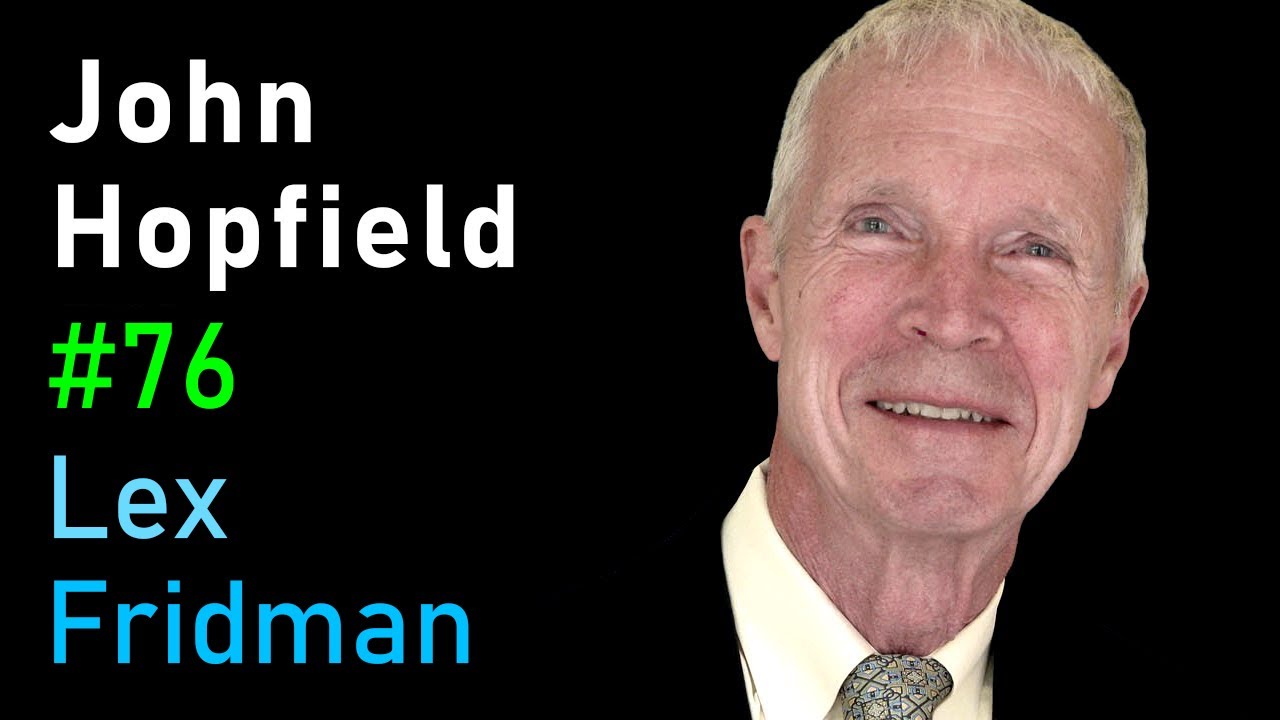 John Hopfield: Physics View of the Mind and Neurobiology
Shares evolution
1h 12m
John Hopfield: Physics View of the Mind and Neurobiology
Shares evolution
1h 12m
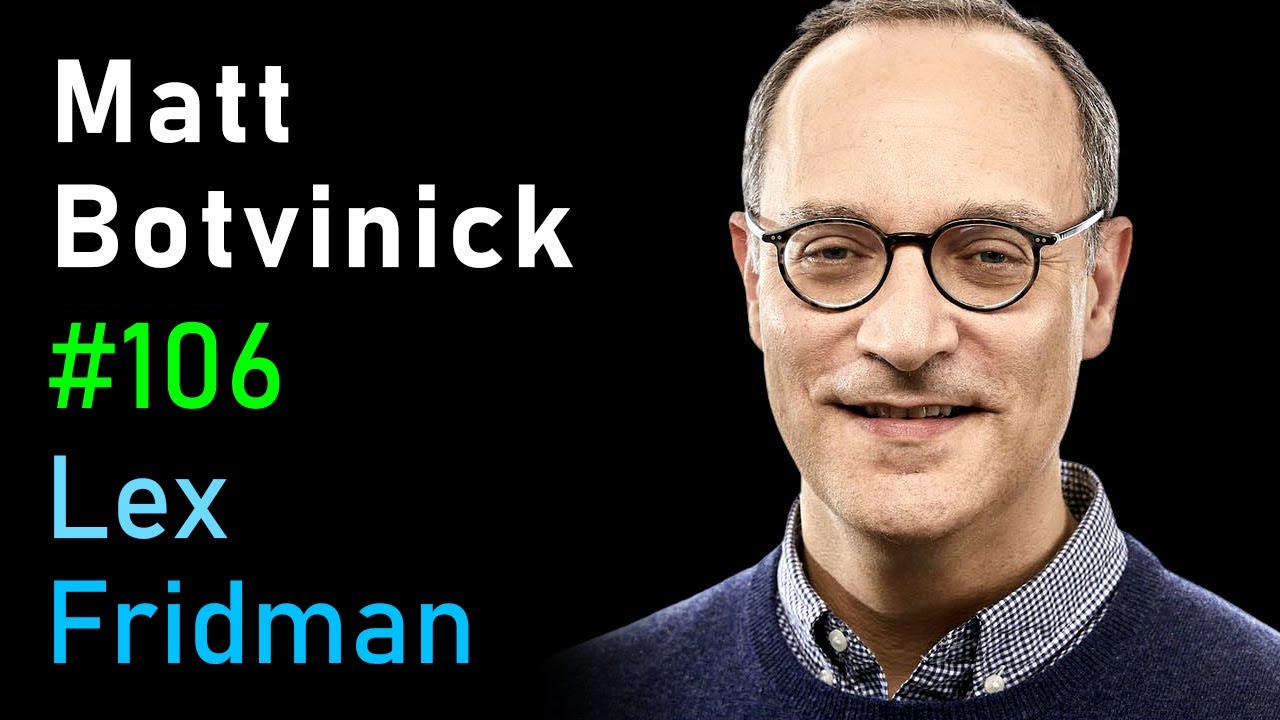 Matt Botvinick: Neuroscience, Psychology, and AI at DeepMind
Shares neuroscience
2h
Matt Botvinick: Neuroscience, Psychology, and AI at DeepMind
Shares neuroscience
2h
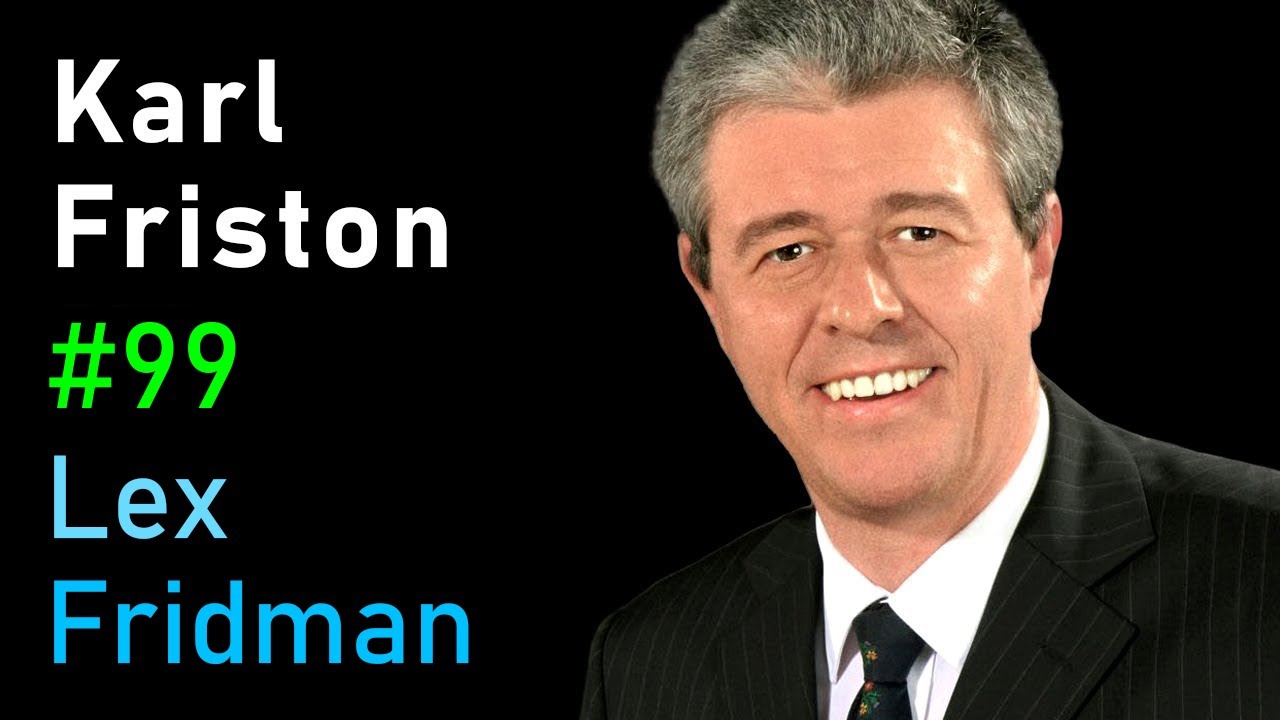 Karl Friston: Neuroscience and the Free Energy Principle
Shares neuroscience
1h 29m
Karl Friston: Neuroscience and the Free Energy Principle
Shares neuroscience
1h 29m
AI-generated summary · last refreshed 2026-06-06 22:09:05 · how we make these
Quotes are matched verbatim against the source transcript; references are checked to resolve to real URLs. Even so, AI can misread structure or attribute claims imperfectly. If you spot an error, please let us know.