Skip to content
TLexDR
Episodes / Stephen Kotkin: Stalin, Putin, and the Nature of Power

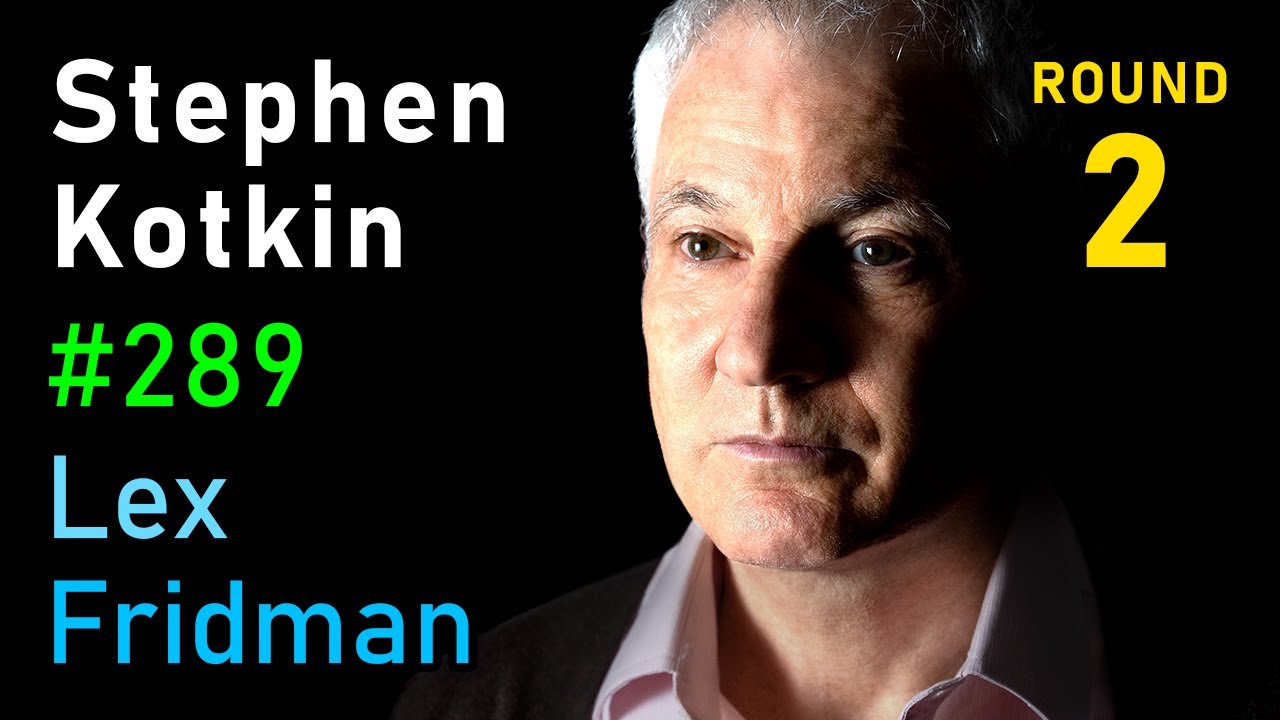
Stephen Kotkin: Stalin, Putin, and the Nature of Power

05-28-26 ▶ 1h 37m 📖 3 min read
Core Takeaways
Stalin's power was facilitated by Lenin's creation of the general secretary position, tailored for Stalin's skills.
Why it matters This highlights how institutional roles can be manipulated to concentrate power in the hands of a single individual.
Putin's popularity in Russia is partly due to a lack of viable alternatives and economic growth during his early terms.
Why it matters Understanding this dynamic is crucial for analyzing the stability and potential shifts in Russian political landscape.
The American system's constraints on executive power prevent the kind of unchecked authority seen in authoritarian regimes.
Why it matters These constraints are vital for maintaining democratic governance and preventing authoritarianism.
Stalin's appeal was driven by his commitment to communism and Russian state interests, not just personal power. ▶ 1:00:00
Why it matters This distinction is critical for understanding the ideological motivations behind Stalin's actions and his historical impact.
The potential casualties in a hypothetical World War III could reach 555 million, far surpassing World War II's toll.
Why it matters The staggering potential loss underscores the catastrophic risks of unchecked great power conflicts.

Detailed Insights

Stalin's Rise to Power
+
Stalin's power was enabled by Lenin's creation of the general secretary position.
His organizational skills were crucial for his rise.
Stalin's appeal was due to his ideological commitment and state interests.
Putin's Popularity and Economic Growth
+
Putin's popularity is partly due to economic growth during his early terms.
The lack of viable political alternatives reinforces his position.
Russia's economic revival was aided by China's demand for Soviet-era products.
American vs. Russian Power Structures
+
American system's constraints prevent unchecked power.
Many Americans express a desire for authoritarian leadership despite democratic norms.
Institutional constraints are fundamental to preventing extremism in leadership.
Potential for Great Power Conflict
+
World War II resulted in 55 million deaths.
A hypothetical World War III could result in 555 million casualties.

How the conversation moved

The conversation begins with Kotkin framing the central question around the nature of power and leadership, contrasting the American and Russian systems. He highlights how Stalin's rise to power was facilitated by Lenin's creation of the general secretary position, which was specifically designed for Stalin's organizational skills. This institutional design allowed Stalin to consolidate power effectively, contrasting with the American system where power is intentionally constrained to prevent authoritarianism.

Kotkin argues that Putin's popularity in Russia is not solely due to his personal appeal but also because of the lack of viable political alternatives and the economic growth during his early terms. He provides concrete evidence of Russia's economic revival, noting the average economic growth of 7% per year during Putin's first two terms, which was supported by China's demand for Soviet-era products. This discussion highlights the socio-economic dynamics that reinforce Putin's position.

Lex doesn't challenge Kotkin's framing directly, but the conversation implicitly raises the question of whether Russia could develop a system with similar constraints to the American model. The absence of pushback moments suggests a consensus on the need for institutional reform in Russia to prevent the concentration of power. However, the conversation does not delve into how such reforms could be realistically implemented given the current political climate.

The discussion concludes with an exploration of the catastrophic potential of great power conflicts, emphasizing the importance of managing international interests to avoid war. Kotkin notes that a hypothetical World War III could result in 555 million casualties, far surpassing World War II's toll. The conversation ends on a note of caution, underscoring the need for careful international management to prevent such a humanitarian catastrophe.

Surprising moments

Stephen Kotkin
Kotkin claims that the primary victims of Putin's power are Russians, not Ukrainians or Americans.
Share this quote X Bluesky LinkedIn Email Download card
Stephen Kotkin
Kotkin highlights the role of China's demand for Soviet-era products in Russia's economic revival, not just oil prices.

Topics Covered

Stalin's Rise to Power Putin's Popularity and Economic Growth American vs. Russian Power Structures Potential for Great Power Conflict

Memorable Quotes

"Absolute power corrupts absolutely." — Stephen Kotkin
"The primary victims of President Putin's power are Russians. They're not Ukrainians, although to a certain extent Ukraine has suffered because of Putin's actions. And they're not Americans. They're Russians." — said_on_episode
"Stalin was a true believer, and this is very important. He was also hungry for power and for personal power, but just as you said, not for power's sake, not only for power." — said_on_episode

Still open

Unresolved by the end of the conversation

  • What realistic steps could Russia take to implement institutional reforms similar to the American model?

Jargon glossary

general secretary
A key position in the Communist Party, originally created by Lenin, which Stalin used to consolidate power.
Soviet-era products
Goods and services produced during the Soviet Union, which saw renewed demand in the 2000s, aiding Russia's economy.

References & Resources

The Communist Manifesto by Karl Marx book

For the specialist

What a senior practitioner would find new

  • Stalin's organizational skills were crucial for his rise, facilitated by Lenin's creation of the general secretary position tailored for him.
  • Russia's economic revival in the 2000s was significantly driven by China's demand for Soviet-era products, not just oil prices.

Ask this episode Deep

A preview of how Deep chat answers, grounded in this episode with citations and timestamps:

Cite this episode

For papers, blog posts, anywhere.

Copied!

Related episodes

Where to go next from this conversation.

AI-generated summary · last refreshed 2026-06-08 17:07:05 · how we make these

Quotes are matched verbatim against the source transcript; references are checked to resolve to real URLs. Even so, AI can misread structure or attribute claims imperfectly. If you spot an error, please let us know.

Report an inaccuracy →