Stephen Kotkin: Stalin, Putin, and the Nature of Power
Core Takeaways
Stalin's power was facilitated by Lenin's creation of the general secretary position, tailored for Stalin's skills.
Why it matters
This highlights how institutional roles can be manipulated to concentrate power in the hands of a single individual.
Putin's popularity in Russia is partly due to a lack of viable alternatives and economic growth during his early terms.
Why it matters
Understanding this dynamic is crucial for analyzing the stability and potential shifts in Russian political landscape.
The American system's constraints on executive power prevent the kind of unchecked authority seen in authoritarian regimes.
Why it matters
These constraints are vital for maintaining democratic governance and preventing authoritarianism.
Stalin's appeal was driven by his commitment to communism and Russian state interests, not just personal power.
▶ 1:00:00
Why it matters
This distinction is critical for understanding the ideological motivations behind Stalin's actions and his historical impact.
The potential casualties in a hypothetical World War III could reach 555 million, far surpassing World War II's toll.
Why it matters
The staggering potential loss underscores the catastrophic risks of unchecked great power conflicts.
Ask this episode Deep
A preview of how Deep chat answers, grounded in this episode with citations and timestamps:
Cite this episode
For papers, blog posts, anywhere.
Related episodes
Where to go next from this conversation.
More from Stephen Kotkin
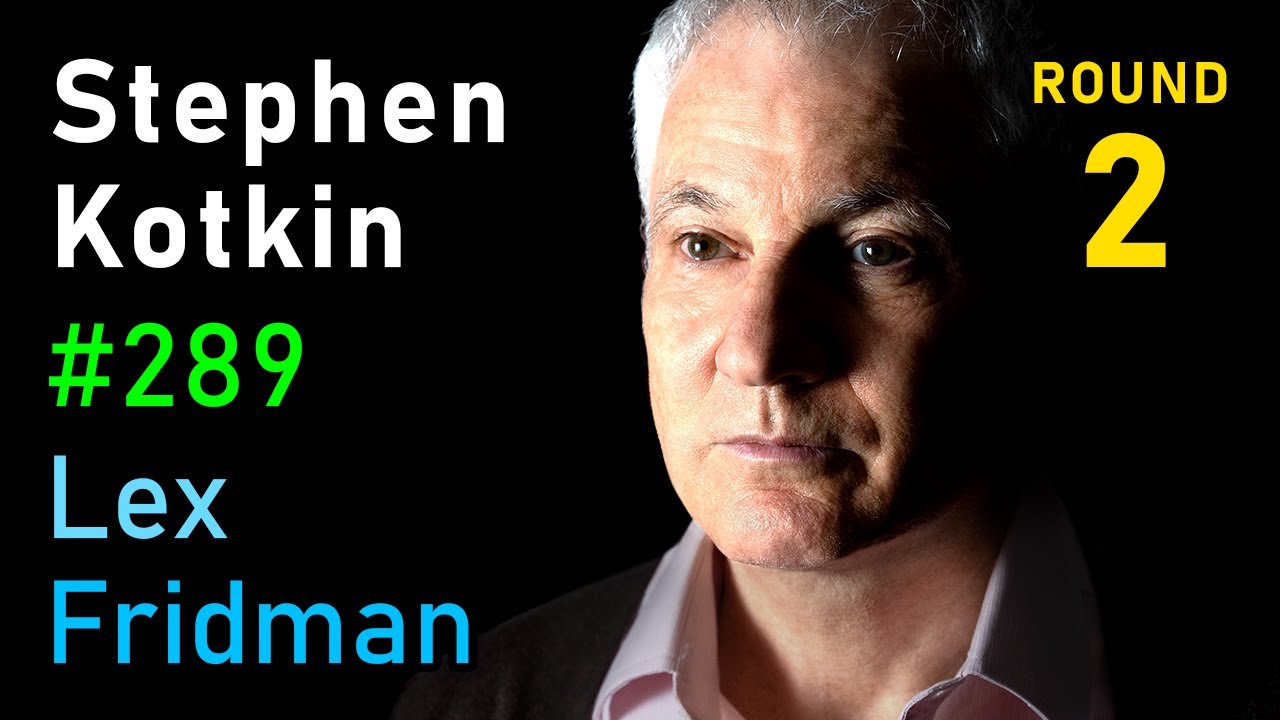
More on these ideas
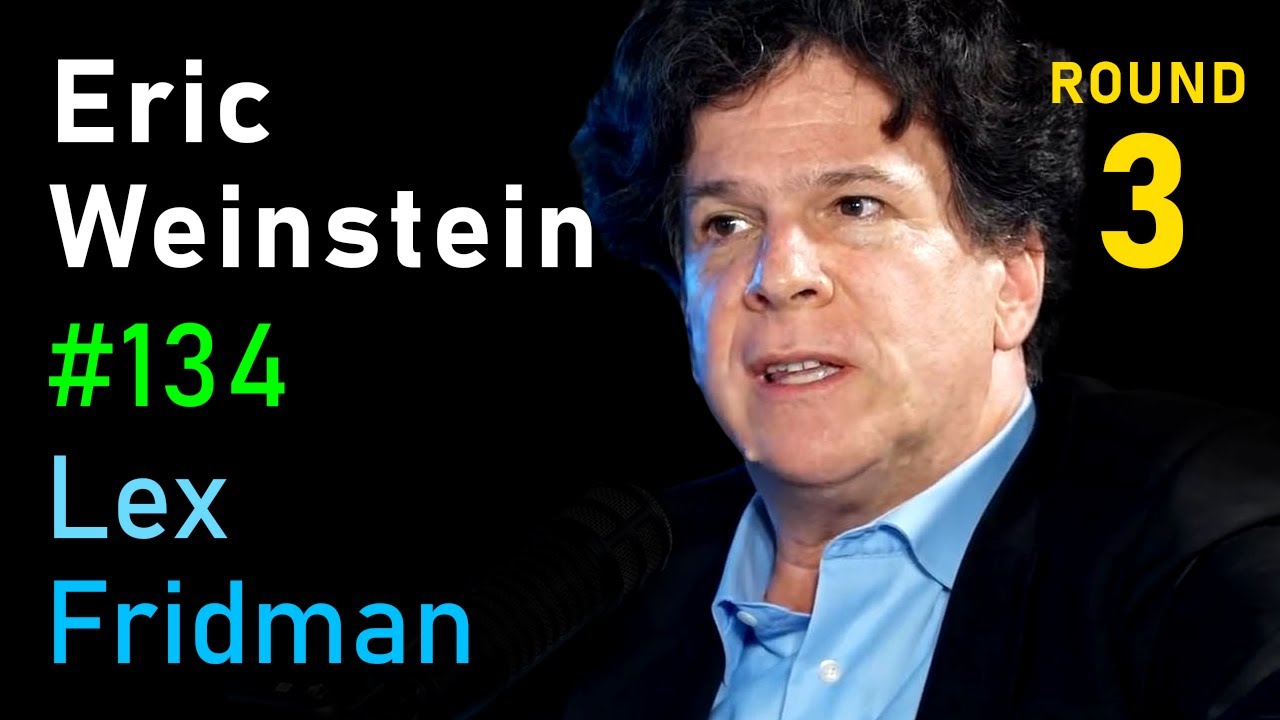 Eric Weinstein: On the Nature of Good and Evil, Genius and Madness
More like this
2h 51m
Eric Weinstein: On the Nature of Good and Evil, Genius and Madness
More like this
2h 51m
 Vejas Liulevicius: Communism, Marxism, Nazism, Stalin, Mao, and Hitler
Shares Stalinism
3h 31m
Vejas Liulevicius: Communism, Marxism, Nazism, Stalin, Mao, and Hitler
Shares Stalinism
3h 31m
 Chris Blattman: War and Violence
More like this
2h 48m
Chris Blattman: War and Violence
More like this
2h 48m
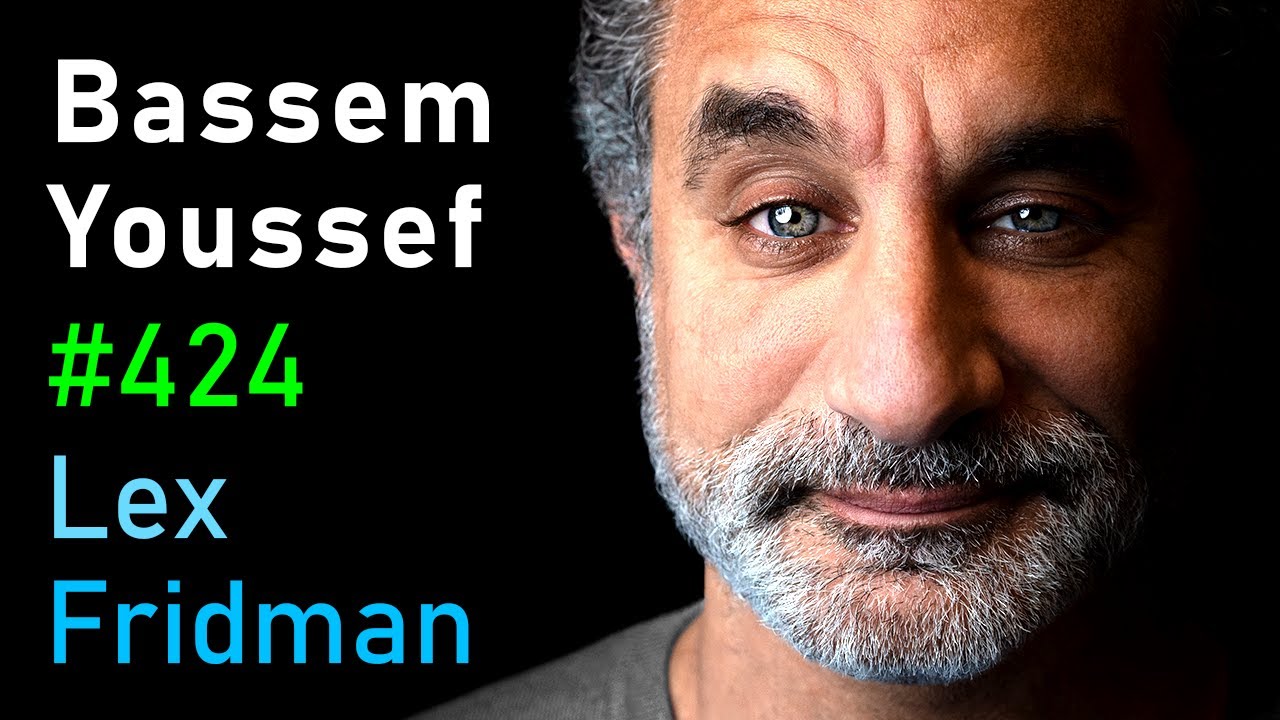 Bassem Youssef: Israel-Palestine, Gaza, Hamas, Middle East, Satire & Fame
More like this
2h 43m
Bassem Youssef: Israel-Palestine, Gaza, Hamas, Middle East, Satire & Fame
More like this
2h 43m
AI-generated summary · last refreshed 2026-06-08 17:07:05 · how we make these
Quotes are matched verbatim against the source transcript; references are checked to resolve to real URLs. Even so, AI can misread structure or attribute claims imperfectly. If you spot an error, please let us know.