Dave Smith: Israel, Hamas, Ukraine, Russia, Conspiracies & Antisemitism
Core Takeaways
Dave Smith argues the Iraq War bankrupted the U.S. and nearly destroyed the dollar without accountability for those responsible.
▶ 1:00
Why it matters
This highlights the lack of accountability in U.S. foreign policy, suggesting systemic issues in governance.
Smith claims the military-industrial complex perpetuates conflict, citing 'insurgent math' where killing insurgents creates more enemies.
▶ 20:00
Why it matters
This suggests a self-perpetuating cycle of violence driven by vested interests, complicating peace efforts.
Smith critiques Israel's policies, arguing that its control over Palestinian territories challenges its democratic status.
▶ 50:00
Why it matters
This challenges the narrative of Israel as a democracy, impacting international perceptions and policy.
Smith asserts that NATO expansion provoked Russia, contributing to the Ukraine conflict, citing George Kennan's warnings.
▶ 1:30:00
Why it matters
This suggests that ignoring historical warnings can lead to geopolitical instability and conflict.
Smith highlights the lack of accountability in American institutions, suggesting potential for new political leadership.
▶ 2:00:00
Why it matters
This indicates a potential shift in political dynamics, opening opportunities for new leadership models.
Ask this episode Deep
A preview of how Deep chat answers, grounded in this episode with citations and timestamps:
Cite this episode
For papers, blog posts, anywhere.
Related episodes
Where to go next from this conversation.
More on these ideas
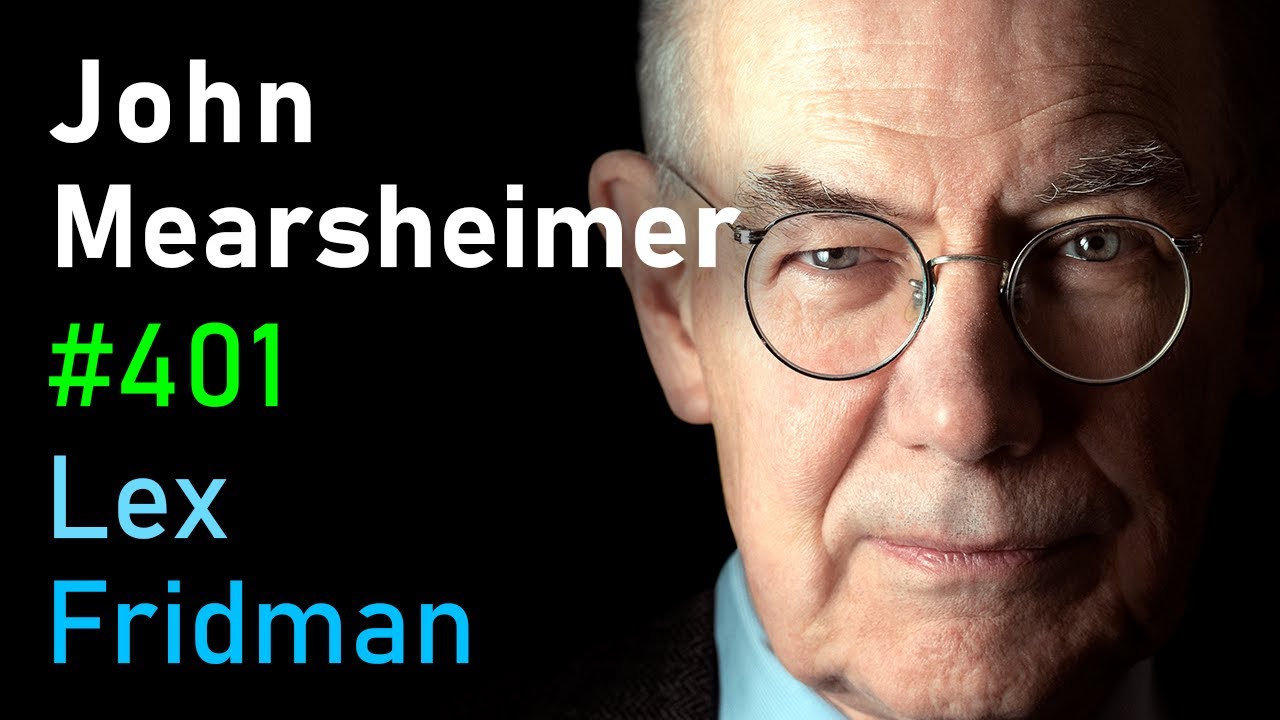 John Mearsheimer: Israel-Palestine, Russia-Ukraine, China, NATO, and WW3
Shares NATO expansion
3h 26m
John Mearsheimer: Israel-Palestine, Russia-Ukraine, China, NATO, and WW3
Shares NATO expansion
3h 26m
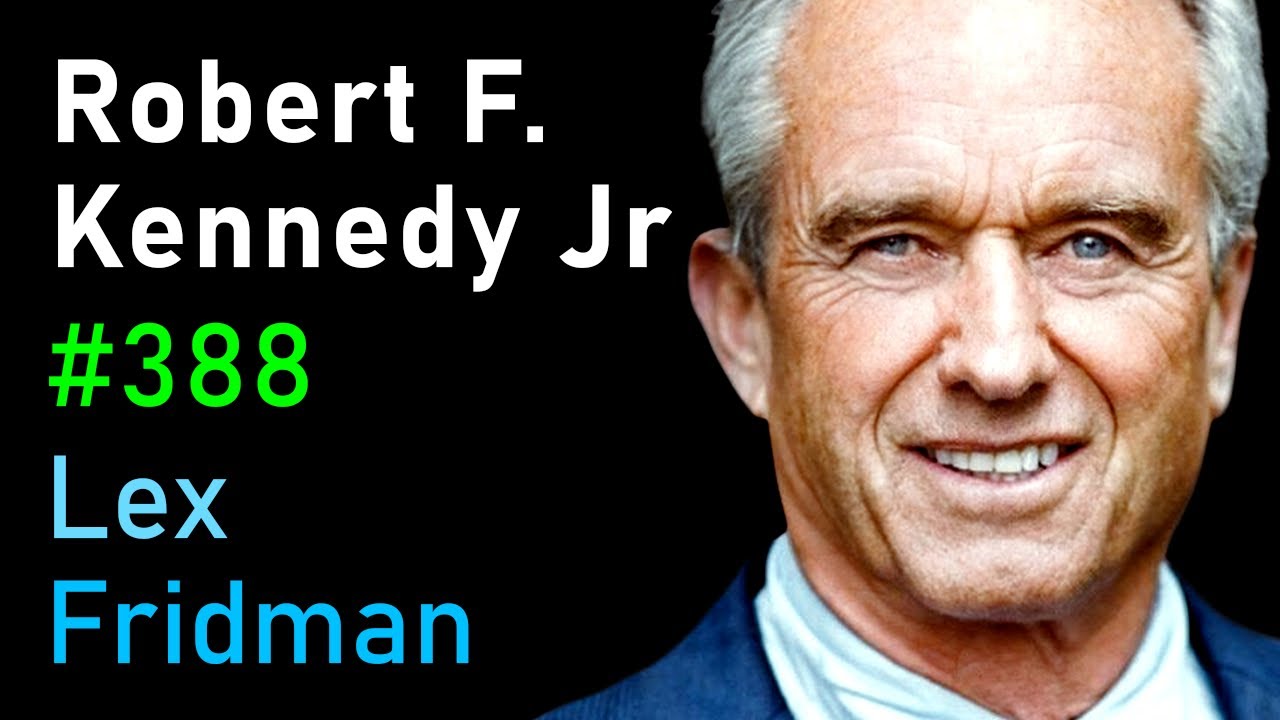 Robert F. Kennedy Jr: CIA, Power, Corruption, War, Freedom, and Meaning
Shares NATO expansion
2h 28m
Robert F. Kennedy Jr: CIA, Power, Corruption, War, Freedom, and Meaning
Shares NATO expansion
2h 28m
 Scott Horton: The Case Against War and the Military Industrial Complex
Shares military-industrial complex
10h 26m
Scott Horton: The Case Against War and the Military Industrial Complex
Shares military-industrial complex
10h 26m
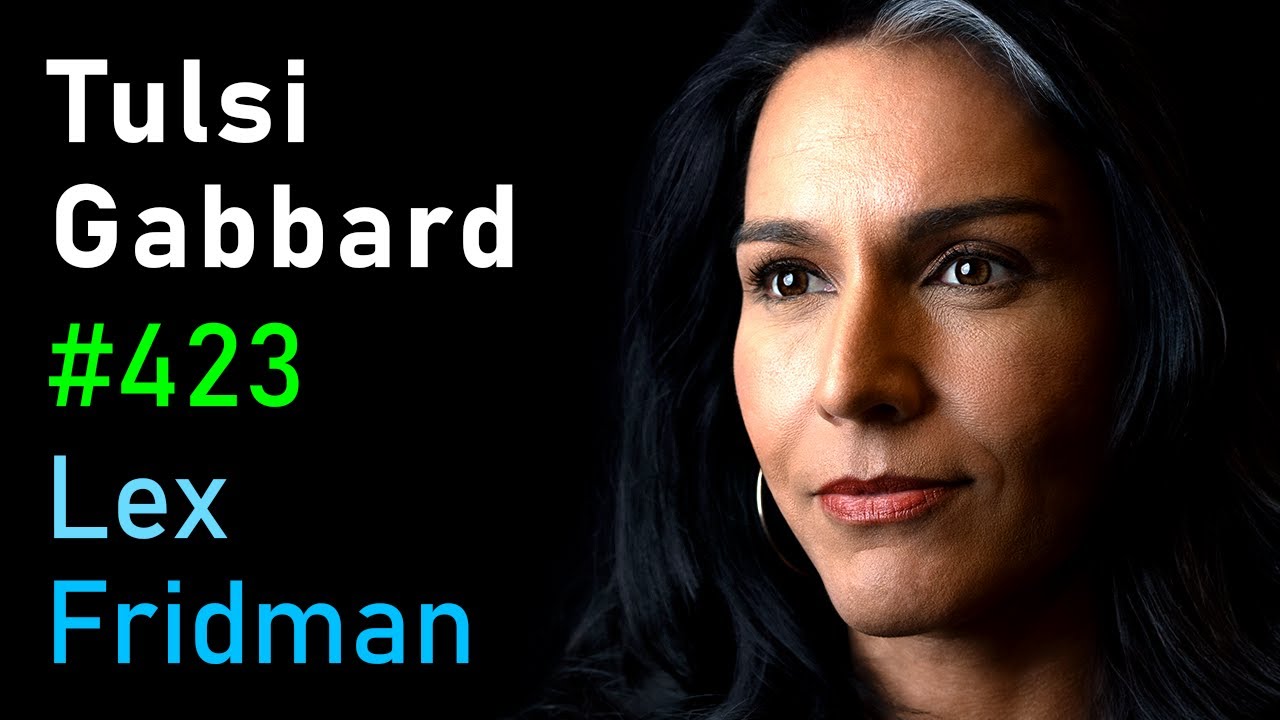 Tulsi Gabbard: War, Politics, and the Military Industrial Complex
More like this
1h 50m
Tulsi Gabbard: War, Politics, and the Military Industrial Complex
More like this
1h 50m
AI-generated summary · last refreshed 2026-05-28 15:44:06 · how we make these
Quotes are matched verbatim against the source transcript; references are checked to resolve to real URLs. Even so, AI can misread structure or attribute claims imperfectly. If you spot an error, please let us know.