Tulsi Gabbard: War, Politics, and the Military Industrial Complex
Core Takeaways
Tulsi Gabbard criticizes the military-industrial complex for profiting from war, citing KBR Halliburton's $35 per meal charge for soldiers.
▶ 5:00
Why it matters
This highlights how war profiteering can lead to significant taxpayer costs and ethical concerns about military spending.
Gabbard argues that U.S. foreign policy failures stem from a lack of understanding of the ideological roots of terrorism.
▶ 20:00
Why it matters
Without understanding the enemy's ideology, counter-terrorism strategies may be ineffective and misguided.
She claims that the Democratic Party has shifted away from foundational American principles, controlled by an elitist cabal.
▶ 1:00:00
Why it matters
This shift could lead to policies that undermine individual freedoms and democratic values.
Gabbard highlights the trivialization of nuclear threats in government messaging, comparing it to natural disasters.
▶ 1:30:00
Why it matters
Such messaging could create a false sense of security, leaving the public unprepared for real threats.
Gabbard emphasizes the importance of spiritual principles from the Bhagavad Gita in her personal life.
▶ 2:00:00
Why it matters
Spiritual principles can guide personal integrity and decision-making in political and personal arenas.
Ask this episode Deep
A preview of how Deep chat answers, grounded in this episode with citations and timestamps:
Cite this episode
For papers, blog posts, anywhere.
Related episodes
Where to go next from this conversation.
More on these ideas
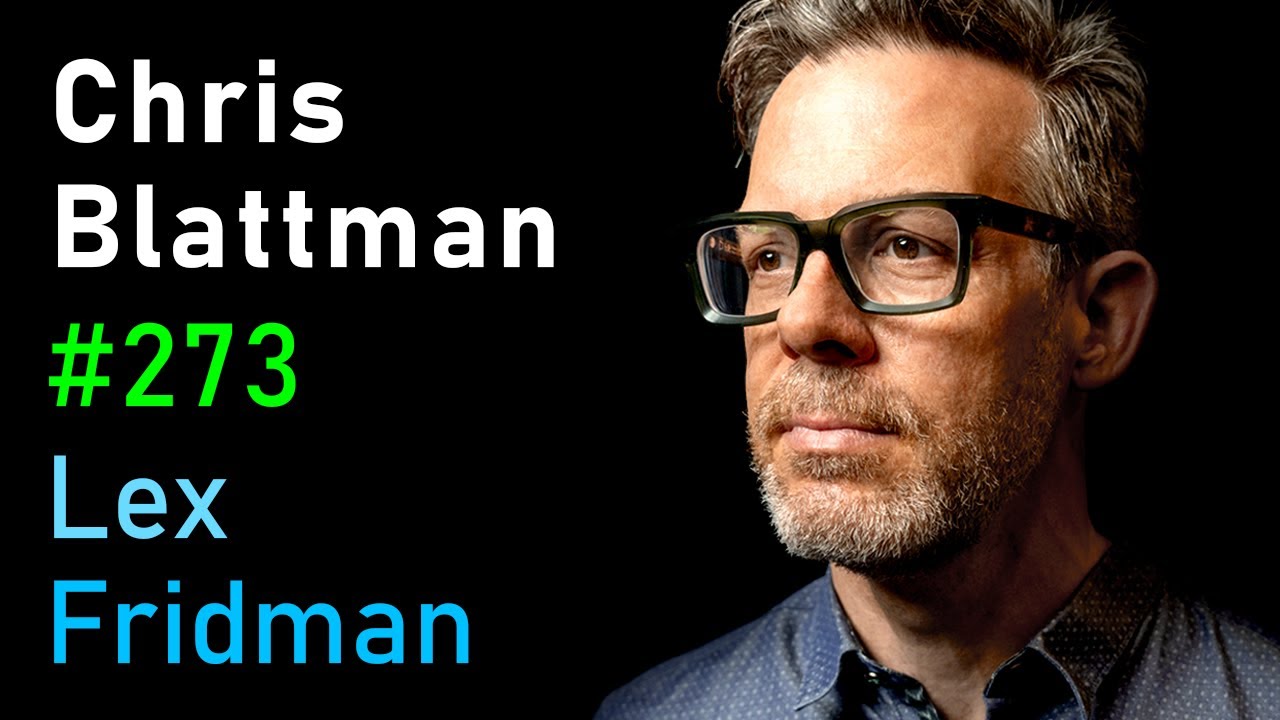 Chris Blattman: War and Violence
More like this
2h 48m
Chris Blattman: War and Violence
More like this
2h 48m
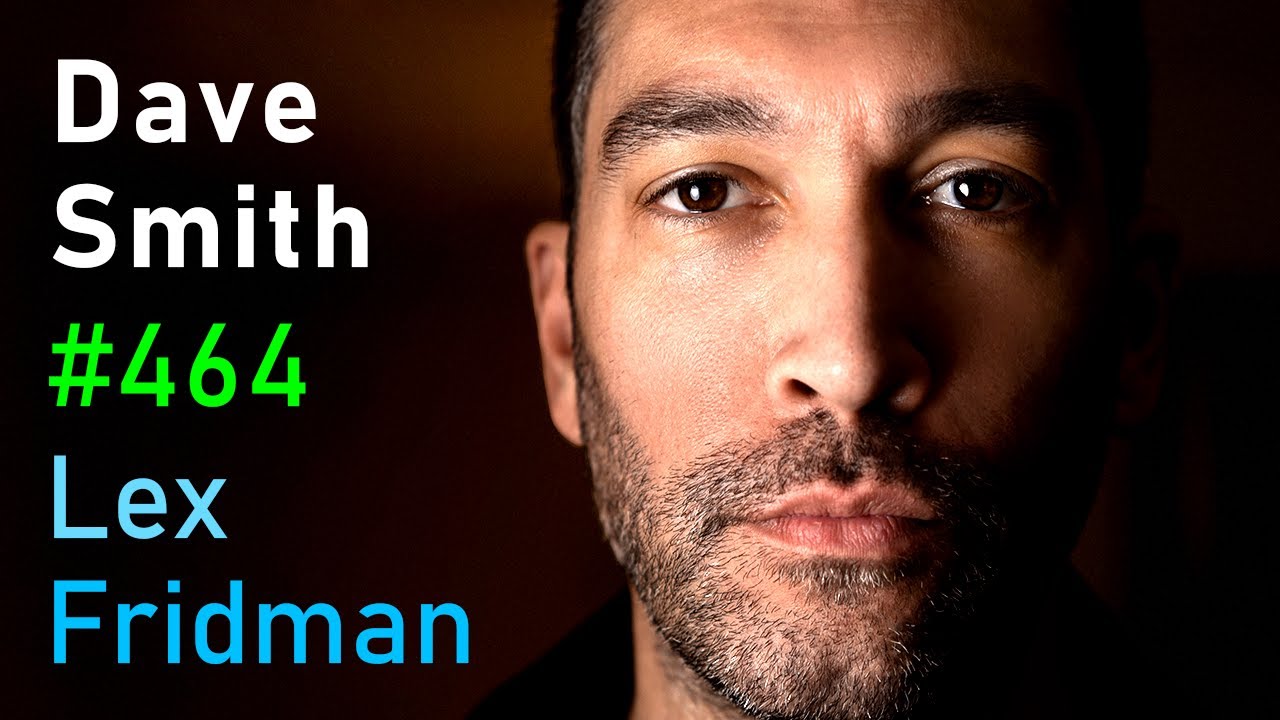 Dave Smith: Israel, Hamas, Ukraine, Russia, Conspiracies & Antisemitism
More like this
3h 19m
Dave Smith: Israel, Hamas, Ukraine, Russia, Conspiracies & Antisemitism
More like this
3h 19m
 Volodymyr Zelenskyy: Ukraine, War, Peace, Putin, Trump, NATO, and Freedom
More like this
3h 6m
Volodymyr Zelenskyy: Ukraine, War, Peace, Putin, Trump, NATO, and Freedom
More like this
3h 6m
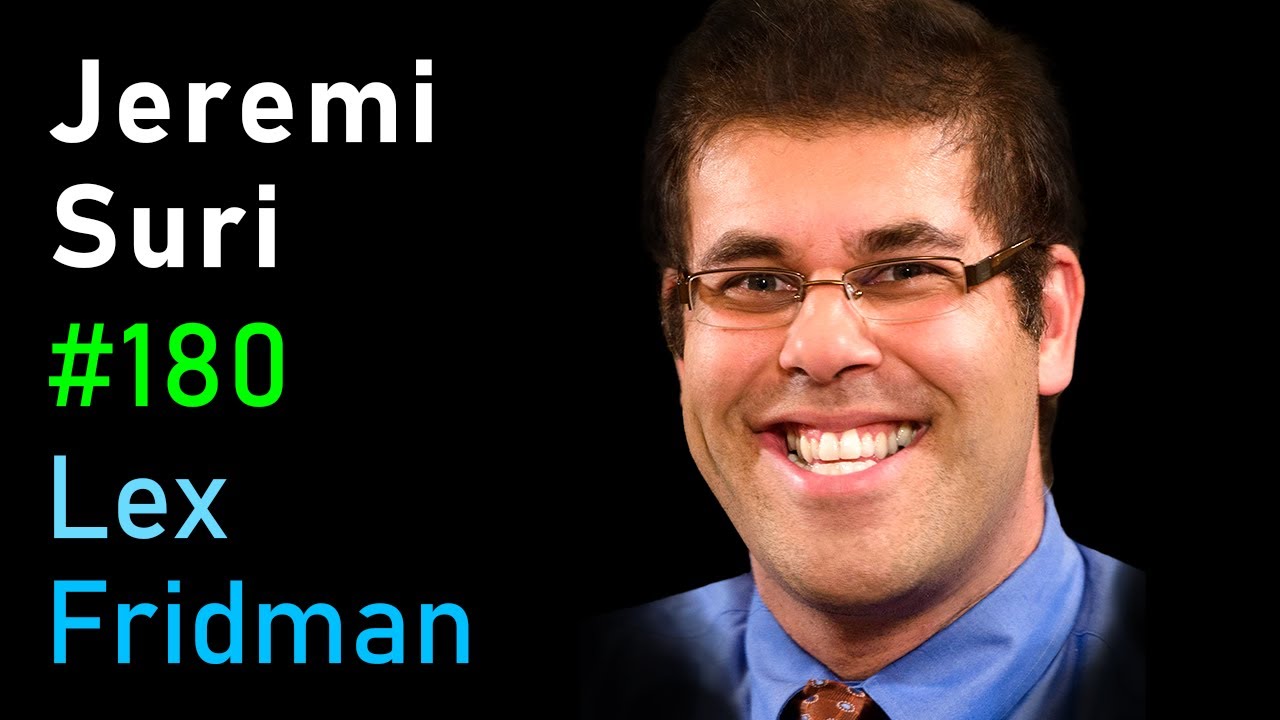 Jeremi Suri: History of American Power
More like this
2h 8m
Jeremi Suri: History of American Power
More like this
2h 8m
AI-generated summary · last refreshed 2026-05-29 03:10:57 · how we make these
Quotes are matched verbatim against the source transcript; references are checked to resolve to real URLs. Even so, AI can misread structure or attribute claims imperfectly. If you spot an error, please let us know.