Rosalind Picard: Affective Computing, Emotion, Privacy, and Health
Core Takeaways
Affective computing aims to enhance human-computer interaction by enabling machines to recognize and respond to human emotions.
▶ 1:00
Why it matters
This could revolutionize fields like mental health and customer service by making interactions more empathetic.
Wearable technology like Empatica Embrace can predict stress and mood with over 80% accuracy using physiological data.
▶ 45:00
Why it matters
Accurate predictions can lead to proactive health interventions, improving individual well-being.
AI's potential to alleviate loneliness is countered by privacy concerns due to data collection by large tech firms.
▶ 1:10:00
Why it matters
The dual nature of AI as both a helper and a privacy risk presents ethical challenges for tech development.
Rosalind Picard advocates for data ownership regulations to protect individuals from misuse by companies and governments.
▶ 30:00
Why it matters
Without such regulations, individuals risk exploitation, undermining trust in technology.
Ask this episode Deep
A preview of how Deep chat answers, grounded in this episode with citations and timestamps:
Cite this episode
For papers, blog posts, anywhere.
Related episodes
Where to go next from this conversation.
More on these ideas
 Jaron Lanier: Virtual Reality, Social Media & the Future of Humans and AI
More like this
1h 52m
Jaron Lanier: Virtual Reality, Social Media & the Future of Humans and AI
More like this
1h 52m
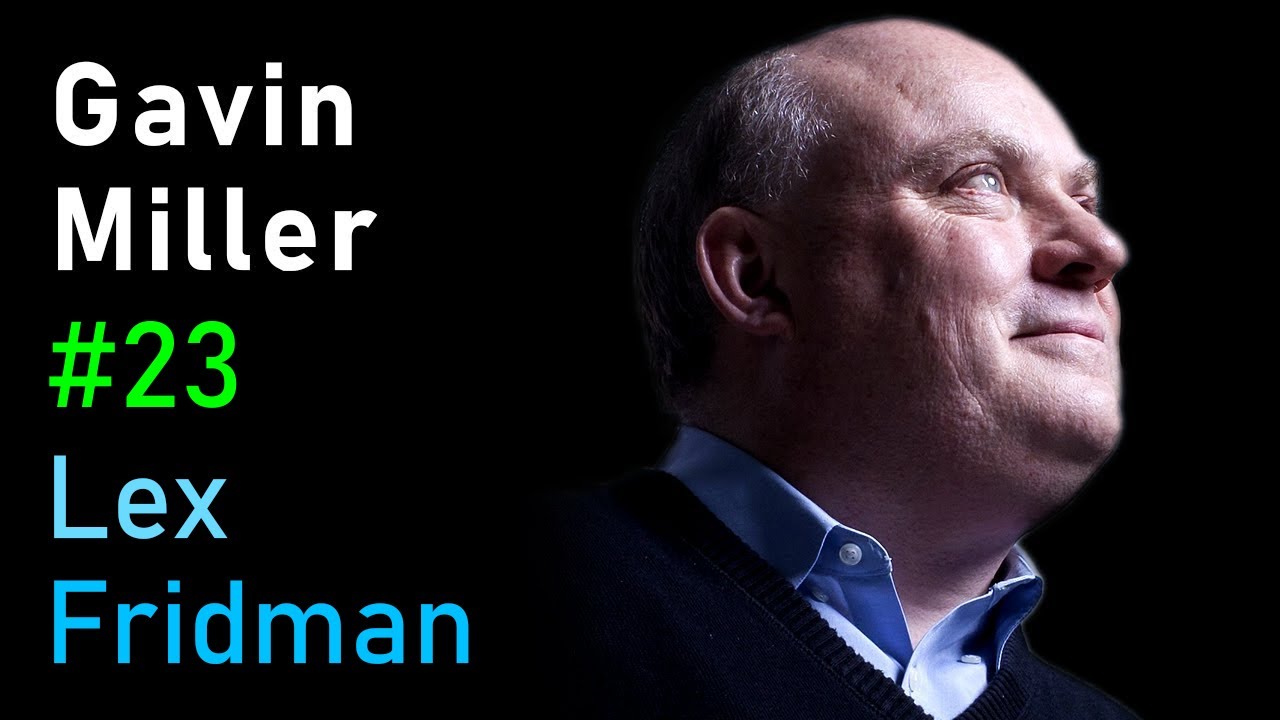 Gavin Miller: Adobe Research
Shares data privacy
1h 9m
Gavin Miller: Adobe Research
Shares data privacy
1h 9m
 Rana el Kaliouby: Emotion AI, Social Robots, and Self-Driving Cars
Shares emotional intelligence
2h 36m
Rana el Kaliouby: Emotion AI, Social Robots, and Self-Driving Cars
Shares emotional intelligence
2h 36m
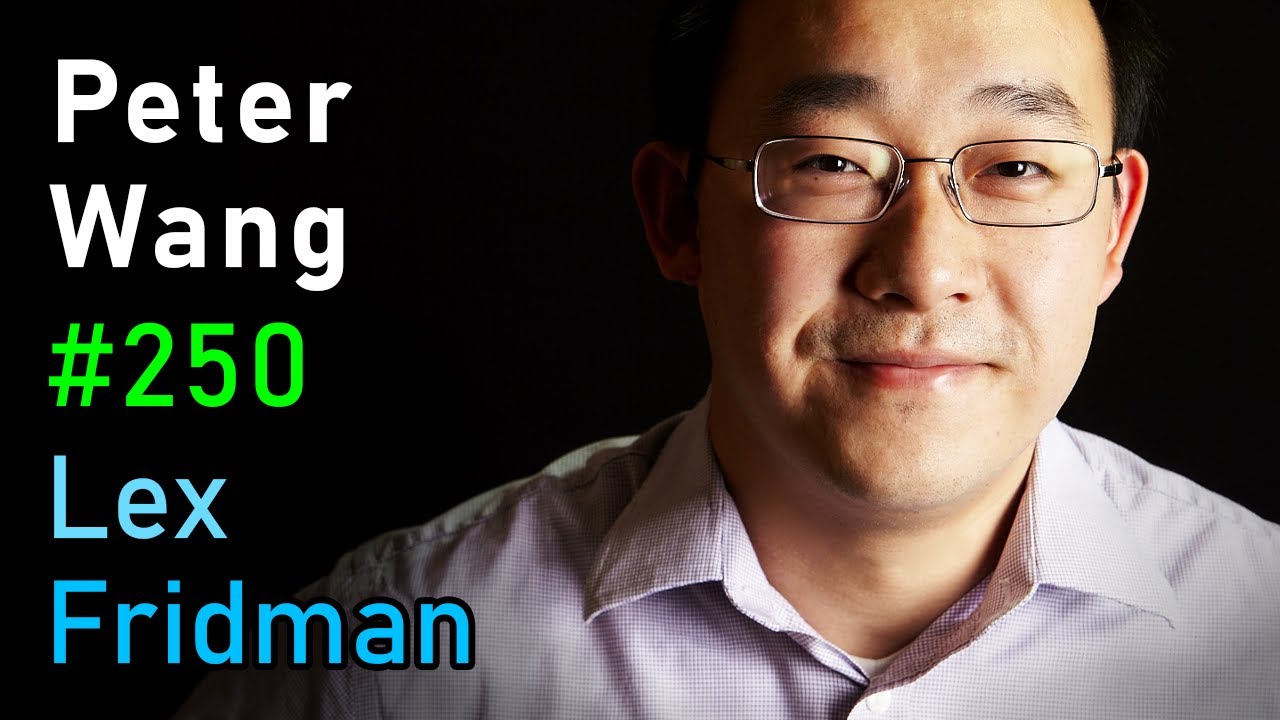 Peter Wang: Python and the Source Code of Humans, Computers, and Reality
More like this
2h 46m
Peter Wang: Python and the Source Code of Humans, Computers, and Reality
More like this
2h 46m
AI-generated summary · last refreshed 2026-06-11 00:37:00 · how we make these
Quotes are matched verbatim against the source transcript; references are checked to resolve to real URLs. Even so, AI can misread structure or attribute claims imperfectly. If you spot an error, please let us know.