Rajat Monga: TensorFlow
Core Takeaways
TensorFlow was open-sourced in November 2015, a pivotal move that accelerated its adoption and impact in the machine learning community.
Why it matters
Open-sourcing TensorFlow enabled widespread collaboration and innovation, solidifying its position as a leading ML framework.
TensorFlow's integration of Keras was driven by demand for a simplified API, making it more accessible to beginners and enterprises.
▶ 22:00
Why it matters
The Keras integration lowered the barrier to entry, broadening TensorFlow's user base and fostering enterprise adoption.
Despite competition from PyTorch, TensorFlow aims to maintain backward compatibility while innovating, balancing stability and progress.
▶ 39:00
Why it matters
This balance is critical as enterprises require stable platforms that also incorporate cutting-edge advancements.
TensorFlow's growth is intertwined with the rise of deep learning, with 41 million downloads and extensive community contributions.
▶ 1:10:00
Why it matters
The massive adoption reflects TensorFlow's role in democratizing AI, making advanced tools available to a broader audience.
The transition to TensorFlow 2.0 focuses on modularity and compatibility, aiming to support a wide range of devices and algorithms.
▶ 1:25:00
Why it matters
Modularity and compatibility ensure TensorFlow's relevance in diverse applications, from mobile to enterprise solutions.
Ask this episode Deep
A preview of how Deep chat answers, grounded in this episode with citations and timestamps:
Cite this episode
For papers, blog posts, anywhere.
Related episodes
Where to go next from this conversation.
More on these ideas
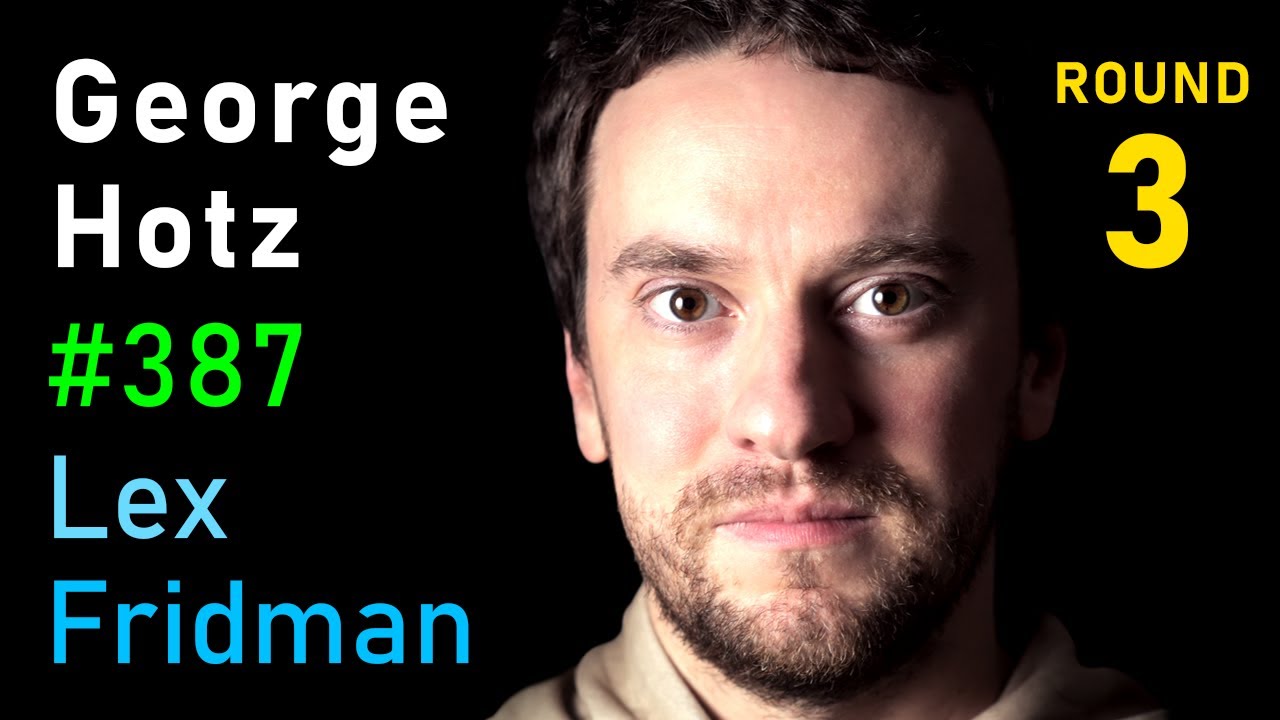 George Hotz: Tiny Corp, Twitter, AI Safety, Self-Driving, GPT, AGI & God
Shares open source
3h 8m
George Hotz: Tiny Corp, Twitter, AI Safety, Self-Driving, GPT, AGI & God
Shares open source
3h 8m
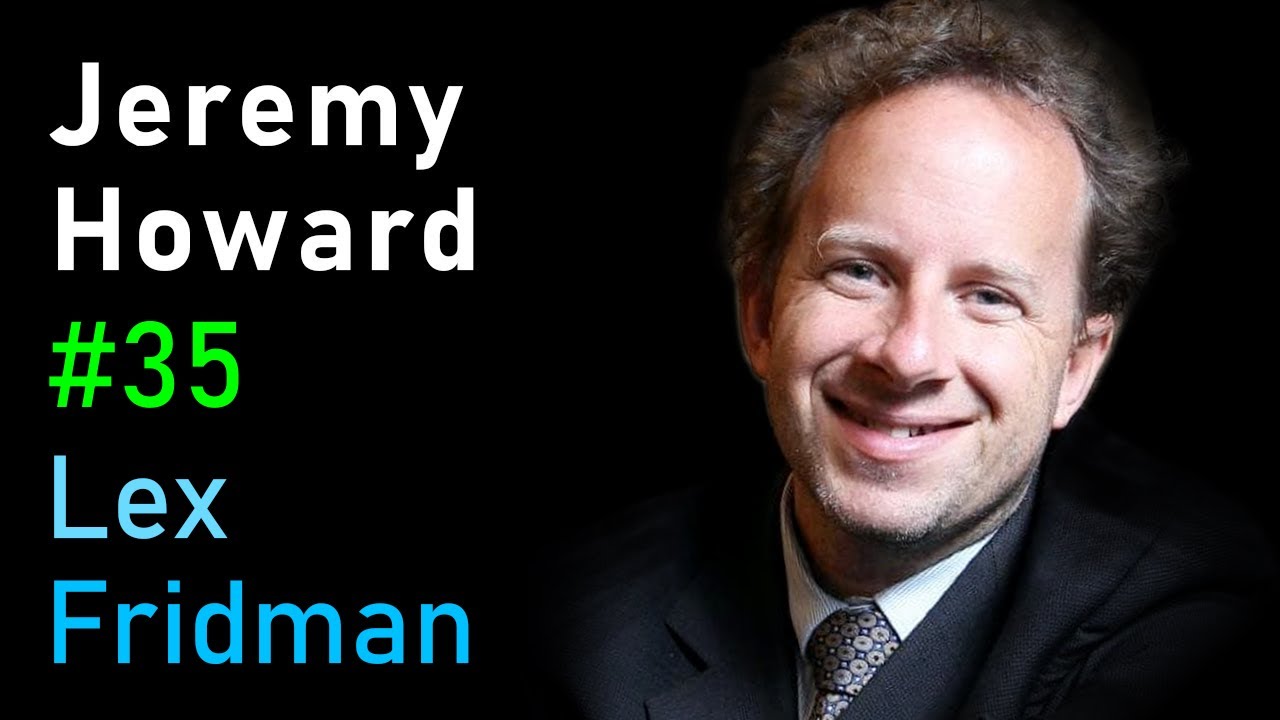 Jeremy Howard: fast.ai Deep Learning Courses and Research
Shares deep learning
1h 44m
Jeremy Howard: fast.ai Deep Learning Courses and Research
Shares deep learning
1h 44m
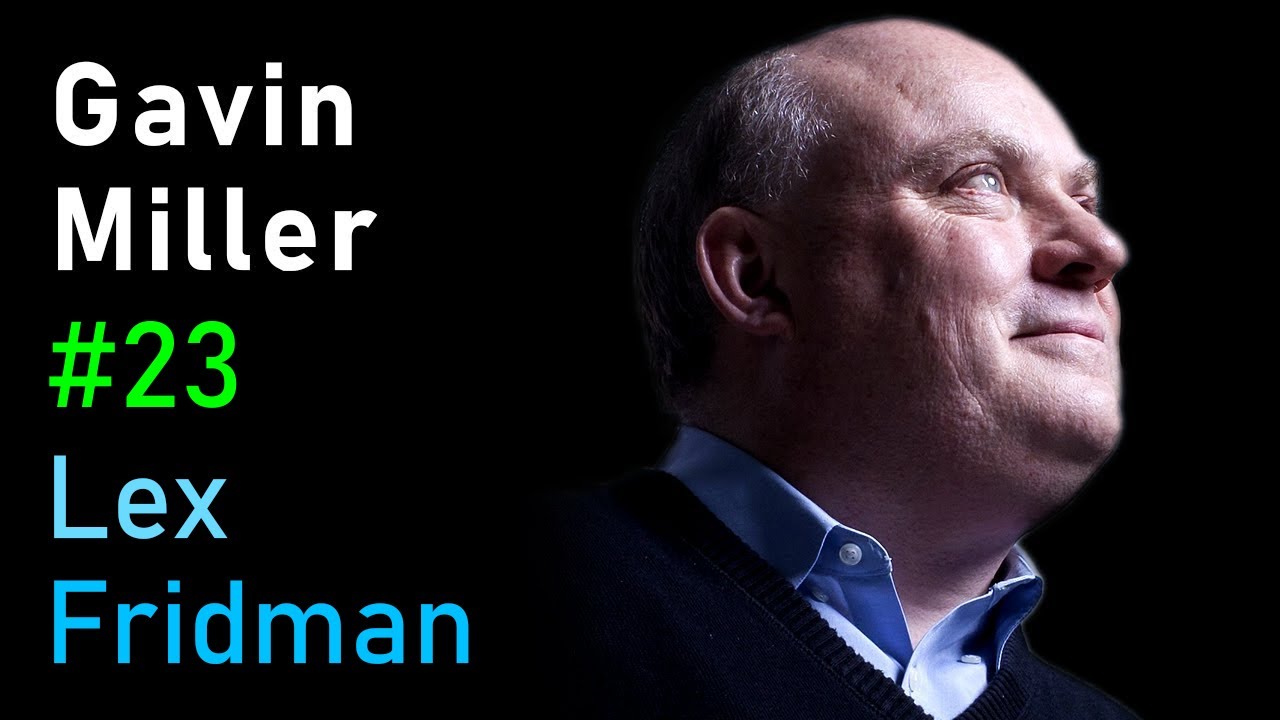 Gavin Miller: Adobe Research
More like this
1h 9m
Gavin Miller: Adobe Research
More like this
1h 9m
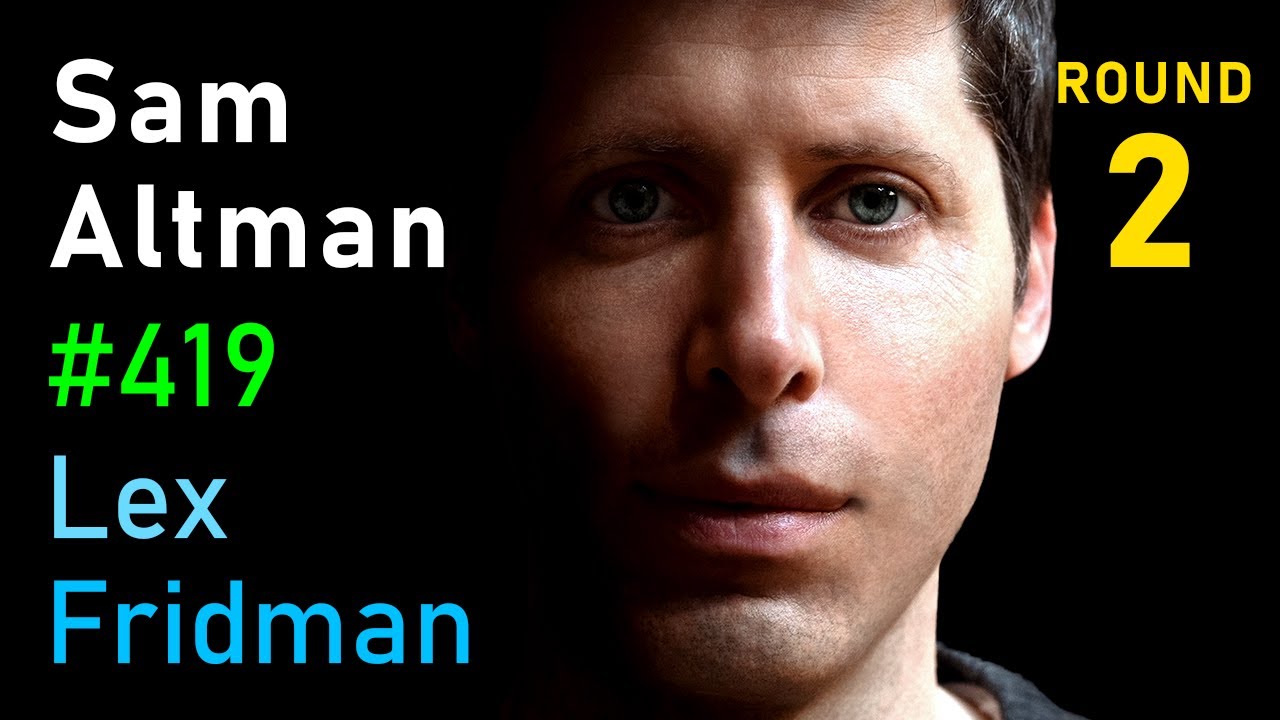 Sam Altman: OpenAI, GPT-5, Sora, Board Saga, Elon Musk, Ilya, Power & AGI
Shares open source
1h 55m
Sam Altman: OpenAI, GPT-5, Sora, Board Saga, Elon Musk, Ilya, Power & AGI
Shares open source
1h 55m
AI-generated summary · last refreshed 2026-06-08 20:05:51 · how we make these
Quotes are matched verbatim against the source transcript; references are checked to resolve to real URLs. Even so, AI can misread structure or attribute claims imperfectly. If you spot an error, please let us know.