Jeremy Howard: fast.ai Deep Learning Courses and Research
Core Takeaways
Fast.ai offers free, practical deep learning courses that emphasize accessibility and minimal BS.
Why it matters
This democratizes deep learning education, making it accessible to a broader audience without financial barriers.
Jeremy Howard argues that most deep learning research is a waste of time, advocating for practical problem-solving instead.
Why it matters
This challenges the academic focus on theoretical exercises, pushing for more real-world applications.
Howard claims that large datasets like ImageNet aren't necessary for breakthroughs; smaller datasets can be equally effective.
Why it matters
This could democratize AI development, making it accessible to smaller teams without massive resources.
Transfer learning can achieve state-of-the-art results with significantly less data, challenging the notion that more data is always better.
Why it matters
This could reduce the computational and data demands of AI, making it more sustainable and accessible.
Superconvergence allows networks to be trained ten times faster, improving both speed and generalization.
Why it matters
Faster training and better generalization could significantly accelerate AI development and deployment.
Ask this episode Deep
A preview of how Deep chat answers, grounded in this episode with citations and timestamps:
Cite this episode
For papers, blog posts, anywhere.
Related episodes
Where to go next from this conversation.
More on these ideas
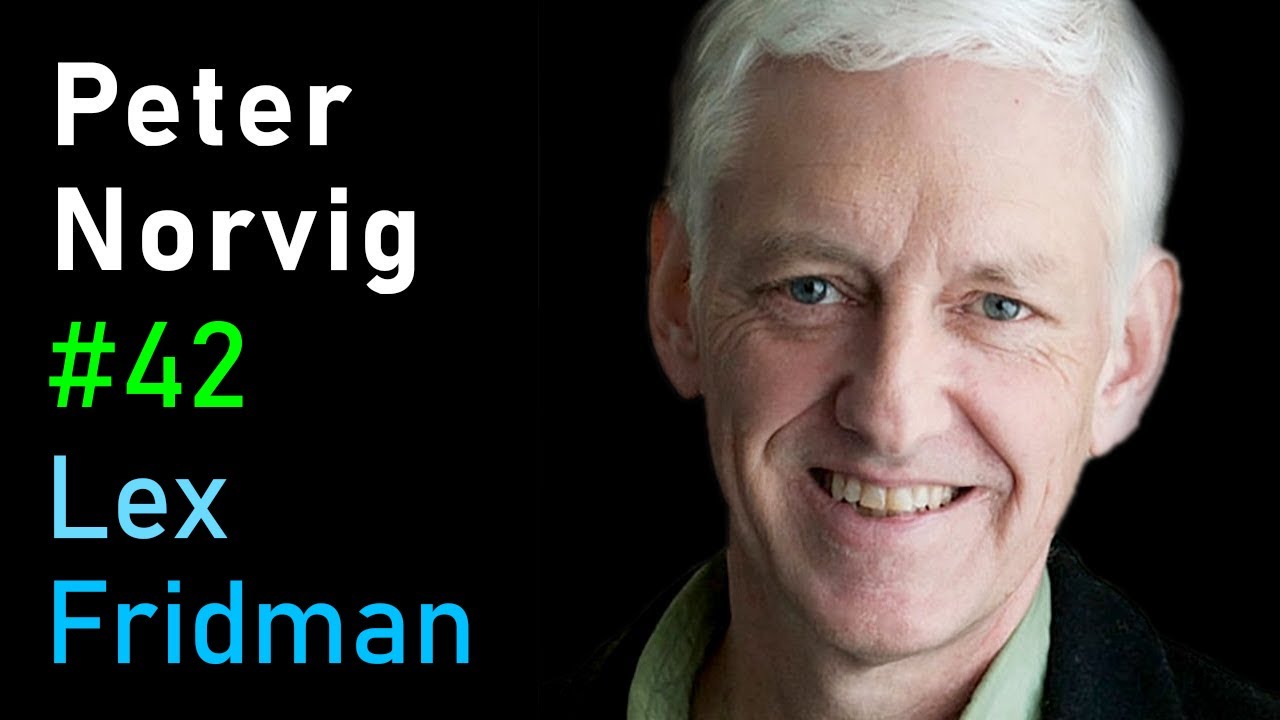 Peter Norvig: Artificial Intelligence: A Modern Approach
Shares deep learning
1h 3m
Peter Norvig: Artificial Intelligence: A Modern Approach
Shares deep learning
1h 3m
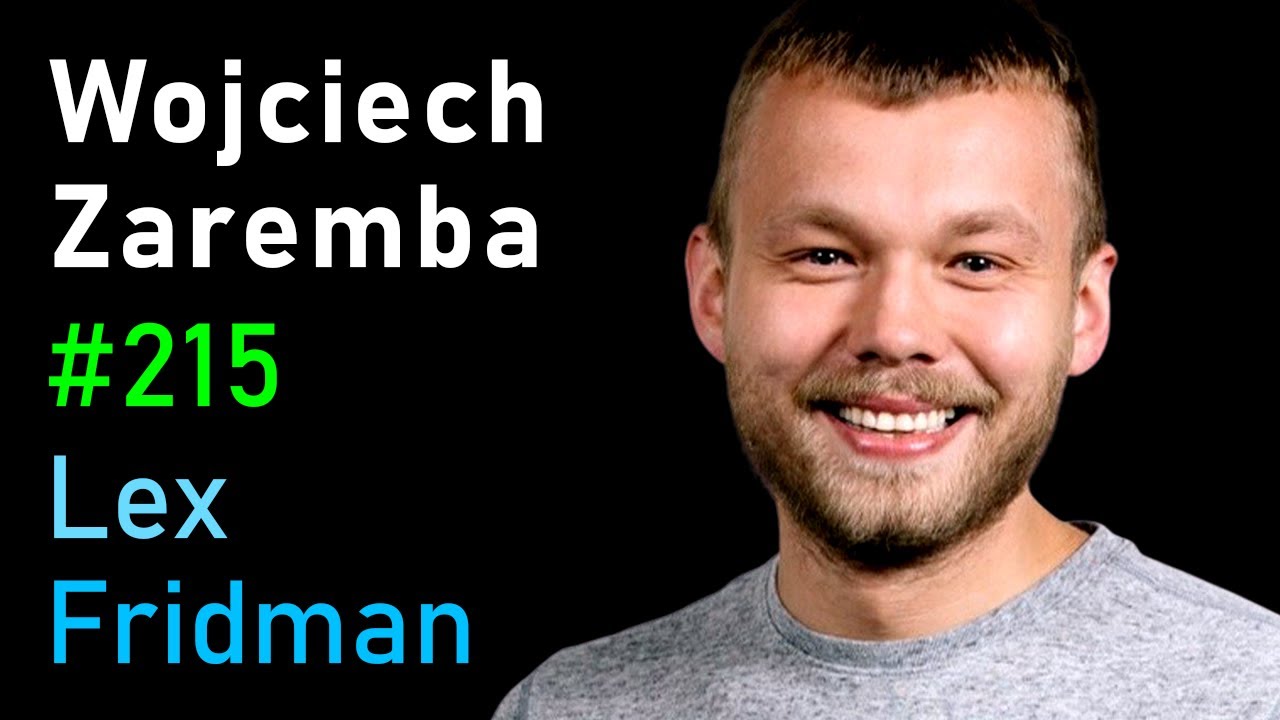 Wojciech Zaremba: OpenAI Codex, GPT-3, Robotics, and the Future of AI
Shares deep learning
2h 51m
Wojciech Zaremba: OpenAI Codex, GPT-3, Robotics, and the Future of AI
Shares deep learning
2h 51m
 François Chollet: Keras, Deep Learning, and the Progress of AI
Shares deep learning
1h 59m
François Chollet: Keras, Deep Learning, and the Progress of AI
Shares deep learning
1h 59m
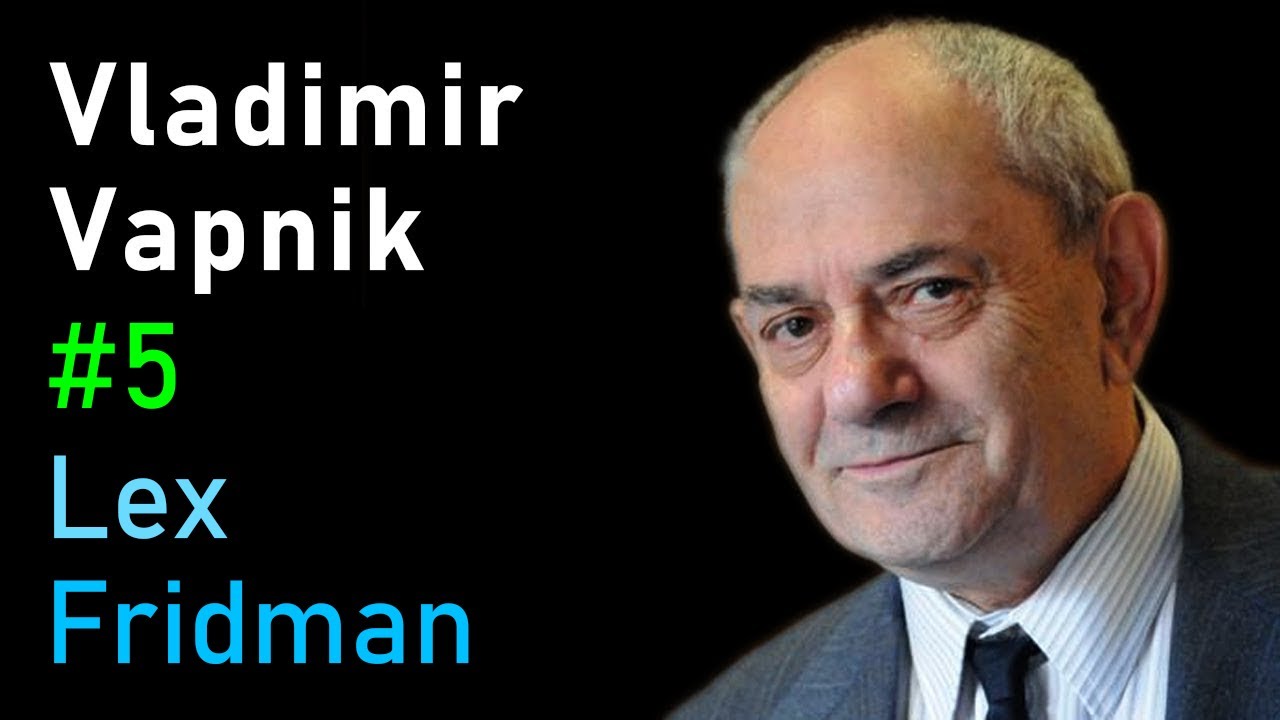 Vladimir Vapnik: Statistical Learning
Shares deep learning
54m
Vladimir Vapnik: Statistical Learning
Shares deep learning
54m
AI-generated summary · last refreshed 2026-06-08 19:03:52 · how we make these
Quotes are matched verbatim against the source transcript; references are checked to resolve to real URLs. Even so, AI can misread structure or attribute claims imperfectly. If you spot an error, please let us know.