Ian Goodfellow: Generative Adversarial Networks (GANs)
Core Takeaways
GANs operate as a two-player game, reaching a Nash equilibrium where the generator produces realistic images.
Why it matters
This mechanism allows GANs to generate highly realistic images, impacting fields like art and media.
Semi-supervised learning with GANs can reduce labeled data needs by up to 600x, as seen in the MNIST dataset.
▶ 45:30
Why it matters
This efficiency in data usage could revolutionize training processes, making AI development more accessible.
GANs can create differentially private data, protecting sensitive information while allowing research use.
▶ 1:15:00
Why it matters
This capability supports privacy-preserving data sharing, crucial for sectors like healthcare.
Backpropagation and gradient descent remain relevant but may not suffice for superhuman AI.
▶ 22:15
Why it matters
New training methods may be needed to achieve AI that surpasses human capabilities.
Deep learning's limitation is its need for vast labeled data; multimodal data could bridge this gap.
▶ 5:30
Why it matters
Reducing data dependency could accelerate AI evolution towards human-like cognition.
Ask this episode Deep
A preview of how Deep chat answers, grounded in this episode with citations and timestamps:
Cite this episode
For papers, blog posts, anywhere.
Related episodes
Where to go next from this conversation.
More on these ideas
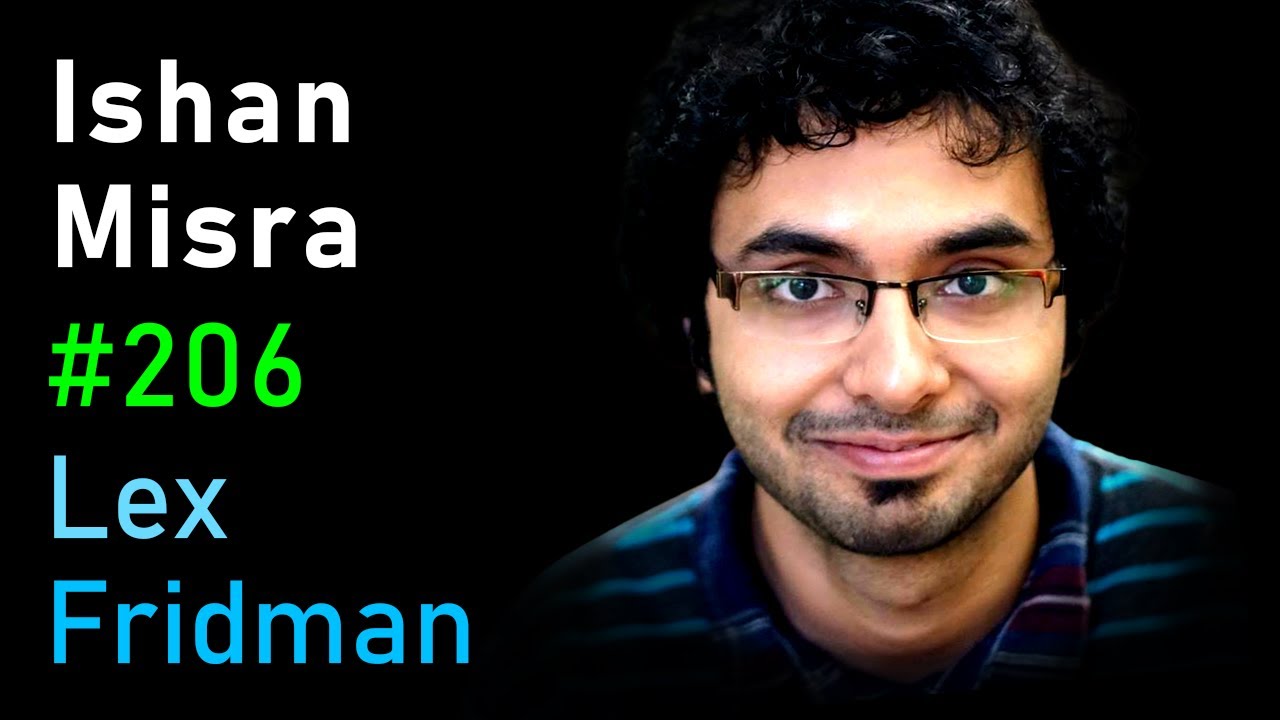 Ishan Misra: Self-Supervised Deep Learning in Computer Vision
More like this
2h 30m
Ishan Misra: Self-Supervised Deep Learning in Computer Vision
More like this
2h 30m
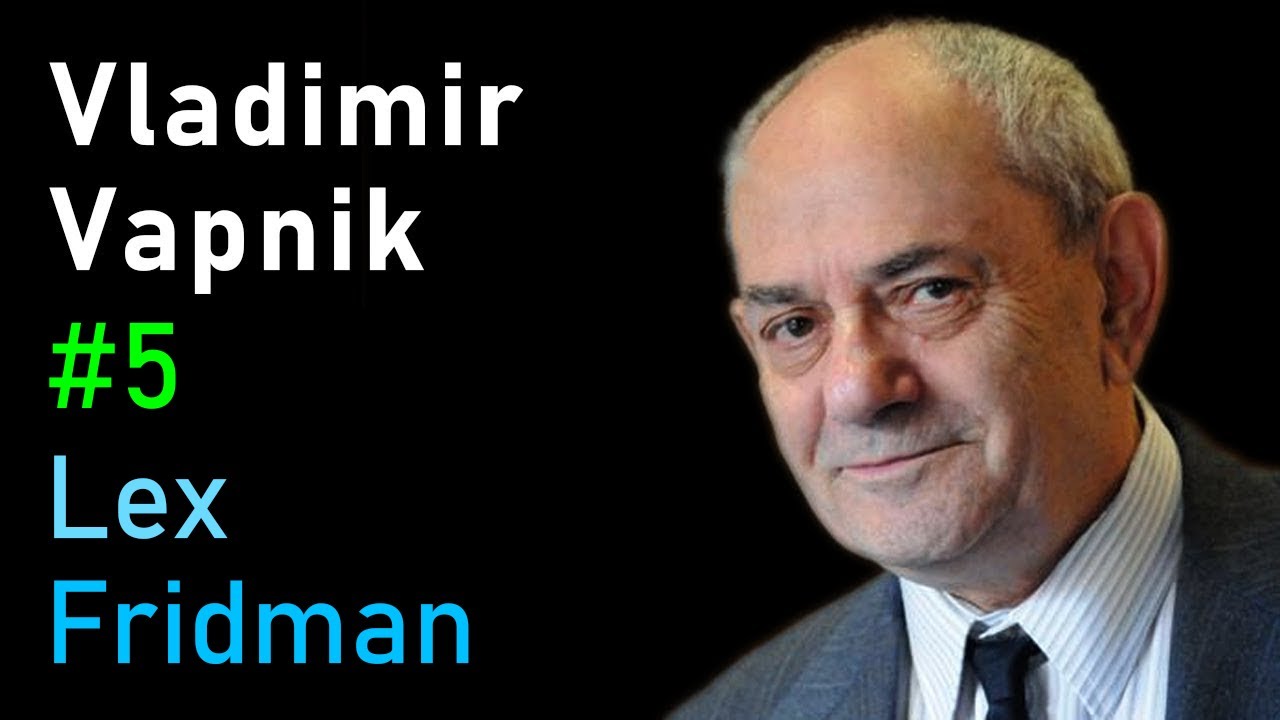 Vladimir Vapnik: Statistical Learning
Shares deep learning
54m
Vladimir Vapnik: Statistical Learning
Shares deep learning
54m
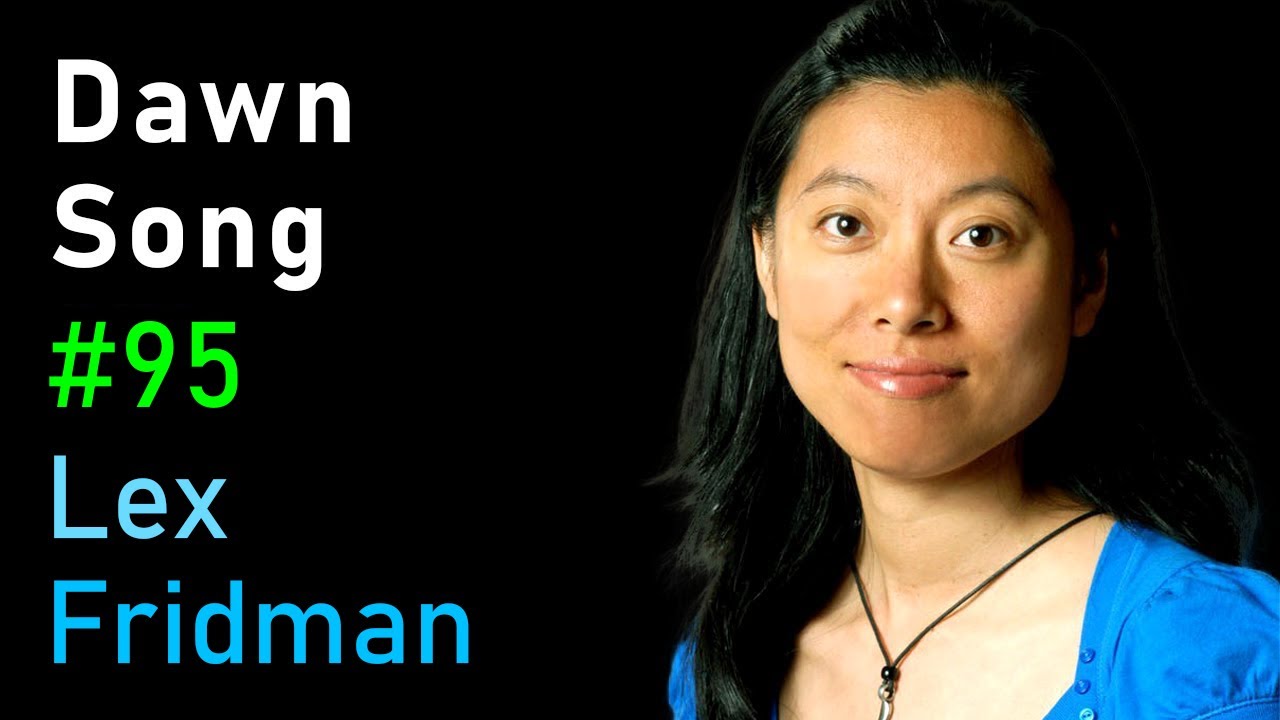 Dawn Song: Adversarial Machine Learning and Computer Security
Shares differential privacy
2h 12m
Dawn Song: Adversarial Machine Learning and Computer Security
Shares differential privacy
2h 12m
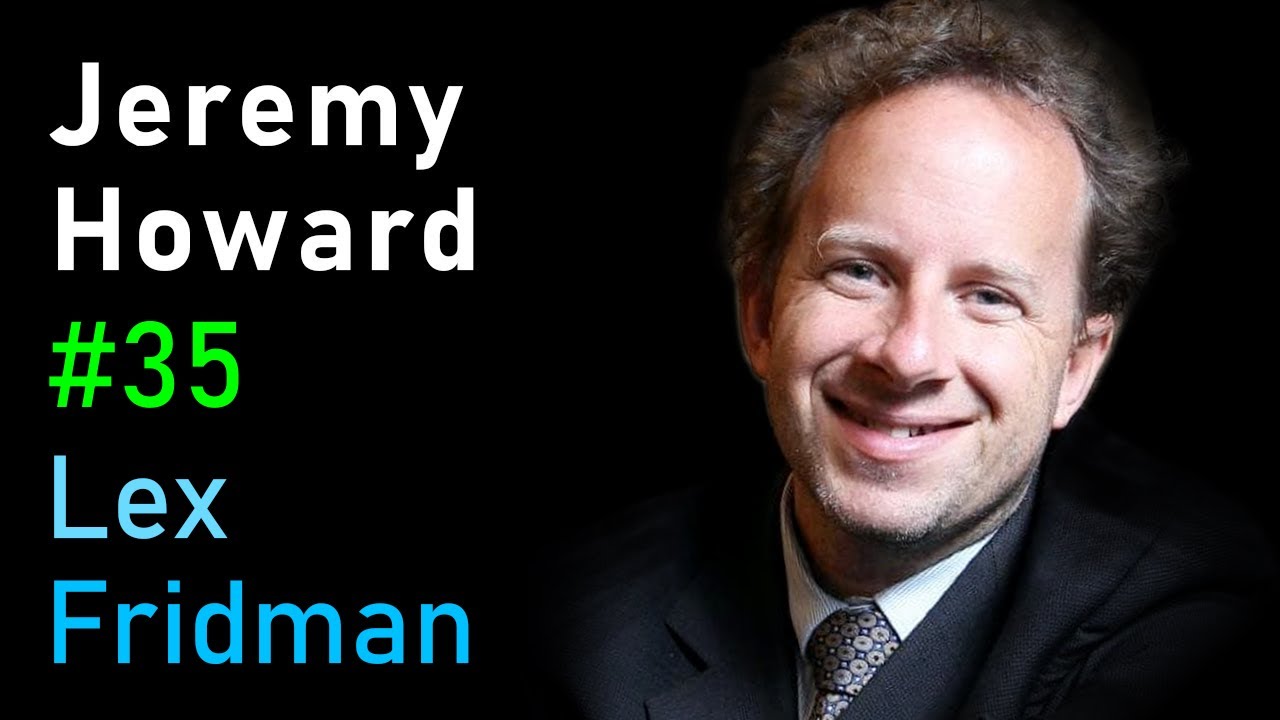 Jeremy Howard: fast.ai Deep Learning Courses and Research
Shares deep learning
1h 44m
Jeremy Howard: fast.ai Deep Learning Courses and Research
Shares deep learning
1h 44m
AI-generated summary · last refreshed 2026-06-11 00:41:02 · how we make these
Quotes are matched verbatim against the source transcript; references are checked to resolve to real URLs. Even so, AI can misread structure or attribute claims imperfectly. If you spot an error, please let us know.