Ezra Klein and Derek Thompson: Politics, Trump, AOC, Elon & DOGE
Core Takeaways
The Democratic Party is fragmented, lacking strong leadership after the Obama Coalition's exhaustion.
Why it matters
This fragmentation weakens the party's ability to present a unified front in elections, risking electoral losses.
Trump's authenticity performance resonates with voters, contrasting with cautious Democratic leaders.
▶ 1:02:30
Why it matters
This ability to connect with voters gives Trump a significant advantage in media-driven political landscapes.
Housing scarcity is a manufactured issue due to self-inflicted regulations, especially in progressive states.
▶ 1:20:15
Why it matters
These regulations inflate housing costs, exacerbating the affordability crisis and economic inequality.
Government efficiency is hindered by accumulated bureaucracy, requiring radical structural changes.
▶ 1:45:50
Why it matters
Without addressing these inefficiencies, government projects will continue to face delays and cost overruns.
AI's potential to synthesize knowledge could accelerate innovation, but human insight remains crucial.
▶ 2:10:40
Why it matters
While AI can assist, breakthroughs still depend on human creativity and understanding, limiting reliance on AI alone.
Ask this episode Deep
A preview of how Deep chat answers, grounded in this episode with citations and timestamps:
Cite this episode
For papers, blog posts, anywhere.
Related episodes
Where to go next from this conversation.
More on these ideas
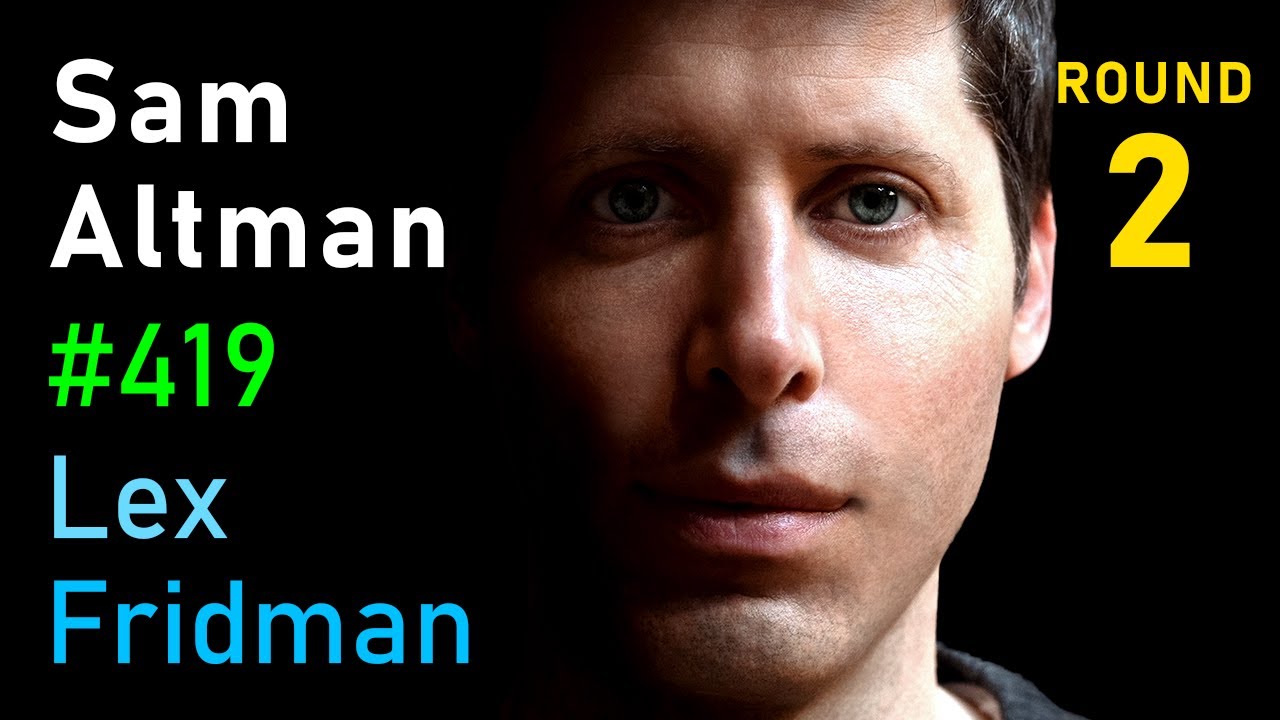 Sam Altman: OpenAI, GPT-5, Sora, Board Saga, Elon Musk, Ilya, Power & AGI
More like this
1h 55m
Sam Altman: OpenAI, GPT-5, Sora, Board Saga, Elon Musk, Ilya, Power & AGI
More like this
1h 55m
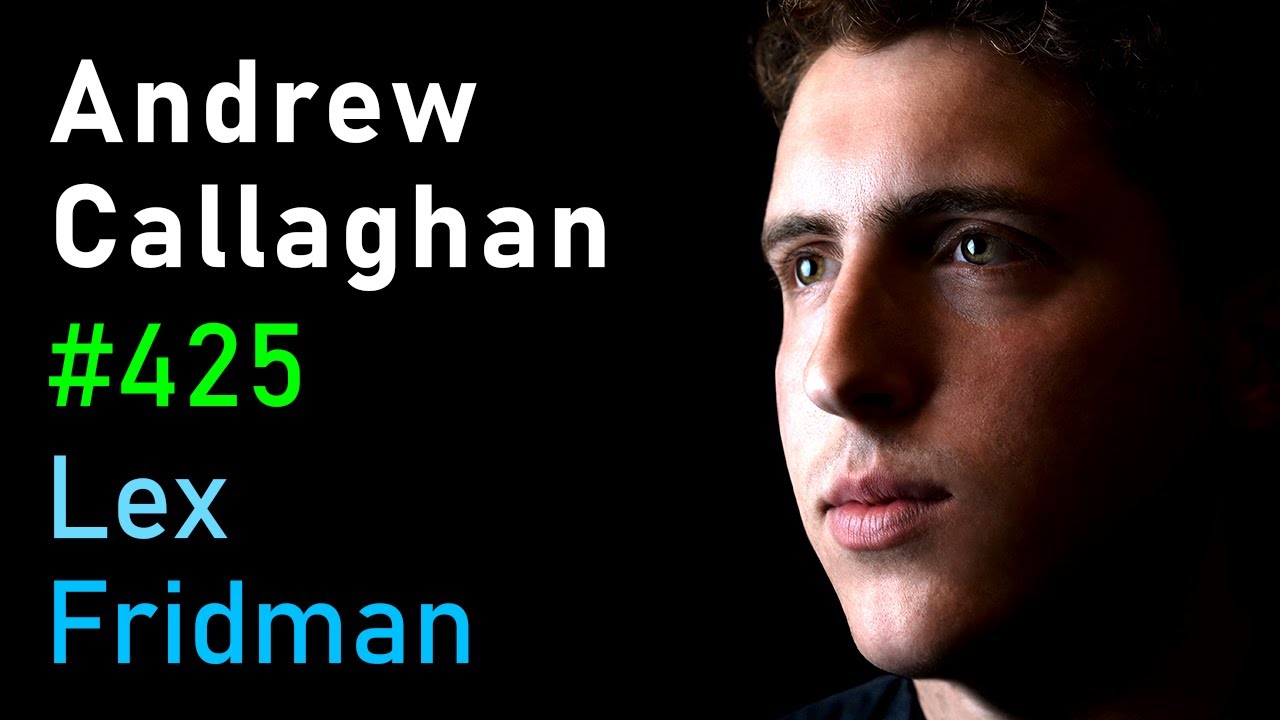 Andrew Callaghan: Channel 5, Gonzo, QAnon, O-Block, Politics & Alex Jones
Shares media influence
2h 51m
Andrew Callaghan: Channel 5, Gonzo, QAnon, O-Block, Politics & Alex Jones
Shares media influence
2h 51m
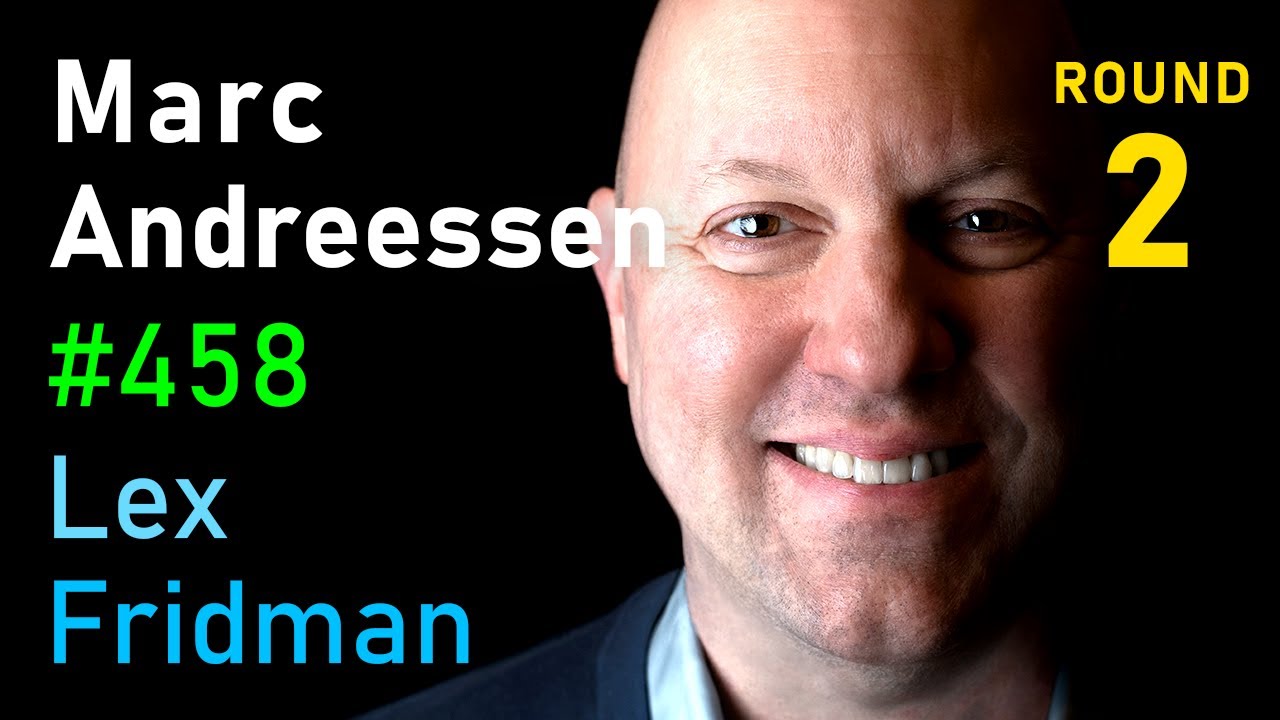 Marc Andreessen: Trump, Power, Tech, AI, Immigration & Future of America
More like this
3h 45m
Marc Andreessen: Trump, Power, Tech, AI, Immigration & Future of America
More like this
3h 45m
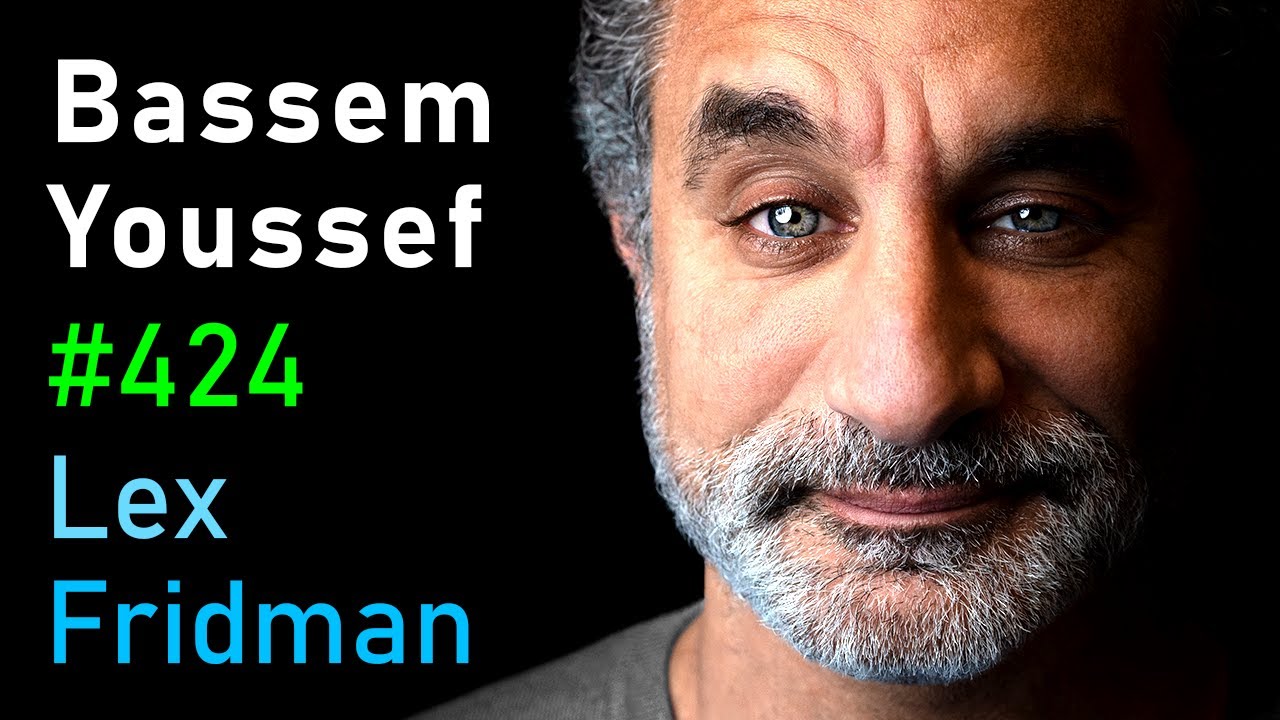 Bassem Youssef: Israel-Palestine, Gaza, Hamas, Middle East, Satire & Fame
More like this
2h 43m
Bassem Youssef: Israel-Palestine, Gaza, Hamas, Middle East, Satire & Fame
More like this
2h 43m
AI-generated summary · last refreshed 2026-05-28 15:50:10 · how we make these
Quotes are matched verbatim against the source transcript; references are checked to resolve to real URLs. Even so, AI can misread structure or attribute claims imperfectly. If you spot an error, please let us know.