Steven Pinker: AI in the Age of Reason
Core Takeaways
Steven Pinker argues that AI does not inherently possess a will to power, contrasting with common fears of AI domination.
▶ 2:15
Why it matters
This challenges the narrative that AI will autonomously seek dominance, impacting AI policy and public perception.
Pinker highlights that AI's goals are determined by human design, not by AI's own volition or intelligence level.
▶ 4:30
Why it matters
Understanding that AI goals are human-set underscores the importance of ethical AI design and governance.
He emphasizes that engineering culture prioritizes safety, reducing risks in AI development, similar to other technologies.
▶ 15:45
Why it matters
This perspective reassures that AI development is guided by safety protocols, mitigating existential risks.
Pinker critiques the negativity bias in public discourse, noting it skews perceptions of AI risks.
▶ 22:10
Why it matters
Recognizing negativity bias can lead to more balanced discussions on AI, influencing policy and public opinion.
AI could significantly reduce traffic fatalities, with 40,000 annual deaths in the U.S. as a current baseline.
▶ 18:30
Why it matters
Highlighting AI's potential in reducing fatalities underscores its humanitarian benefits, influencing adoption.
Ask this episode Deep
A preview of how Deep chat answers, grounded in this episode with citations and timestamps:
Cite this episode
For papers, blog posts, anywhere.
Related episodes
Where to go next from this conversation.
More on these ideas
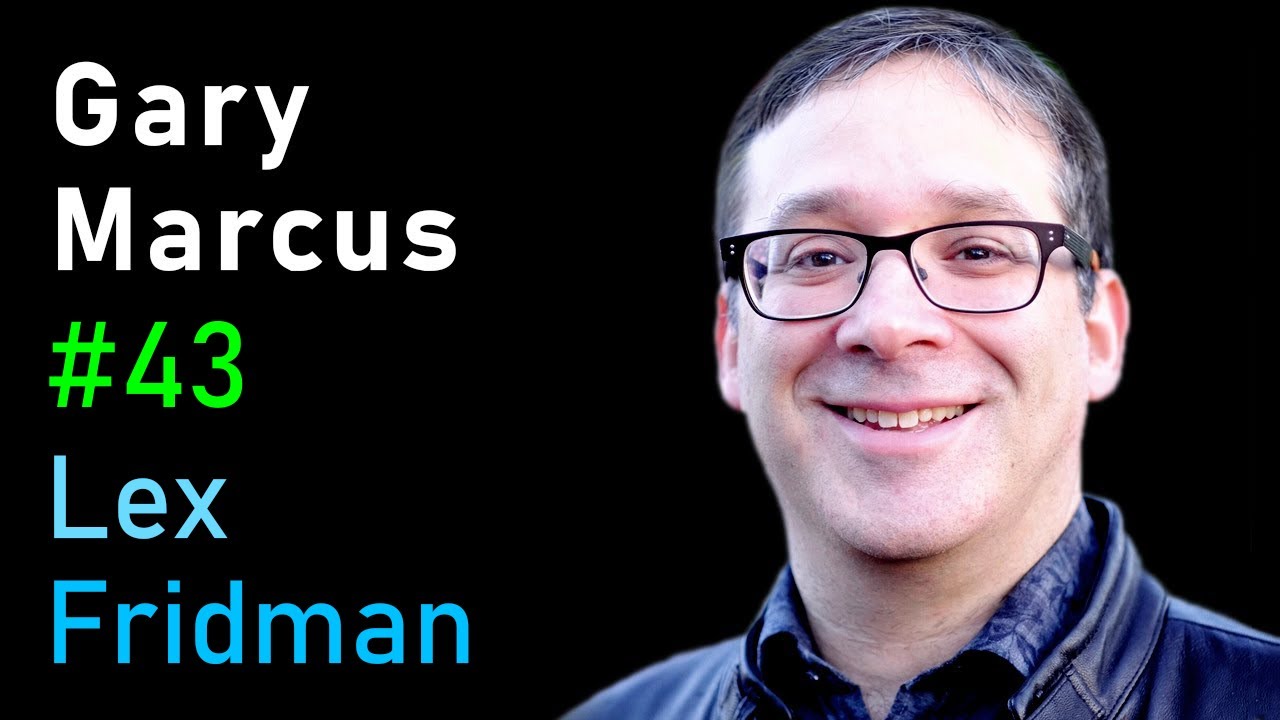 Gary Marcus: Toward a Hybrid of Deep Learning and Symbolic AI
More like this
1h 25m
Gary Marcus: Toward a Hybrid of Deep Learning and Symbolic AI
More like this
1h 25m
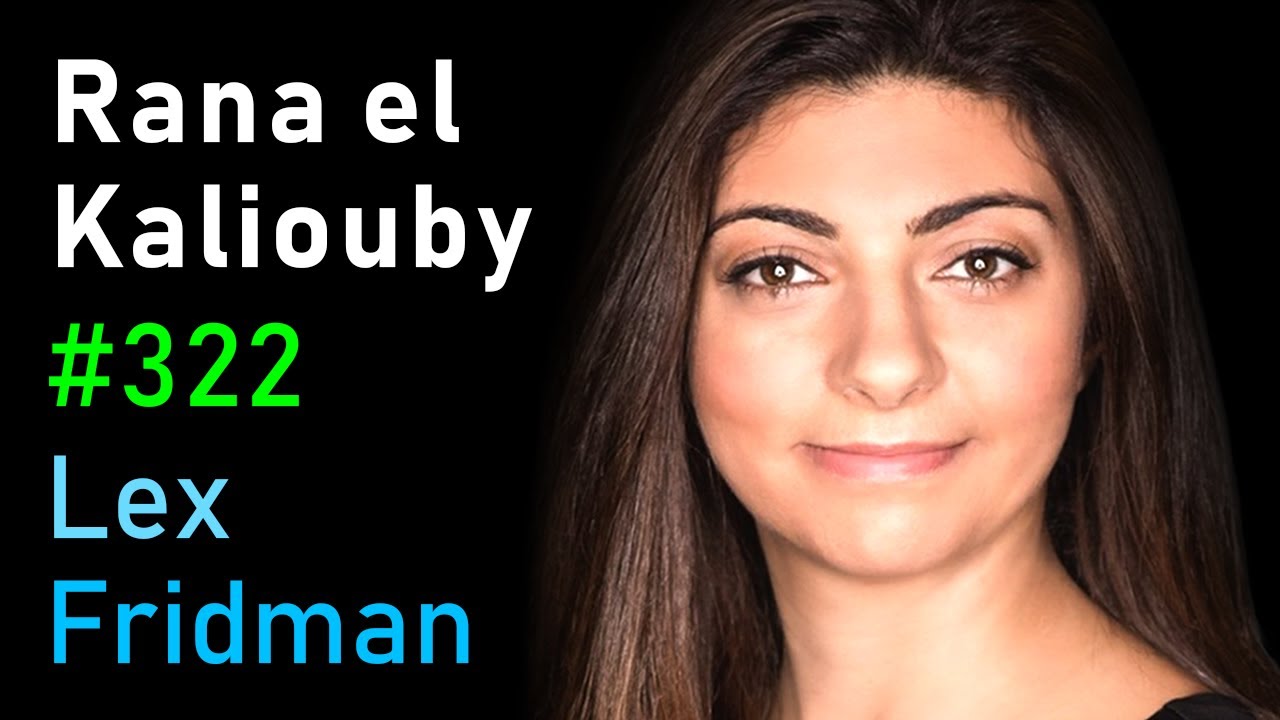 Rana el Kaliouby: Emotion AI, Social Robots, and Self-Driving Cars
More like this
2h 36m
Rana el Kaliouby: Emotion AI, Social Robots, and Self-Driving Cars
More like this
2h 36m
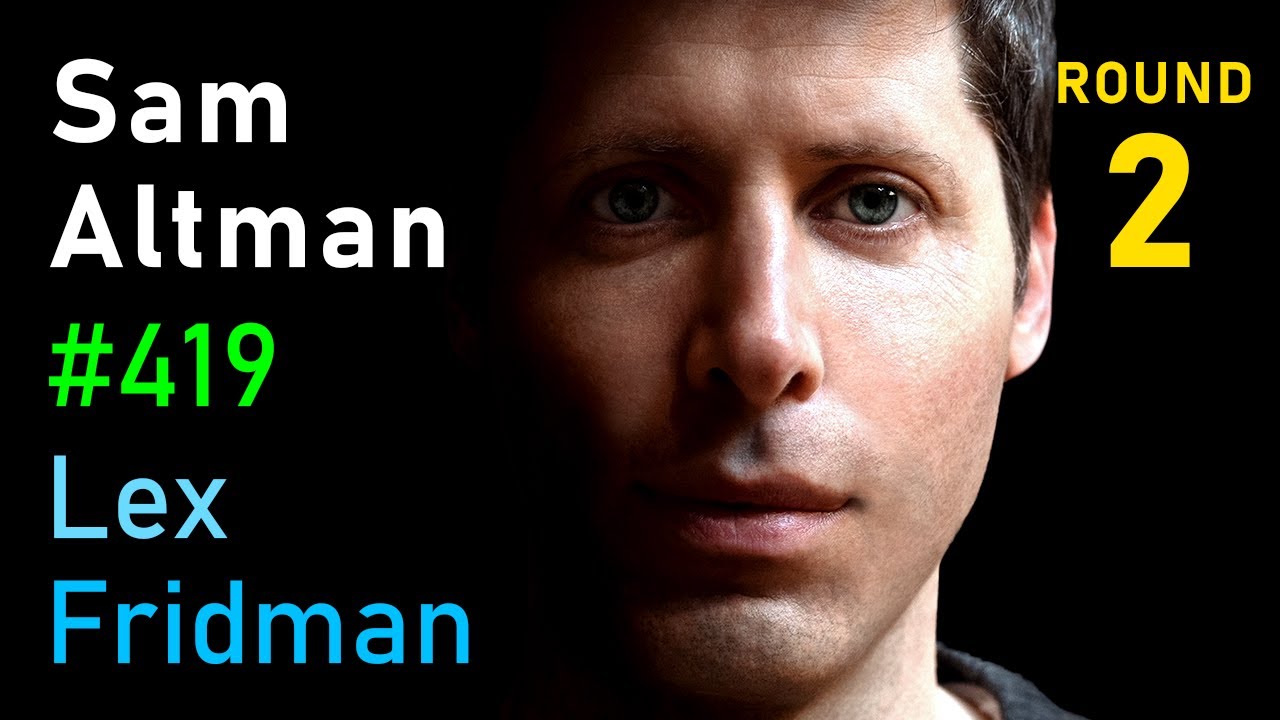 Sam Altman: OpenAI, GPT-5, Sora, Board Saga, Elon Musk, Ilya, Power & AGI
Shares AI safety
1h 55m
Sam Altman: OpenAI, GPT-5, Sora, Board Saga, Elon Musk, Ilya, Power & AGI
Shares AI safety
1h 55m
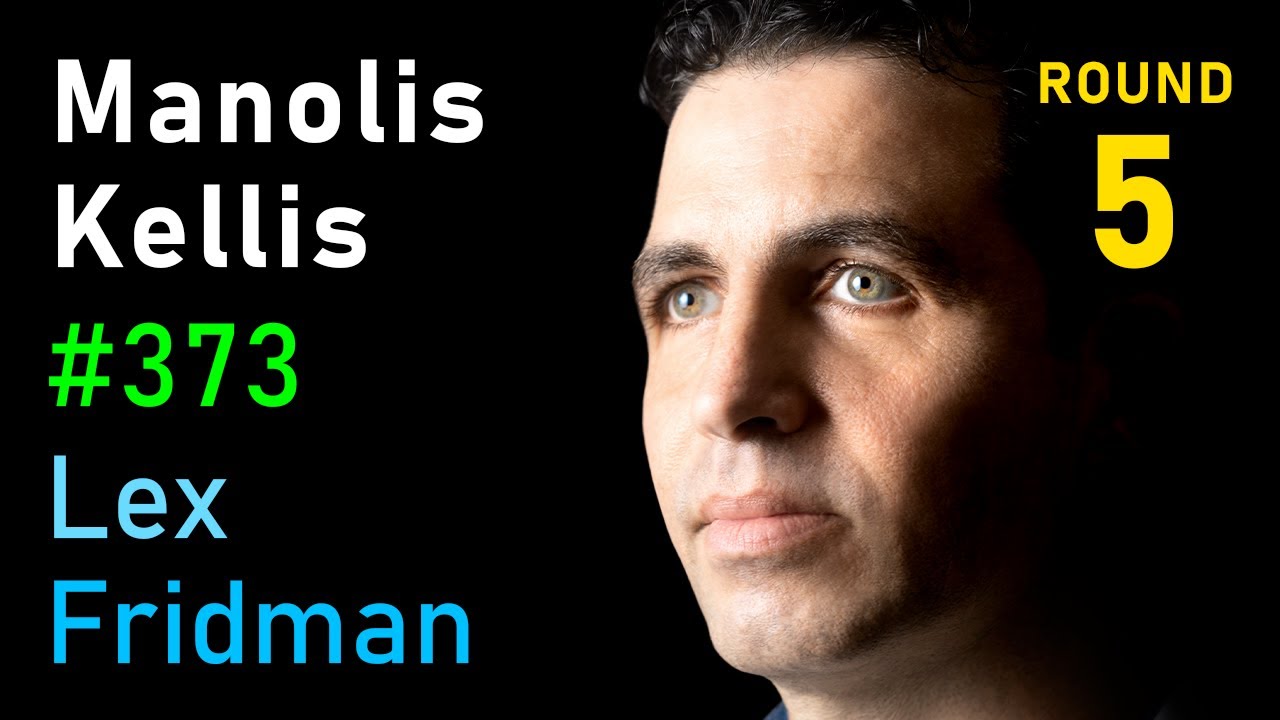 Manolis Kellis: Evolution of Human Civilization and Superintelligent AI
More like this
2h 30m
Manolis Kellis: Evolution of Human Civilization and Superintelligent AI
More like this
2h 30m
AI-generated summary · last refreshed 2026-06-08 21:11:03 · how we make these
Quotes are matched verbatim against the source transcript; references are checked to resolve to real URLs. Even so, AI can misread structure or attribute claims imperfectly. If you spot an error, please let us know.