Terence Tao: Hardest Problems in Mathematics, Physics & the Future of AI
Core Takeaways
Terence Tao engineered a blowup in fluid dynamics by altering Navier-Stokes equations, suggesting fluid-based Turing machines.
Why it matters
This approach could lead to new computational models and applications in robotics and AI.
The Kakeya Problem reveals that a needle can be turned with arbitrarily small area, challenging intuitive notions of space.
▶ 1:00
Why it matters
This challenges traditional mathematical assumptions about space and area, impacting geometric theory.
Tao believes AI can assist in mathematical proofs but struggles with subtle errors and lacks human intuition.
▶ 1:10:00
Why it matters
AI's current limitations highlight the need for human oversight in critical mathematical tasks.
The twin prime conjecture remains unsolved, requiring breakthroughs in other mathematical areas.
▶ 2:00:00
Why it matters
Understanding prime patterns could unlock new insights in number theory and cryptography.
Lean programming enhances mathematical collaboration, though formalizing proofs takes 10 times longer than traditional methods.
▶ 1:30:00
Why it matters
Lean's collaborative potential could revolutionize how mathematicians work together globally.
Ask this episode Deep
A preview of how Deep chat answers, grounded in this episode with citations and timestamps:
Cite this episode
For papers, blog posts, anywhere.
Related episodes
Where to go next from this conversation.
More on these ideas
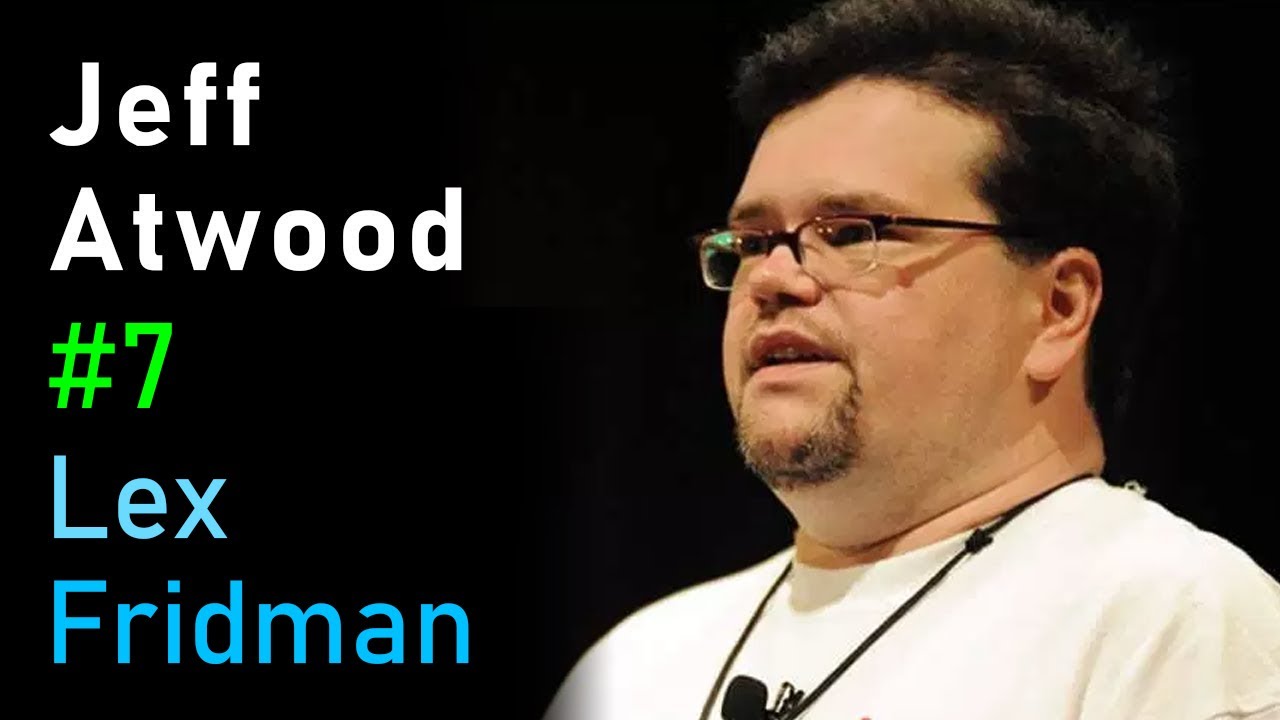 Jeff Atwood: Stack Overflow and Coding Horror
More like this
1h 20m
Jeff Atwood: Stack Overflow and Coding Horror
More like this
1h 20m
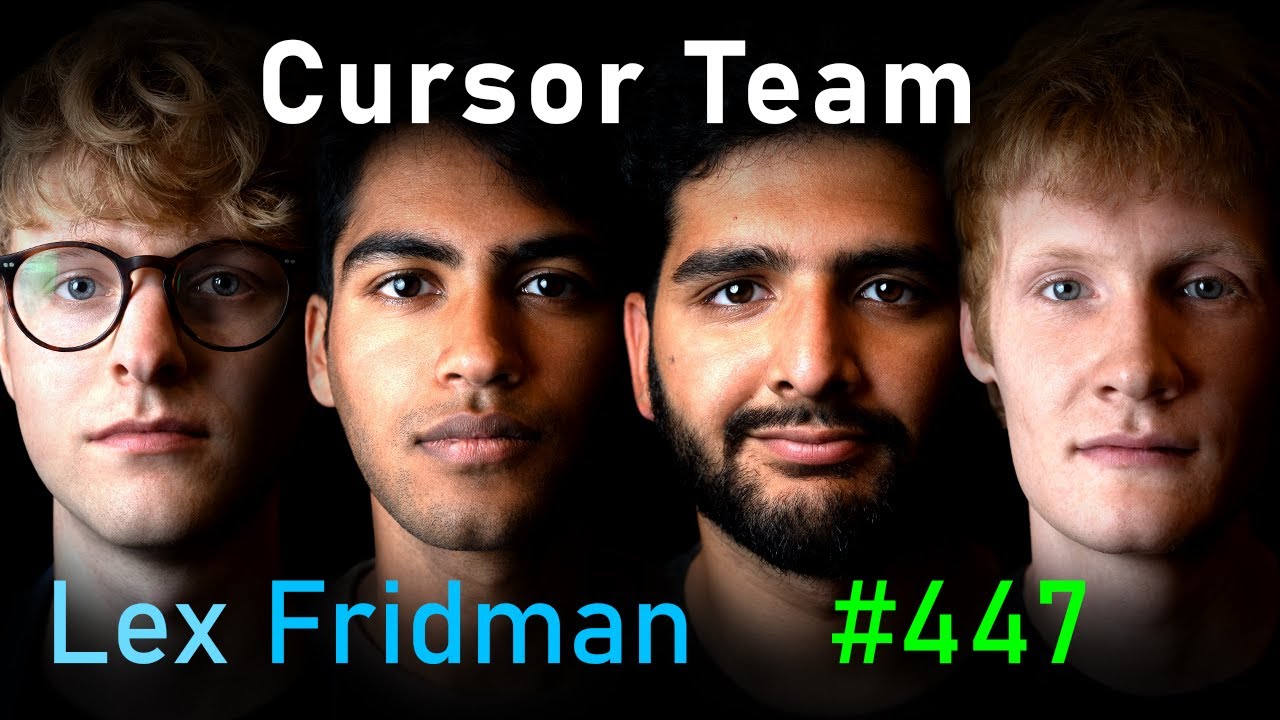 Cursor Team: Future of Programming with AI
More like this
2h 29m
Cursor Team: Future of Programming with AI
More like this
2h 29m
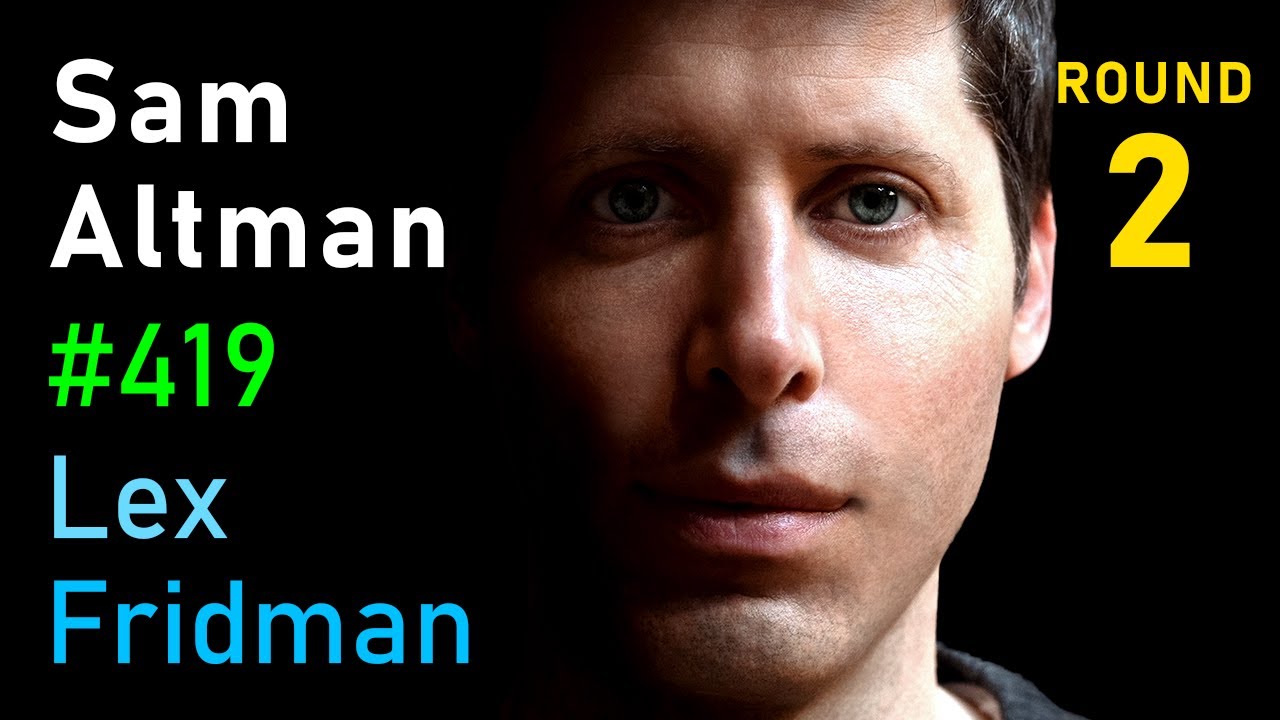 Sam Altman: OpenAI, GPT-5, Sora, Board Saga, Elon Musk, Ilya, Power & AGI
More like this
1h 55m
Sam Altman: OpenAI, GPT-5, Sora, Board Saga, Elon Musk, Ilya, Power & AGI
More like this
1h 55m
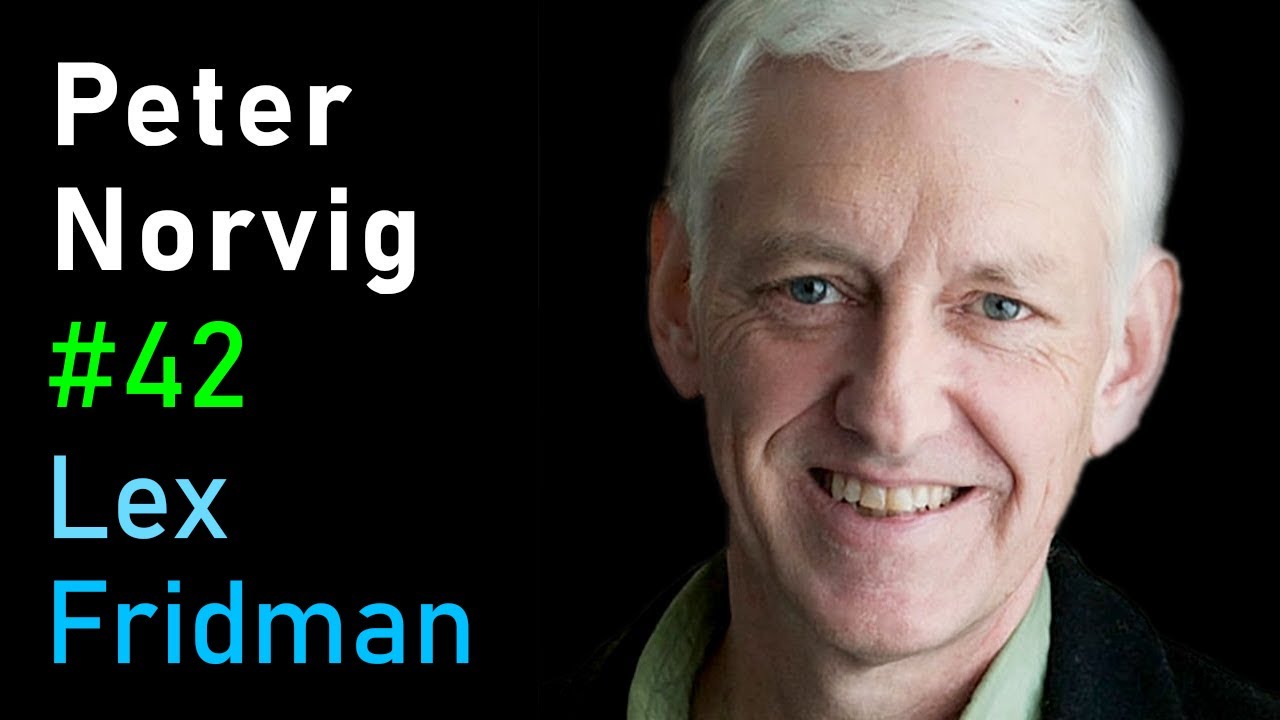 Peter Norvig: Artificial Intelligence: A Modern Approach
More like this
1h 3m
Peter Norvig: Artificial Intelligence: A Modern Approach
More like this
1h 3m
AI-generated summary · last refreshed 2026-05-30 19:07:49 · how we make these
Quotes are matched verbatim against the source transcript; references are checked to resolve to real URLs. Even so, AI can misread structure or attribute claims imperfectly. If you spot an error, please let us know.