Peter Norvig: Artificial Intelligence: A Modern Approach
Core Takeaways
Peter Norvig highlights that achieving equal error rates across protected classes in AI systems is theoretically impossible, necessitating trade-offs.
▶ 12:30
Why it matters
This impossibility forces AI designers to make ethical and practical decisions about which biases to prioritize or mitigate.
Inverse reinforcement learning can infer utility functions from observed actions but struggles with potential self-destructive actions.
▶ 15:45
Why it matters
This limitation reveals a critical challenge in creating AI that can safely and accurately understand human intentions.
Norvig notes that AI's evolution has shifted from Boolean logic to probability and machine learning, with deep learning and big data as key drivers.
▶ 5:20
Why it matters
These shifts indicate a fundamental change in how AI is developed, impacting everything from research focus to commercial applications.
Programming education now emphasizes problem-solving and modeling over syntax mastery, reflecting a broader application beyond professional software engineering.
▶ 25:10
Why it matters
This shift democratizes programming, allowing more people to leverage coding for diverse problem-solving tasks.
Ask this episode Deep
A preview of how Deep chat answers, grounded in this episode with citations and timestamps:
Cite this episode
For papers, blog posts, anywhere.
Related episodes
Where to go next from this conversation.
More on these ideas
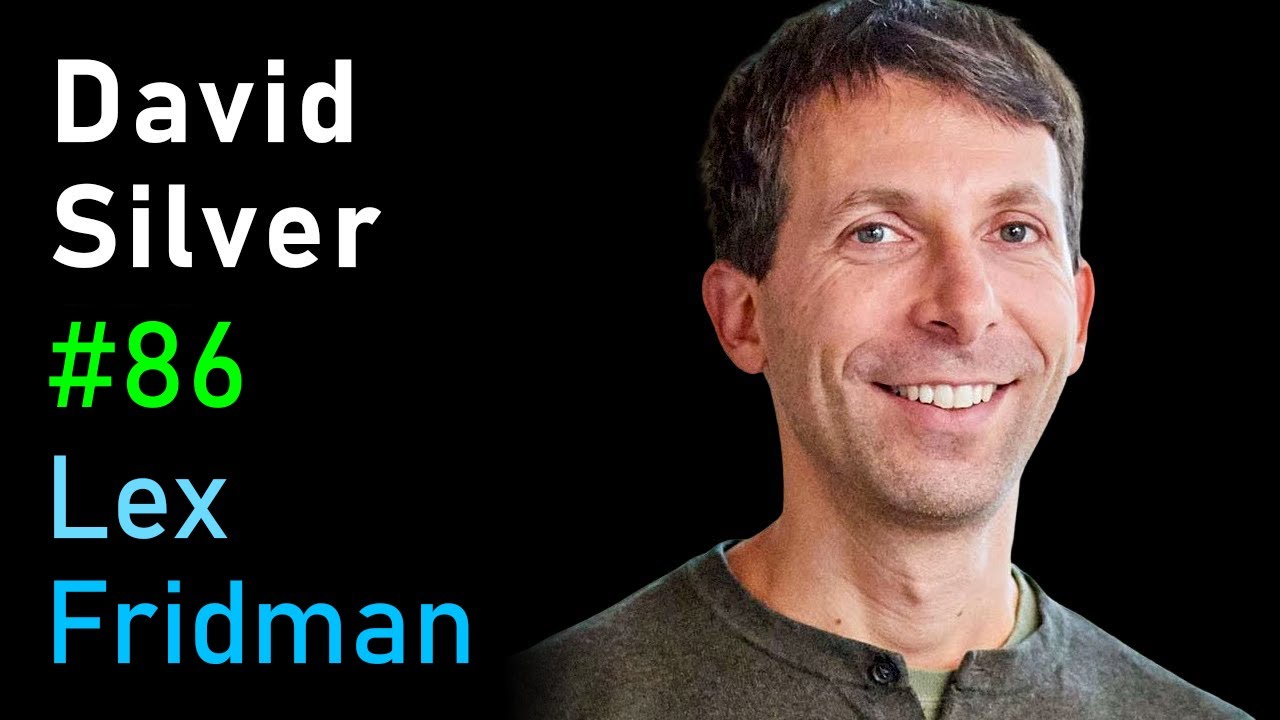 David Silver: AlphaGo, AlphaZero, and Deep Reinforcement Learning
Shares deep learning
1h 48m
David Silver: AlphaGo, AlphaZero, and Deep Reinforcement Learning
Shares deep learning
1h 48m
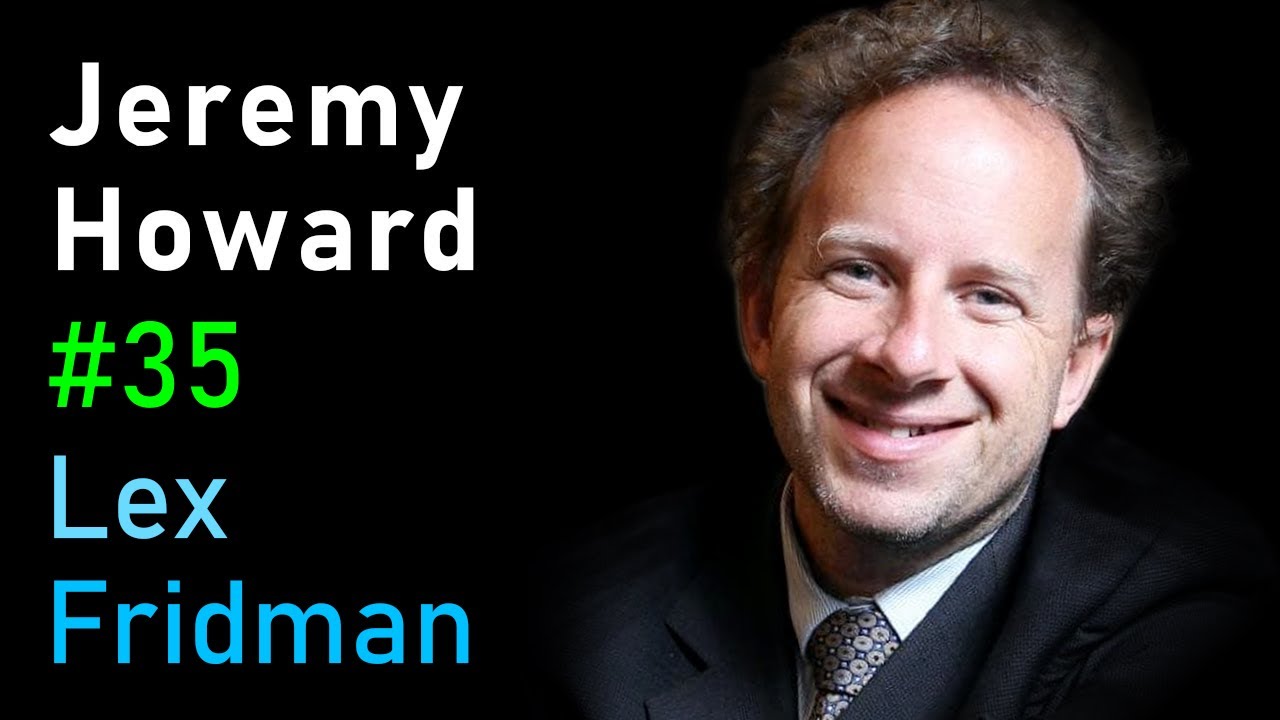 Jeremy Howard: fast.ai Deep Learning Courses and Research
Shares deep learning
1h 44m
Jeremy Howard: fast.ai Deep Learning Courses and Research
Shares deep learning
1h 44m
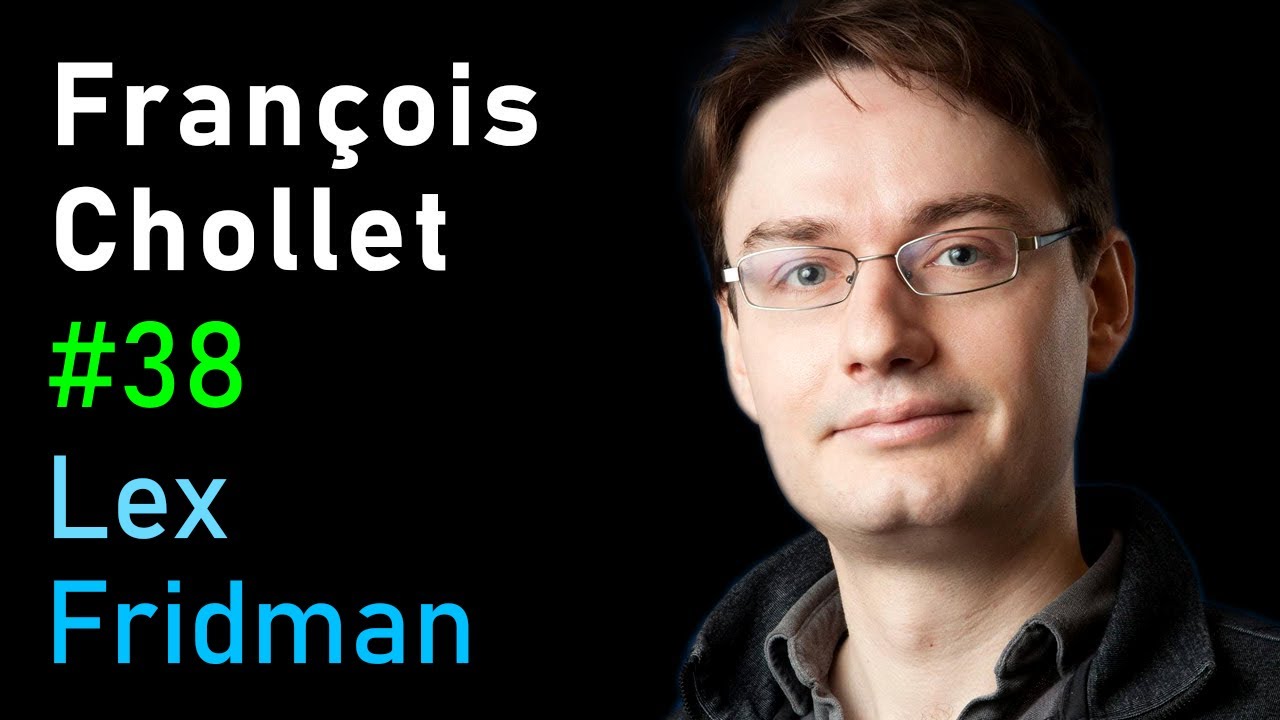 François Chollet: Keras, Deep Learning, and the Progress of AI
Shares deep learning
1h 59m
François Chollet: Keras, Deep Learning, and the Progress of AI
Shares deep learning
1h 59m
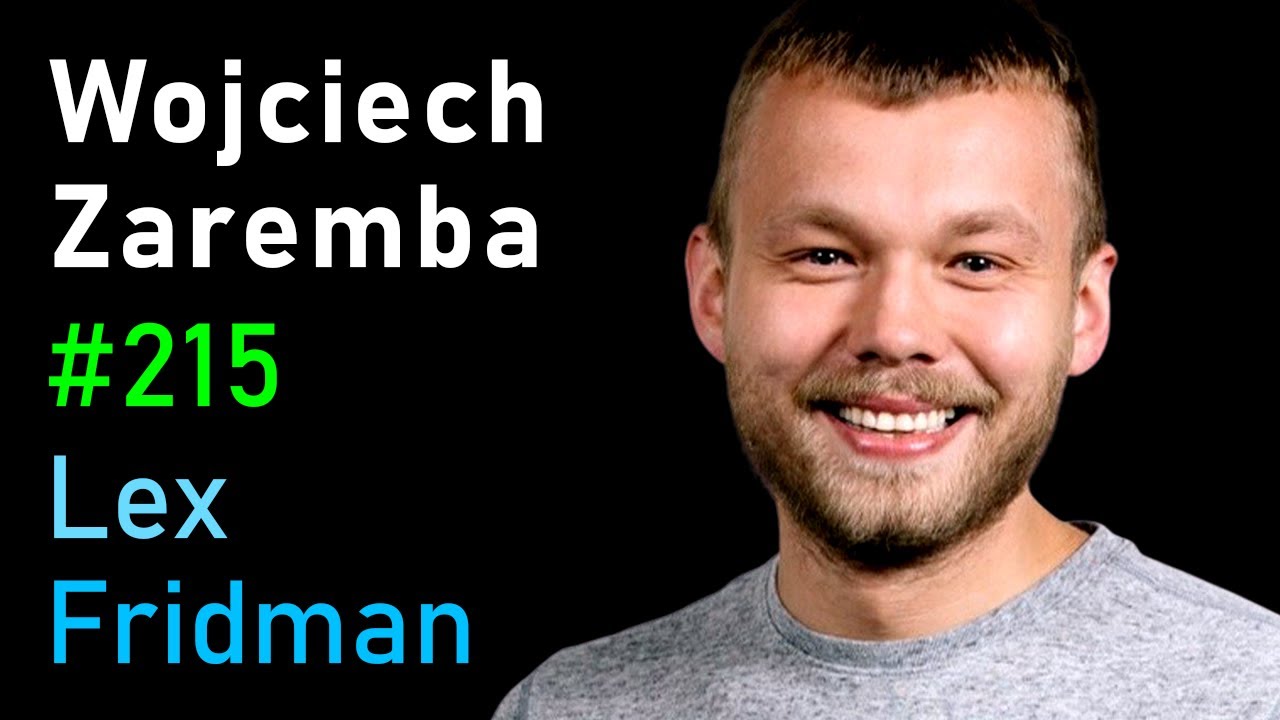 Wojciech Zaremba: OpenAI Codex, GPT-3, Robotics, and the Future of AI
Shares deep learning
2h 51m
Wojciech Zaremba: OpenAI Codex, GPT-3, Robotics, and the Future of AI
Shares deep learning
2h 51m
AI-generated summary · last refreshed 2026-06-08 18:34:54 · how we make these
Quotes are matched verbatim against the source transcript; references are checked to resolve to real URLs. Even so, AI can misread structure or attribute claims imperfectly. If you spot an error, please let us know.