Keyu Jin: China's Economy, Tariffs, Trade, Trump, Communism & Capitalism
Core Takeaways
China's economy is decentralized, with local mayors driving reforms and innovation, despite political centralization.
▶ 2:00
Why it matters
Local governance plays a crucial role in China's economic success, challenging the view of monolithic central control.
Keyu Jin argues China's economic model is more capitalist than perceived, with intense competition and consumer ambition.
▶ 5:00
Why it matters
This challenges Western perceptions of China's economy, suggesting a dynamic interplay of capitalism and socialism.
The one-child policy has led to demographic shifts impacting China's labor market and economic dynamics.
▶ 1:15:00
Why it matters
These shifts pose long-term challenges for China's economic growth and social stability.
US export controls have inadvertently accelerated China's technological innovation, contrary to their intended effect.
▶ 1:20:00
Why it matters
This suggests that restrictive policies can backfire, spurring the innovation they aim to stifle.
Ask this episode Deep
A preview of how Deep chat answers, grounded in this episode with citations and timestamps:
Cite this episode
For papers, blog posts, anywhere.
Related episodes
Where to go next from this conversation.
More on these ideas
 Magatte Wade: Africa, Capitalism, Communism, and the Future of Humanity
Shares tariffs
3h 33m
Magatte Wade: Africa, Capitalism, Communism, and the Future of Humanity
Shares tariffs
3h 33m
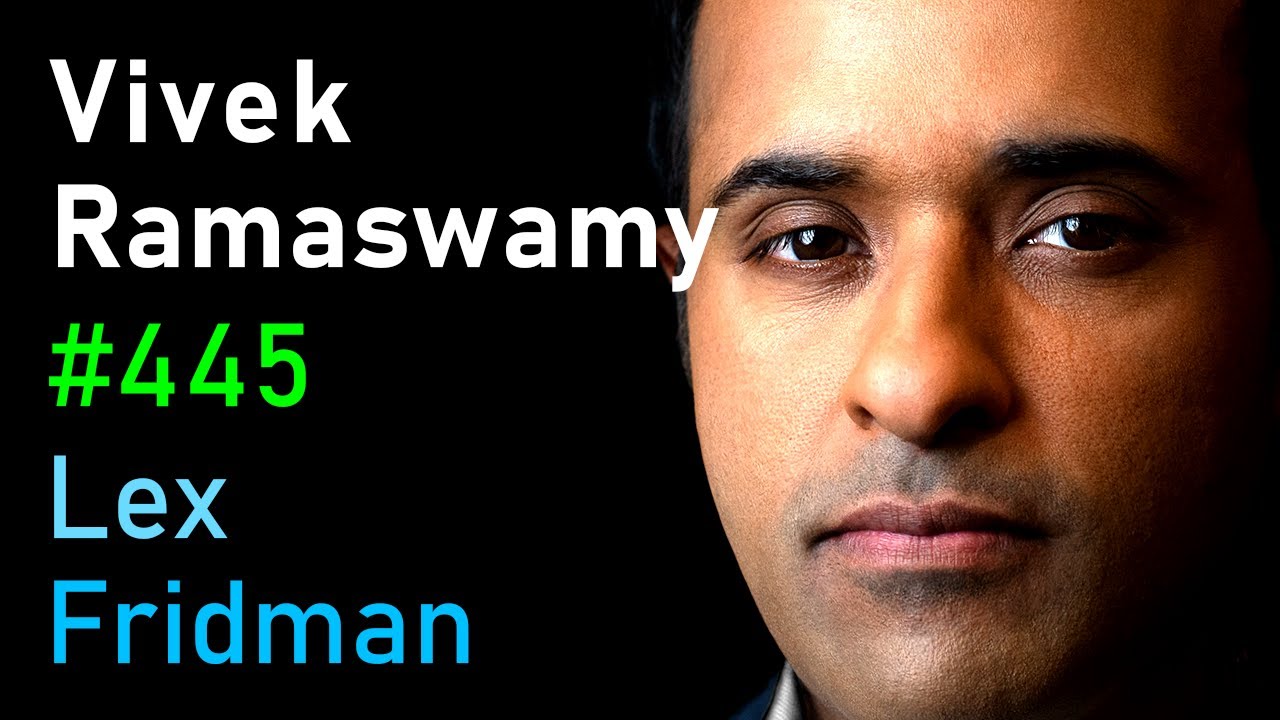 Vivek Ramaswamy: Trump, Conservatism, Nationalism, Immigration, and War
Shares meritocracy
2h 40m
Vivek Ramaswamy: Trump, Conservatism, Nationalism, Immigration, and War
Shares meritocracy
2h 40m
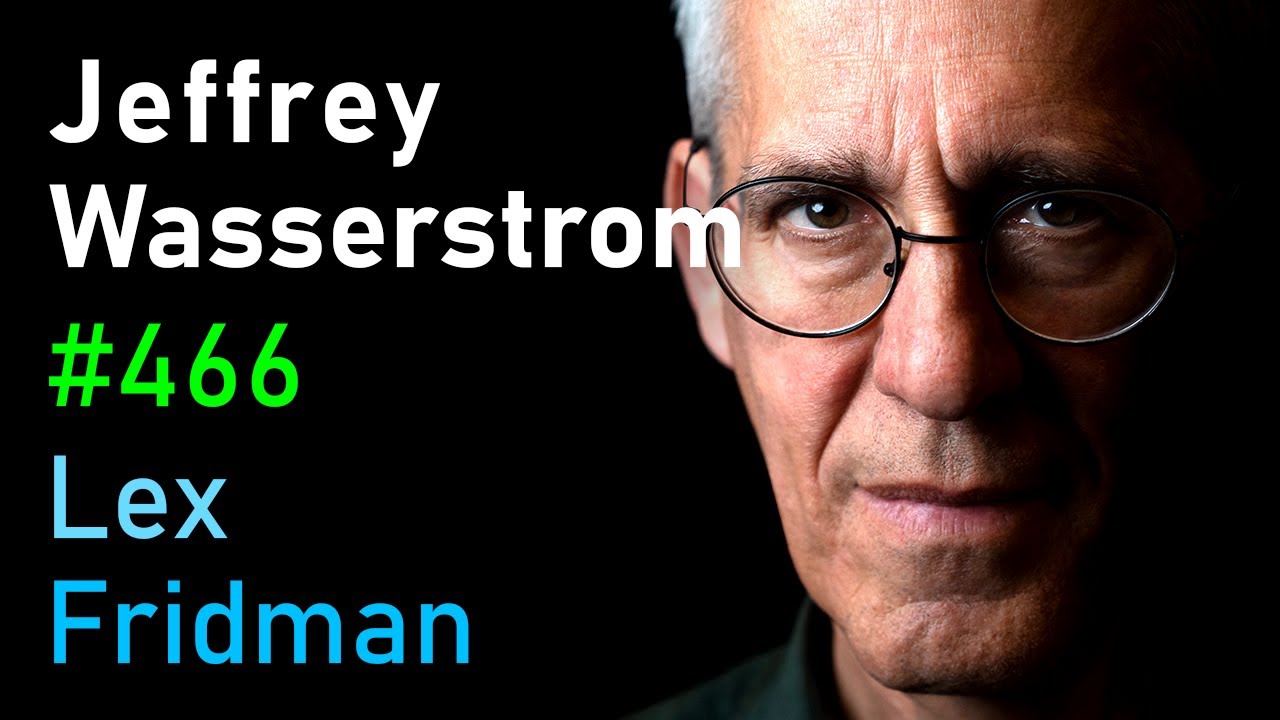 Jeffrey Wasserstrom: China, Xi Jinping, Trade War, Taiwan, Hong Kong, Mao
More like this
3h 4m
Jeffrey Wasserstrom: China, Xi Jinping, Trade War, Taiwan, Hong Kong, Mao
More like this
3h 4m
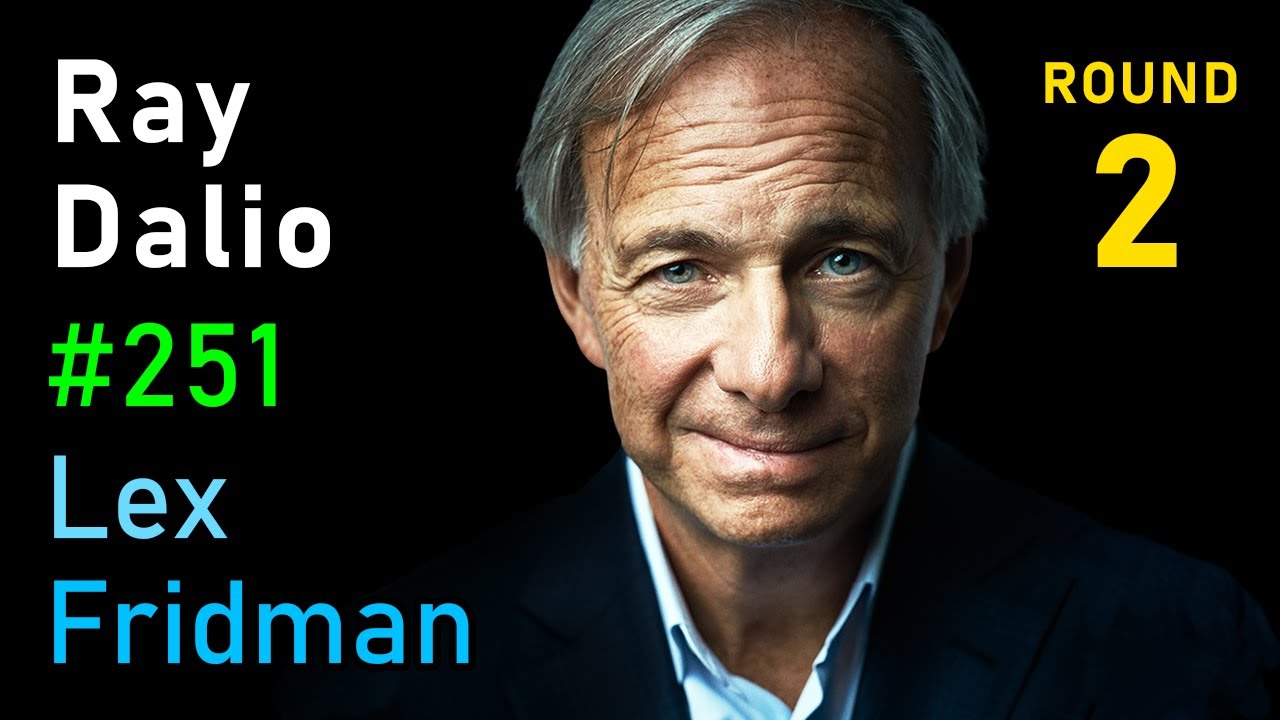 Ray Dalio: Money, Power, and the Collapse of Empires
More like this
1h 32m
Ray Dalio: Money, Power, and the Collapse of Empires
More like this
1h 32m
AI-generated summary · last refreshed 2026-05-29 03:35:45 · how we make these
Quotes are matched verbatim against the source transcript; references are checked to resolve to real URLs. Even so, AI can misread structure or attribute claims imperfectly. If you spot an error, please let us know.