Jennifer Burns: Milton Friedman, Ayn Rand, Economics, Capitalism, Freedom
Core Takeaways
Milton Friedman and Ayn Rand shared individualist philosophies but diverged in pragmatism versus purism.
Why it matters
This divergence highlights the varied applications of individualism in economic theory and practice.
Friedman attributed the Great Depression's severity to a 30% drop in money supply, not capitalism's failure.
▶ 13:45
Why it matters
This perspective shifts blame from capitalism to institutional failures, influencing economic policy debates.
Friedman predicted stagflation, challenging the Phillips Curve's inflation-unemployment trade-off.
▶ 1:15:30
Why it matters
His prediction reshaped economic policy, demonstrating the limits of traditional economic models.
Ayn Rand's Objectivism redefines selfishness as self-actualization, clashing with traditional views.
▶ 2:30:00
Why it matters
Rand's philosophy influences debates on self-interest and morality in capitalist societies.
Friedman's monetarism posits inflation as a monetary phenomenon, advocating for steady money supply growth.
▶ 1:50:00
Why it matters
Understanding monetarism's principles is crucial for managing inflation and economic stability.
Ask this episode Deep
A preview of how Deep chat answers, grounded in this episode with citations and timestamps:
Cite this episode
For papers, blog posts, anywhere.
Related episodes
Where to go next from this conversation.
More on these ideas
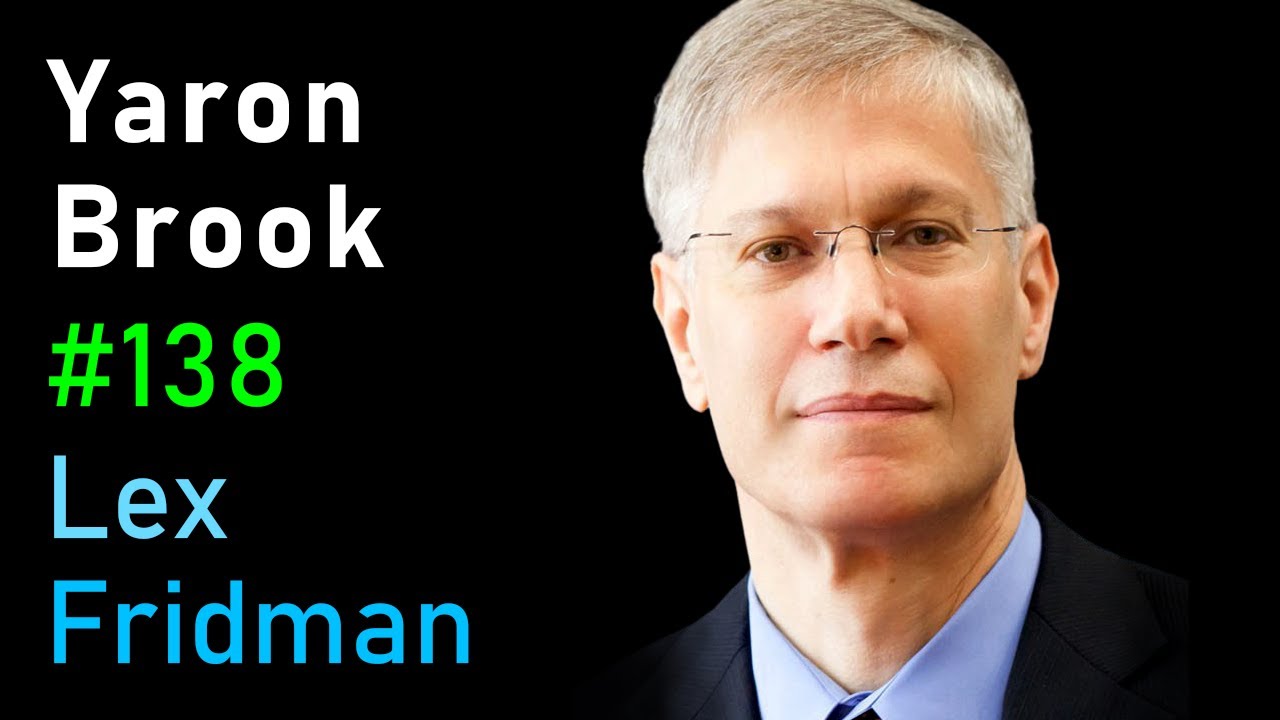 Yaron Brook: Ayn Rand and the Philosophy of Objectivism
Shares capitalism, objectivism
2h 49m
Yaron Brook: Ayn Rand and the Philosophy of Objectivism
Shares capitalism, objectivism
2h 49m
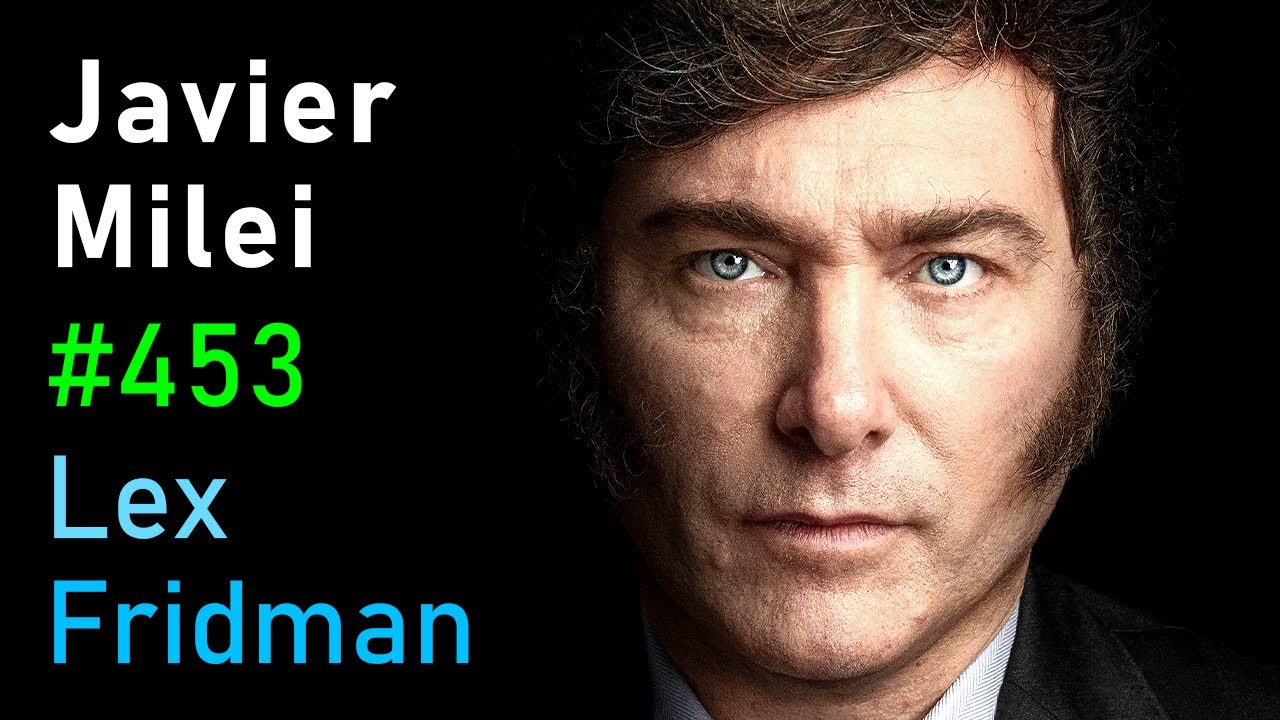 Javier Milei: President of Argentina - Freedom, Economics, and Corruption
Shares capitalism
1h 57m
Javier Milei: President of Argentina - Freedom, Economics, and Corruption
Shares capitalism
1h 57m
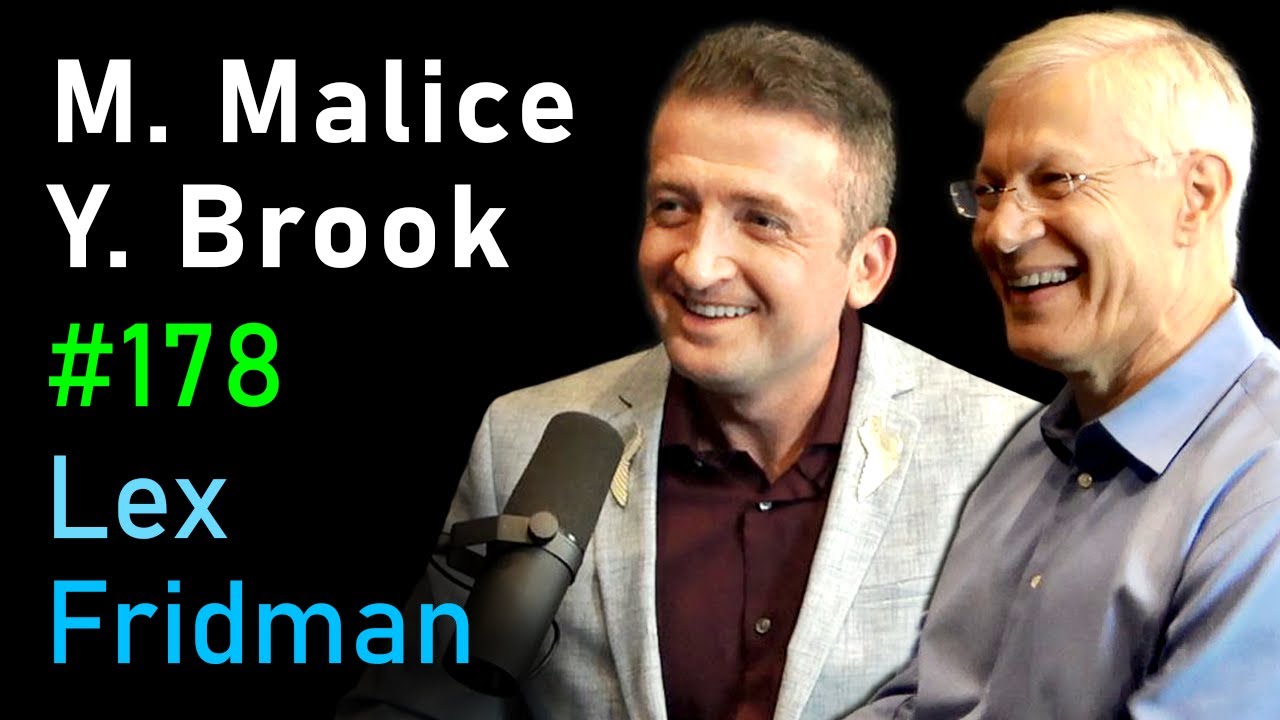 Michael Malice and Yaron Brook: Ayn Rand, Human Nature, and Anarchy
Shares individualism, objectivism
4h 25m
Michael Malice and Yaron Brook: Ayn Rand, Human Nature, and Anarchy
Shares individualism, objectivism
4h 25m
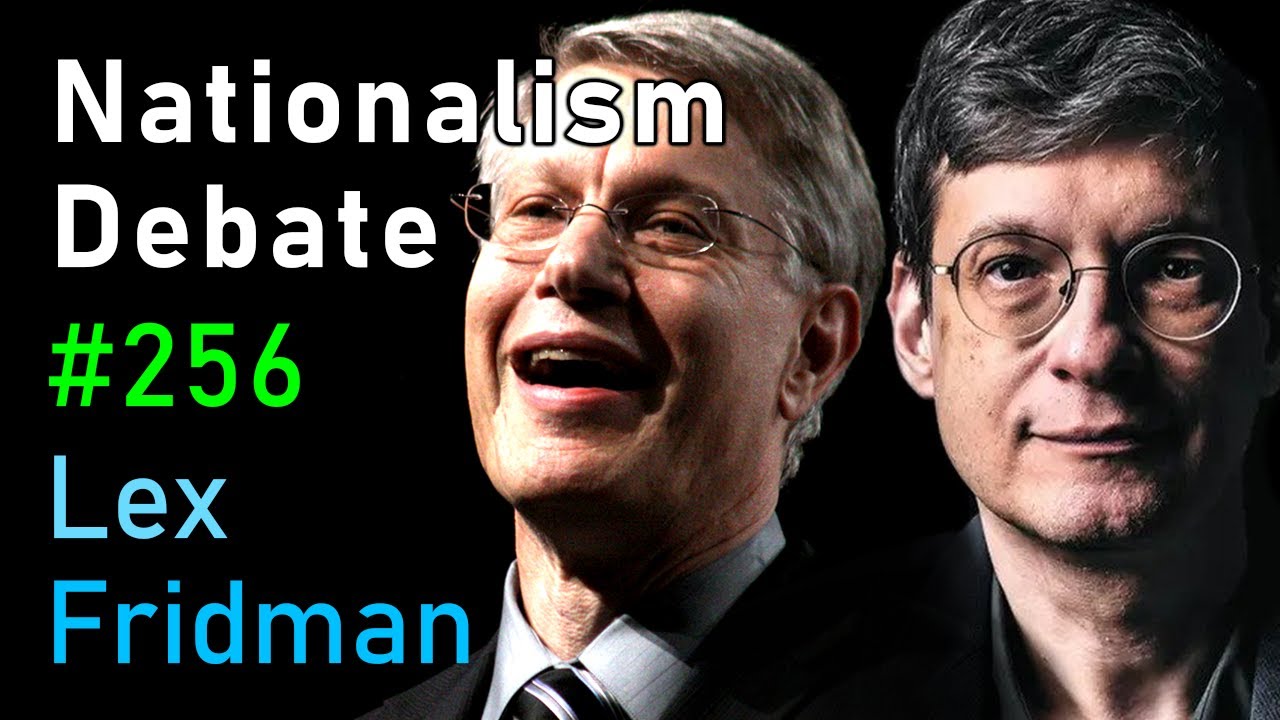 Nationalism Debate: Yaron Brook and Yoram Hazony
Shares individualism
2h 58m
Nationalism Debate: Yaron Brook and Yoram Hazony
Shares individualism
2h 58m
AI-generated summary · last refreshed 2026-05-29 03:41:47 · how we make these
Quotes are matched verbatim against the source transcript; references are checked to resolve to real URLs. Even so, AI can misread structure or attribute claims imperfectly. If you spot an error, please let us know.