Charan Ranganath: Human Memory, Imagination, Deja Vu, and False Memories
Core Takeaways
False memories form when original memories mix with misinformation, leading to vivid but inaccurate recollections.
▶ 1:10:00
Why it matters
Recognizing how false memories form is crucial for legal contexts and understanding misinformation spread.
Ask this episode Deep
A preview of how Deep chat answers, grounded in this episode with citations and timestamps:
Cite this episode
For papers, blog posts, anywhere.
Related episodes
Where to go next from this conversation.
More on these ideas
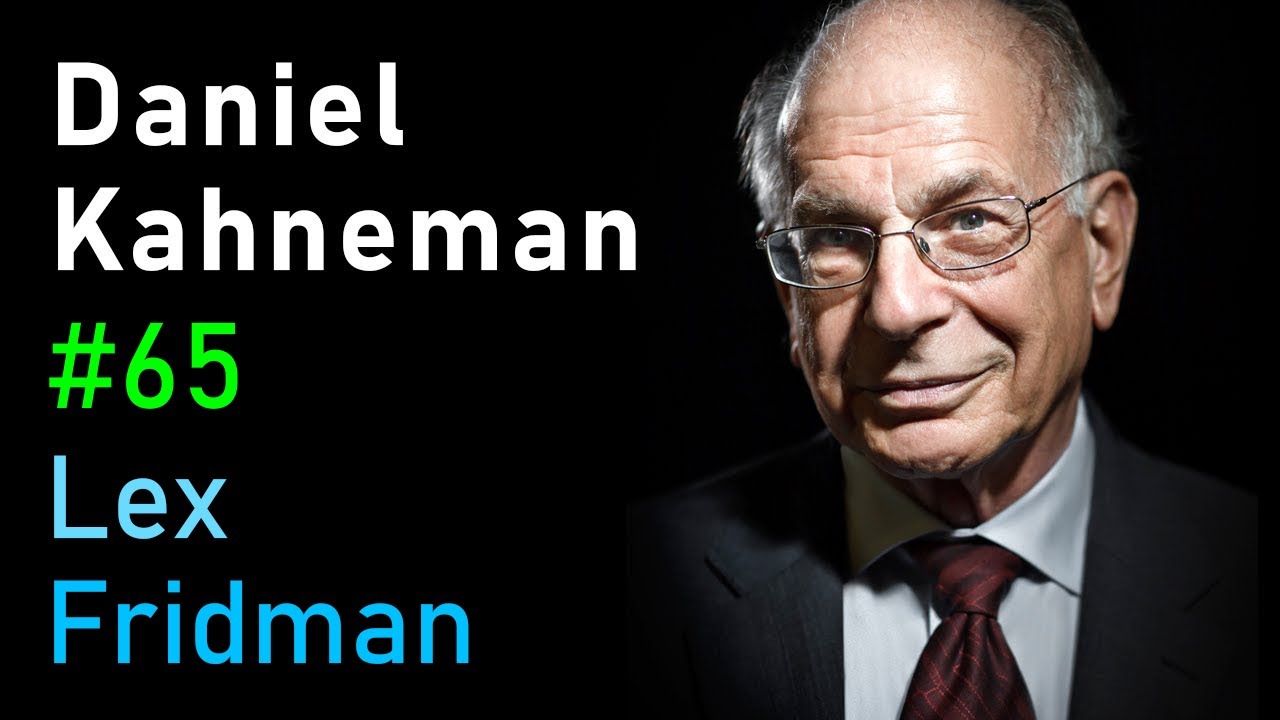 Daniel Kahneman: Thinking Fast and Slow, Deep Learning, and AI
More like this
1h 18m
Daniel Kahneman: Thinking Fast and Slow, Deep Learning, and AI
More like this
1h 18m
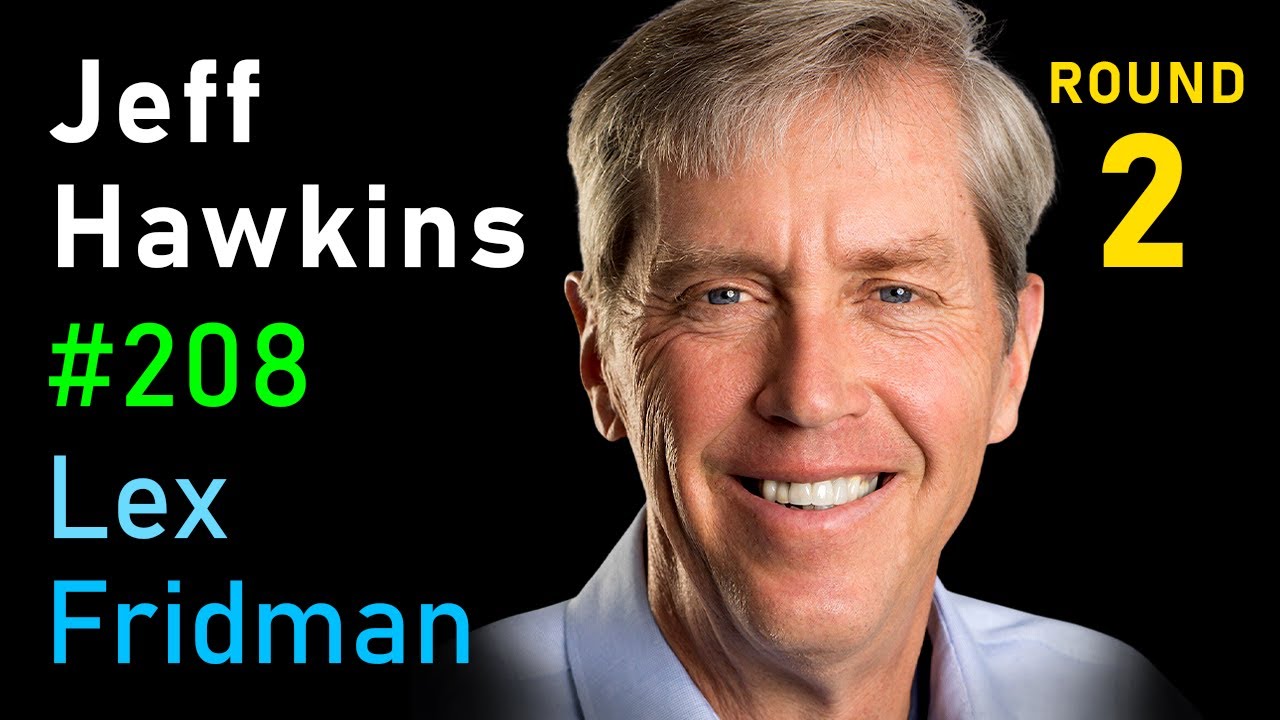 Jeff Hawkins: The Thousand Brains Theory of Intelligence
More like this
2h 18m
Jeff Hawkins: The Thousand Brains Theory of Intelligence
More like this
2h 18m
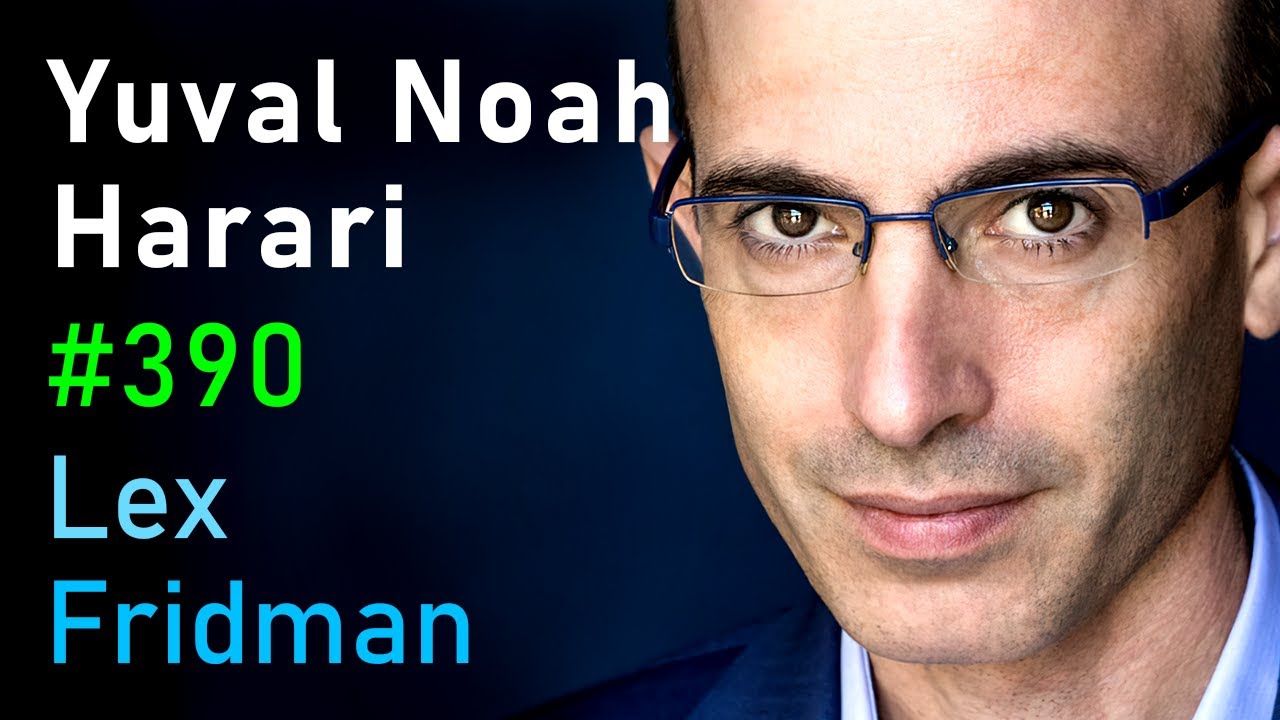 Yuval Noah Harari: Human Nature, Intelligence, Power, and Conspiracies
More like this
2h 44m
Yuval Noah Harari: Human Nature, Intelligence, Power, and Conspiracies
More like this
2h 44m
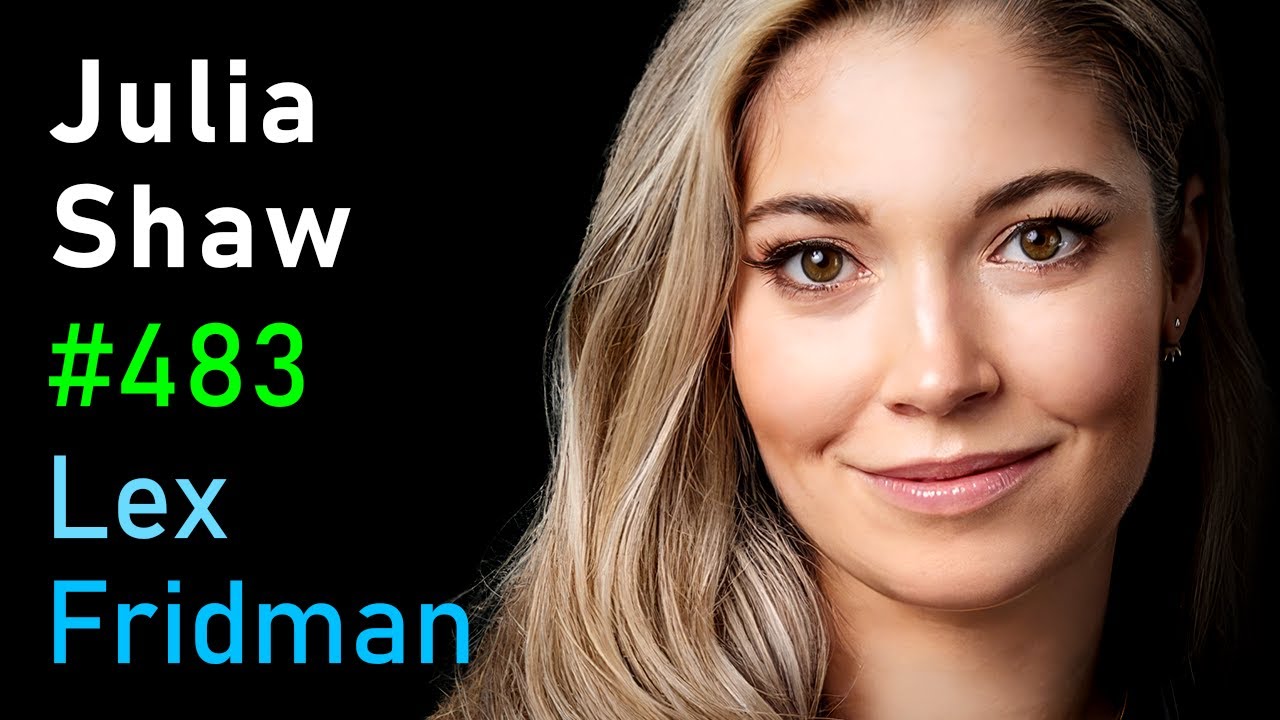 Julia Shaw: Criminal Psychology of Murder, Serial Killers, Memory & Sex
Shares memory
2h 42m
Julia Shaw: Criminal Psychology of Murder, Serial Killers, Memory & Sex
Shares memory
2h 42m
AI-generated summary · last refreshed 2026-05-29 03:51:08 · how we make these
Quotes are matched verbatim against the source transcript; references are checked to resolve to real URLs. Even so, AI can misread structure or attribute claims imperfectly. If you spot an error, please let us know.