IM
Guest dossier
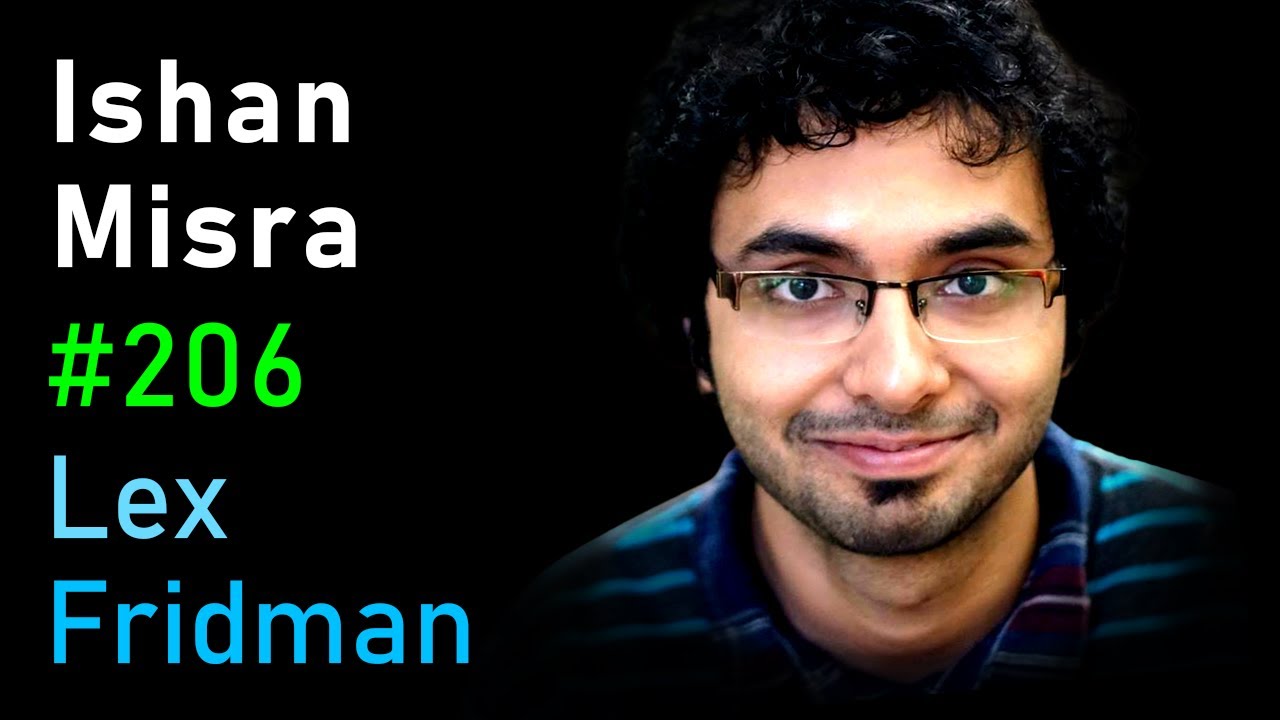
Ishan Misra
researcher
Across 1 conversation, Ishan Misra ranges across computer vision, contrastive learning, TensorFlow. Self-supervised learning uses data itself as supervision, eliminating the need for labeled datasets like ImageNet, which took 22 human years to annotate. Self-supervised learning in computer vision can predict missing elements in sequences, such as video frames, enhancing model understanding.
Synthesized by TLexDR from 1 conversation. AI-generated. Report an inaccuracy
The idea map
Ishan's intellectual territory
Click a star to read the quotes and jump into the episode.
For the specialist
previewSEER's use of uncurated images represents a significant shift from traditional curated datasets, potentially reducing biases and improving model diversity.
#206Ishan Misra: Self-Supervised Deep Learning in Computer Vision
Contrastive learning's reliance on positive and negative pairs is crucial for effective embedding learning, impacting both NLP and computer vision.
#206Ishan Misra: Self-Supervised Deep Learning in Computer Vision
PyTorch's imperative nature and ease of debugging make it more accessible for developers, aligning with common programming paradigms.
#206Ishan Misra: Self-Supervised Deep Learning in Computer Vision
The appearance
Every conversation, in order
Reading list
What they pointed you toward
papers
articles
others
Every idea, by region
The full territory
self-supervised learning
computer visioncontrastive learningTensorFlowself-supervised learningPyTorchdata augmentationAdjacent minds