All topics / computer vision
Topic
You are reading the free Skim layer. Read unlocks the synthesis and sources.
Computer vision
2
episodes
2
thinkers
4h
of conversation
9
books & papers
5
terms defined
The neighbourhood: computer vision and the ideas it travels with. Drag to roam, click a star for the episode, click a neighbour to travel.
Drag to roam · scroll to zoom · click a neighbour to travel · click a star for the episode
From foundational to frontier
Climb the spectrum. The most accessible conversations come first.
Start here
ACCESSIBLECOREFRONTIER
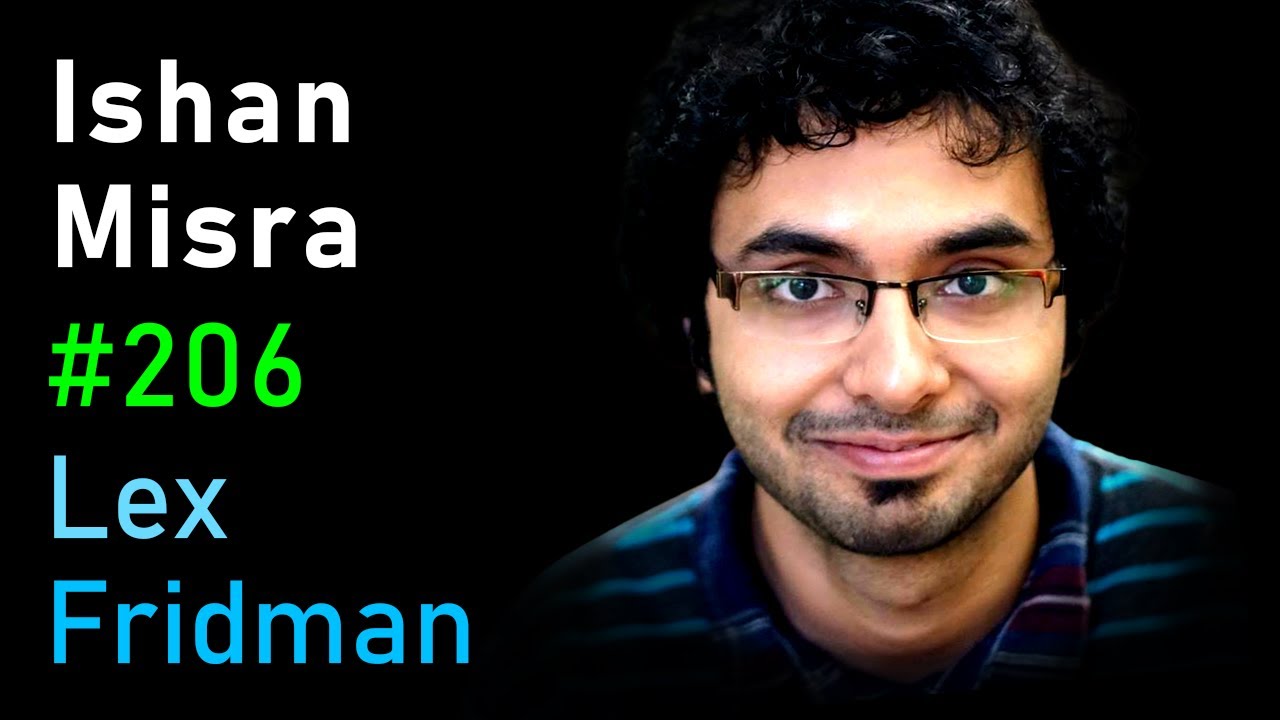
The lexicon
Every term the guests lean on, in plain language. Read one in full, or filter to find it.
What the corpus says
The throughline across every conversation that touches this idea.
Self-supervised learning uses data itself as supervision, eliminating the need for labeled datasets like ImageNet, which took 22 human years to annotate.
Self-supervised learning in computer vision can predict missing elements in sequences, such as video frames, enhancing model understanding.
Contrastive learning in self-supervised contexts uses positive and negative pairs to learn embeddings, crucial for both NLP and computer vision.
The SEER system trains large models using uncurated internet images, moving away from biases of curated datasets like ImageNet.
PyTorch is favored over TensorFlow for its ease of debugging, aligning with imperative programming paradigms.
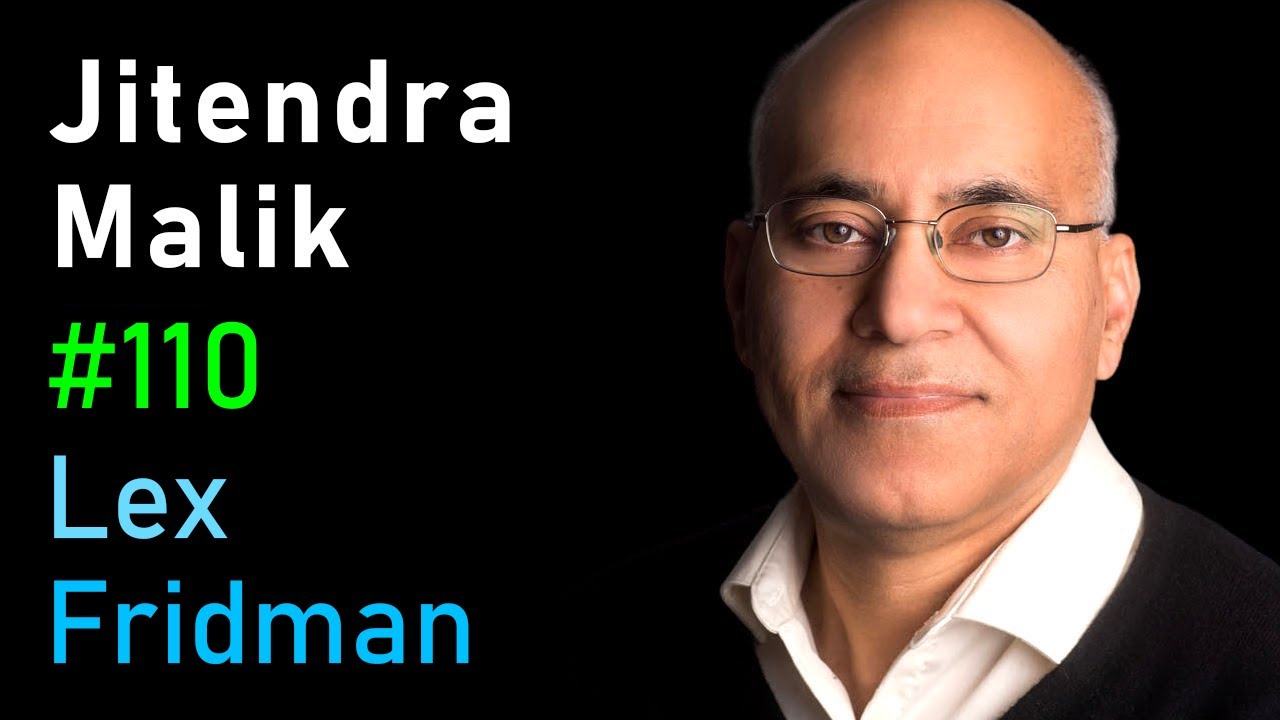
Jitendra Malik argues that achieving 99% of a computer vision solution is exponentially harder than reaching 50%, due to complex edge cases.
Jitendra Malik · Jitendra Malik: Computer Vision
Malik believes current AI systems require far more data than humans to learn similar capabilities, highlighting inefficiencies in existing models.
Jitendra Malik · Jitendra Malik: Computer Vision
Video recognition technology is a decade behind static image processing, with action classification performance stuck at around 30%.
Jitendra Malik · Jitendra Malik: Computer Vision
Malik emphasizes the importance of segmentation in computer vision, which allows object identification without needing explicit naming.
Jitendra Malik · Jitendra Malik: Computer Vision
Biological vision systems use feedback mechanisms and shallower networks, contrasting with the deeper, feed-forward networks in artificial vision.
Jitendra Malik · Jitendra Malik: Computer Vision
Voices on computer vision
6 standout quotes from across the corpus.
Go read
9 books and papers cited across these episodes.
For the specialist
What experts find new
5 expert-level takeaways for a specialist reader.
At the frontier
Still unresolved
3 open questions flagged across these conversations.
The thinkers
Who takes this idea on, by how often they return to it.