All topics / neurology
Topic
You are reading the free Skim layer. Read unlocks the synthesis and sources.
Neurology
1
episodes
1
thinkers
1h
of conversation
1
books & papers
1
terms defined
The neighbourhood: neurology and the ideas it travels with. Drag to roam, click a star for the episode, click a neighbour to travel.
Drag to roam · scroll to zoom · click a neighbour to travel · click a star for the episode
From foundational to frontier
Climb the spectrum. The most accessible conversations come first.
Start here
ACCESSIBLECOREFRONTIER
The lexicon
Every term the guests lean on, in plain language. Read one in full, or filter to find it.
What the corpus says
The throughline across every conversation that touches this idea.
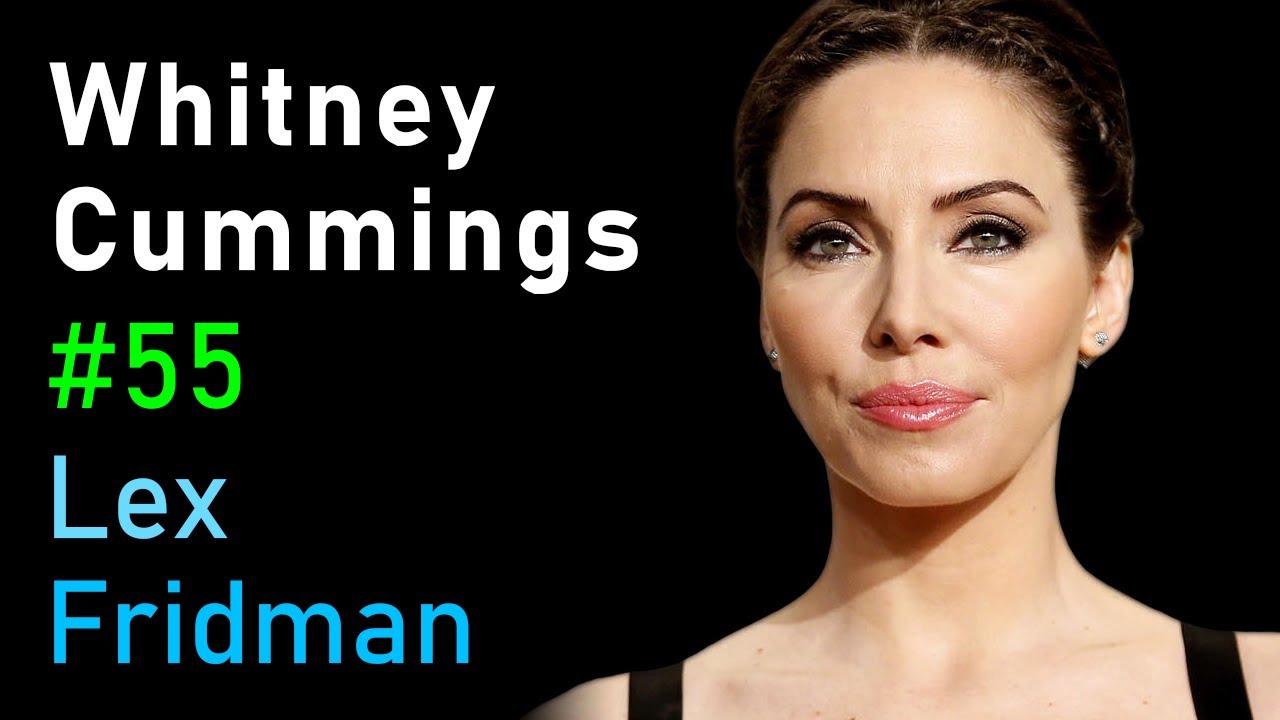
Whitney Cummings argues that robots could be more beneficial than feared, especially for lower-income populations who see them as potential helpers.
Whitney Cummings · Whitney Cummings: Comedy, Robotics, Neurology, and Love
Cummings suggests that genderless robots might avoid unnecessary drama and sexualization, making them suitable for roles like babysitters or doctors.
Whitney Cummings · Whitney Cummings: Comedy, Robotics, Neurology, and Love
Surveillance is seen as a tool for better behavior, with Cummings noting that those most negative about it may have secrets to hide.
Whitney Cummings · Whitney Cummings: Comedy, Robotics, Neurology, and Love
Cummings posits that passion, while life-affirming, can become addictive and detrimental if it leads to poor life choices.
Whitney Cummings · Whitney Cummings: Comedy, Robotics, Neurology, and Love
Cummings believes that people might develop deeper emotional connections with robots than humans due to the lack of judgment in robotic companionship.
Whitney Cummings · Whitney Cummings: Comedy, Robotics, Neurology, and Love
Voices on neurology
5 standout quotes from across the corpus.
Go read
1 books and papers cited across these episodes.
For the specialist
What experts find new
3 expert-level takeaways for a specialist reader.
At the frontier
Still unresolved
1 open questions flagged across these conversations.
The thinkers
Who takes this idea on, by how often they return to it.