All topics / space colonization
Topic
You are reading the free Skim layer. Read unlocks the synthesis and sources.
Space colonization
3
episodes
3
thinkers
8h
of conversation
16
books & papers
8
terms defined
The neighbourhood: space colonization and the ideas it travels with. Drag to roam, click a star for the episode, click a neighbour to travel.
Drag to roam · scroll to zoom · click a neighbour to travel · click a star for the episode
From foundational to frontier
Climb the spectrum. The most accessible conversations come first.
Start here
ACCESSIBLECOREFRONTIER


The lexicon
Every term the guests lean on, in plain language. Read one in full, or filter to find it.
What the corpus says
The throughline across every conversation that touches this idea.
Adam Frank estimates there are 10 billion trillion habitable zone planets, implying numerous opportunities for life.
The Drake Equation's F-sub-P factor is now considered one, meaning every star has planets.
Frank argues that the strict definition of the habitable zone excludes potential life-supporting environments like Europa.
Frank suggests humanity could colonize the solar system within a few centuries, using nanofiber bags for asteroid habitats.
Frank believes the evidence for UFOs and UAPs lacks the rigor required for scientific validation.
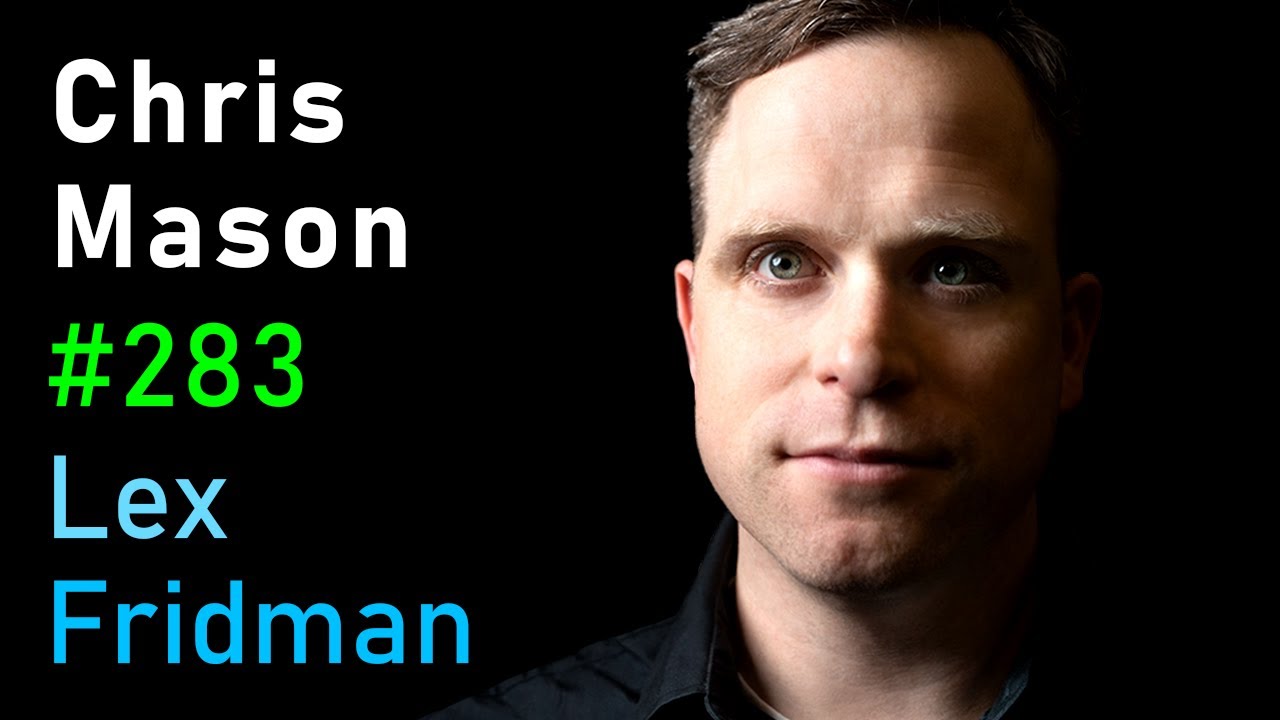
Chris Mason argues humanity's awareness of extinction gives us a moral duty to preserve life across generations.
Mason believes humanity has the best chance of long-term survival, potentially addressing cosmic challenges like the heat death of the universe.
Mars is considered a viable option for colonization, with its gravity and potential habitats like lava tubes offering protection.
The cost of space travel remains high, with Axiom's mission to the ISS costing approximately $55 million per trip.
CRISPR technology is advancing towards modifying genes for health and survival in space, such as reactivating pseudogenes.
Self-assembling space structures use modular algorithms to autonomously construct habitats, reducing reliance on Earth-based logistics.
MIT's self-assembly tiles can form structures up to 10 meters in diameter, inspired by natural patterns and error correction mechanisms.
Voices on space colonization
12 standout quotes from across the corpus.
Go read
16 books and papers cited across these episodes.
For the specialist
What experts find new
7 expert-level takeaways for a specialist reader.
At the frontier
Still unresolved
5 open questions flagged across these conversations.
The thinkers
Who takes this idea on, by how often they return to it.