Chris Voss: FBI Hostage Negotiator
Core Takeaways
Chris Voss argues that empathy, not agreement, is crucial in negotiations, allowing one to understand adversaries without siding with them.
Why it matters
Understanding an adversary's perspective without agreement can lead to more effective negotiation outcomes, crucial in high-stakes scenarios.
Hostage negotiation success rates are around 93%, but failures often occur due to the other party's unwillingness to make a deal.
▶ 1:02:45
Why it matters
This high success rate underscores the effectiveness of negotiation techniques but also highlights the limitations when the other party is not cooperative.
The U.S. policy of not negotiating with terrorists is misunderstood; communication does occur despite the public stance.
▶ 1:05:30
Why it matters
Clarifying this policy can reshape public perception and diplomatic strategies, impacting international relations.
Voss contends that assertive negotiation tactics are counterproductive, often triggering fight or flight responses.
▶ 1:08:15
Why it matters
Recognizing the limitations of assertiveness can improve negotiation outcomes by fostering a more collaborative atmosphere.
Negotiation techniques like mirroring and labeling are effective because they focus on empathy and understanding emotions.
▶ 1:10:45
Why it matters
These techniques emphasize emotional intelligence, which is increasingly recognized as vital in both personal and professional negotiations.
Ask this episode Deep
A preview of how Deep chat answers, grounded in this episode with citations and timestamps:
Cite this episode
For papers, blog posts, anywhere.
Related episodes
Where to go next from this conversation.
More on these ideas
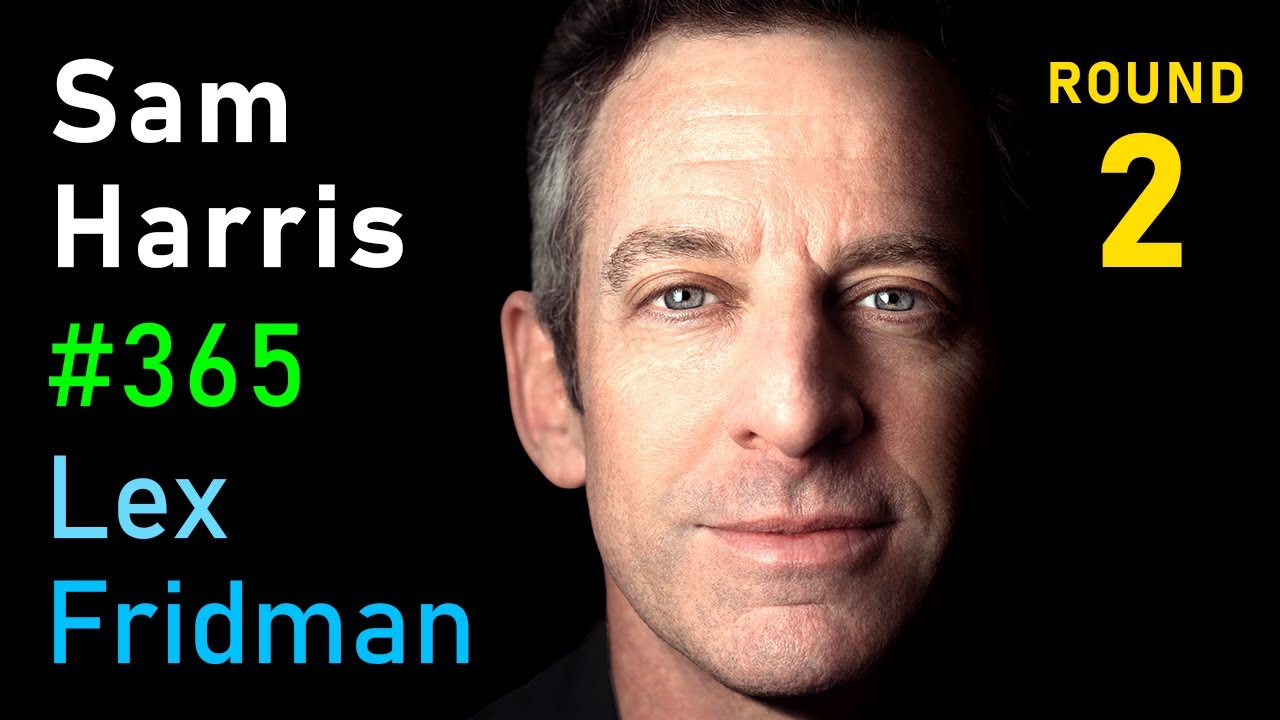 Sam Harris: Trump, Pandemic, Twitter, Elon, Bret, IDW, Kanye, AI & UFOs
Shares empathy
4h 27m
Sam Harris: Trump, Pandemic, Twitter, Elon, Bret, IDW, Kanye, AI & UFOs
Shares empathy
4h 27m
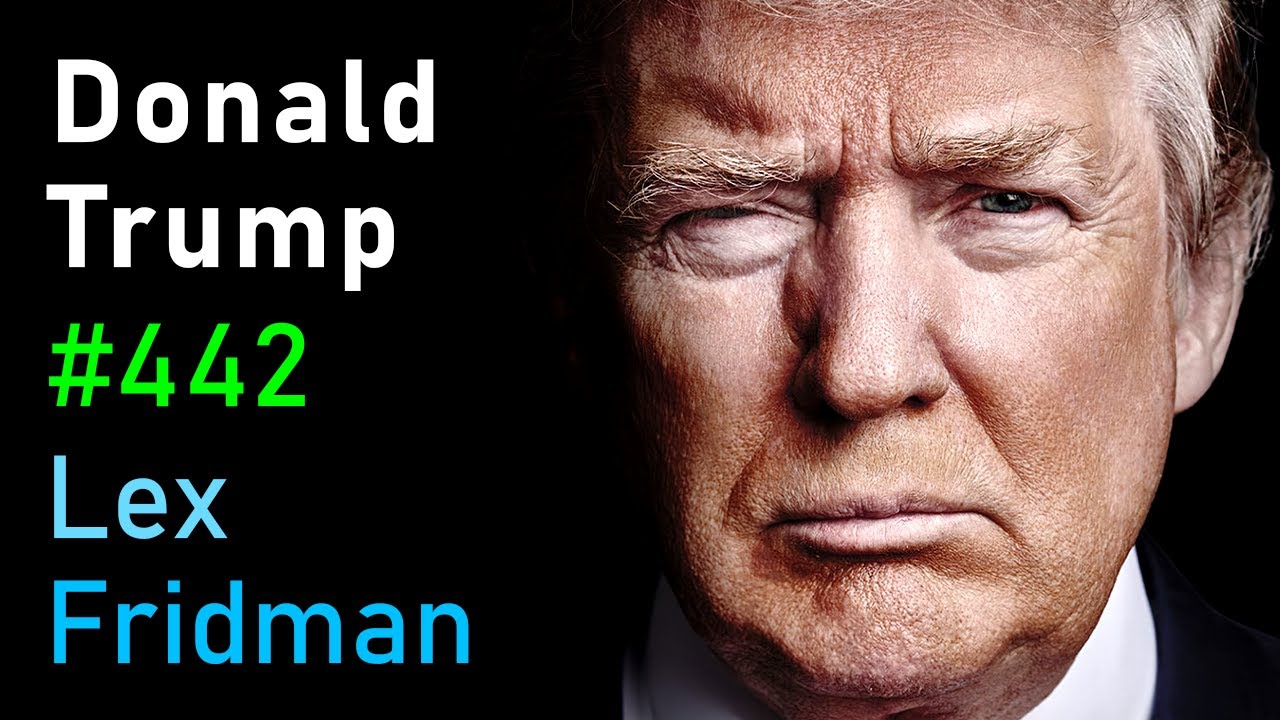 Donald Trump Interview
Shares negotiation
1h 4m
Donald Trump Interview
Shares negotiation
1h 4m
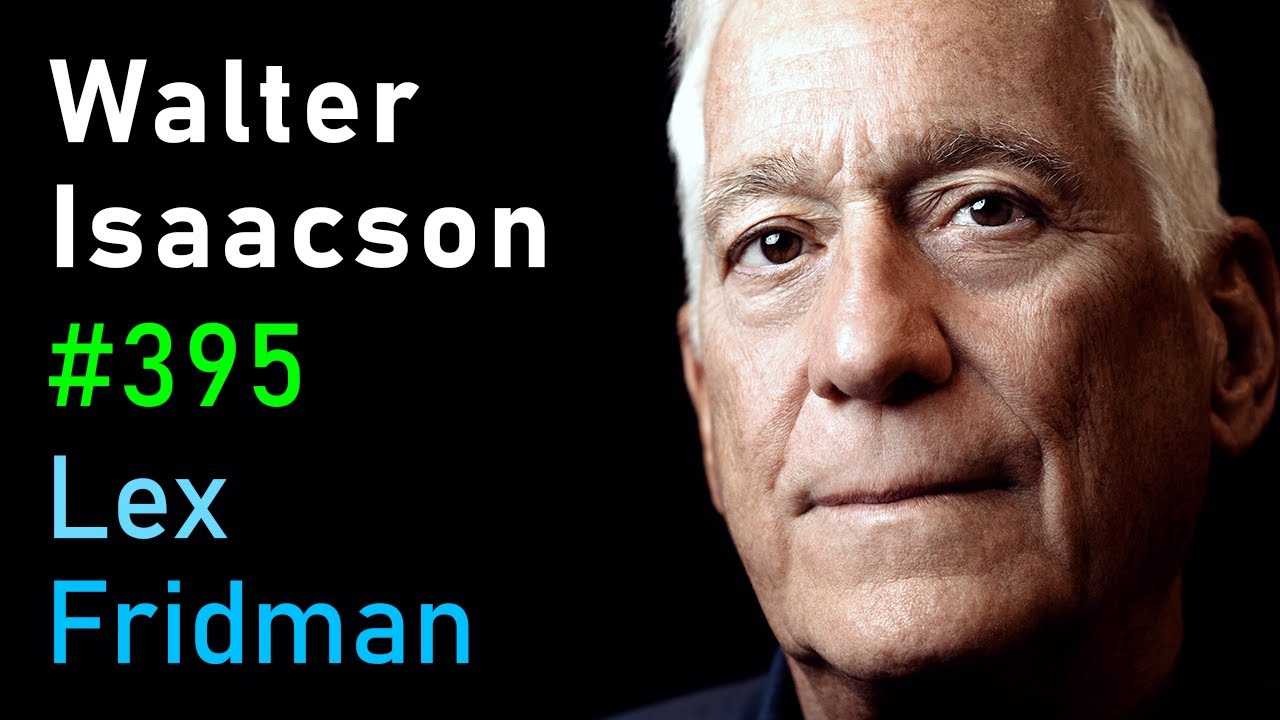 Walter Isaacson: Elon Musk, Steve Jobs, Einstein, Da Vinci & Ben Franklin
More like this
2h 7m
Walter Isaacson: Elon Musk, Steve Jobs, Einstein, Da Vinci & Ben Franklin
More like this
2h 7m
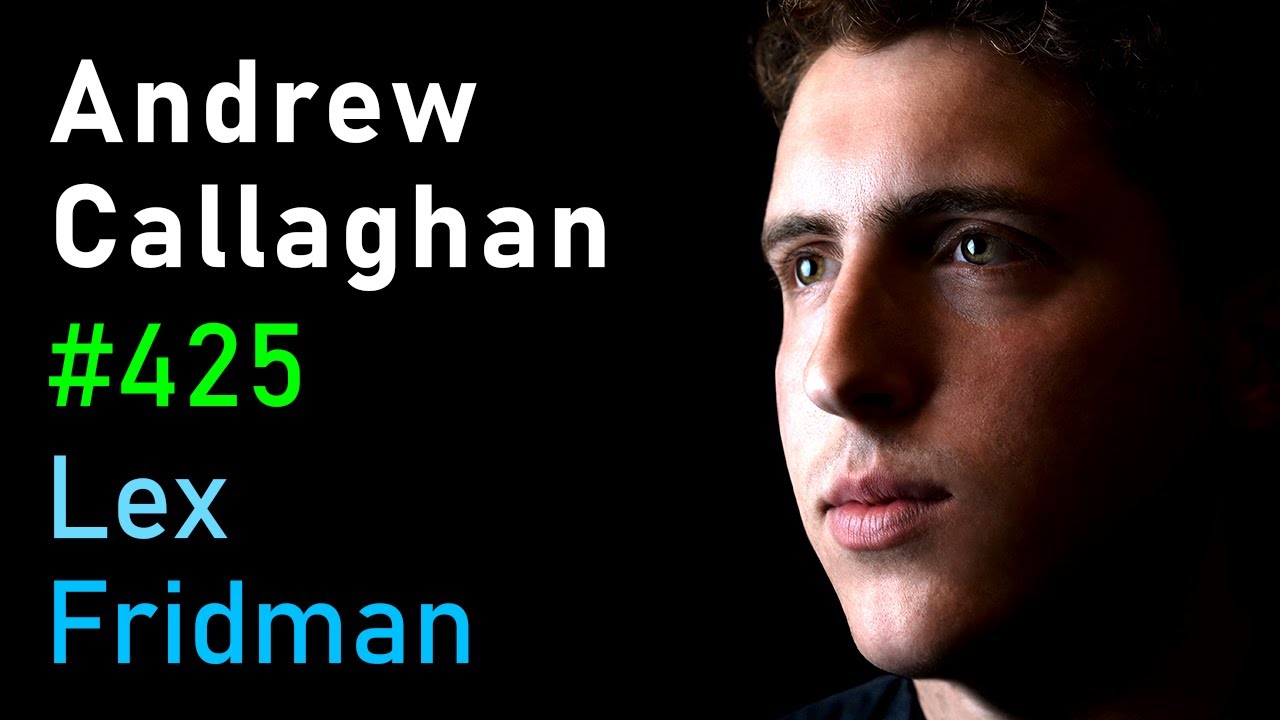 Andrew Callaghan: Channel 5, Gonzo, QAnon, O-Block, Politics & Alex Jones
More like this
2h 51m
Andrew Callaghan: Channel 5, Gonzo, QAnon, O-Block, Politics & Alex Jones
More like this
2h 51m
AI-generated summary · last refreshed 2026-06-07 19:18:31 · how we make these
Quotes are matched verbatim against the source transcript; references are checked to resolve to real URLs. Even so, AI can misread structure or attribute claims imperfectly. If you spot an error, please let us know.