Abbas Amanat: Iran Protests, Mahsa Amini, History, CIA & Nuclear Weapons
Core Takeaways
The protests in Iran, sparked by Mahsa Amini's death, have mobilized youth, especially women, across the country.
Why it matters
This movement challenges the Islamic Republic's patriarchal norms and could reshape societal structures.
Iran's population has more than doubled since 1979, with a significant decrease in birth rates to 1.1%.
Why it matters
This demographic shift impacts Iran's socio-economic landscape and political dynamics.
The Iranian regime's suppression of protests involves the Revolutionary Guards, leading to thousands imprisoned and hundreds killed.
Why it matters
The regime's violent tactics highlight the severe human rights issues and potential for international condemnation.
Iran's nuclear ambitions are partly driven by historical isolation and defense needs post-Iran-Iraq war.
Why it matters
Iran's nuclear pursuit could trigger a regional arms race, destabilizing Middle East security.
The CIA's involvement in the 1953 coup against Mossadegh remains a pivotal moment in Iran-U.S. relations.
Why it matters
This historical event continues to influence Iran's distrust towards Western powers.
Ask this episode Deep
A preview of how Deep chat answers, grounded in this episode with citations and timestamps:
Cite this episode
For papers, blog posts, anywhere.
Related episodes
Where to go next from this conversation.
More on these ideas
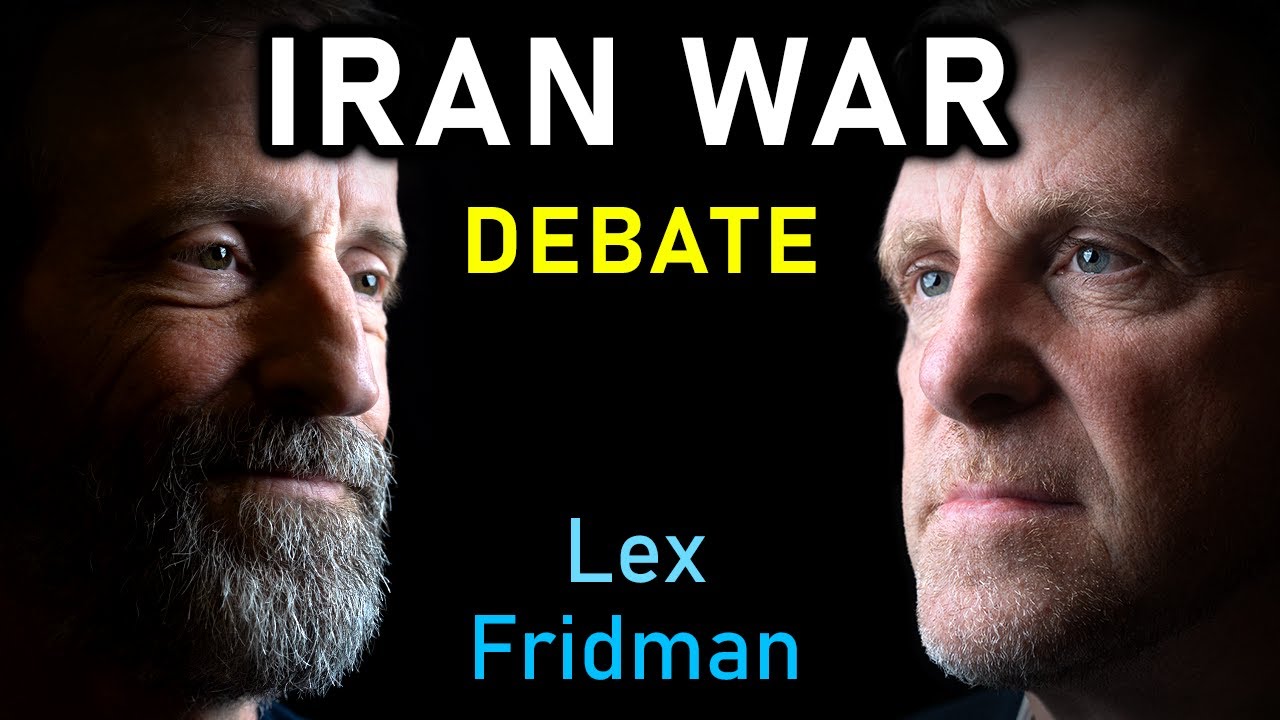 Iran War Debate: Nuclear Weapons, Trump, Peace, Power & the Middle East
Shares nuclear proliferation
4h 5m
Iran War Debate: Nuclear Weapons, Trump, Peace, Power & the Middle East
Shares nuclear proliferation
4h 5m
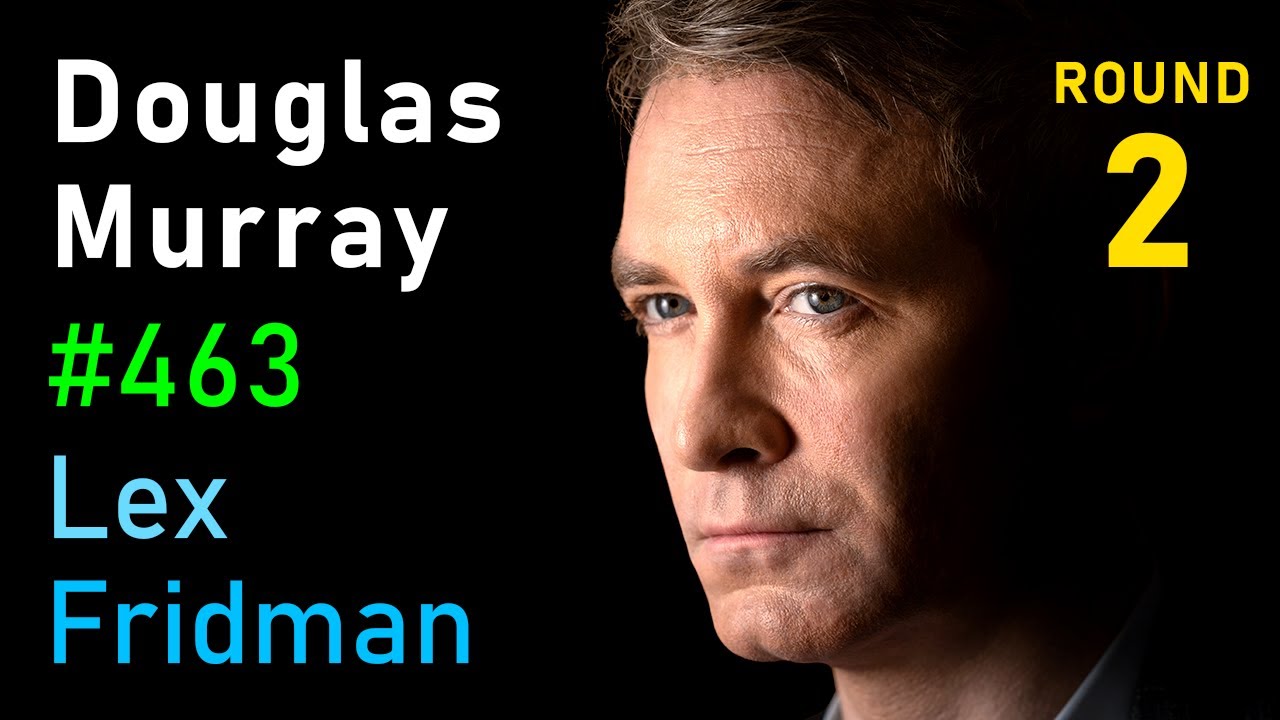 Douglas Murray: Putin, Zelenskyy, Trump, Israel, Netanyahu, Hamas & Gaza
Shares geopolitics
3h 9m
Douglas Murray: Putin, Zelenskyy, Trump, Israel, Netanyahu, Hamas & Gaza
Shares geopolitics
3h 9m
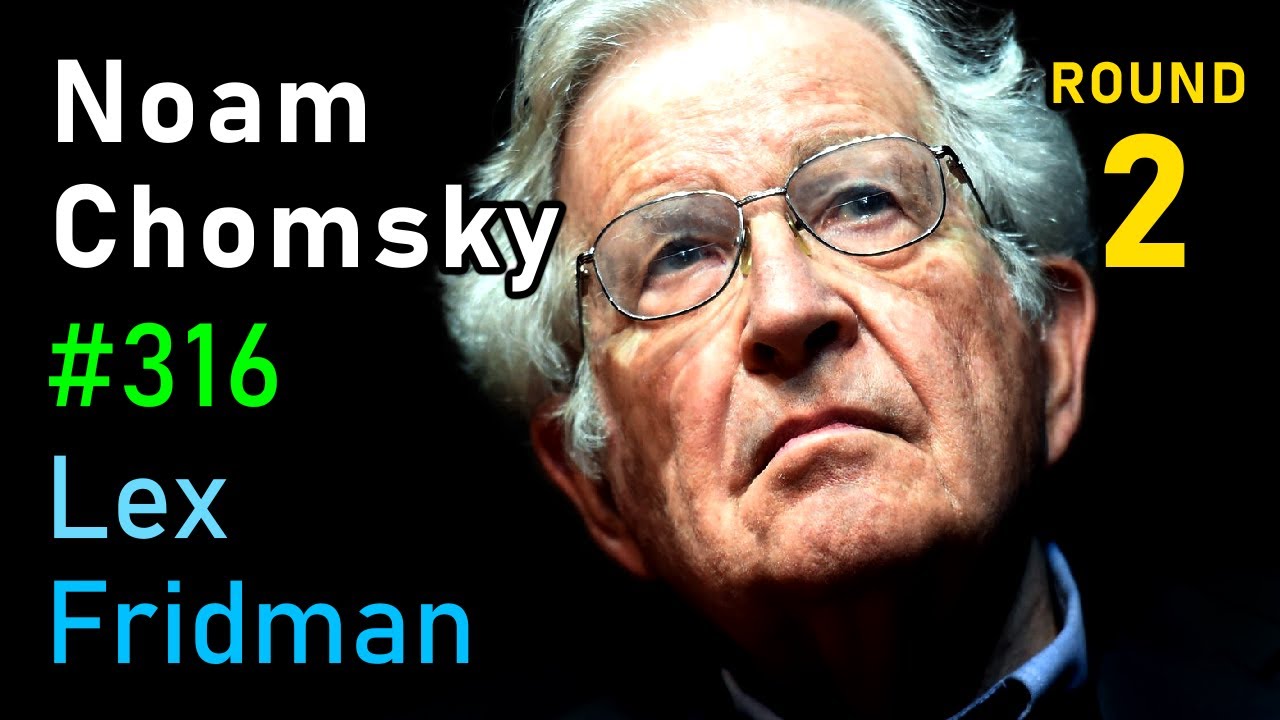 Noam Chomsky: Putin, Ukraine, China, and Nuclear War
Shares geopolitics
47m
Noam Chomsky: Putin, Ukraine, China, and Nuclear War
Shares geopolitics
47m
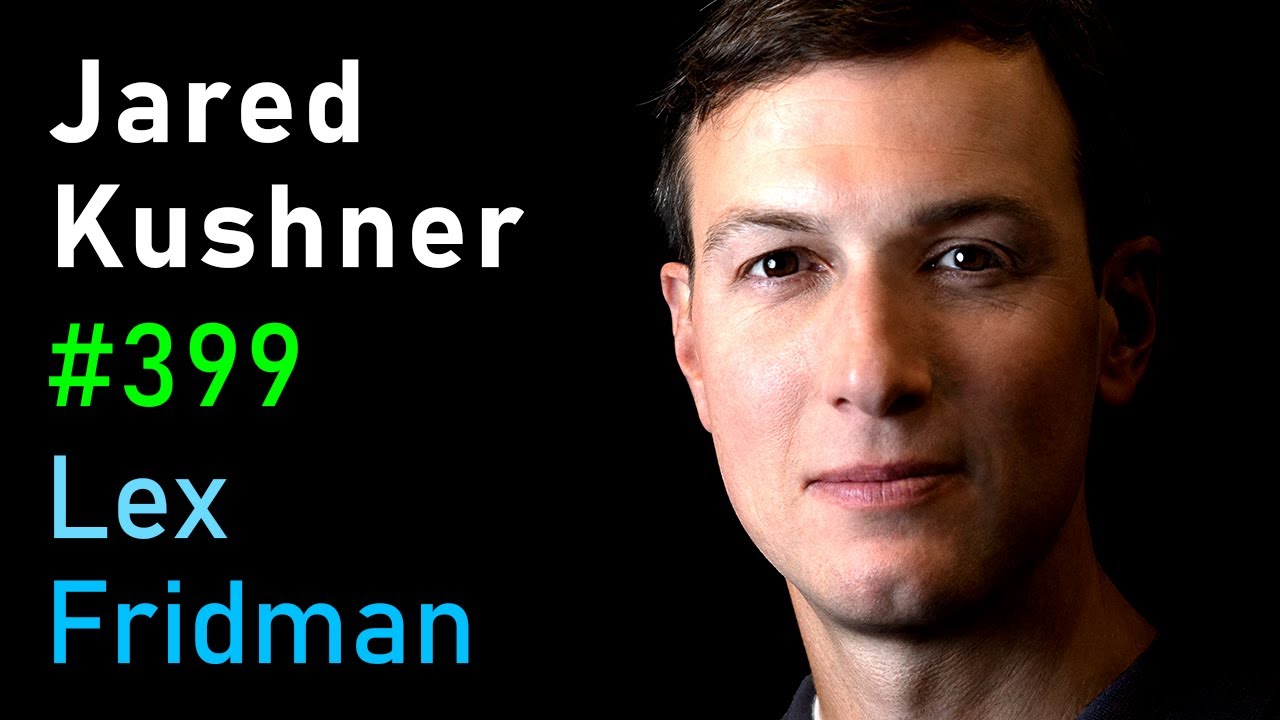 Jared Kushner: Israel, Palestine, Hamas, Gaza, Iran, and the Middle East
More like this
3h 48m
Jared Kushner: Israel, Palestine, Hamas, Gaza, Iran, and the Middle East
More like this
3h 48m
AI-generated summary · last refreshed 2026-06-08 15:18:18 · how we make these
Quotes are matched verbatim against the source transcript; references are checked to resolve to real URLs. Even so, AI can misread structure or attribute claims imperfectly. If you spot an error, please let us know.