Iran War Debate: Nuclear Weapons, Trump, Peace, Power & the Middle East
Core Takeaways
Iran has accumulated 15-17 bombs worth of 60% enriched uranium, nearing weapons-grade capability.
▶ 15:00
Why it matters
This accumulation suggests Iran could quickly transition to a nuclear-armed state, raising regional tensions.
The AMAD program aimed to build five nuclear weapons, contradicting claims of Iran's peaceful intentions.
▶ 30:00
Why it matters
This contradicts Iran's claims of peaceful nuclear intentions, impacting global diplomatic strategies.
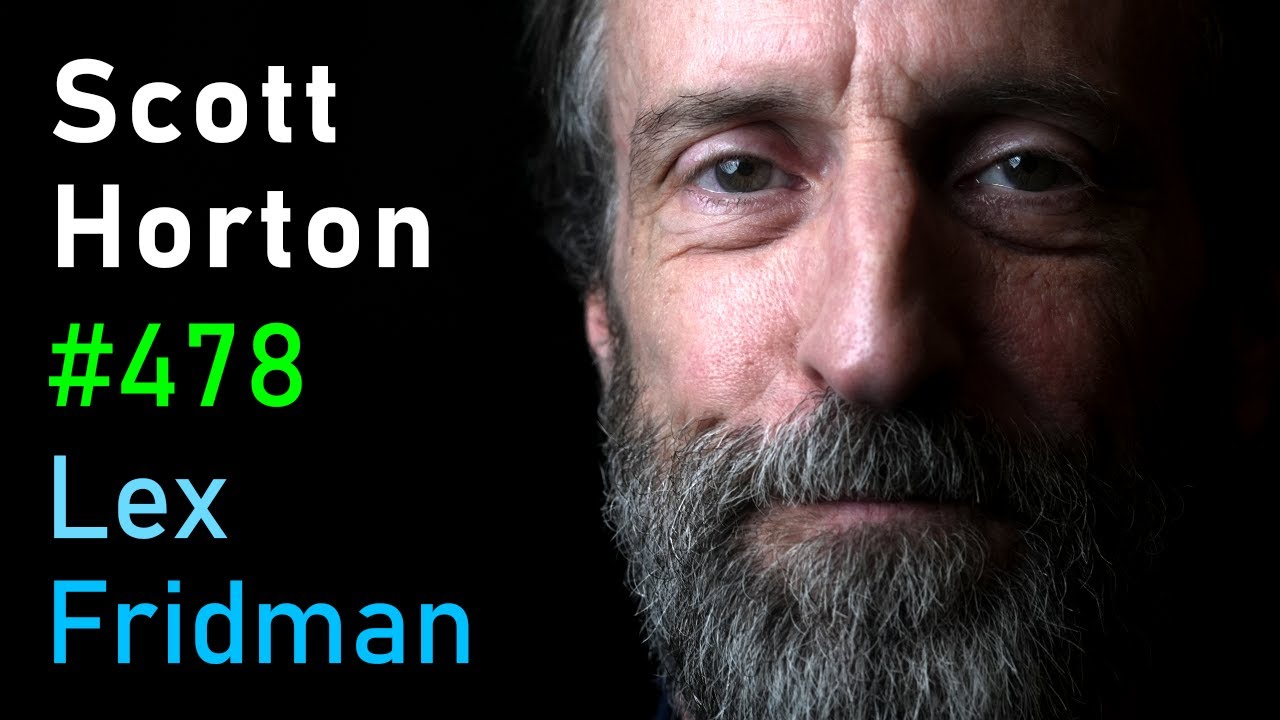
Scott Horton argues that U.S. foreign policy, not Iran's actions, provokes nuclear escalation.
▶ 1:00:00
Why it matters
Horton's view challenges the prevailing narrative, suggesting U.S. policy changes could alter Iran's path.
Mark Dubowitz claims the Israeli nuclear archive is genuine, while Horton calls it a Mossad fabrication.
▶ 1:15:00
Why it matters
The authenticity of the archive affects the credibility of intelligence used to justify foreign policy.
Ask this episode Deep
A preview of how Deep chat answers, grounded in this episode with citations and timestamps:
Cite this episode
For papers, blog posts, anywhere.
Related episodes
Where to go next from this conversation.
More from Scott Horton
More on these ideas
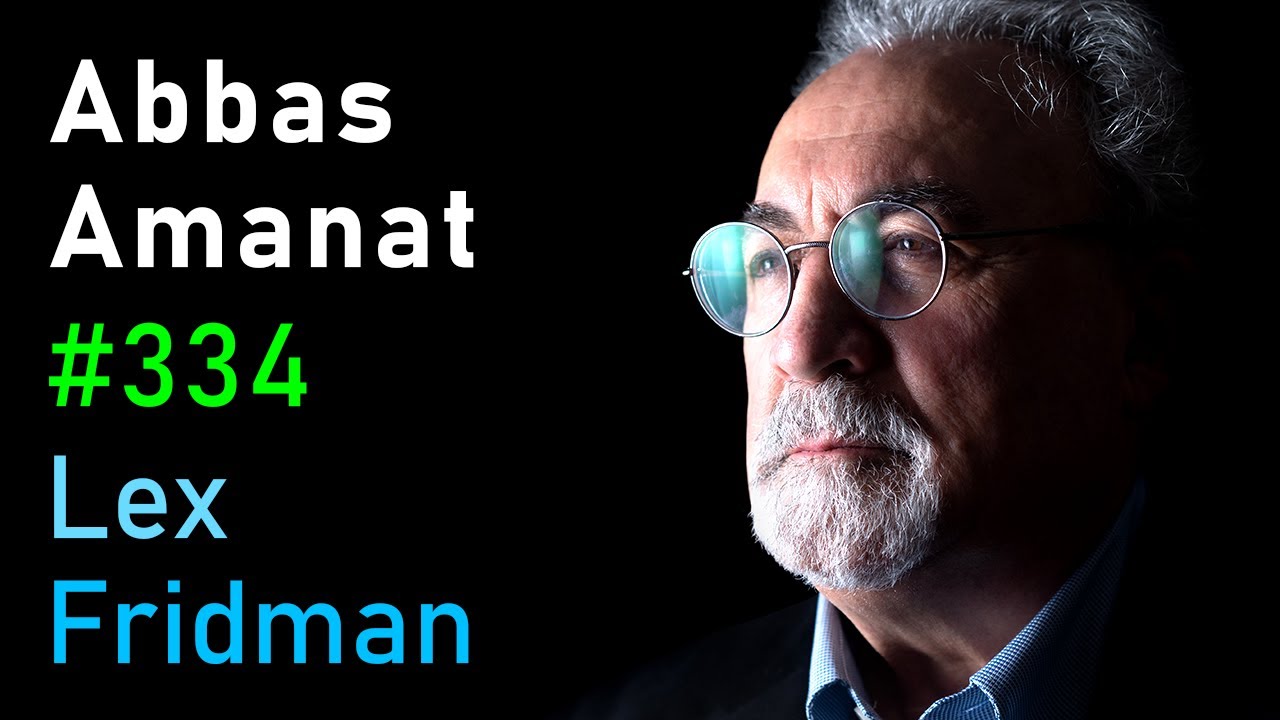 Abbas Amanat: Iran Protests, Mahsa Amini, History, CIA & Nuclear Weapons
Shares nuclear proliferation
3h 5m
Abbas Amanat: Iran Protests, Mahsa Amini, History, CIA & Nuclear Weapons
Shares nuclear proliferation
3h 5m
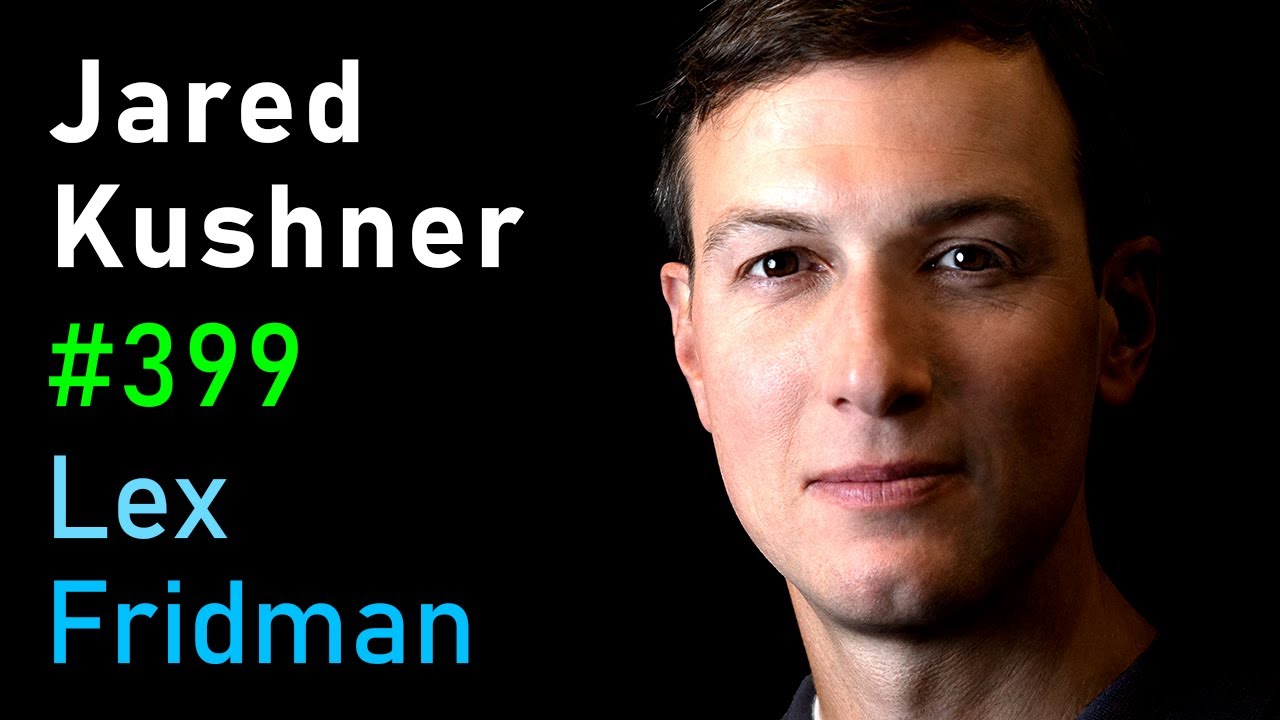 Jared Kushner: Israel, Palestine, Hamas, Gaza, Iran, and the Middle East
More like this
3h 48m
Jared Kushner: Israel, Palestine, Hamas, Gaza, Iran, and the Middle East
More like this
3h 48m
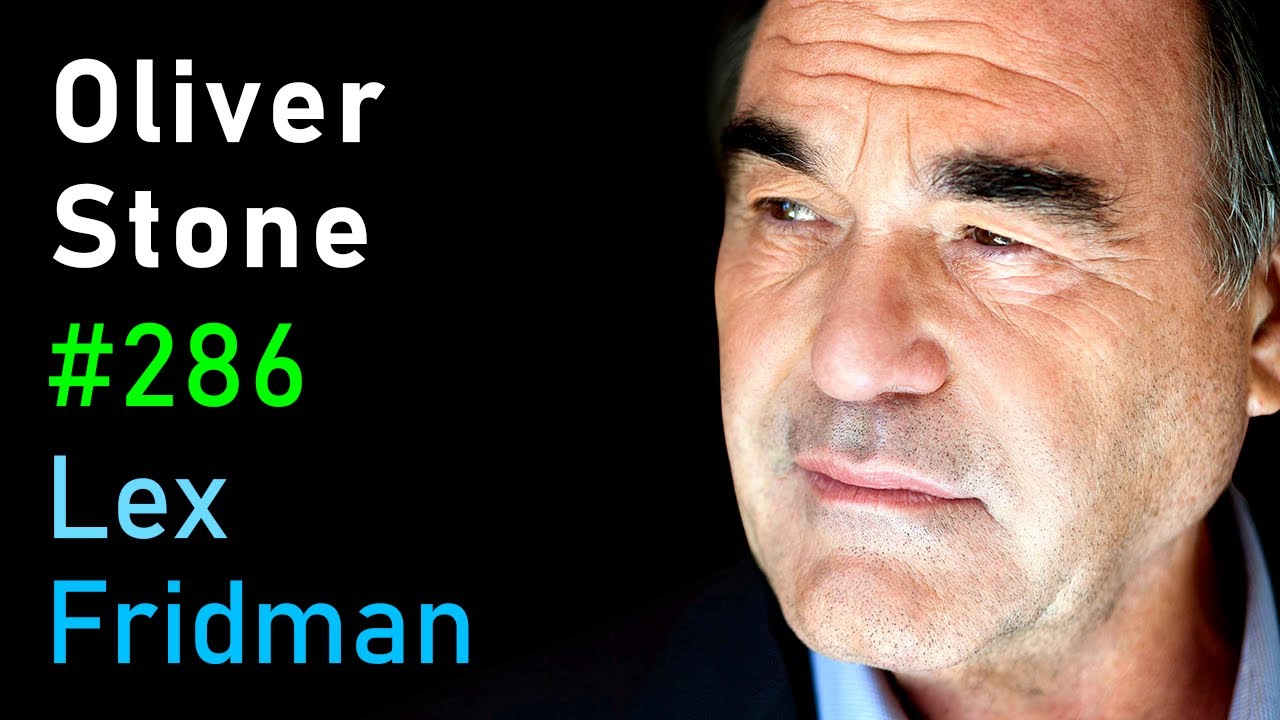 Oliver Stone: Vladimir Putin and War in Ukraine
Shares U.S. foreign policy
1h 52m
Oliver Stone: Vladimir Putin and War in Ukraine
Shares U.S. foreign policy
1h 52m
 Douglas Murray: Putin, Zelenskyy, Trump, Israel, Netanyahu, Hamas & Gaza
More like this
3h 9m
Douglas Murray: Putin, Zelenskyy, Trump, Israel, Netanyahu, Hamas & Gaza
More like this
3h 9m
AI-generated summary · last refreshed 2026-05-28 14:34:42 · how we make these
Quotes are matched verbatim against the source transcript; references are checked to resolve to real URLs. Even so, AI can misread structure or attribute claims imperfectly. If you spot an error, please let us know.