Skip to content
TLexDR
Episodes / Michael Levin: Biology, Life, Aliens, Evolution, Embryogenes...

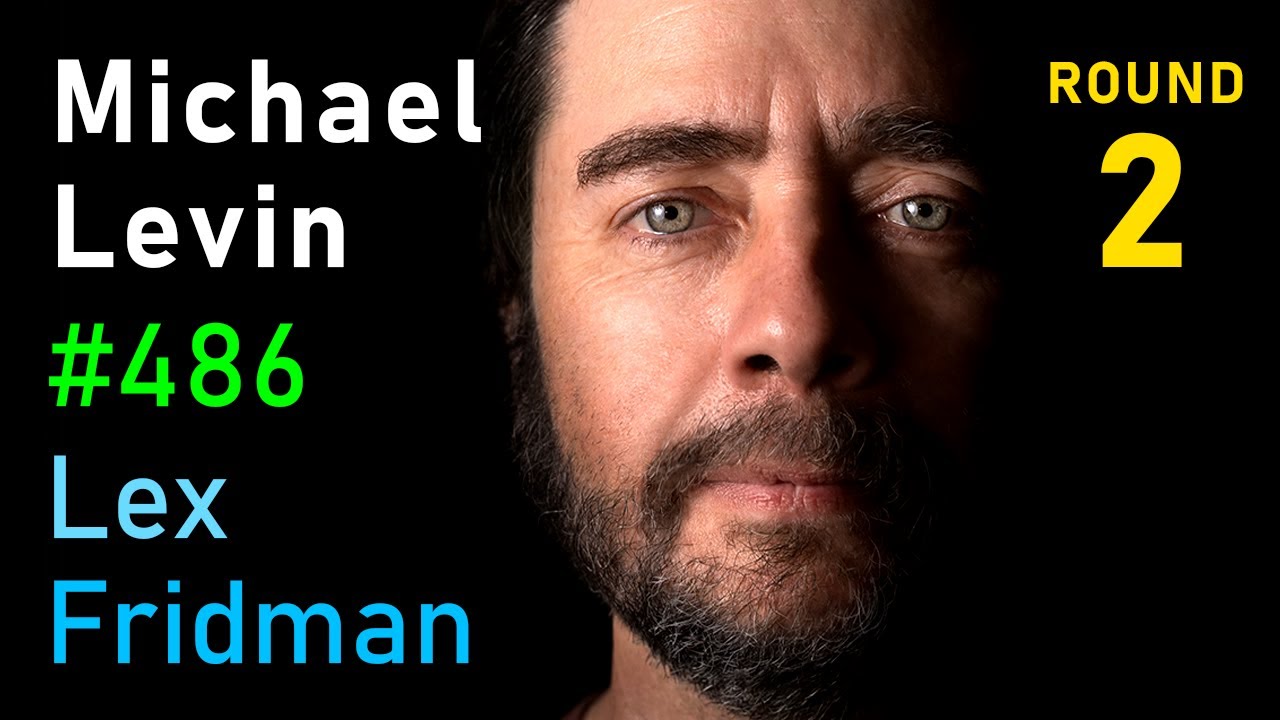
Michael Levin: Biology, Life, Aliens, Evolution, Embryogenesis & Xenobots

05-28-26 ▶ 3h 📖 7 min read
Core Takeaways
Planarians can regenerate a brain from their tail and retain memories, challenging thermodynamic lifespan limits. ▶ 1:00
Why it matters Planarians' regenerative abilities suggest new models for understanding aging and cognitive retention.
Xenobots, made from frog skin cells, can self-replicate, showcasing innate cellular capacities beyond genetic programming. ▶ 15:00
Why it matters Xenobots reveal potential for creating self-replicating systems, impacting synthetic biology and robotics.
Biological systems exhibit agency, with cells demonstrating goal-directed behavior and collective intelligence without a central control. ▶ 30:00
Why it matters Understanding biological agency can revolutionize regenerative medicine by leveraging natural cellular behaviors.
Bioelectric control can reduce tumor genesis, offering a promising alternative to traditional cancer treatments. ▶ 1:00:00
Why it matters Bioelectric approaches could revolutionize cancer treatment by targeting cellular communication rather than indiscriminate cell destruction.
The concept of multi-scale competency in evolution suggests that biological systems prioritize algorithmic competency over genomic quality. ▶ 1:15:00
Why it matters This challenges traditional views of evolution, suggesting a focus on functional adaptability over genetic perfection.

Detailed Insights

Regeneration and Planarians
+
Planarians can regenerate brains and retain memories, suggesting new models for cognition.
Their existence for 400 million years challenges theories on lifespan limitations.
Planarians' mixoploid genome allows anatomical control despite chromosomal variation.
Xenobots and Cellular Capacities
+
Xenobots demonstrate self-replication and behavior not dictated by genetics.
They reveal the innate capacities of cells when isolated from their typical environment.
Biological Agency and Collective Intelligence
+
Biological systems exhibit agency, with cells showing goal-directed behavior.
Collective intelligence operates without central control, crucial for regenerative medicine.
Bioelectric Control in Cancer Treatment
+
Bioelectric control can reduce tumor genesis by targeting cellular communication.
This approach offers a promising alternative to traditional cancer treatments.
Multi-Scale Competency in Evolution
+
Evolution may prioritize algorithmic competency over genomic quality.
This challenges traditional views, suggesting a focus on functional adaptability.

How the conversation moved

Lex Fridman opens the conversation by framing the central question around the mysteries of biological systems, particularly focusing on regeneration, cognition, and evolution. Michael Levin introduces planarians as a model organism that challenges conventional biological theories, particularly their ability to regenerate brains and retain memories. This sets the stage for a broader discussion on the capabilities of biological systems and the potential for new scientific insights.

Levin's main argument centers on the idea that biological systems exhibit agency and collective intelligence, which are not adequately explained by current genetic models. He presents evidence from planarians and Xenobots, highlighting their regenerative capabilities and self-replicating behaviors. Levin argues that understanding these phenomena requires a shift from traditional genetic determinism to a model that incorporates agency and bioelectric communication as central elements of biological function.

Lex doesn't challenge the framing here, though the obvious counter-position would be to emphasize the role of genetic programming and natural selection as primary drivers of biological behavior. Levin's assertion that biological systems have agency and can exhibit goal-directed behavior without central control is a significant departure from conventional wisdom, which typically views such systems as deterministic and gene-driven.

The conversation concludes with a discussion on the implications of these ideas for regenerative medicine and cancer treatment. Levin suggests that bioelectric control offers a promising alternative to traditional methods, emphasizing the need for a paradigm shift in how we understand and manipulate biological systems. The episode ends with open questions about the future of synthetic biology and the potential for creating new life forms that challenge our current understanding of biology and intelligence.

Surprising moments

Michael Levin
Levin argues that planarians challenge thermodynamic limitations on lifespan by existing for 400 million years without aging.
Share this quote X Bluesky LinkedIn Email Download card
Michael Levin
Levin claims that Xenobots' self-replicating behavior is not dictated by their genetic programming, suggesting innate cellular capacities.
Michael Levin
Levin challenges the strict definitions of biological organisms versus robots, arguing that these distinctions are outdated.

Topics Covered

Regeneration and Planarians Xenobots and Cellular Capacities Biological Agency and Collective Intelligence Bioelectric Control in Cancer Treatment Multi-Scale Competency in Evolution

Memorable Quotes

"I think planaria hold the answer to pretty much every deep question of life." — Michael Levin
"Xenobots are fundamentally not anything about frogs." — Michael Levin
"Biology is all about making really important decisions really quickly on very limited information." — Michael Levin
"If you can keep the cells harnessed towards organ level goals as opposed to individual cell goals, then nobody will be making a tumor or metastasizing and so on." — Michael Levin

Still open

Unresolved by the end of the conversation

  • Levin questions whether bioelectric control can be scaled to treat various types of cancer effectively.
  • The potential for creating synthetic life forms that challenge our understanding of biology and intelligence remains open.

Jargon glossary

xenobots
Synthetic organisms created from frog skin cells that can self-replicate and exhibit behaviors not dictated by genetic programming.
multi-scale competency
The ability of biological systems to adapt and function across different scales, prioritizing algorithmic competency over genomic quality.
bioelectricity
The use of electrical signals in biological systems to control cellular behavior and communication.

References & Resources

Nature by Engineering paper
Biological Robots: Perspectives on an Emerging Interdisciplinary Field by Josh Bongard paper
The Music of Life by Dennis Noble book
The Dance of Life by Dennis Noble book

For the specialist

What a senior practitioner would find new

  • Planarians' mixoploid genome allows them to maintain anatomical control despite chromosomal variation, offering insights into cancer resistance.
  • Xenobots demonstrate that cells can exhibit self-replication and behavior beyond their genetic programming, challenging traditional views of cellular function.
  • Bioelectric control in cancer treatment targets cellular communication, offering a more precise approach than chemotherapy.
  • Multi-scale competency in evolution suggests a focus on functional adaptability over genetic perfection, reshaping evolutionary theory.

Ask this episode Deep

A preview of how Deep chat answers, grounded in this episode with citations and timestamps:

Cite this episode

For papers, blog posts, anywhere.

Copied!

Related episodes

Where to go next from this conversation.

AI-generated summary · last refreshed 2026-06-07 14:30:53 · how we make these

Quotes are matched verbatim against the source transcript; references are checked to resolve to real URLs. Even so, AI can misread structure or attribute claims imperfectly. If you spot an error, please let us know.

Report an inaccuracy →