Jack Weatherford: Genghis Khan and the Mongol Empire
Core Takeaways
Genghis Khan's empire was the first to implement religious freedom, allowing individuals to choose their faith without coercion.
Why it matters
This policy allowed diverse cultures and religions to coexist under Mongol rule, stabilizing the empire.
The Mongol military's success relied on a highly mobile cavalry, capable of shooting accurately at 200 meters while riding at high speeds.
▶ 1:00:00
Why it matters
This mobility and precision gave the Mongols a tactical advantage over larger, less agile armies.
Genghis Khan's psychological warfare tactics included offering peaceful surrender terms but executing brutal retribution for betrayal.
▶ 2:30:00
Why it matters
These tactics instilled fear, reducing resistance and facilitating Mongol conquests.
The Secret History of the Mongols, a crucial text for understanding Mongolian culture, wasn't available in English until 1982.
▶ 1:45:00
Why it matters
Its delayed translation limited Western understanding of Mongolian history and Genghis Khan's impact.
Kublai Khan's failed invasions of Japan were primarily due to inadequate preparation and natural disasters.
▶ 3:15:00
Why it matters
These failures highlighted the limitations of Mongol naval capabilities and strategic planning.
Ask this episode Deep
A preview of how Deep chat answers, grounded in this episode with citations and timestamps:
Cite this episode
For papers, blog posts, anywhere.
Related episodes
Where to go next from this conversation.
More on these ideas
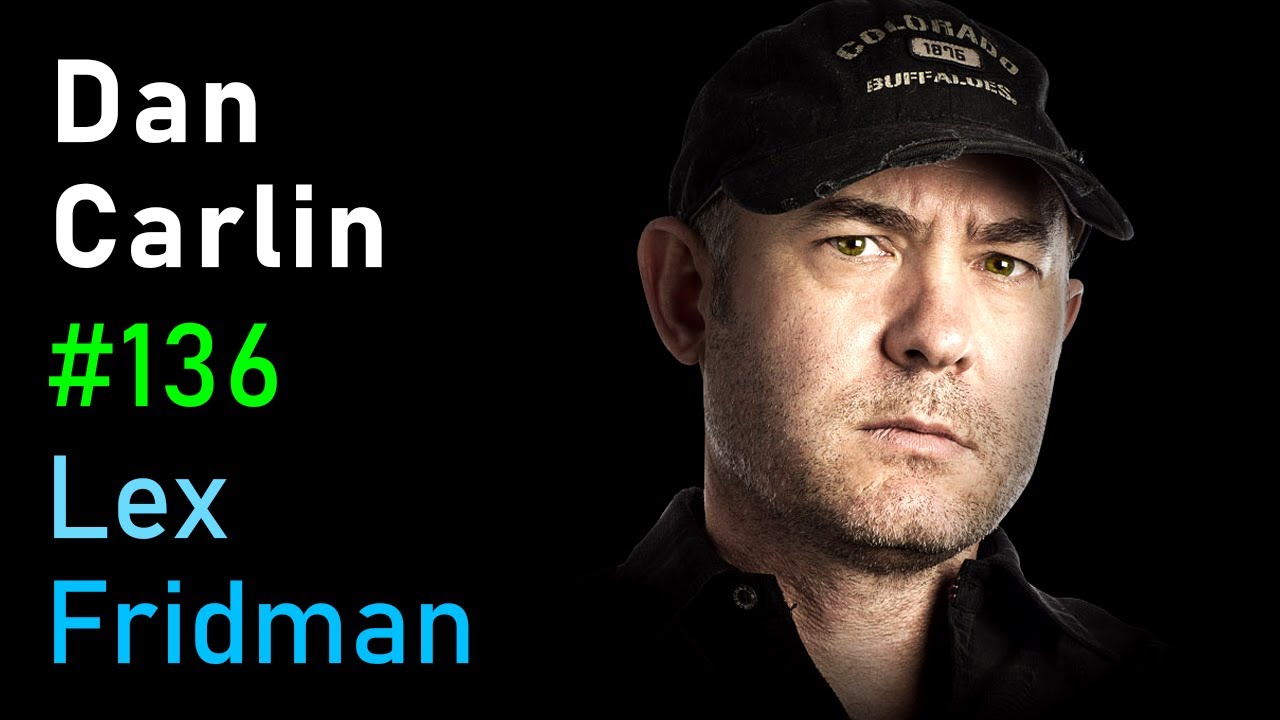 Dan Carlin: Hardcore History
Shares Mongol Empire
3h 21m
Dan Carlin: Hardcore History
Shares Mongol Empire
3h 21m
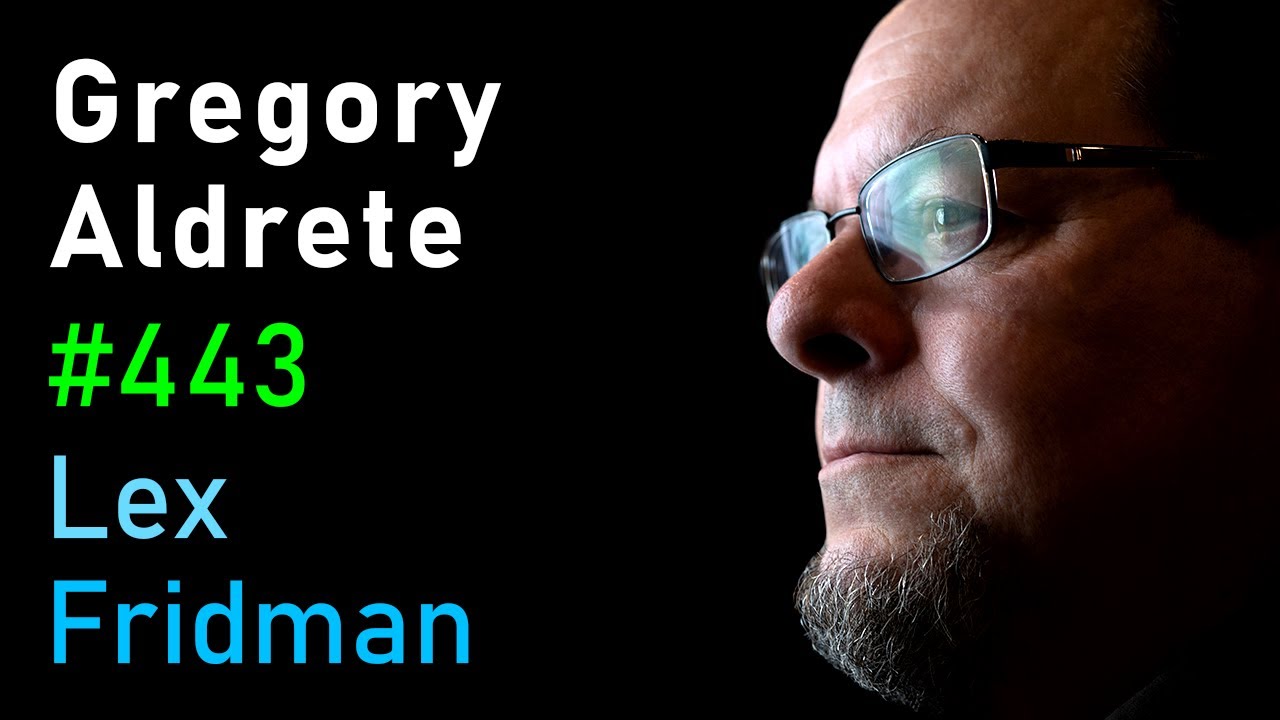 Gregory Aldrete: The Roman Empire - Rise and Fall of Ancient Rome
Shares military strategy
3h 42m
Gregory Aldrete: The Roman Empire - Rise and Fall of Ancient Rome
Shares military strategy
3h 42m
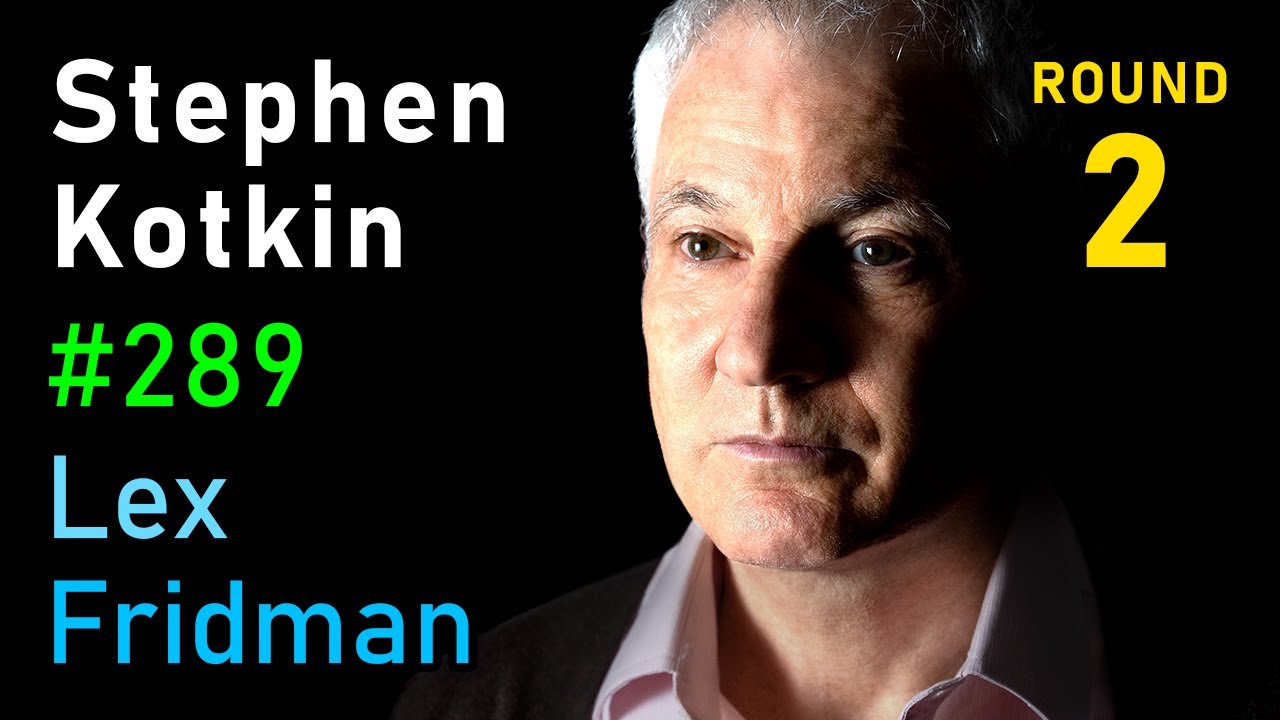 Stephen Kotkin: Putin, Stalin, Hitler, Zelenskyy, and War in Ukraine
More like this
2h 41m
Stephen Kotkin: Putin, Stalin, Hitler, Zelenskyy, and War in Ukraine
More like this
2h 41m
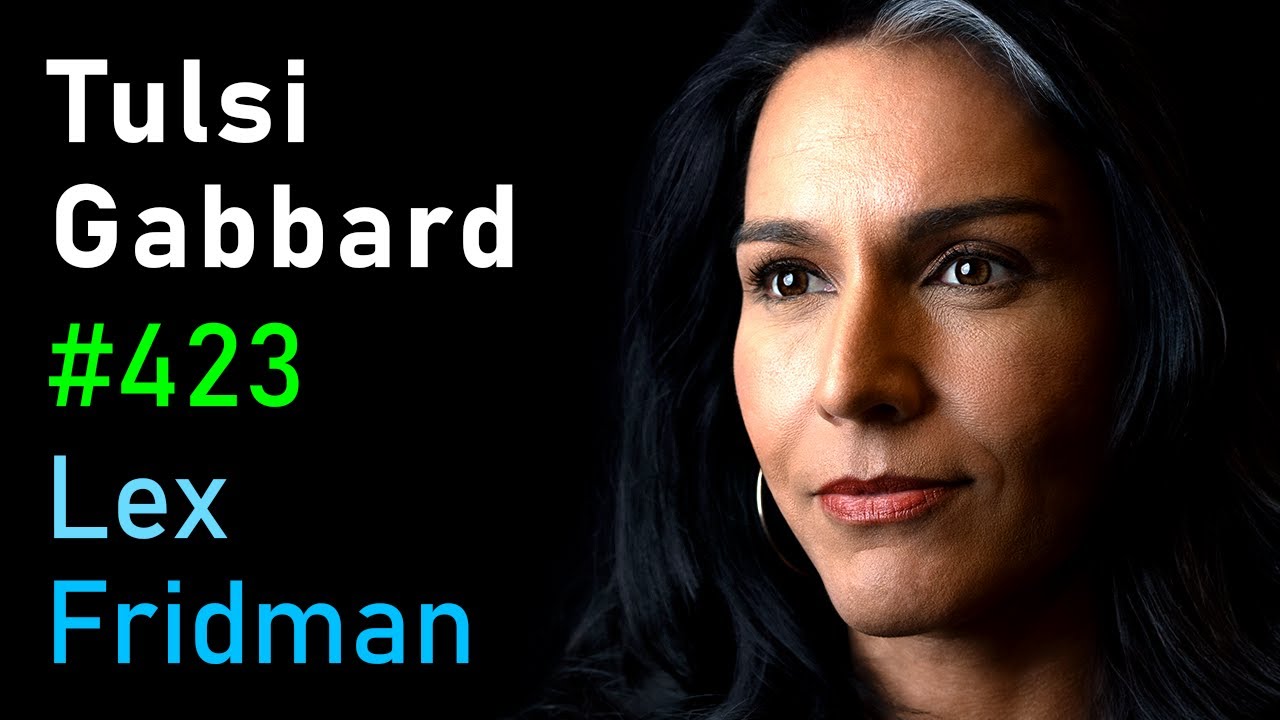 Tulsi Gabbard: War, Politics, and the Military Industrial Complex
More like this
1h 50m
Tulsi Gabbard: War, Politics, and the Military Industrial Complex
More like this
1h 50m
AI-generated summary · last refreshed 2026-05-28 14:25:39 · how we make these
Quotes are matched verbatim against the source transcript; references are checked to resolve to real URLs. Even so, AI can misread structure or attribute claims imperfectly. If you spot an error, please let us know.