Richard Wrangham: Violence, Sex, and Fire in Human Evolution
Core Takeaways
Cooking food allowed Homo erectus to develop smaller guts and larger brains, crucial for human evolution.
▶ 45:00
Why it matters
This dietary shift was pivotal in freeing energy for brain development, influencing cognitive evolution.
Mutually Assured Destruction (MAD) has prevented nuclear war since 1945, acting as a psychological deterrent.
▶ 1:20:00
Why it matters
MAD's role highlights the delicate balance of power and the potential for catastrophic conflict if deterrence fails.
Sexual violence in war reflects power dynamics and evolutionary roots, not just cultural phenomena.
▶ 1:50:00
Why it matters
Understanding these roots is crucial for addressing and mitigating such violence in modern societies.
The domestication of animals and humans shows reduced aggression leads to physical changes, seen in early Homo sapiens.
▶ 2:10:00
Why it matters
These changes underscore the evolutionary pressures shaping human social structures and behaviors.
Ask this episode Deep
A preview of how Deep chat answers, grounded in this episode with citations and timestamps:
Cite this episode
For papers, blog posts, anywhere.
Related episodes
Where to go next from this conversation.
More on these ideas
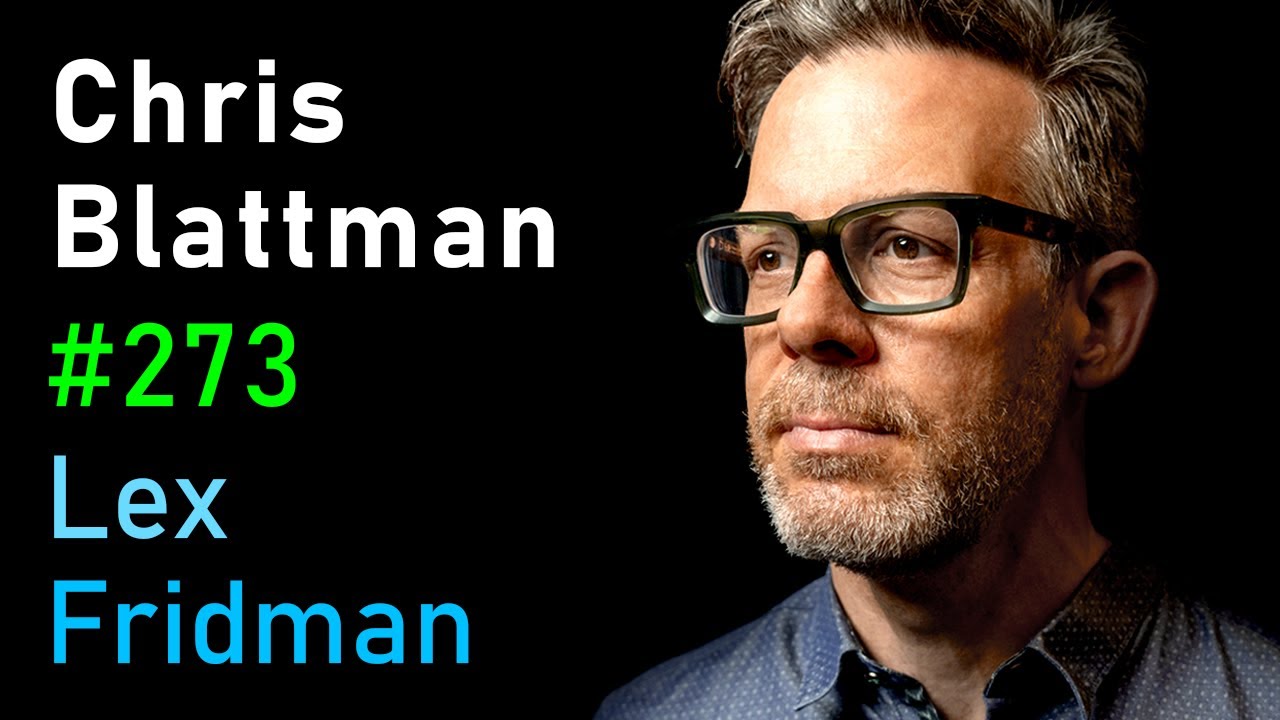 Chris Blattman: War and Violence
Shares violence
2h 48m
Chris Blattman: War and Violence
Shares violence
2h 48m
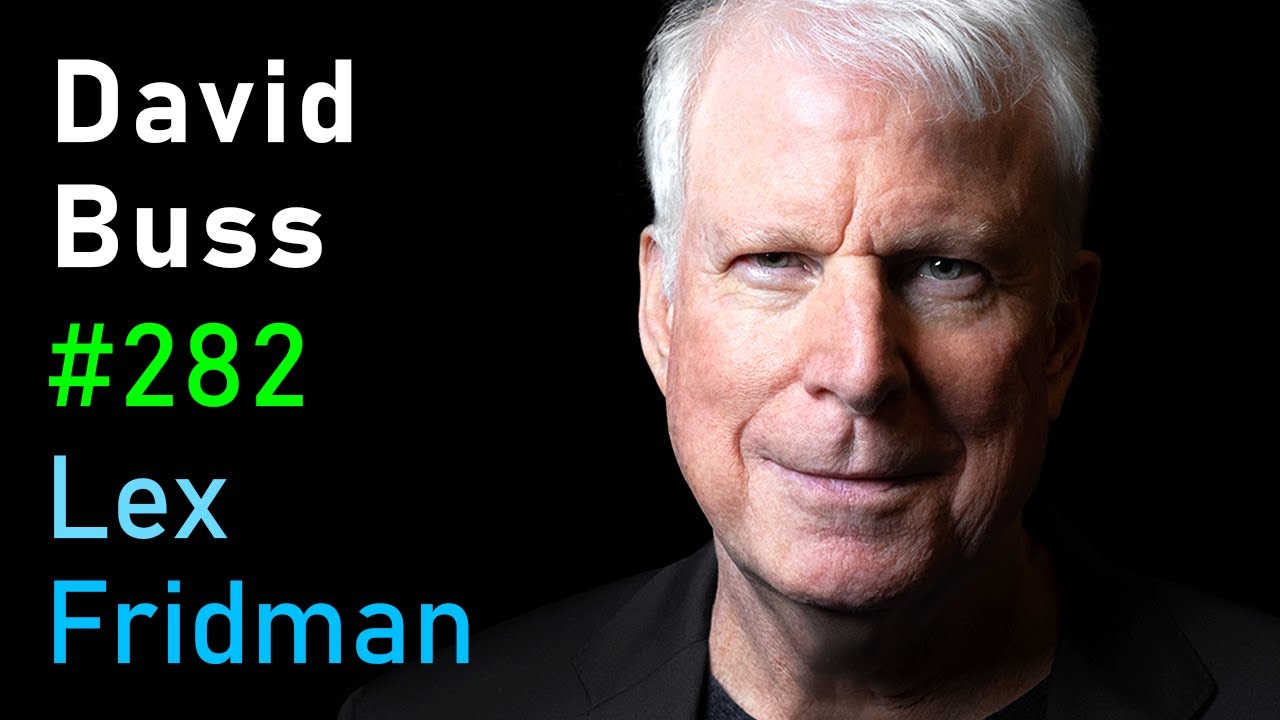 David Buss: Sex, Dating, Relationships, and Sex Differences
Shares evolutionary psychology
3h 32m
David Buss: Sex, Dating, Relationships, and Sex Differences
Shares evolutionary psychology
3h 32m
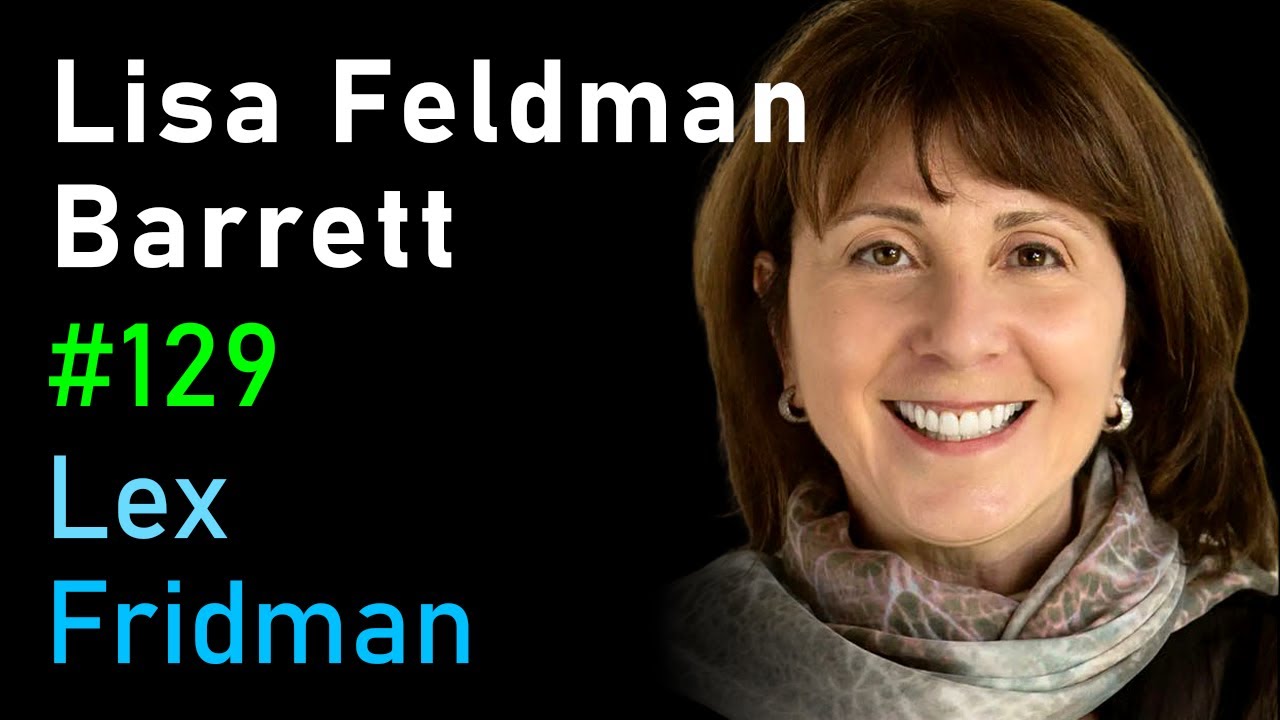 Lisa Feldman Barrett: Counterintuitive Ideas About How the Brain Works
More like this
2h 20m
Lisa Feldman Barrett: Counterintuitive Ideas About How the Brain Works
More like this
2h 20m
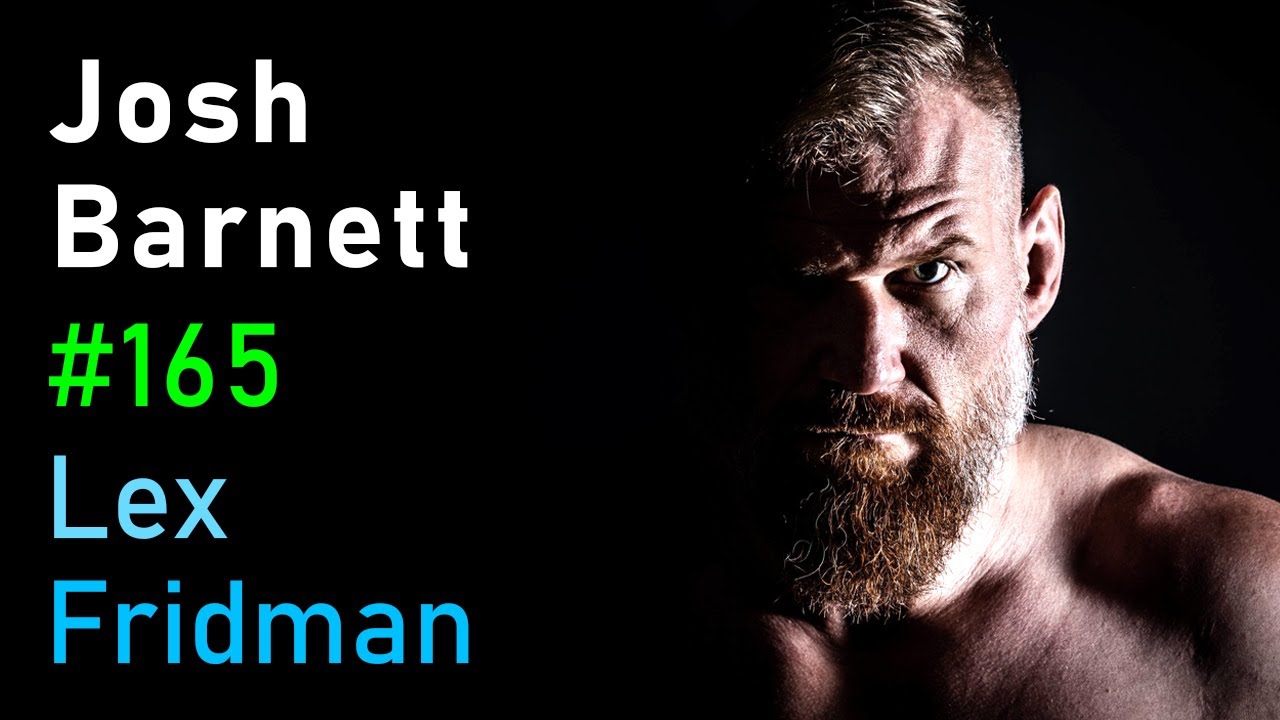 Josh Barnett: Philosophy of Violence, Power, and the Martial Arts
Shares violence
2h 11m
Josh Barnett: Philosophy of Violence, Power, and the Martial Arts
Shares violence
2h 11m
AI-generated summary · last refreshed 2026-06-06 20:29:55 · how we make these
Quotes are matched verbatim against the source transcript; references are checked to resolve to real URLs. Even so, AI can misread structure or attribute claims imperfectly. If you spot an error, please let us know.