Donald Knuth: Programming, Algorithms, Hard Problems & the Game of Life
Core Takeaways
Donald Knuth's first large-scale program was a tic-tac-toe game in IBM 650 Assembler in 1957, which included early machine learning concepts.
Why it matters
This highlights Knuth's early integration of AI concepts, showing the foundational role of machine learning in modern programming.
Knuth believes that the question of whether consciousness is more than computation is currently unanswerable and may remain so indefinitely.
Why it matters
This stance challenges current scientific efforts to fully decode consciousness, implying limits to computational approaches.
Knuth argues that automation in programming, exemplified by tools like OpenAI Codex, risks humans losing control over complex systems.
Why it matters
This raises ethical concerns about the unchecked advancement of AI and its potential societal impacts.
The Game of Life, created by John Conway, illustrates how complex systems can evolve without the creator's full understanding.
Why it matters
Understanding such systems can inform AI development, emphasizing the need for awareness of emergent behaviors.
Ask this episode Deep
A preview of how Deep chat answers, grounded in this episode with citations and timestamps:
Cite this episode
For papers, blog posts, anywhere.
Related episodes
Where to go next from this conversation.
More on these ideas
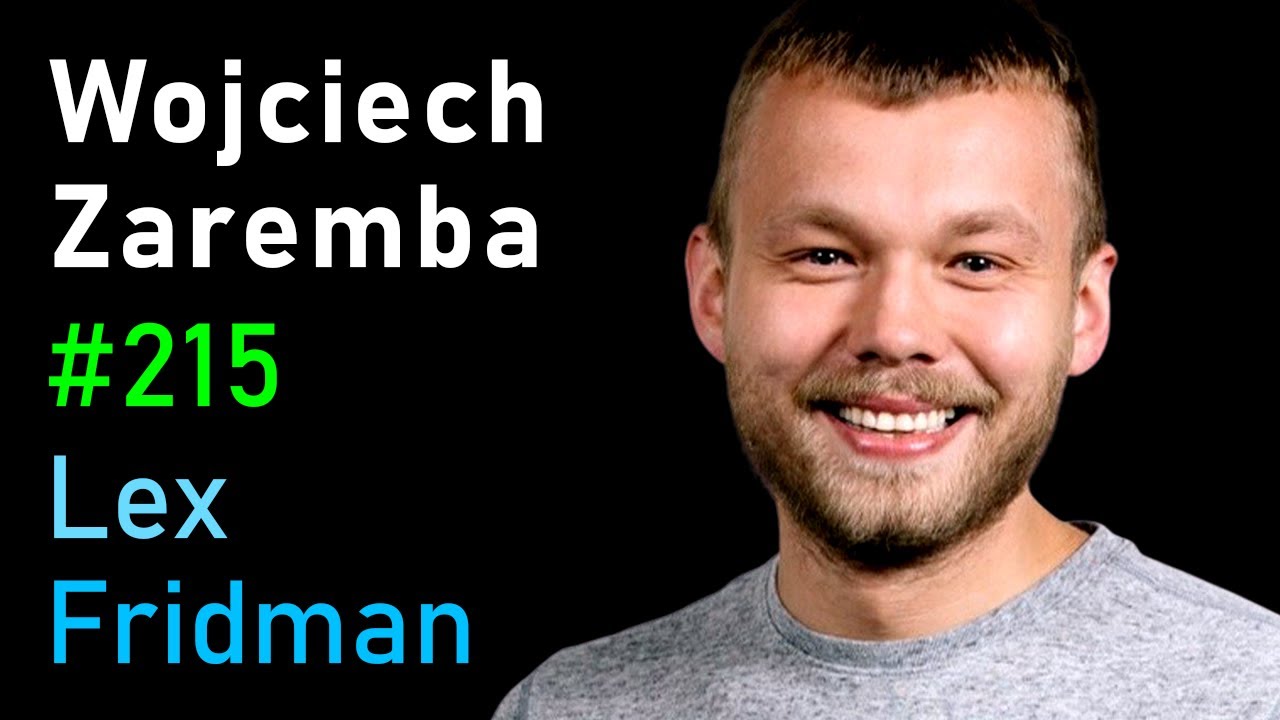 Wojciech Zaremba: OpenAI Codex, GPT-3, Robotics, and the Future of AI
Shares consciousness
2h 51m
Wojciech Zaremba: OpenAI Codex, GPT-3, Robotics, and the Future of AI
Shares consciousness
2h 51m
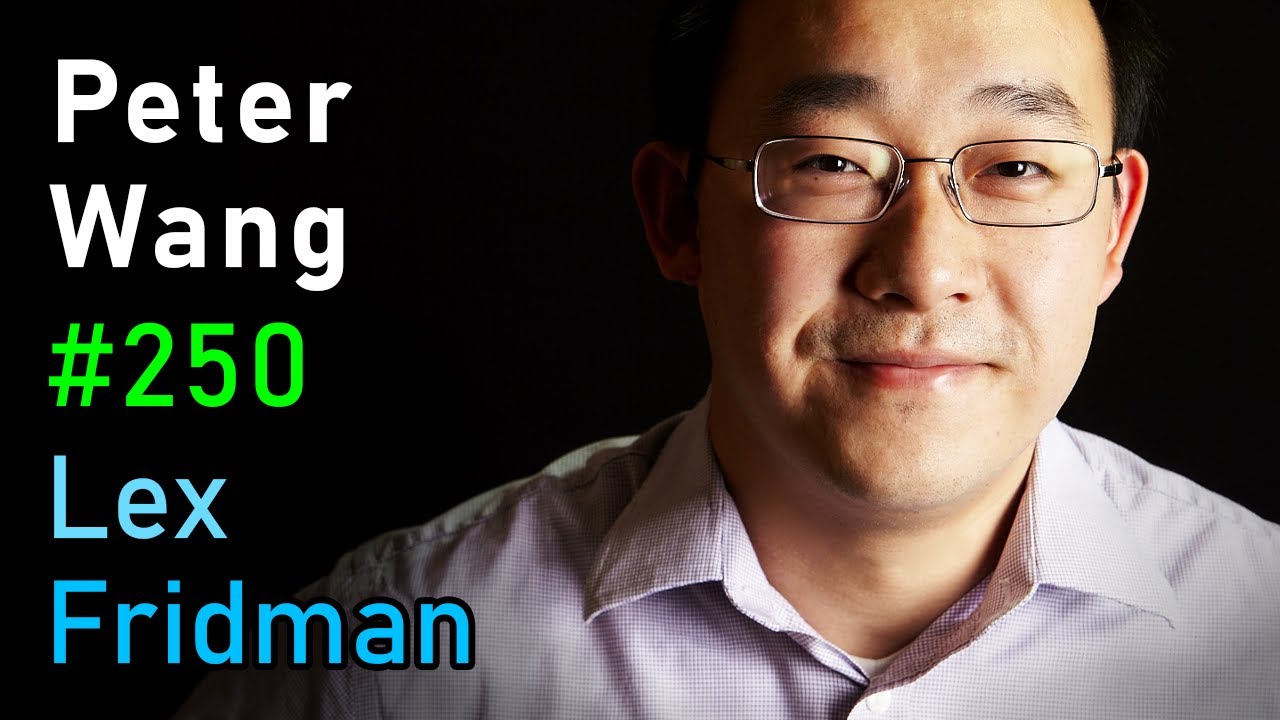 Peter Wang: Python and the Source Code of Humans, Computers, and Reality
Shares machine learning, consciousness
2h 46m
Peter Wang: Python and the Source Code of Humans, Computers, and Reality
Shares machine learning, consciousness
2h 46m
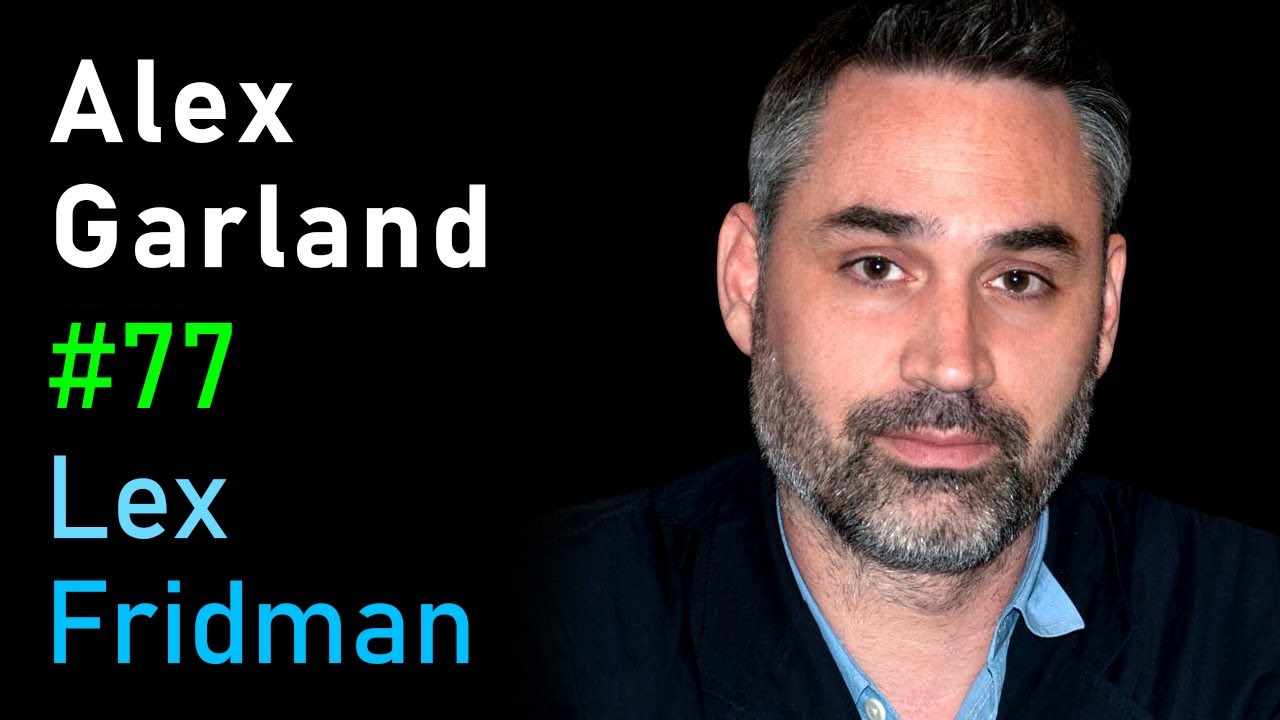 Alex Garland: Ex Machina, Devs, Annihilation, and the Poetry of Science
Shares consciousness
1h 11m
Alex Garland: Ex Machina, Devs, Annihilation, and the Poetry of Science
Shares consciousness
1h 11m
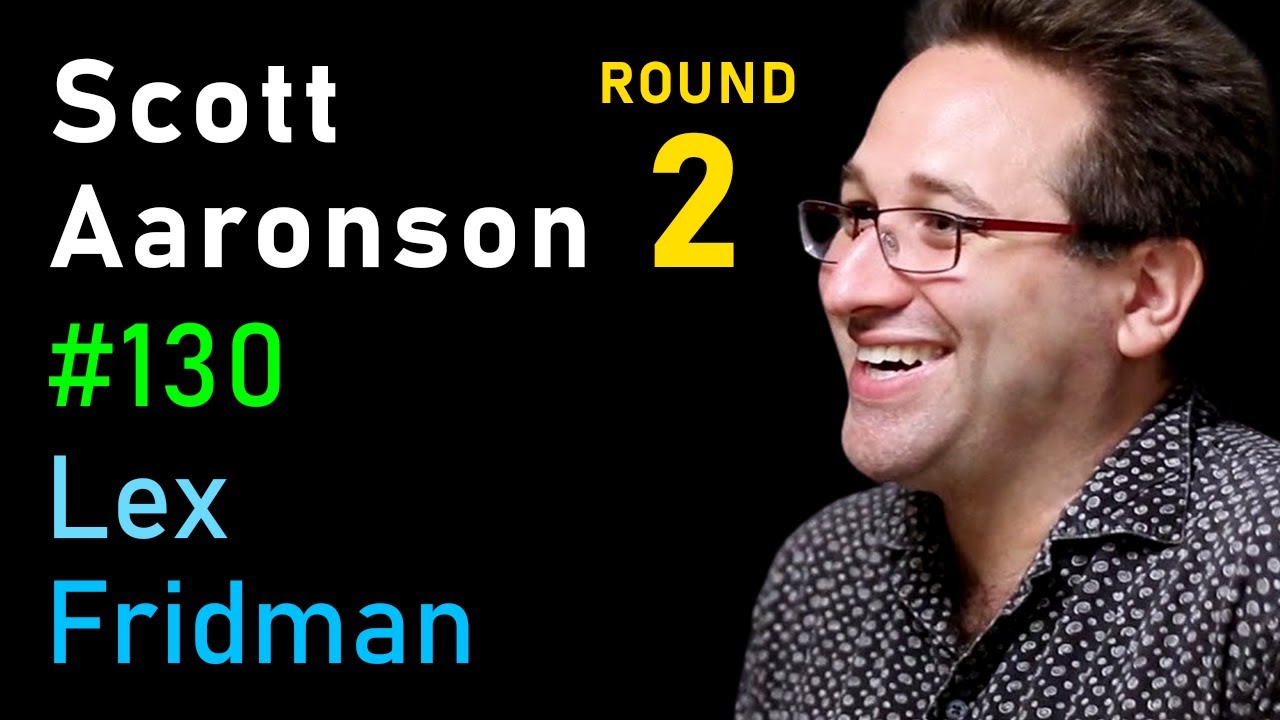 Scott Aaronson: Computational Complexity and Consciousness
Shares consciousness
1h 52m
Scott Aaronson: Computational Complexity and Consciousness
Shares consciousness
1h 52m
AI-generated summary · last refreshed 2026-06-06 06:00:12 · how we make these
Quotes are matched verbatim against the source transcript; references are checked to resolve to real URLs. Even so, AI can misread structure or attribute claims imperfectly. If you spot an error, please let us know.