All topics / machine learning
Topic
You are reading the free Skim layer. Read unlocks the synthesis and sources.
Machine learning
17
episodes
17
thinkers
30h
of conversation
40
books & papers
41
terms defined
The neighbourhood: machine learning and the ideas it travels with. Drag to roam, click a star for the episode, click a neighbour to travel.
Drag to roam · scroll to zoom · click a neighbour to travel · click a star for the episode
From foundational to frontier
Climb the spectrum. The most accessible conversations come first.
Start here
ACCESSIBLECOREFRONTIER
The lexicon
Every term the guests lean on, in plain language. Read one in full, or filter to find it.
+29 more terms unlock the full lexicon with Read.
What the corpus says
The throughline across every conversation that touches this idea.
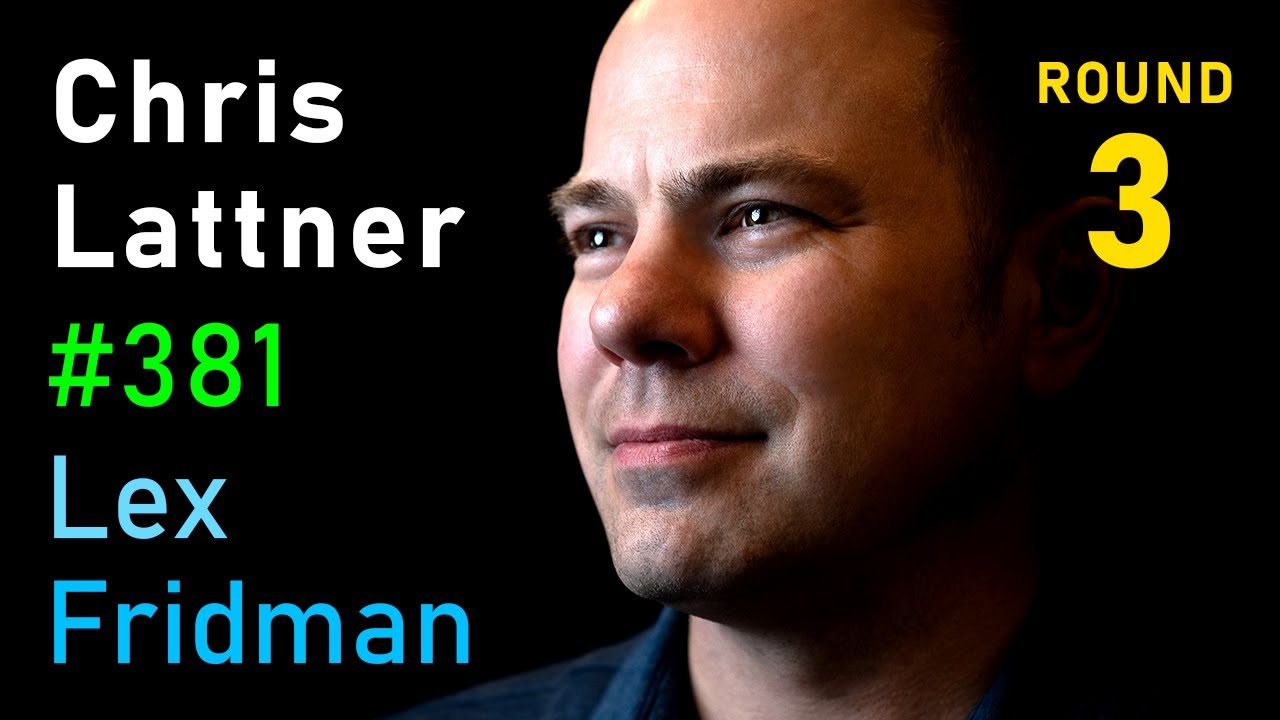
Mojo, a superset of Python, achieves up to 35,000x speedup over Python by optimizing memory and eliminating interpreter overhead.
Chris Lattner · Chris Lattner: Future of Programming and AI
Mojo integrates features from Rust and Swift, focusing on value semantics and immutability to reduce bugs and improve performance.
Chris Lattner · Chris Lattner: Future of Programming and AI
Mojo's design allows it to be a universal platform for AI, adapting to new hardware without needing code rewrites.
Chris Lattner · Chris Lattner: Future of Programming and AI
Mojo's async await feature and memory management innovations aim to solve Modular's AI stack problems and enhance developer productivity.
Chris Lattner · Chris Lattner: Future of Programming and AI
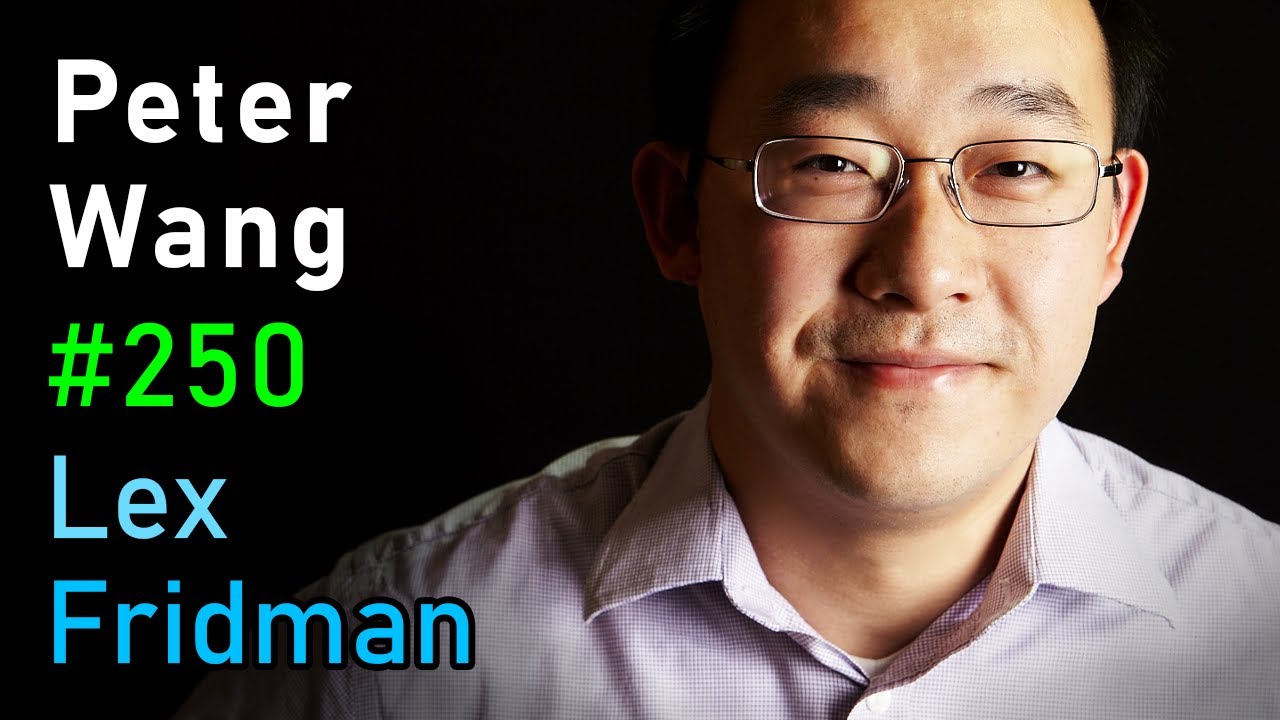
Peter Wang argues that Python's expressiveness and productivity make it superior to Perl and Bash for scripting utilities.
Excel is the most popular programming system due to its immediate-mode capabilities, making it accessible to a broad audience.
Machine learning introduces a new correctness dimension, considering both input values and functional correctness.
The Python data science movement was crucial in maintaining Python's momentum during the transition from Python 2 to Python 3.
Wang suggests that love should be a design criterion for AI systems, aiming to help others become their best selves.
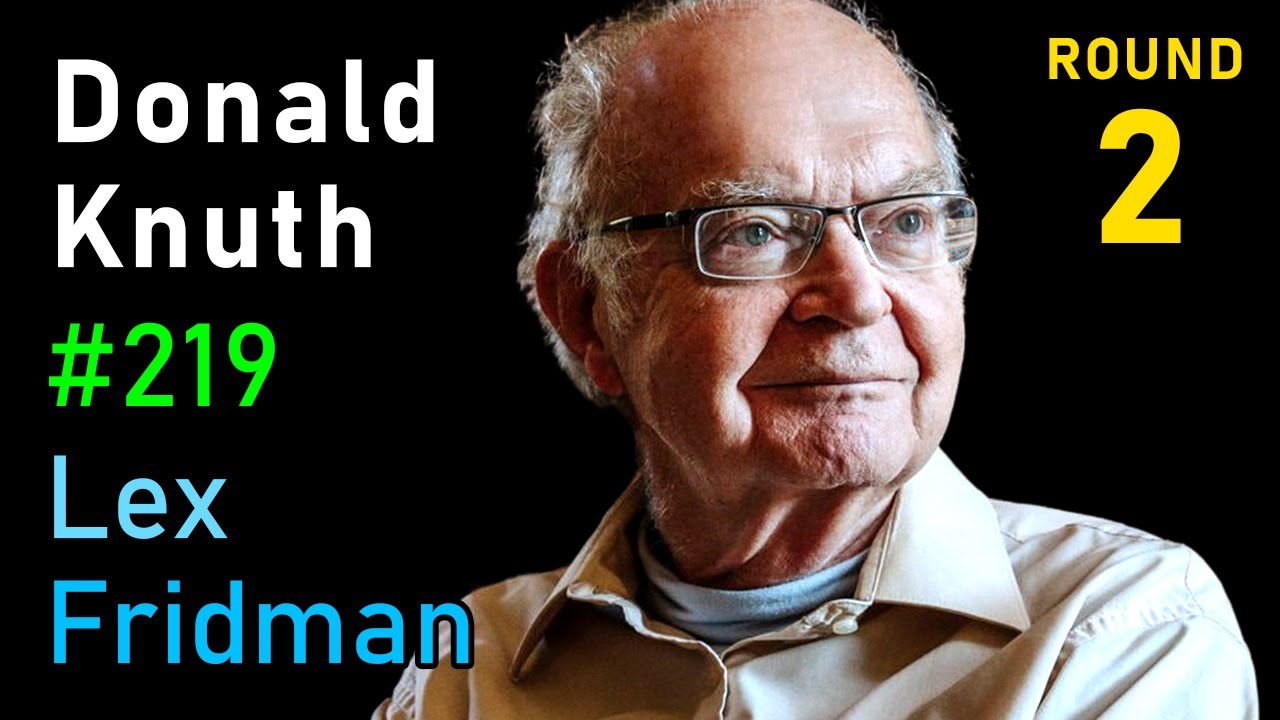
Donald Knuth's first large-scale program was a tic-tac-toe game in IBM 650 Assembler in 1957, which included early machine learning concepts.
Knuth believes that the question of whether consciousness is more than computation is currently unanswerable and may remain so indefinitely.
Knuth argues that automation in programming, exemplified by tools like OpenAI Codex, risks humans losing control over complex systems.
Voices on machine learning
12 standout quotes from across the corpus.
Go read
40 books and papers cited across these episodes.
For the specialist
What experts find new
30 expert-level takeaways for a specialist reader.
At the frontier
Still unresolved
24 open questions flagged across these conversations.
The thinkers
Who takes this idea on, by how often they return to it.
VV
2
 1
1
 1
DK
1
1
DK
1
 1
MM
1
AN
1
BS
1
DK
1
DK
1
DK
1
JD
1
1
MM
1
AN
1
BS
1
DK
1
DK
1
DK
1
JD
1
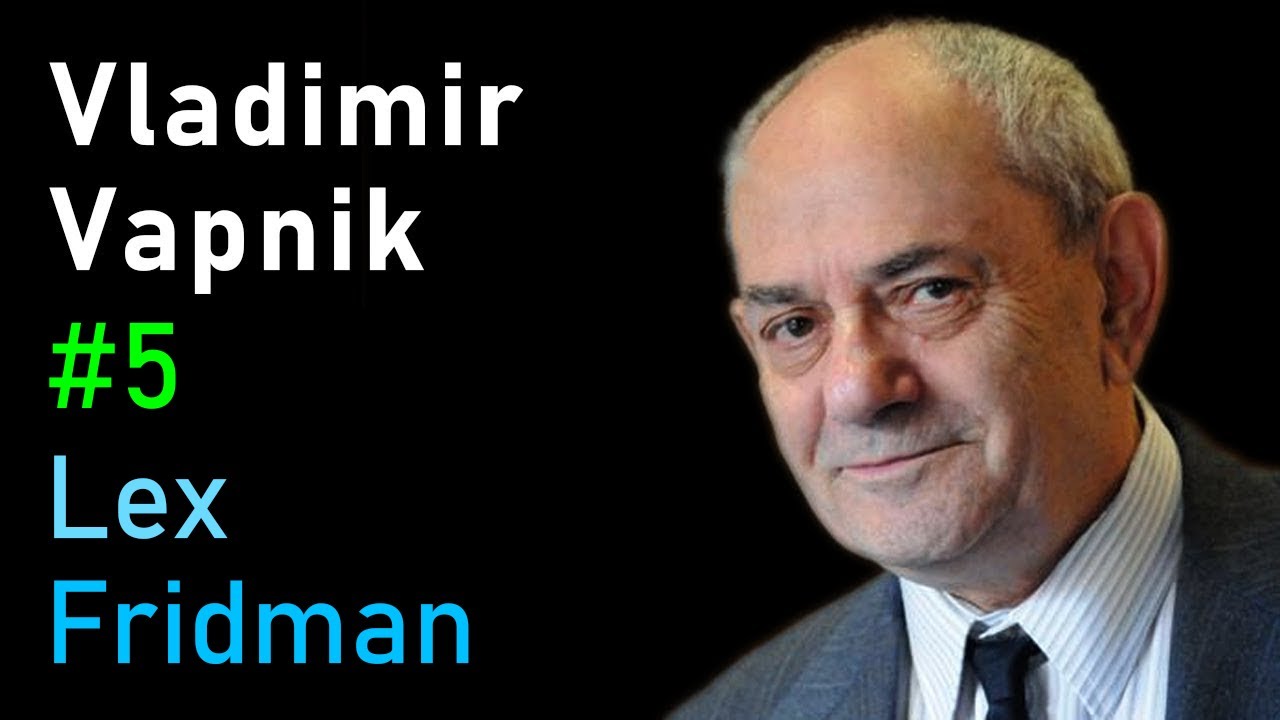
Vladimir Vapnik
Mathematician
Chris Lattner
Computer Scientist
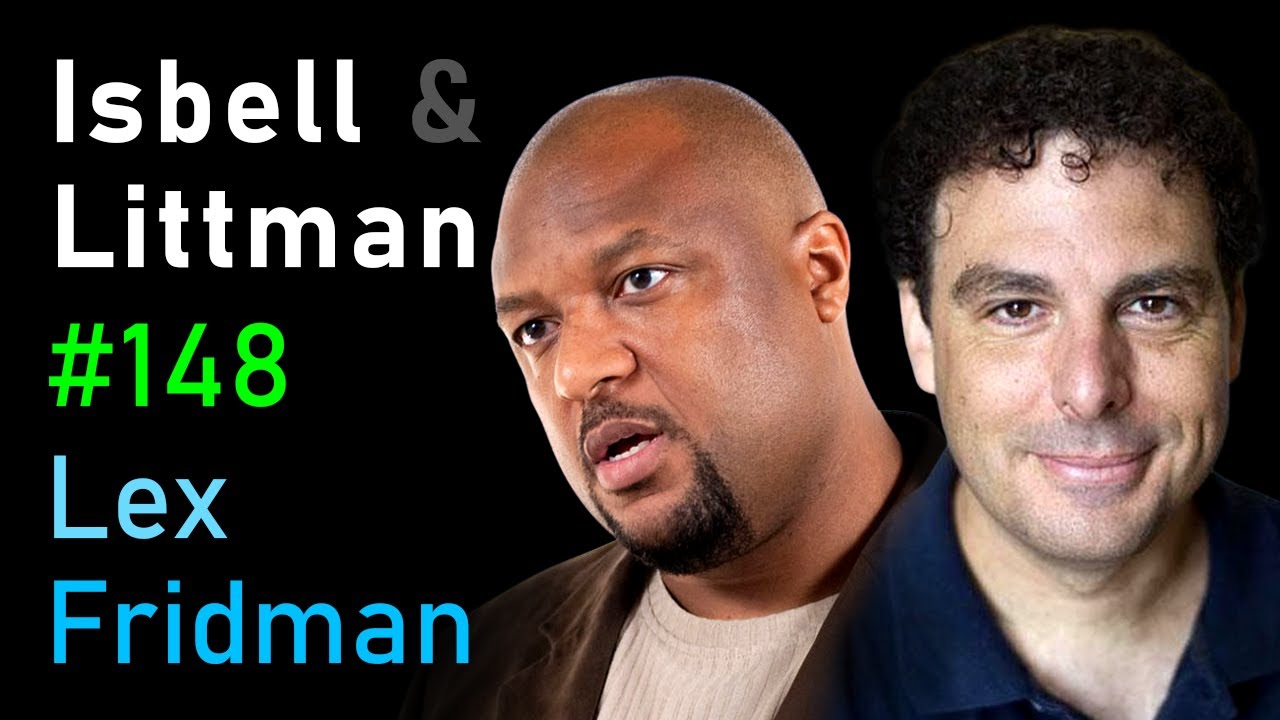
Charles Isbell
Computer Scientist
Dmitry Korkin
Researcher
Michael Littman
Computer Scientist
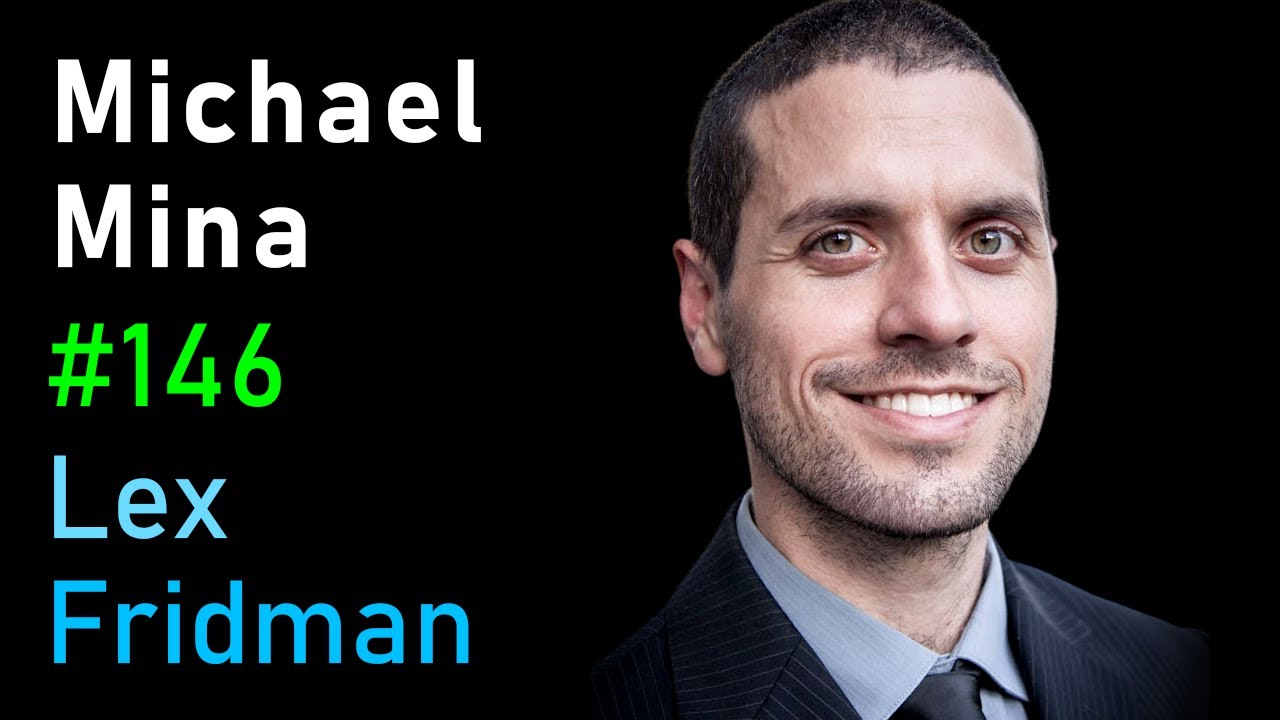
Michael Mina
Andrew Ng
Bjarne Stroustrup
Computer Scientist
Daniel Kahneman
Economist
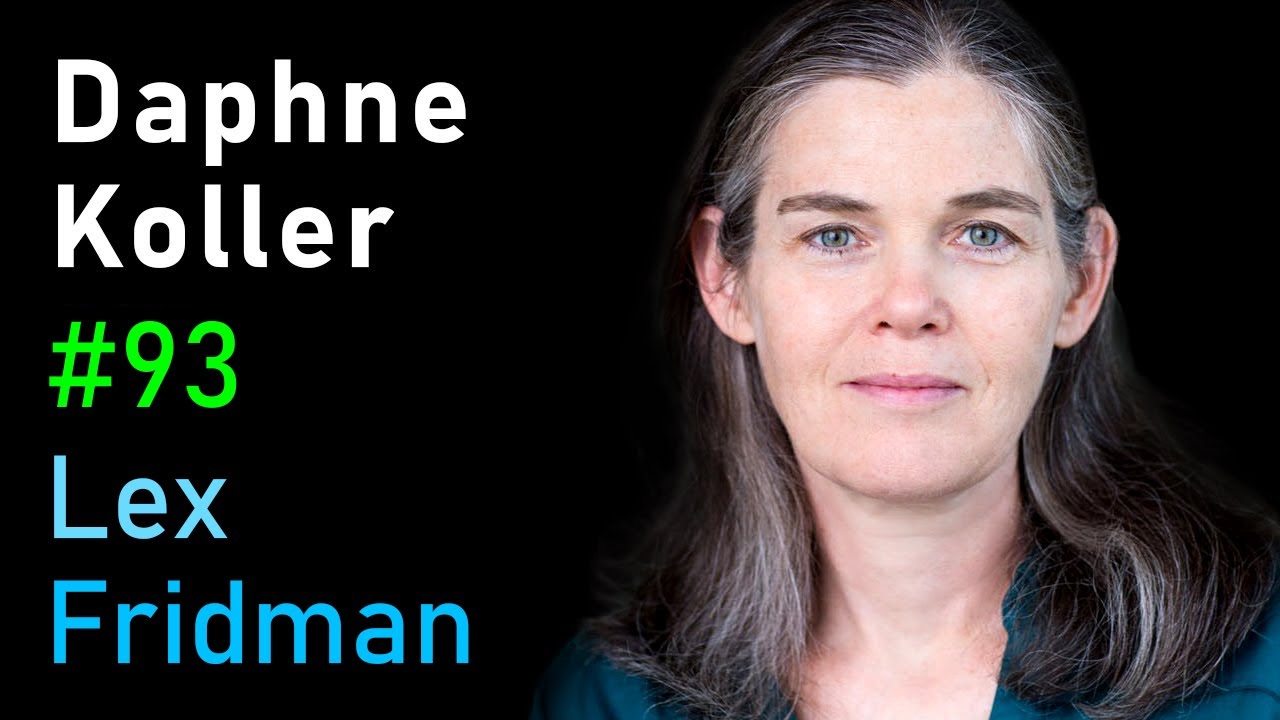
Daphne Koller
Computer Scientist
Donald Knuth
Mathematician
Jack Dorsey
Computer Scientist