Michael Malice: Freedom, Hope, and Happiness Amidst Chaos
Core Takeaways
Michael Malice argues that humor is essential in political discourse to maintain sanity amidst chaos.
▶ 5:00
Why it matters
Humor can diffuse tension and promote open dialogue, crucial for navigating today's polarized political landscape.
Malice suggests that the U.S. should have strategically delayed entering WWII to let Hitler and Stalin weaken each other.
▶ 25:00
Why it matters
This contrarian view questions conventional WWII narratives, inviting reevaluation of strategic military decisions.
Curtis Yarvin's ideas challenge liberal democracy, sparking debates on free speech and controversial discourse.
▶ 1:15:00
Why it matters
Yarvin's controversial ideas test the boundaries of free speech and highlight the complexities of ideological debates.
Self-publishing offers authors six times the revenue of traditional publishing, with faster release timelines.
▶ 1:45:00
Why it matters
The financial and temporal advantages of self-publishing empower authors to bypass traditional gatekeepers.
Malice emphasizes the importance of great speeches in inspiring and shaping political narratives.
▶ 2:10:00
Why it matters
Effective communication is vital for leaders to galvanize public support and drive societal change.
Ask this episode Deep
A preview of how Deep chat answers, grounded in this episode with citations and timestamps:
Cite this episode
For papers, blog posts, anywhere.
Related episodes
Where to go next from this conversation.
More from Michael Malice
 Michael Malice: Thanksgiving Pirate Special
CORE TAKEAWAYS: - Michael Malice argues that humor is a powerful tool for coping with…
1h 39m
Michael Malice: Thanksgiving Pirate Special
CORE TAKEAWAYS: - Michael Malice argues that humor is a powerful tool for coping with…
1h 39m
 Michael Malice: Christmas Special
CORE TAKEAWAYS: - Michael Malice's 'The White Pill' argues hope is essential amidst…
3h 40m
Michael Malice: Christmas Special
CORE TAKEAWAYS: - Michael Malice's 'The White Pill' argues hope is essential amidst…
3h 40m
 Michael Malice: Anarchy, Democracy, Libertarianism, Love, and Trolling
CORE TAKEAWAYS: - Michael Malice argues that anarchism, unlike democracy, doesn't require…
3h 20m
Michael Malice: Anarchy, Democracy, Libertarianism, Love, and Trolling
CORE TAKEAWAYS: - Michael Malice argues that anarchism, unlike democracy, doesn't require…
3h 20m
More on these ideas
 Tim Urban: Tribalism, Marxism, Liberalism, Social Justice, and Politics
Shares free speech
3h 7m
Tim Urban: Tribalism, Marxism, Liberalism, Social Justice, and Politics
Shares free speech
3h 7m
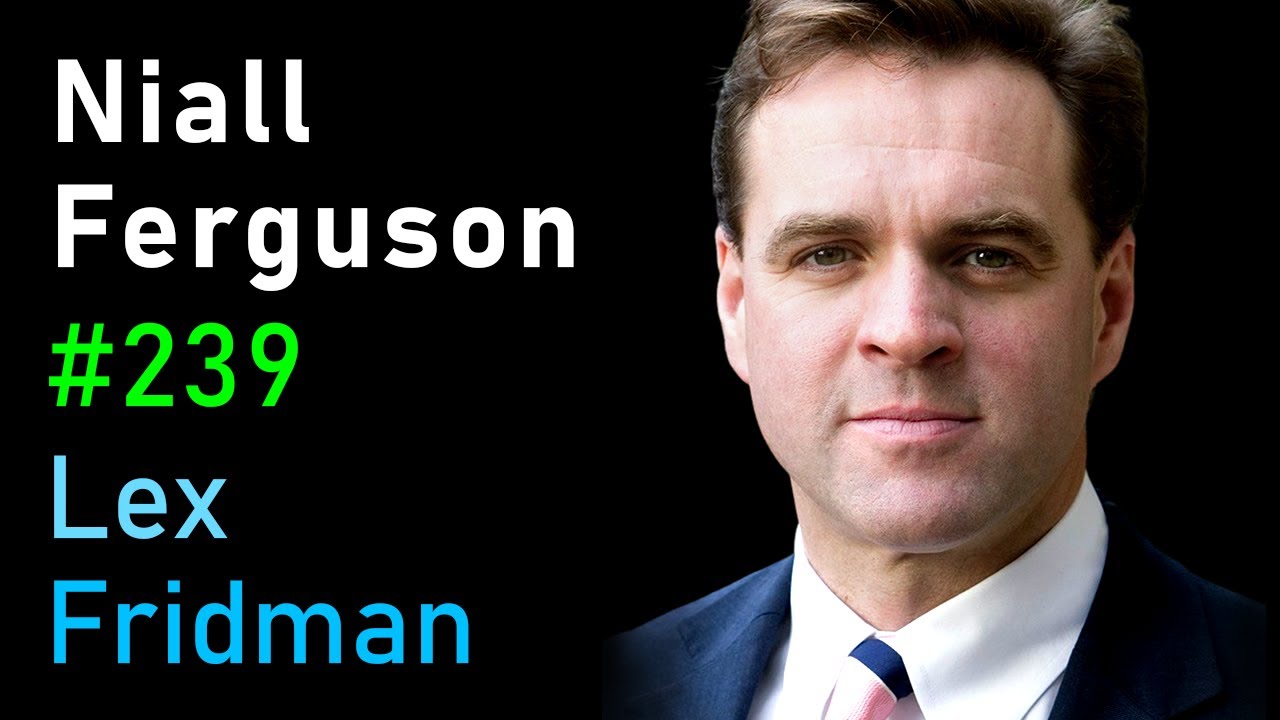 Niall Ferguson: History of Money, Power, War, and Truth
Shares free speech
2h 41m
Niall Ferguson: History of Money, Power, War, and Truth
Shares free speech
2h 41m
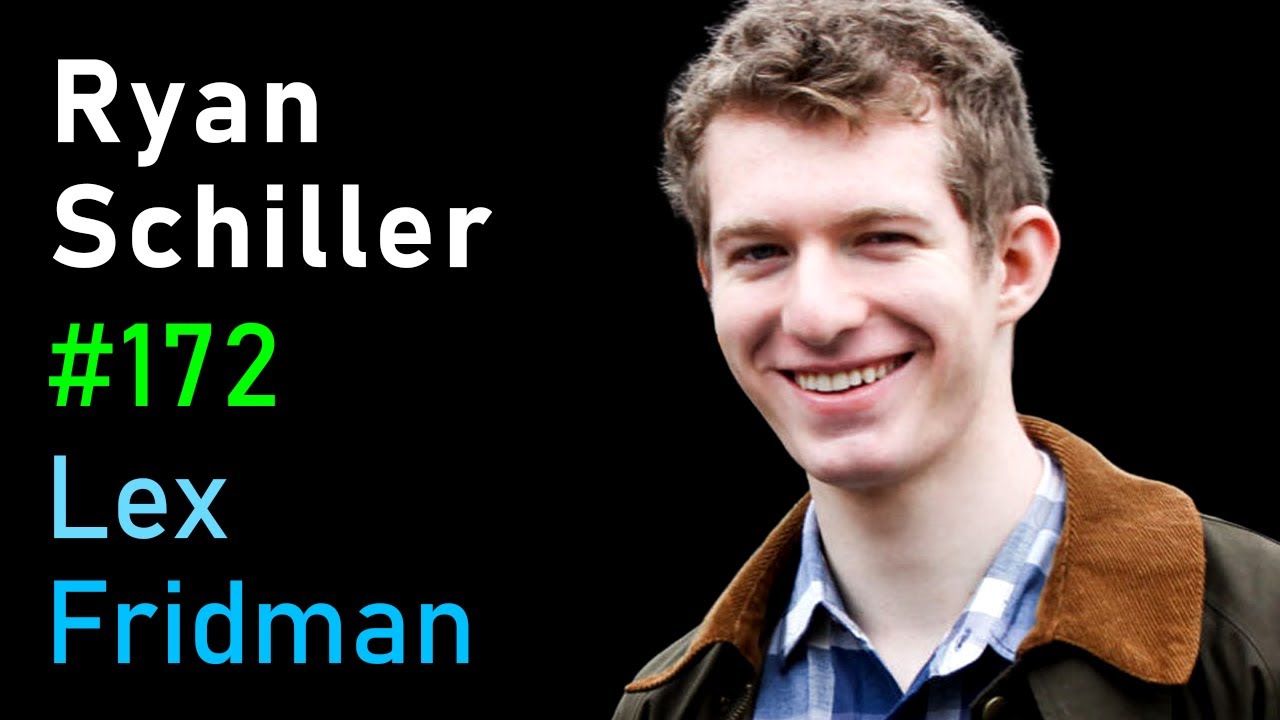 Ryan Schiller: Librex and the Free Exchange of Ideas on College Campuses
Shares free speech
2h 26m
Ryan Schiller: Librex and the Free Exchange of Ideas on College Campuses
Shares free speech
2h 26m
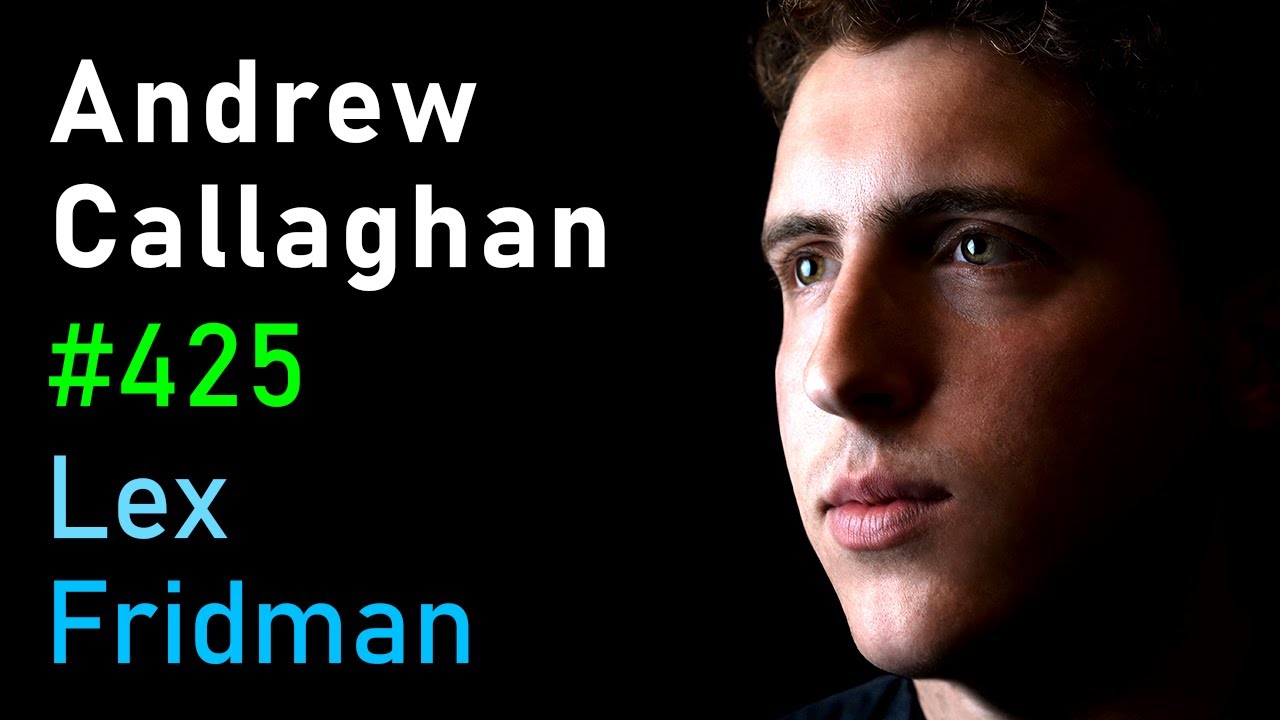 Andrew Callaghan: Channel 5, Gonzo, QAnon, O-Block, Politics & Alex Jones
Shares political discourse
2h 51m
Andrew Callaghan: Channel 5, Gonzo, QAnon, O-Block, Politics & Alex Jones
Shares political discourse
2h 51m
AI-generated summary · last refreshed 2026-06-06 21:40:57 · how we make these
Quotes are matched verbatim against the source transcript; references are checked to resolve to real URLs. Even so, AI can misread structure or attribute claims imperfectly. If you spot an error, please let us know.