Chris Lattner: The Future of Computing and Programming Languages
Core Takeaways
Swift's value semantics reduce the need for defensive copying, enhancing efficiency and mathematical consistency.
Why it matters
This approach allows Swift to handle variables like mathematical objects, improving both performance and developer experience.
MLIR outperforms LLVM by providing a flexible infrastructure for domain-specific compilers, addressing redundancy issues.
▶ 9:45
Why it matters
MLIR's flexibility enables faster development and optimization across various domains, potentially replacing LLVM in some areas.
Quantum computing is in its infancy, likened to a science project, with practical applications expected in about 10 years.
▶ 25:15
Why it matters
Understanding its current limitations helps set realistic expectations for its future impact on technology and society.
Swift's design prioritizes progressive disclosure of complexity, balancing power, efficiency, and user experience.
▶ 35:45
Why it matters
This design philosophy helps maintain Swift's accessibility and usability, attracting a wide range of developers.
Ask this episode Deep
A preview of how Deep chat answers, grounded in this episode with citations and timestamps:
Cite this episode
For papers, blog posts, anywhere.
Related episodes
Where to go next from this conversation.
More from Chris Lattner
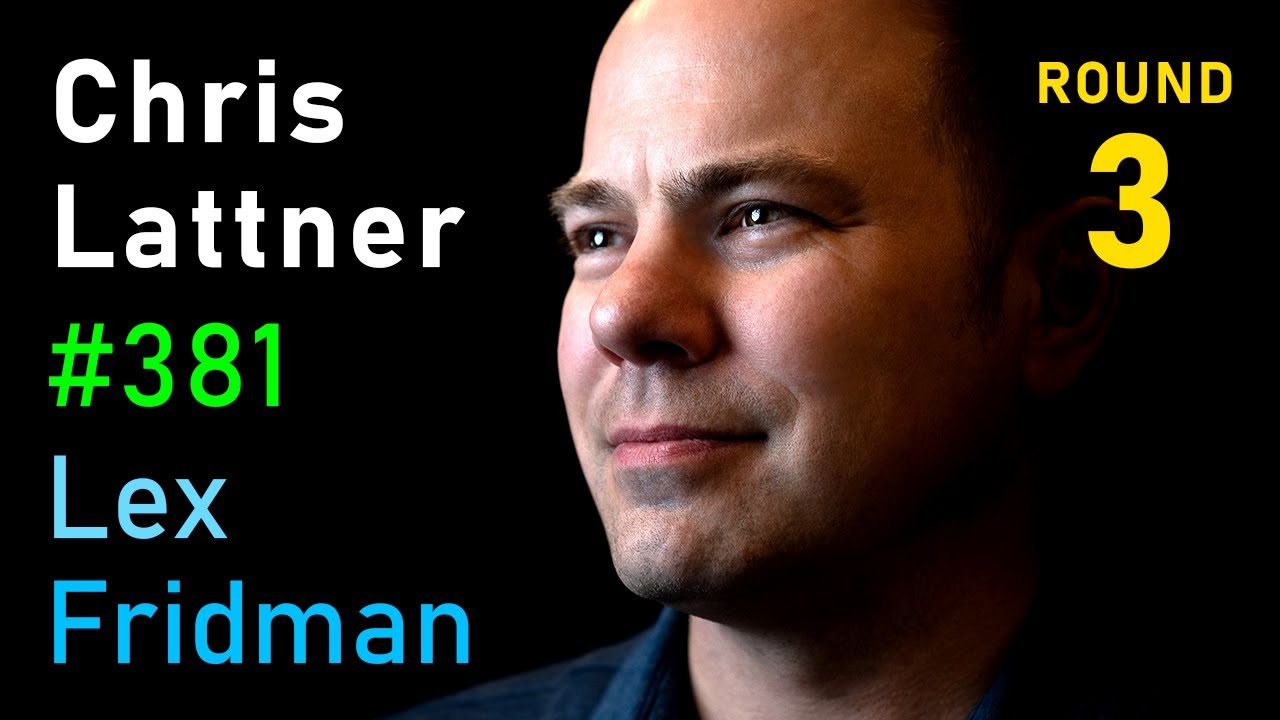 Chris Lattner: Future of Programming and AI
CORE TAKEAWAYS: - Mojo, a superset of Python, achieves up to 35,000x speedup over Python…
3h 34m
Chris Lattner: Future of Programming and AI
CORE TAKEAWAYS: - Mojo, a superset of Python, achieves up to 35,000x speedup over Python…
3h 34m
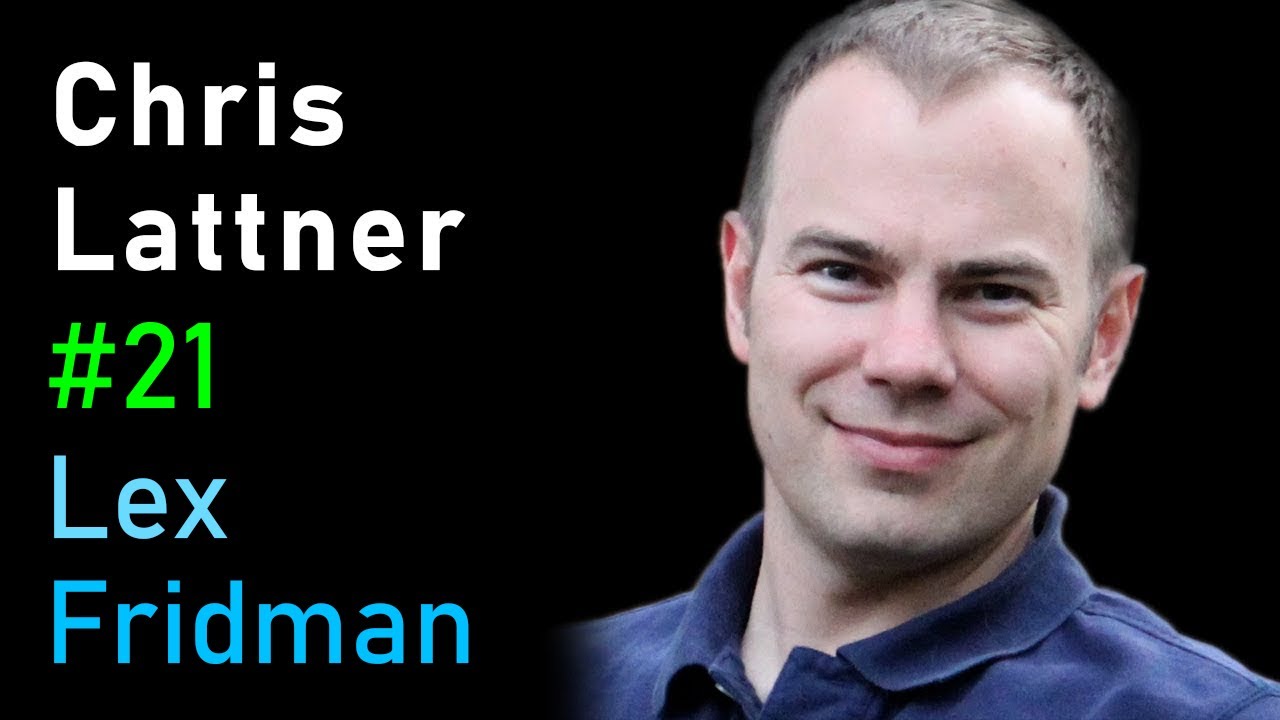 Chris Lattner: Compilers, LLVM, Swift, TPU, and ML Accelerators
CORE TAKEAWAYS: - LLVM's modular design allows for easy replacement of subsystems, unlike…
1h 13m
Chris Lattner: Compilers, LLVM, Swift, TPU, and ML Accelerators
CORE TAKEAWAYS: - LLVM's modular design allows for easy replacement of subsystems, unlike…
1h 13m
More on these ideas
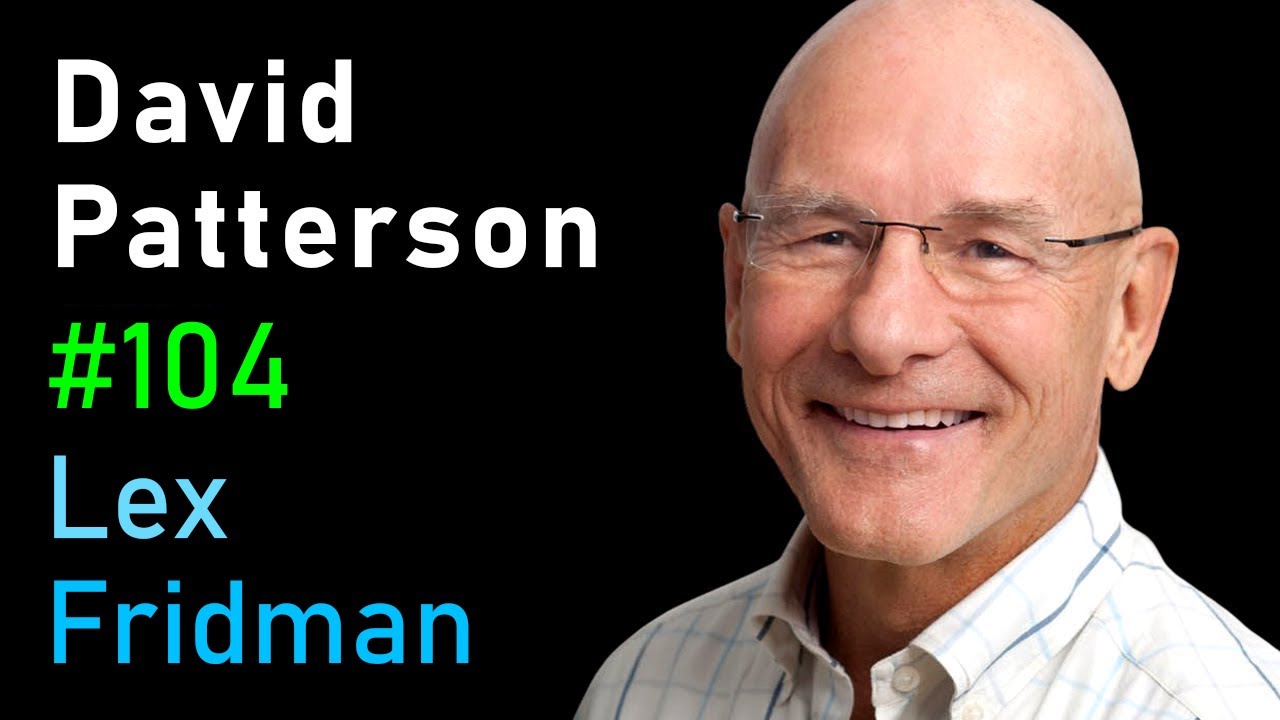 David Patterson: Computer Architecture and Data Storage
Shares quantum computing, RISC-V
1h 49m
David Patterson: Computer Architecture and Data Storage
Shares quantum computing, RISC-V
1h 49m
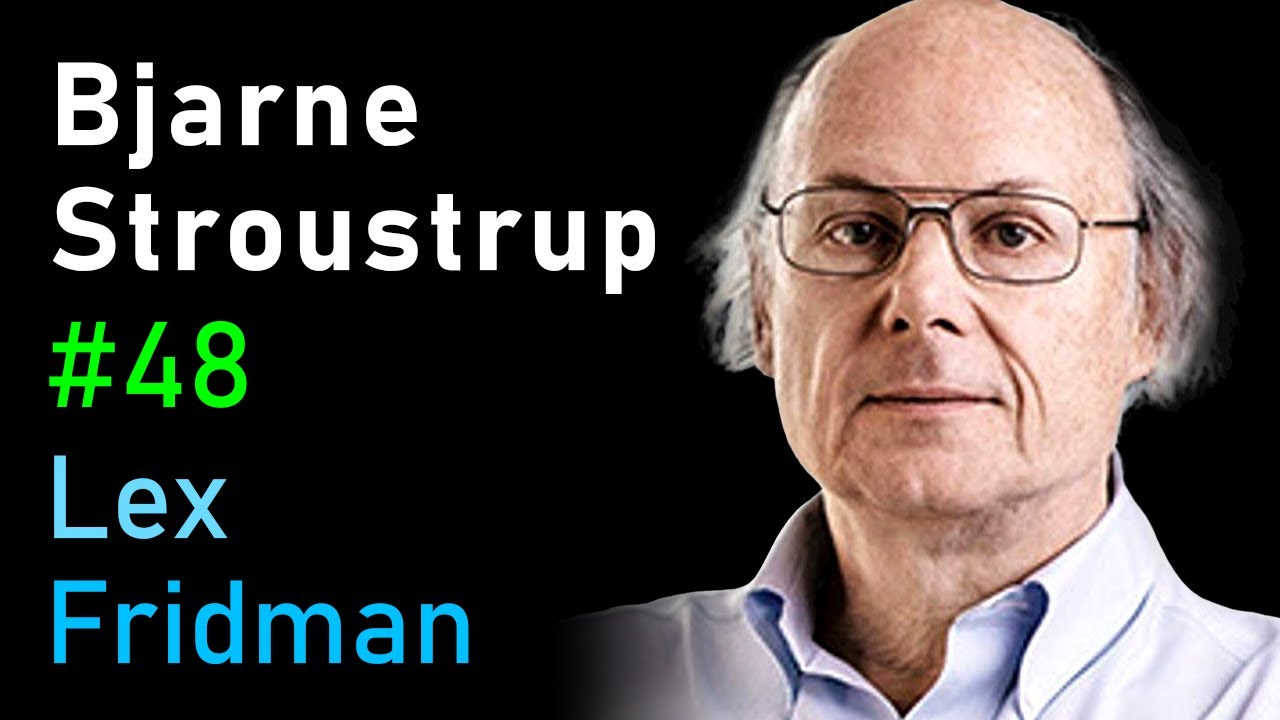 Bjarne Stroustrup: C++
Shares programming languages
1h 47m
Bjarne Stroustrup: C++
Shares programming languages
1h 47m
 Dave Plummer: Programming, Autism, and Old-School Microsoft Stories
Shares programming languages
1h 50m
Dave Plummer: Programming, Autism, and Old-School Microsoft Stories
Shares programming languages
1h 50m
 Guido van Rossum: Python
More like this
1h 26m
Guido van Rossum: Python
More like this
1h 26m
AI-generated summary · last refreshed 2026-06-06 22:06:46 · how we make these
Quotes are matched verbatim against the source transcript; references are checked to resolve to real URLs. Even so, AI can misread structure or attribute claims imperfectly. If you spot an error, please let us know.