Manolis Kellis: Origin of Life, Humans, Ideas, Suffering, and Happiness
Core Takeaways
The human epigenome compacts two meters of DNA into a cell nucleus, enabling complex gene regulation.
▶ 2:00
Why it matters
This structural and functional complexity is crucial for cellular identity and organismal development.
Denisovans, Neanderthals, and modern humans interbred, affecting modern genetic makeup.
▶ 15:00
Why it matters
Understanding these interbreeding events helps trace human evolution and genetic diversity.
Life expectancy is at an all-time high, with current times considered the best to be alive.
▶ 45:00
Why it matters
Historical context highlights progress in health and living conditions, shaping societal perspectives.
RNA likely preceded DNA in evolution, with ribosomes as key RNA machines.
▶ 1:10:00
Why it matters
This evolutionary insight underscores the ribosome's role in life's complexity and potential for non-DNA life.
Human lifespans could extend to 400 years, impacting intergalactic travel feasibility.
▶ 1:30:00
Why it matters
Extended lifespans would alter human experience and enable long-duration space travel.
Ask this episode Deep
A preview of how Deep chat answers, grounded in this episode with citations and timestamps:
Cite this episode
For papers, blog posts, anywhere.
Related episodes
Where to go next from this conversation.
More from Manolis Kellis
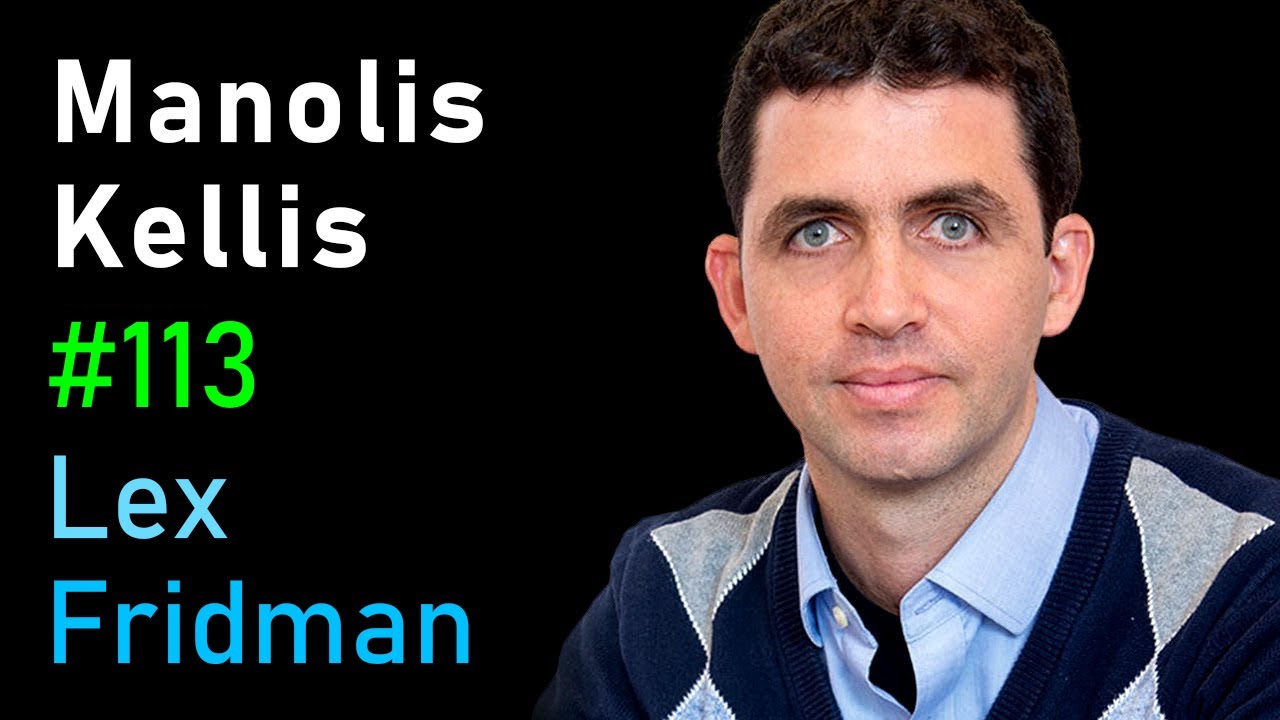 Manolis Kellis: Human Genome and Evolutionary Dynamics
CORE TAKEAWAYS: - The human genome is 99.9% identical across individuals, emphasizing…
2h 29m
Manolis Kellis: Human Genome and Evolutionary Dynamics
CORE TAKEAWAYS: - The human genome is 99.9% identical across individuals, emphasizing…
2h 29m
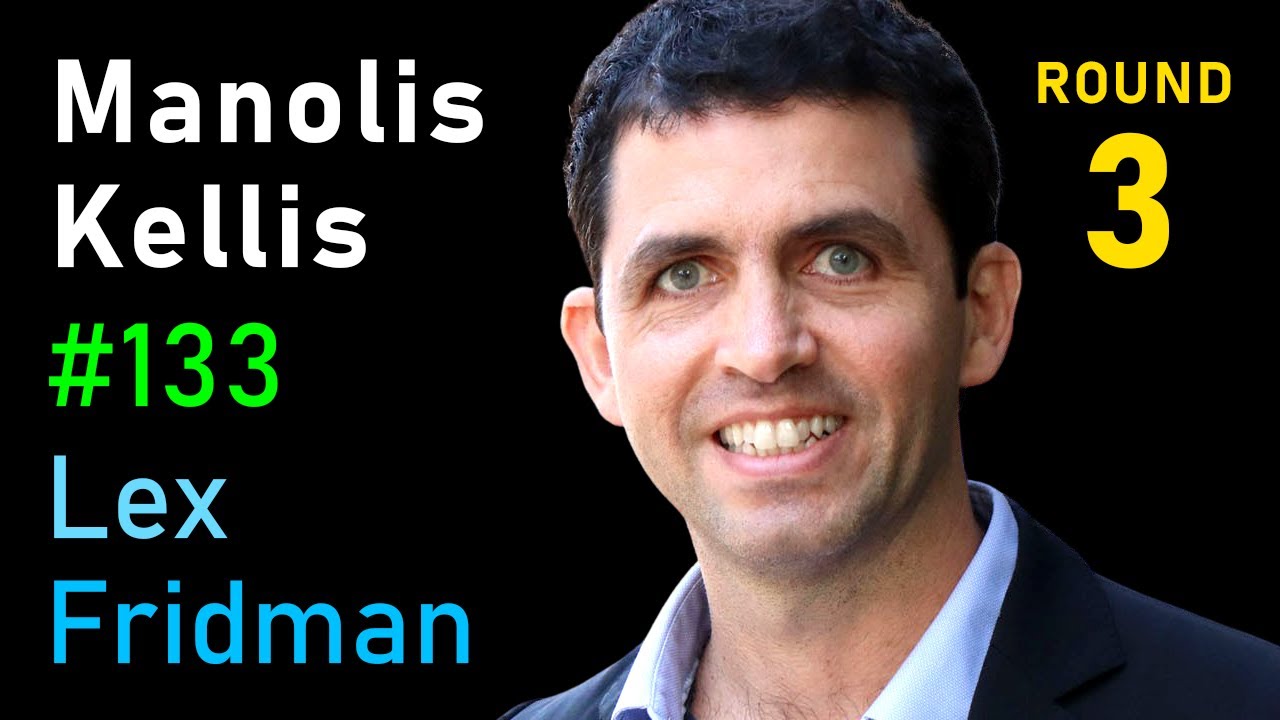 Manolis Kellis: Biology of Disease
CORE TAKEAWAYS: - Manolis Kellis argues that understanding human disease requires…
2h 34m
Manolis Kellis: Biology of Disease
CORE TAKEAWAYS: - Manolis Kellis argues that understanding human disease requires…
2h 34m
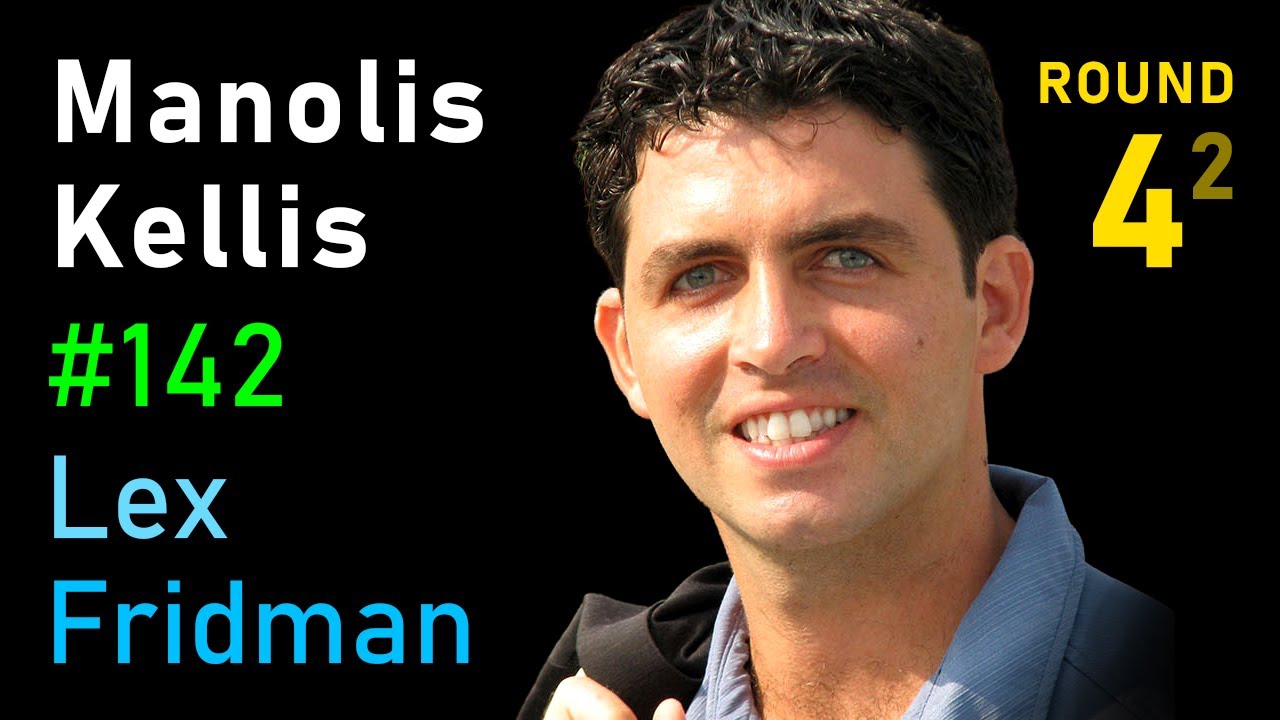 Manolis Kellis: Meaning of Life, the Universe, and Everything
CORE TAKEAWAYS: - Manolis Kellis argues that language evolved after music, suggesting…
2h 10m
Manolis Kellis: Meaning of Life, the Universe, and Everything
CORE TAKEAWAYS: - Manolis Kellis argues that language evolved after music, suggesting…
2h 10m
More on these ideas
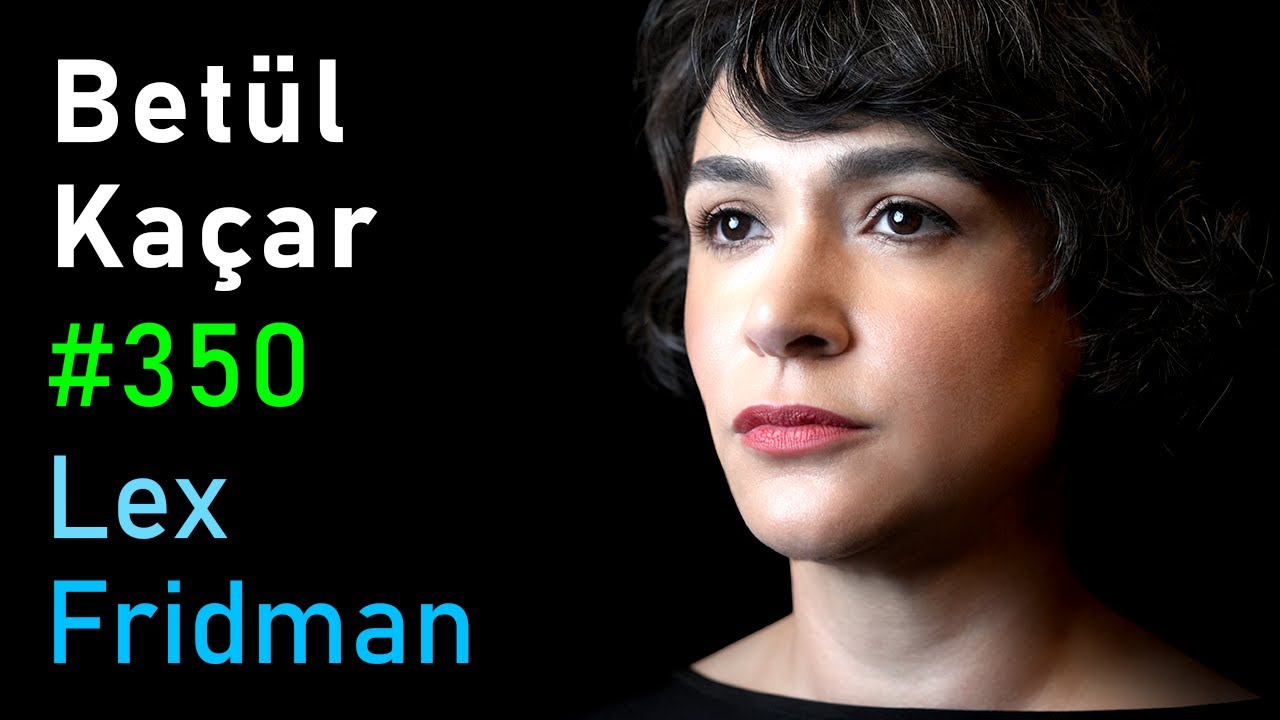 Betül Kaçar: Origin of Life, Ancient DNA, Panspermia, and Aliens
More like this
2h 40m
Betül Kaçar: Origin of Life, Ancient DNA, Panspermia, and Aliens
More like this
2h 40m
 Lisa Feldman Barrett: Counterintuitive Ideas About How the Brain Works
More like this
2h 20m
Lisa Feldman Barrett: Counterintuitive Ideas About How the Brain Works
More like this
2h 20m
 Richard Dawkins: Evolution, Intelligence, Simulation, and Memes
More like this
1h 7m
Richard Dawkins: Evolution, Intelligence, Simulation, and Memes
More like this
1h 7m
 Jonathan Reisman: The Human Body - From Sex & Sperm to Hands & Heart
More like this
2h 43m
Jonathan Reisman: The Human Body - From Sex & Sperm to Hands & Heart
More like this
2h 43m
AI-generated summary · last refreshed 2026-06-06 22:17:56 · how we make these
Quotes are matched verbatim against the source transcript; references are checked to resolve to real URLs. Even so, AI can misread structure or attribute claims imperfectly. If you spot an error, please let us know.