François Chollet: Measures of Intelligence
Core Takeaways
Francois Chollet sees intelligence as the ability to generalize efficiently to new situations, beyond prior knowledge.
Why it matters
This definition challenges AI systems to focus on adaptability rather than rote learning, pushing the field toward more human-like intelligence.
The ARC test, developed by Chollet, benchmarks fluid intelligence by using tasks requiring core knowledge priors without external information.
▶ 1:20:00
Why it matters
ARC's design highlights the importance of testing AI on novel problems to truly assess intelligence, influencing AI evaluation standards.
Current AI models, like GPT, primarily perform pattern matching rather than true reasoning, limited by data quality.
▶ 2:10:00
Why it matters
This highlights the need for better data curation in AI development to improve reasoning capabilities.
Chollet critiques the Turing test as outsourcing intelligence measurement to human judges, limiting its utility.
▶ 2:45:00
Why it matters
Chollet's critique suggests the need for more rigorous and objective measures of machine intelligence.
Ask this episode Deep
A preview of how Deep chat answers, grounded in this episode with citations and timestamps:
Cite this episode
For papers, blog posts, anywhere.
Related episodes
Where to go next from this conversation.
More on these ideas
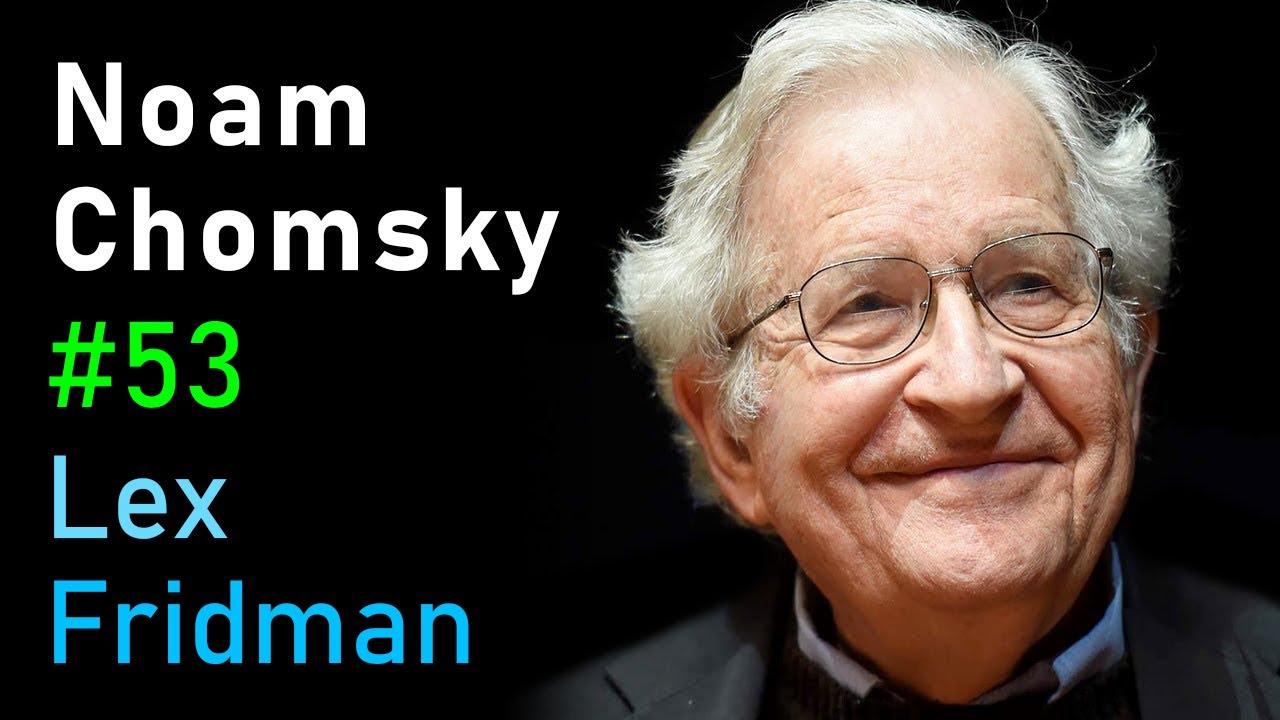 Noam Chomsky: Language, Cognition, and Deep Learning
Shares cognition, language
35m
Noam Chomsky: Language, Cognition, and Deep Learning
Shares cognition, language
35m
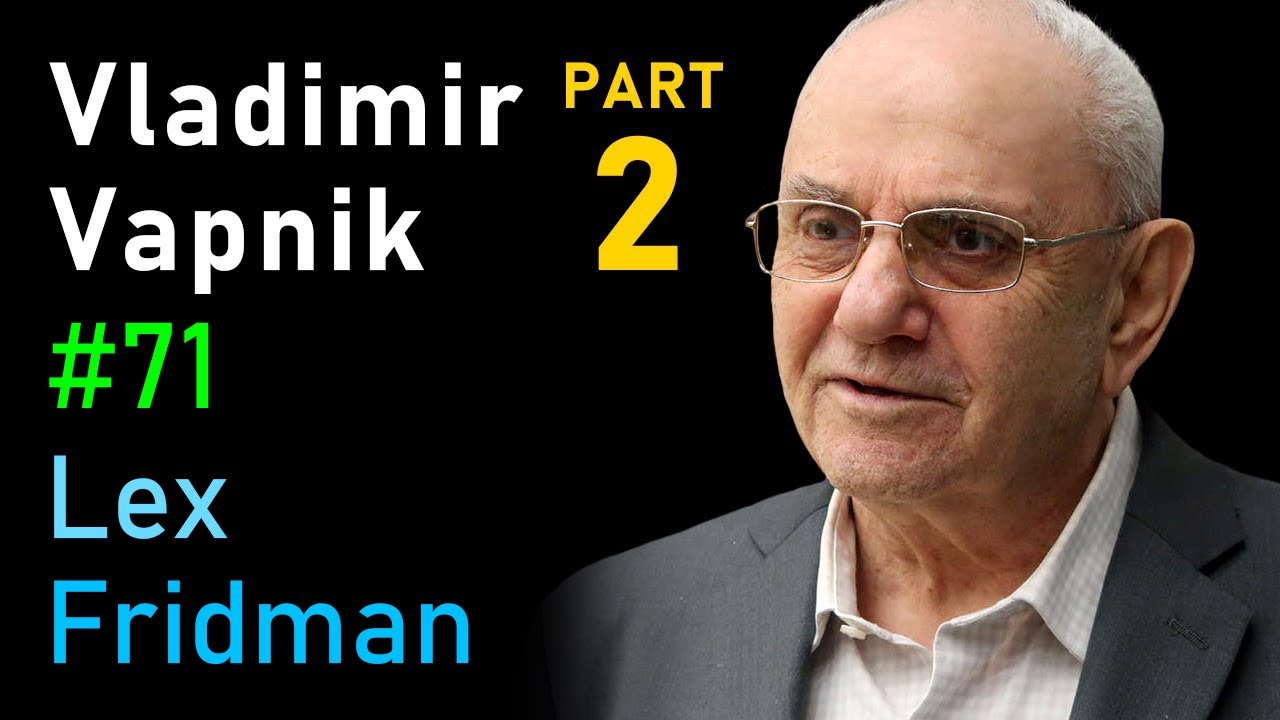 Vladimir Vapnik: Predicates, Invariants, and the Essence of Intelligence
Shares intelligence
1h 44m
Vladimir Vapnik: Predicates, Invariants, and the Essence of Intelligence
Shares intelligence
1h 44m
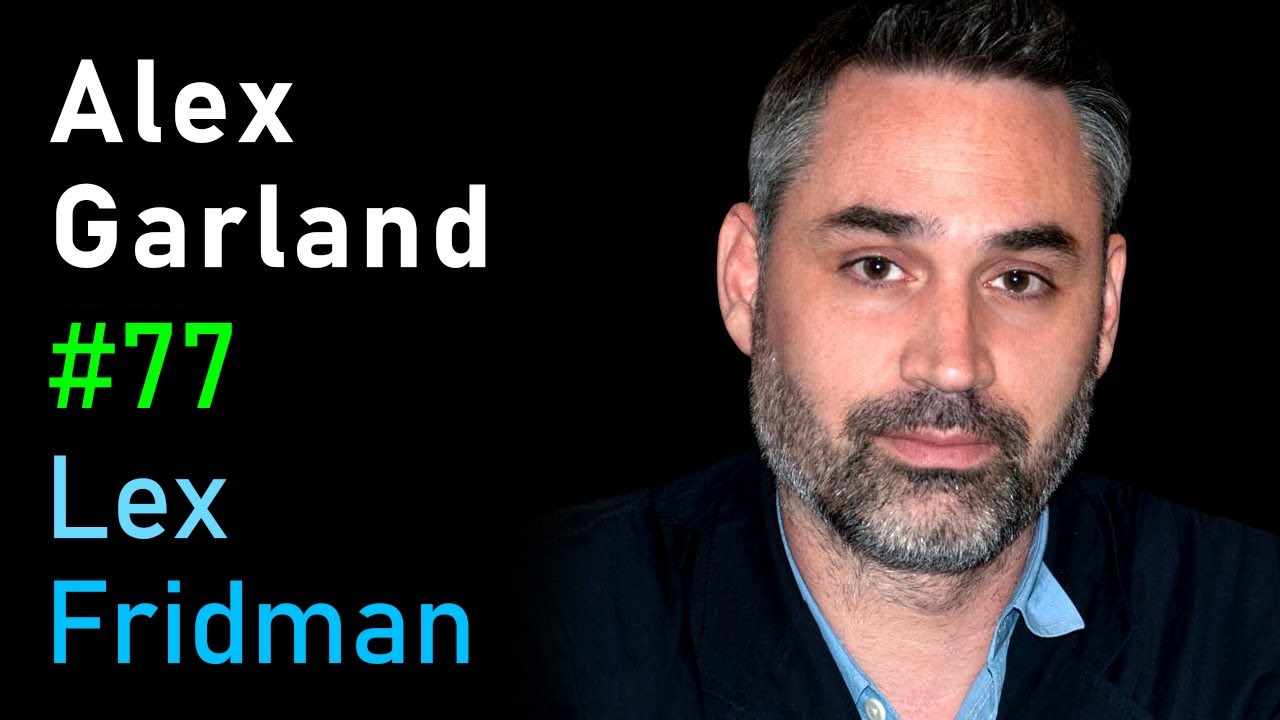 Alex Garland: Ex Machina, Devs, Annihilation, and the Poetry of Science
More like this
1h 11m
Alex Garland: Ex Machina, Devs, Annihilation, and the Poetry of Science
More like this
1h 11m
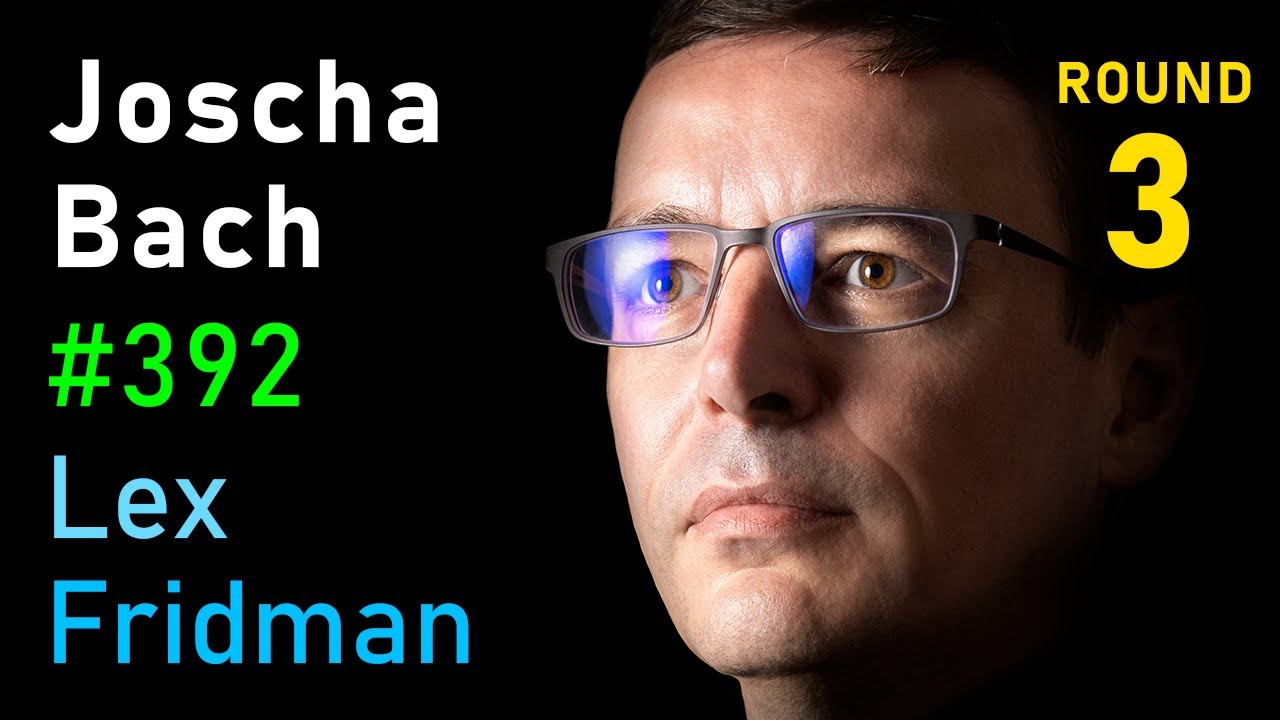 Joscha Bach: Life, Intelligence, Consciousness, AI & the Future of Humans
More like this
2h 53m
Joscha Bach: Life, Intelligence, Consciousness, AI & the Future of Humans
More like this
2h 53m
AI-generated summary · last refreshed 2026-06-06 22:22:30 · how we make these
Quotes are matched verbatim against the source transcript; references are checked to resolve to real URLs. Even so, AI can misread structure or attribute claims imperfectly. If you spot an error, please let us know.