Jitendra Malik: Computer Vision
Core Takeaways
Jitendra Malik argues that achieving 99% of a computer vision solution is exponentially harder than reaching 50%, due to complex edge cases.
▶ 2:30
Why it matters
This suggests that the last mile of computer vision development is a major bottleneck, affecting real-world applications like autonomous driving.
Malik believes current AI systems require far more data than humans to learn similar capabilities, highlighting inefficiencies in existing models.
▶ 5:45
Why it matters
This inefficiency limits AI's scalability and applicability in environments where data is scarce or expensive to collect.
Video recognition technology is a decade behind static image processing, with action classification performance stuck at around 30%.
▶ 1:10:15
Why it matters
The lag in video recognition hinders advancements in areas like surveillance and autonomous navigation, where dynamic scene understanding is crucial.
Malik emphasizes the importance of segmentation in computer vision, which allows object identification without needing explicit naming.
▶ 1:25:30
Why it matters
Segmentation enables more efficient learning processes, reducing the need for extensive labeled datasets and enhancing model robustness.
Biological vision systems use feedback mechanisms and shallower networks, contrasting with the deeper, feed-forward networks in artificial vision.
▶ 1:40:00
Why it matters
Understanding these differences can inspire more efficient artificial vision models, potentially improving performance and reducing computational demands.
Ask this episode Deep
A preview of how Deep chat answers, grounded in this episode with citations and timestamps:
Cite this episode
For papers, blog posts, anywhere.
Related episodes
Where to go next from this conversation.
More on these ideas
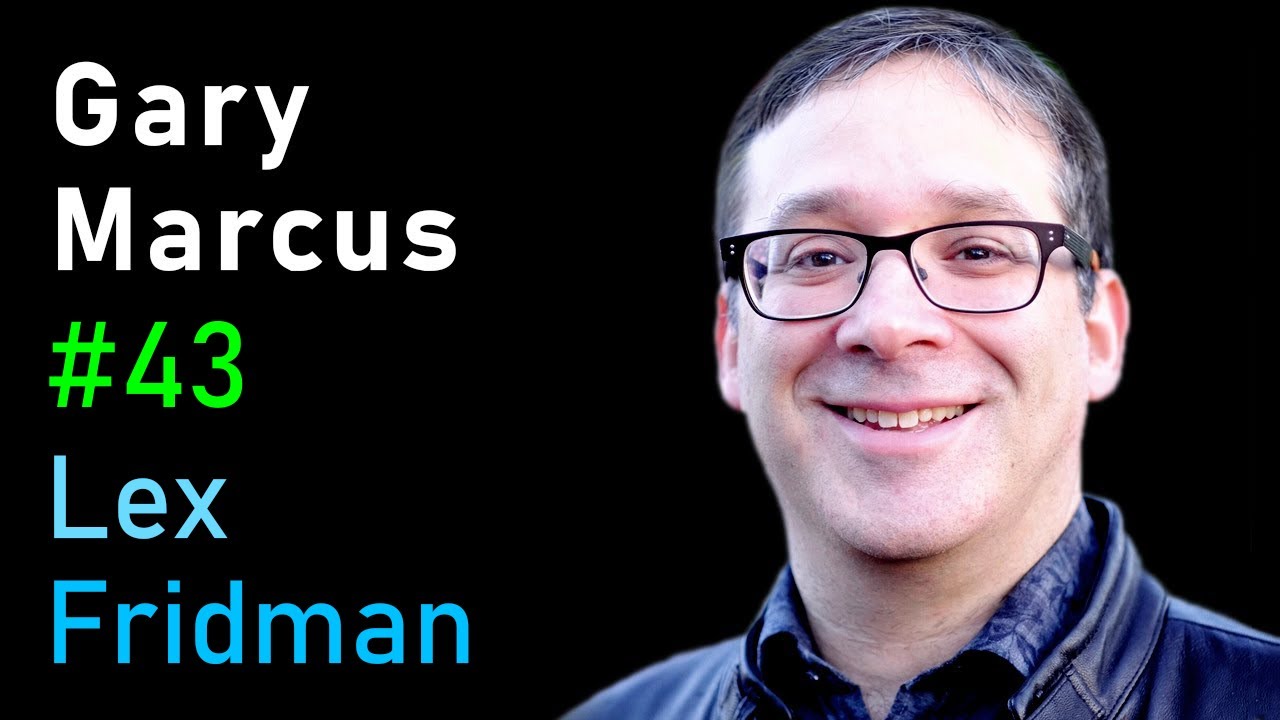 Gary Marcus: Toward a Hybrid of Deep Learning and Symbolic AI
Shares deep learning, AI ethics
1h 25m
Gary Marcus: Toward a Hybrid of Deep Learning and Symbolic AI
Shares deep learning, AI ethics
1h 25m
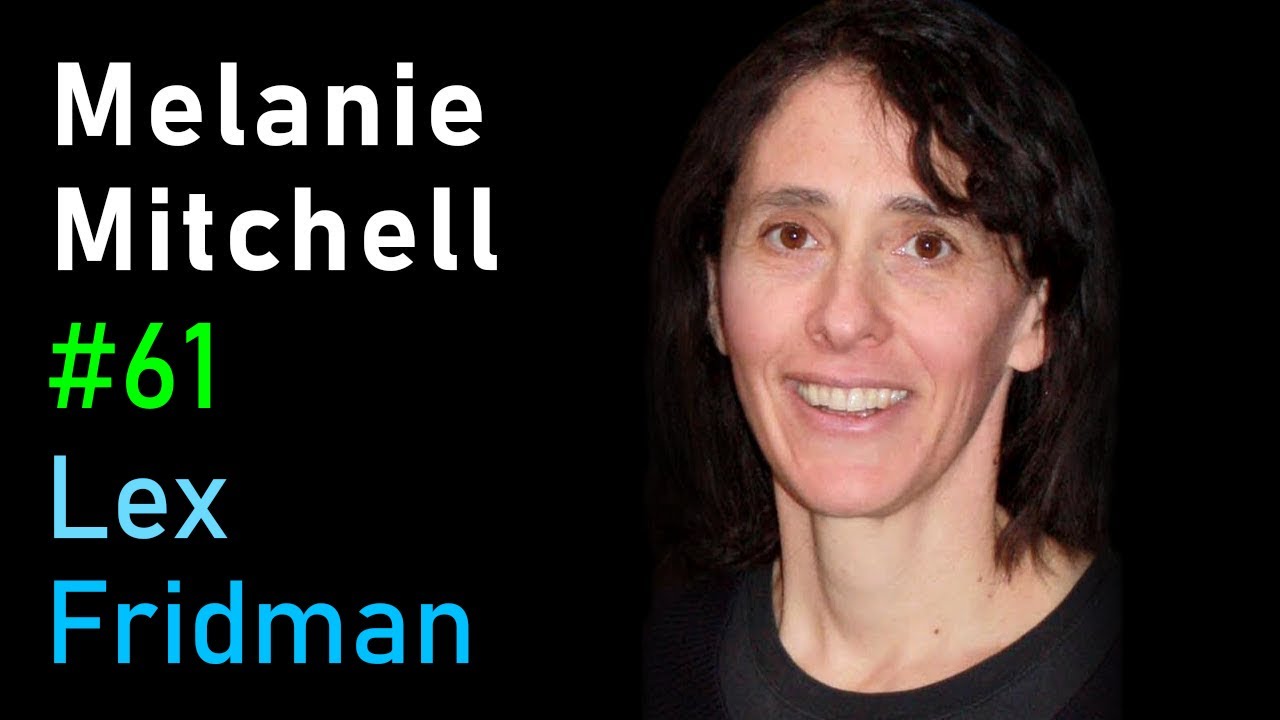 Melanie Mitchell: Concepts, Analogies, Common Sense & Future of AI
Shares autonomous driving, deep learning
1h 52m
Melanie Mitchell: Concepts, Analogies, Common Sense & Future of AI
Shares autonomous driving, deep learning
1h 52m
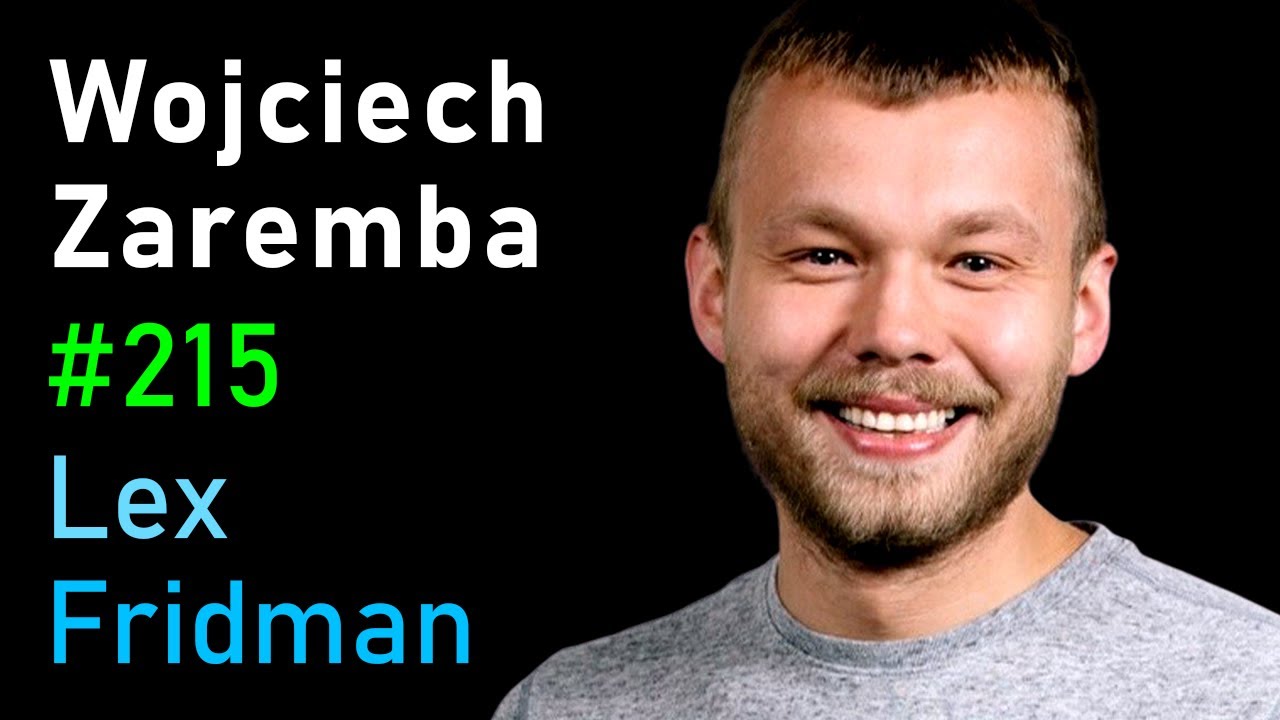 Wojciech Zaremba: OpenAI Codex, GPT-3, Robotics, and the Future of AI
Shares deep learning
2h 51m
Wojciech Zaremba: OpenAI Codex, GPT-3, Robotics, and the Future of AI
Shares deep learning
2h 51m
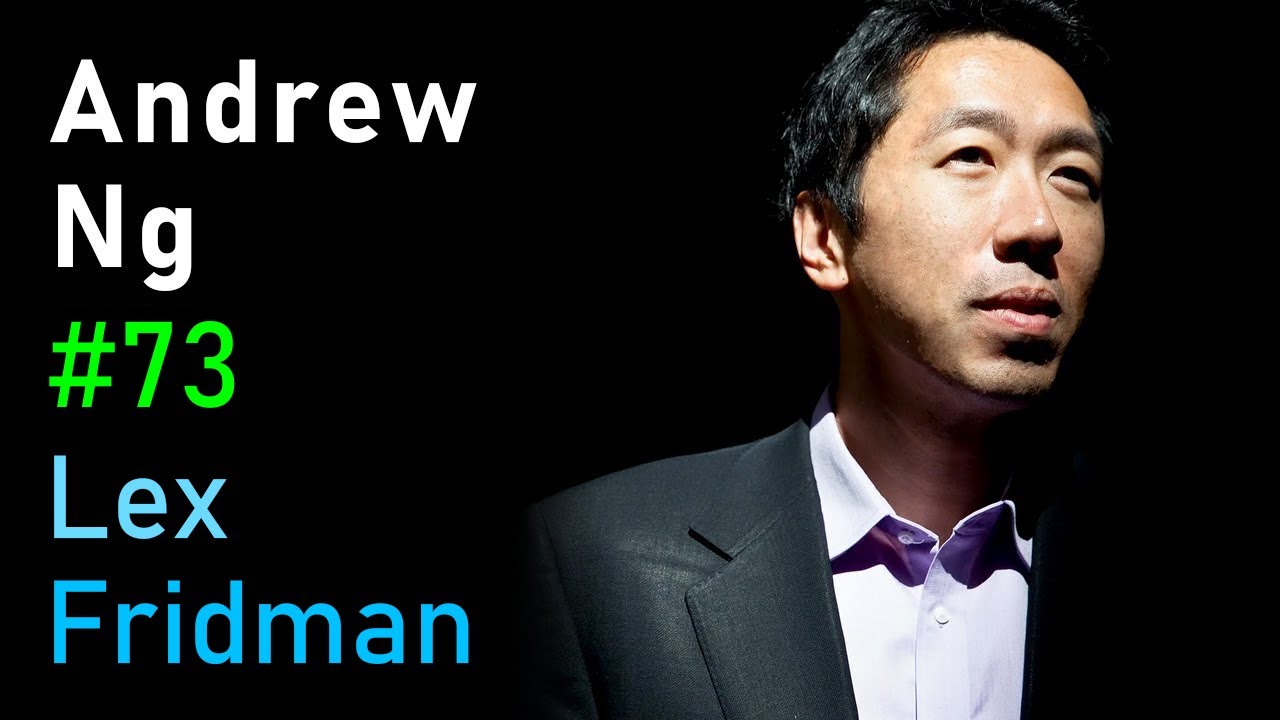 Andrew Ng: Deep Learning, Education, and Real-World AI
Shares AI ethics
1h 29m
Andrew Ng: Deep Learning, Education, and Real-World AI
Shares AI ethics
1h 29m
AI-generated summary · last refreshed 2026-06-06 22:33:15 · how we make these
Quotes are matched verbatim against the source transcript; references are checked to resolve to real URLs. Even so, AI can misread structure or attribute claims imperfectly. If you spot an error, please let us know.