Joscha Bach: Artificial Consciousness and the Nature of Reality
Core Takeaways
Joscha Bach argues that consciousness is a simulated property, not a physical one, suggesting only simulations can be conscious.
Why it matters
This challenges the conventional view that consciousness is tied to physical systems, suggesting a paradigm shift in understanding consciousness.
The industrial revolution led to unsustainable growth, risking self-destruction due to over-reliance on technology.
▶ 1:12:34
Why it matters
This historical perspective highlights the potential dangers of technological advancement without sustainability.
Bach posits that ecosystems like plants might possess a form of intelligence different from human intelligence.
▶ 1:45:22
Why it matters
This perspective challenges the anthropocentric view of intelligence, suggesting a broader definition that includes non-human systems.
Current AI models lack adequate representations for the domains they aim to represent, limiting their effectiveness.
▶ 2:03:11
Why it matters
This limitation suggests that AI development must focus on improving model representations to enhance AI capabilities.
Bach critiques traditional notions of God, proposing a computational view of existence and consciousness.
▶ 2:45:56
Why it matters
This view reframes existential questions, integrating computational theory with philosophical and theological discussions.
Ask this episode Deep
A preview of how Deep chat answers, grounded in this episode with citations and timestamps:
Cite this episode
For papers, blog posts, anywhere.
Related episodes
Where to go next from this conversation.
More from Joscha Bach
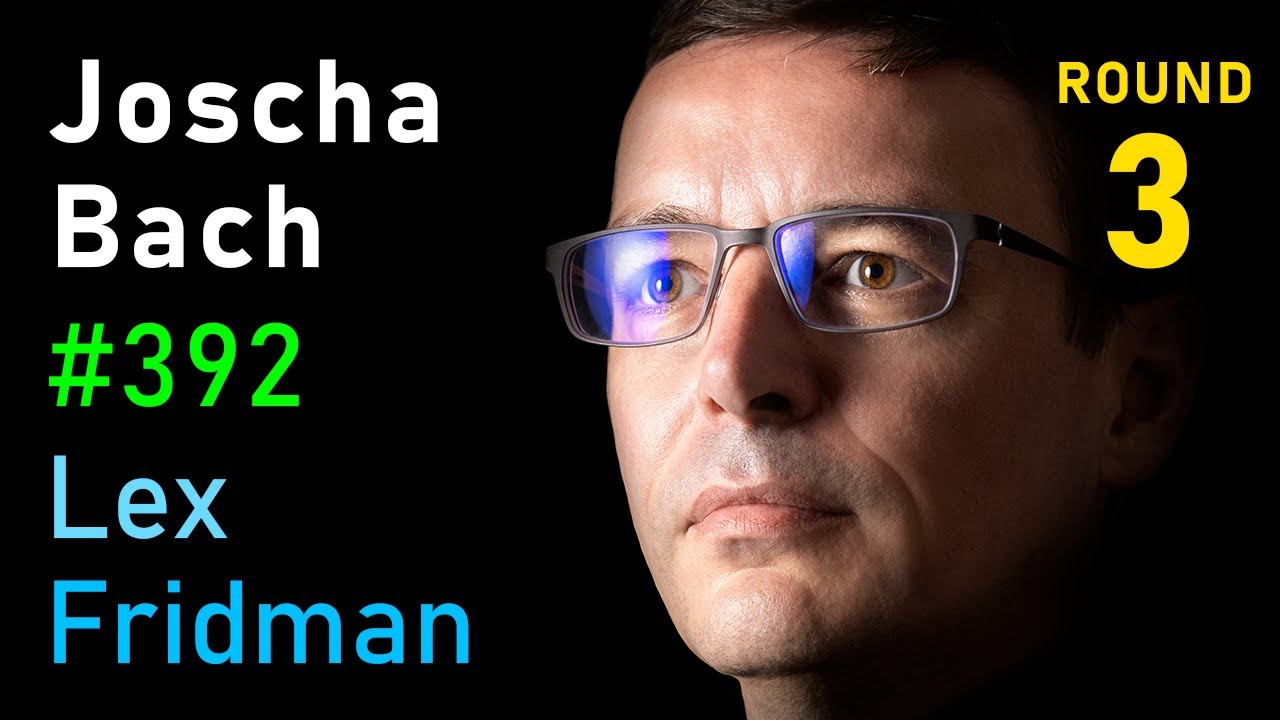 Joscha Bach: Life, Intelligence, Consciousness, AI & the Future of Humans
CORE TAKEAWAYS: - Joscha Bach argues that AI alignment requires formalizing love to…
2h 53m
Joscha Bach: Life, Intelligence, Consciousness, AI & the Future of Humans
CORE TAKEAWAYS: - Joscha Bach argues that AI alignment requires formalizing love to…
2h 53m
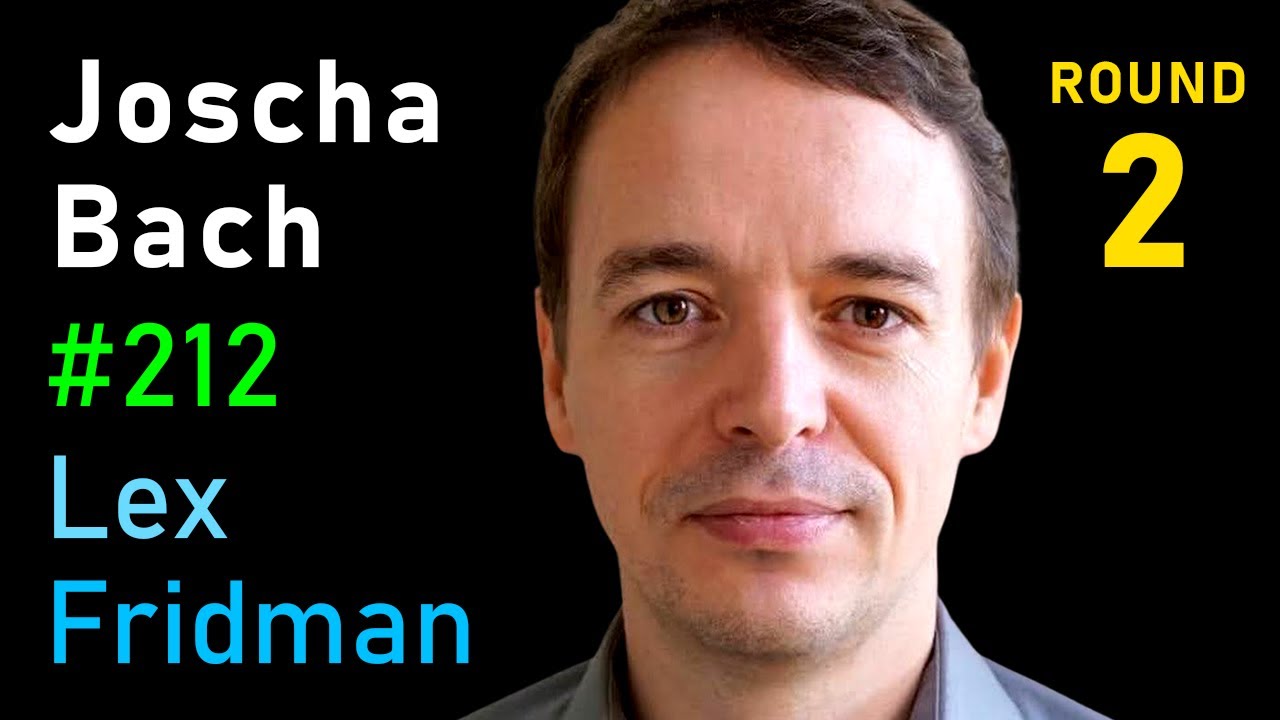 Joscha Bach: Nature of Reality, Dreams, and Consciousness
CORE TAKEAWAYS: - Joscha Bach argues that consciousness is a control model for attention,…
3h 12m
Joscha Bach: Nature of Reality, Dreams, and Consciousness
CORE TAKEAWAYS: - Joscha Bach argues that consciousness is a control model for attention,…
3h 12m
More on these ideas
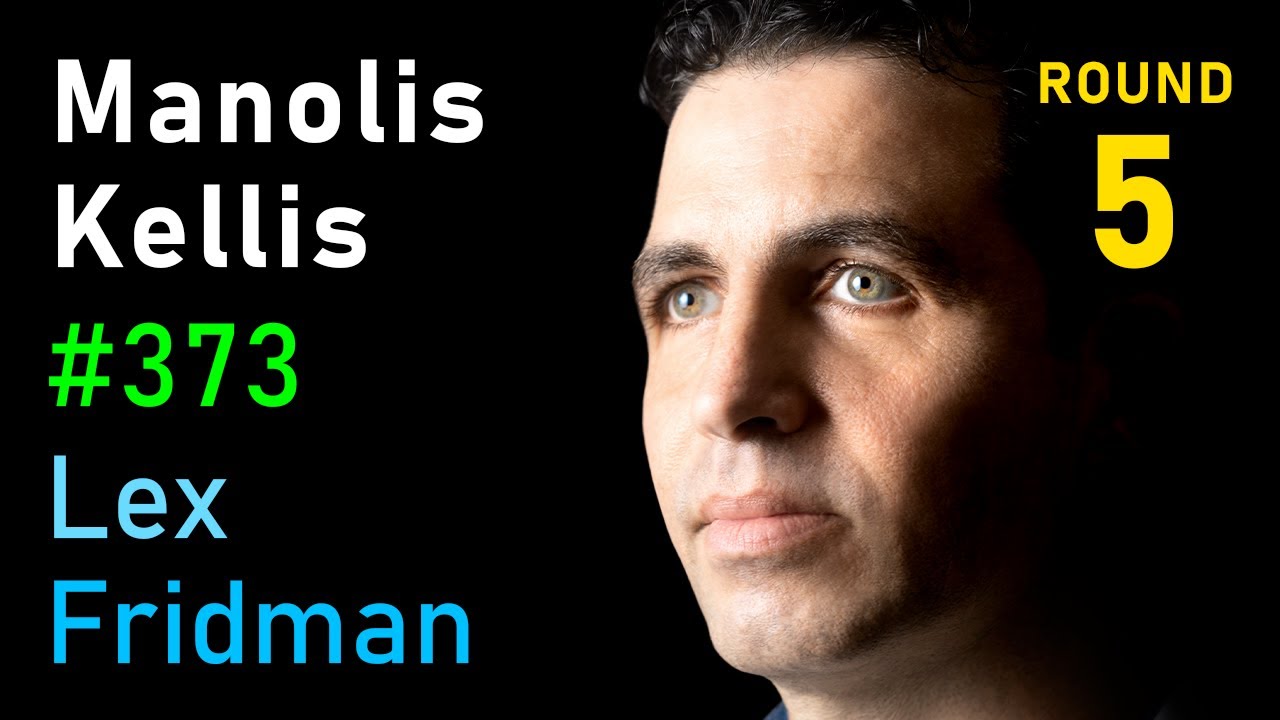 Manolis Kellis: Evolution of Human Civilization and Superintelligent AI
Shares AI limitations
2h 30m
Manolis Kellis: Evolution of Human Civilization and Superintelligent AI
Shares AI limitations
2h 30m
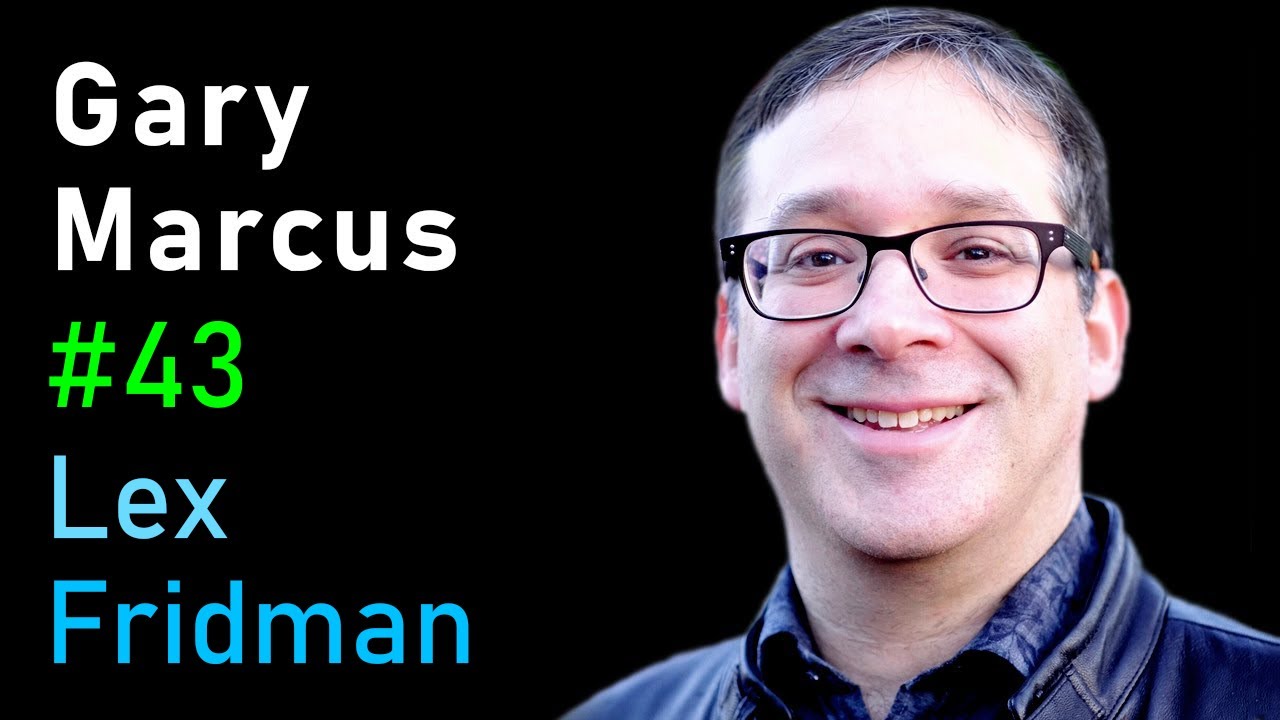 Gary Marcus: Toward a Hybrid of Deep Learning and Symbolic AI
More like this
1h 25m
Gary Marcus: Toward a Hybrid of Deep Learning and Symbolic AI
More like this
1h 25m
 Alex Garland: Ex Machina, Devs, Annihilation, and the Poetry of Science
More like this
1h 11m
Alex Garland: Ex Machina, Devs, Annihilation, and the Poetry of Science
More like this
1h 11m
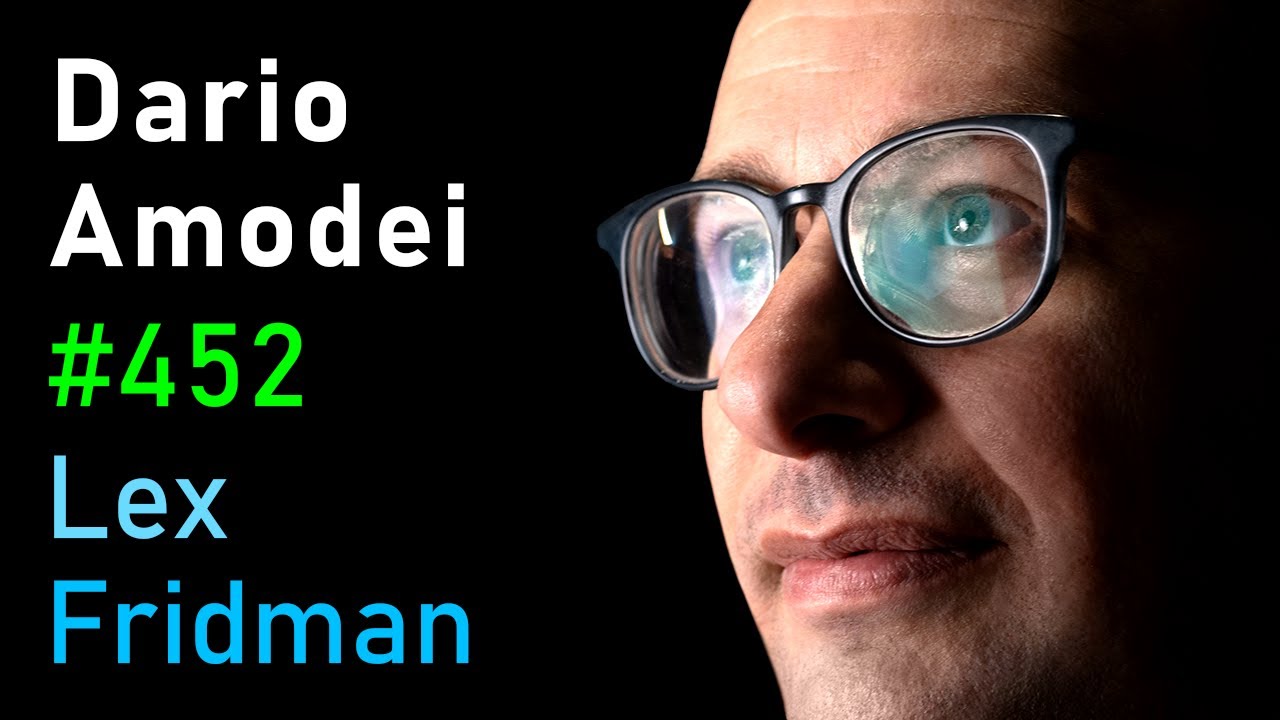 Dario Amodei: Anthropic CEO on Claude, AGI & the Future of AI & Humanity
More like this
5h 15m
Dario Amodei: Anthropic CEO on Claude, AGI & the Future of AI & Humanity
More like this
5h 15m
AI-generated summary · last refreshed 2026-06-06 22:43:44 · how we make these
Quotes are matched verbatim against the source transcript; references are checked to resolve to real URLs. Even so, AI can misread structure or attribute claims imperfectly. If you spot an error, please let us know.