Sertac Karaman: Robots That Fly and Robots That Drive
Core Takeaways
Autonomous flying for consumer drones is easier than driving, but urban deployment is complex.
▶ 1:00
Why it matters
The challenge lies in integrating flying vehicles safely into human environments, not just technical feasibility.
High-speed computing limits current autonomous systems, needing new architectures.
▶ 1:00:00
Why it matters
Current CPUs can't handle real-time data needs, slowing autonomous tech progress.
Optimus aims for efficient urban transport with smaller, more frequent vehicles.
▶ 1:30:00
Why it matters
Efficient urban transport could drastically reduce costs and improve accessibility.
Camera-based systems may eventually replace LIDAR in autonomous vehicles.
▶ 2:00:00
Why it matters
This shift could lower costs and increase the adoption of autonomous technology.
Ask this episode Deep
A preview of how Deep chat answers, grounded in this episode with citations and timestamps:
Cite this episode
For papers, blog posts, anywhere.
Related episodes
Where to go next from this conversation.
More on these ideas
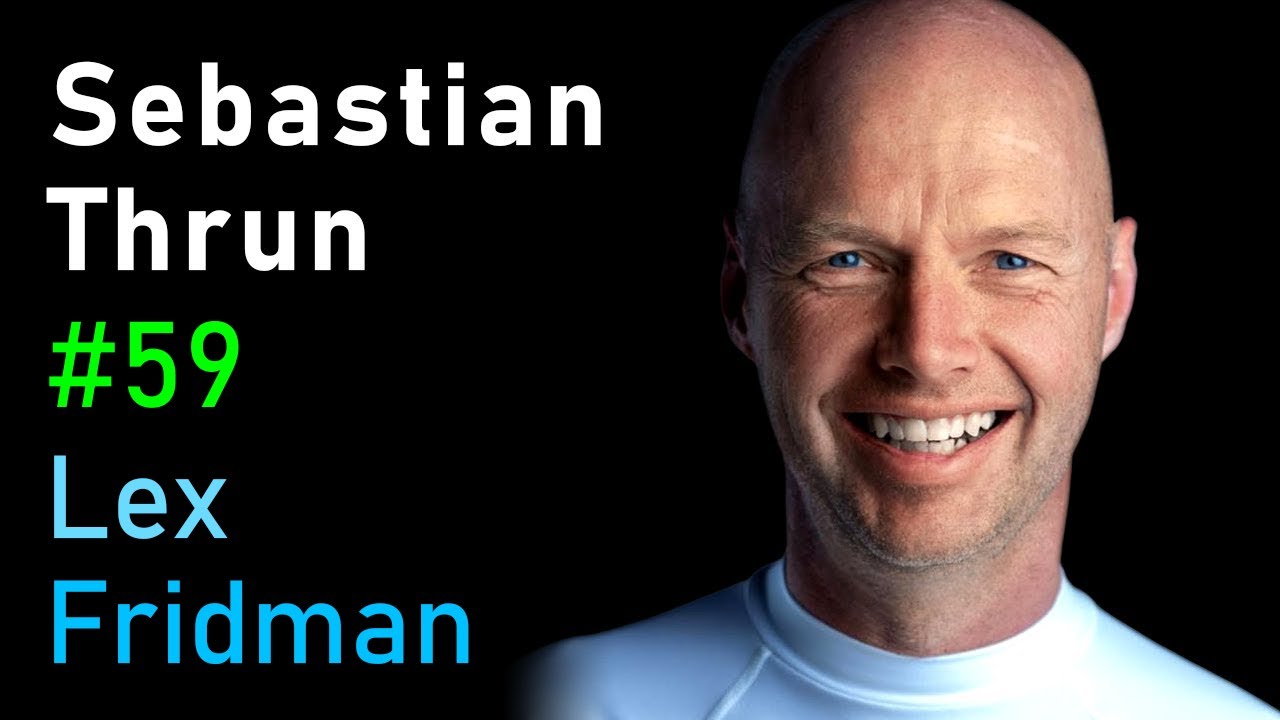 Sebastian Thrun: Flying Cars, Autonomous Vehicles, and Education
Shares autonomous vehicles, machine learning
1h 18m
Sebastian Thrun: Flying Cars, Autonomous Vehicles, and Education
Shares autonomous vehicles, machine learning
1h 18m
 Rodney Brooks: Robotics
Shares autonomous vehicles
2h 24m
Rodney Brooks: Robotics
Shares autonomous vehicles
2h 24m
 Dmitri Dolgov: Waymo and the Future of Self-Driving Cars
Shares autonomous vehicles, LIDAR
2h 23m
Dmitri Dolgov: Waymo and the Future of Self-Driving Cars
Shares autonomous vehicles, LIDAR
2h 23m
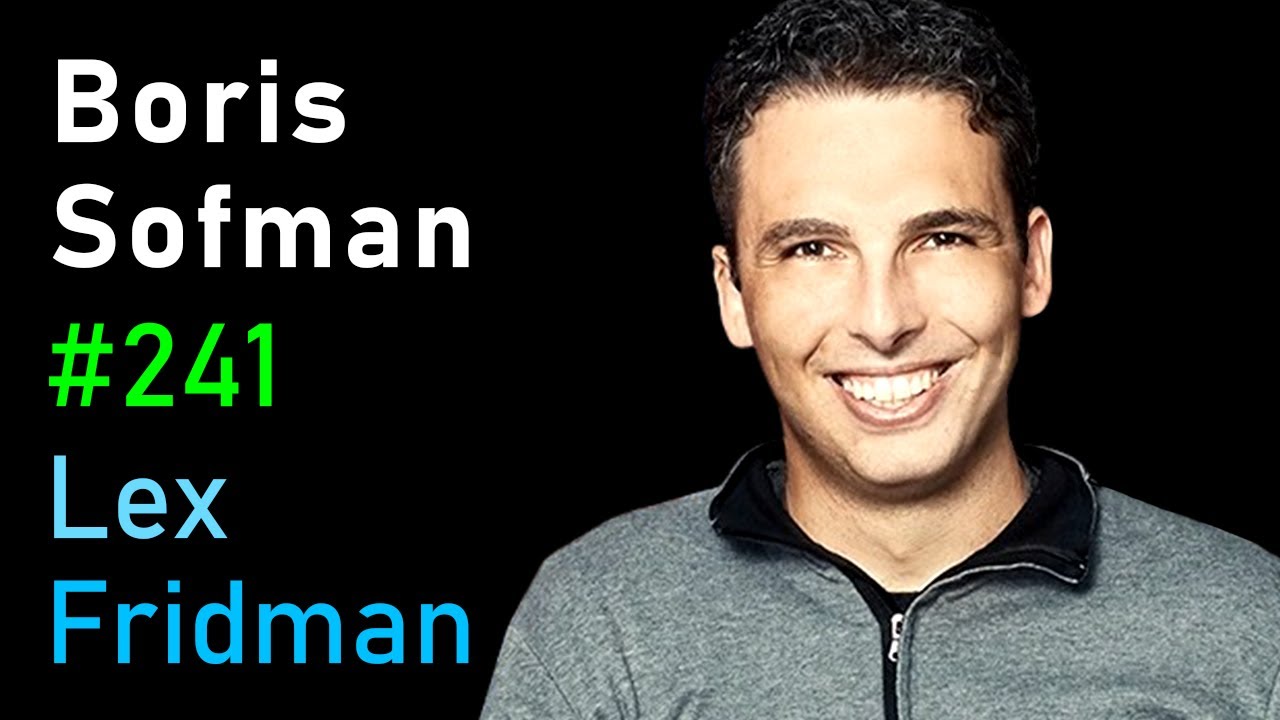 Boris Sofman: Waymo, Cozmo, Self-Driving Cars, and the Future of Robotics
Shares robotics
3h 14m
Boris Sofman: Waymo, Cozmo, Self-Driving Cars, and the Future of Robotics
Shares robotics
3h 14m
AI-generated summary · last refreshed 2026-06-06 22:45:49 · how we make these
Quotes are matched verbatim against the source transcript; references are checked to resolve to real URLs. Even so, AI can misread structure or attribute claims imperfectly. If you spot an error, please let us know.