Pieter Abbeel: Deep Reinforcement Learning
Core Takeaways
Pieter Abbeel estimates it will take 10-15 years for robots to achieve human-level tennis performance on clay courts.
Why it matters
This timeline highlights the ongoing challenges in robotics, emphasizing the gap between current capabilities and human-level performance.
Reinforcement learning enables robots to learn complex tasks like swinging a racket through trial and error, requiring extensive training.
▶ 5:00
Why it matters
Understanding these mechanisms is crucial for developing robots capable of performing complex tasks autonomously.
Deep learning integrated with traditional reasoning can improve AI's planning and understanding of real-world scenarios.
▶ 20:00
Why it matters
This integration could lead to more efficient AI systems capable of handling complex, real-world tasks.
Self-play and third-person learning can accelerate reinforcement learning in robots and autonomous vehicles.
▶ 35:00
Why it matters
These methods could significantly reduce the time and resources needed to train autonomous systems.
Transfer learning allows models trained on one task to be fine-tuned for others, a major success since AlexNet's 2012 breakthrough.
▶ 45:00
Why it matters
Transfer learning's success underlines its importance in AI development, enabling broader application across different tasks.
Ask this episode Deep
A preview of how Deep chat answers, grounded in this episode with citations and timestamps:
Cite this episode
For papers, blog posts, anywhere.
Related episodes
Where to go next from this conversation.
More on these ideas
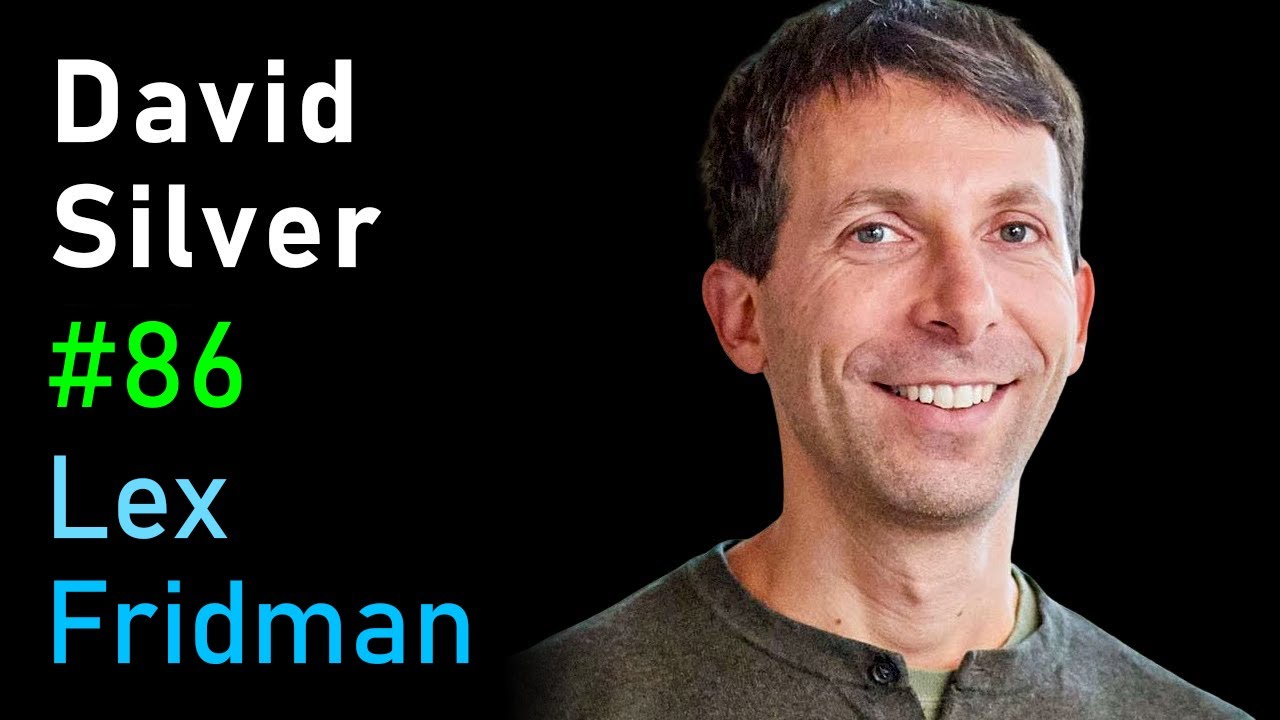 David Silver: AlphaGo, AlphaZero, and Deep Reinforcement Learning
Shares reinforcement learning, self-play
1h 48m
David Silver: AlphaGo, AlphaZero, and Deep Reinforcement Learning
Shares reinforcement learning, self-play
1h 48m
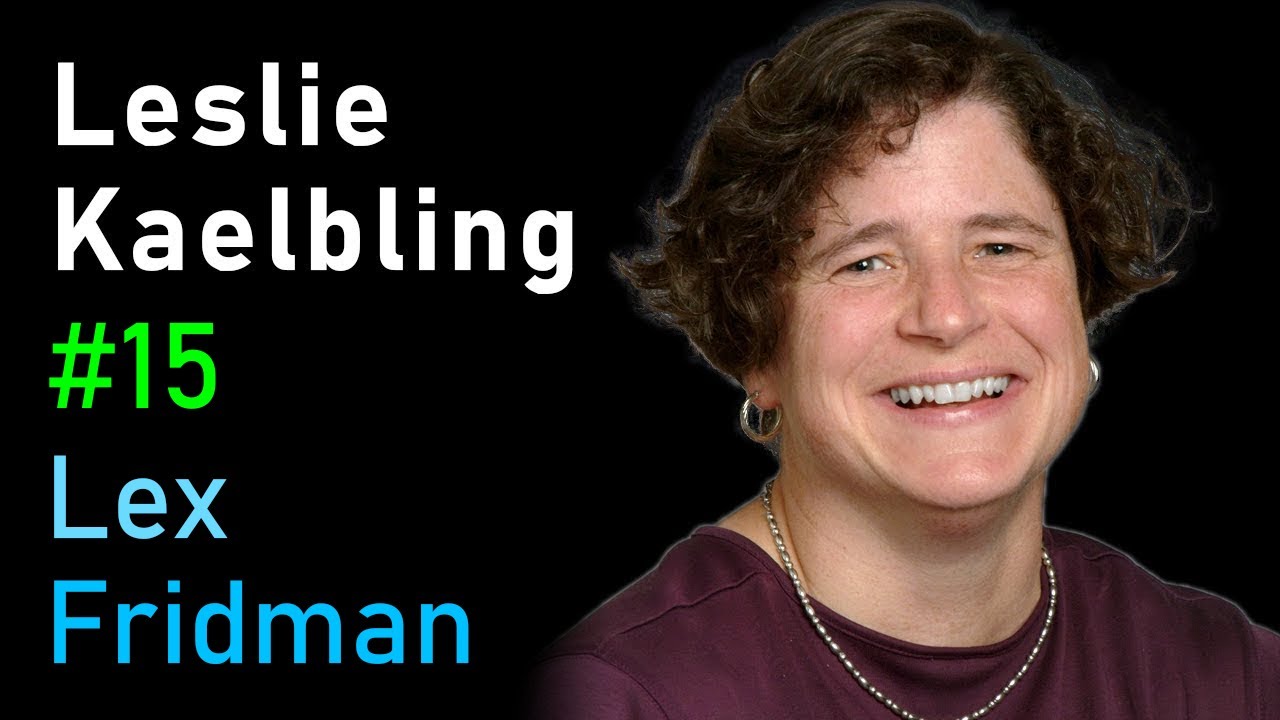 Leslie Kaelbling: Reinforcement Learning, Planning, and Robotics
Shares reinforcement learning, robotics
1h 1m
Leslie Kaelbling: Reinforcement Learning, Planning, and Robotics
Shares reinforcement learning, robotics
1h 1m
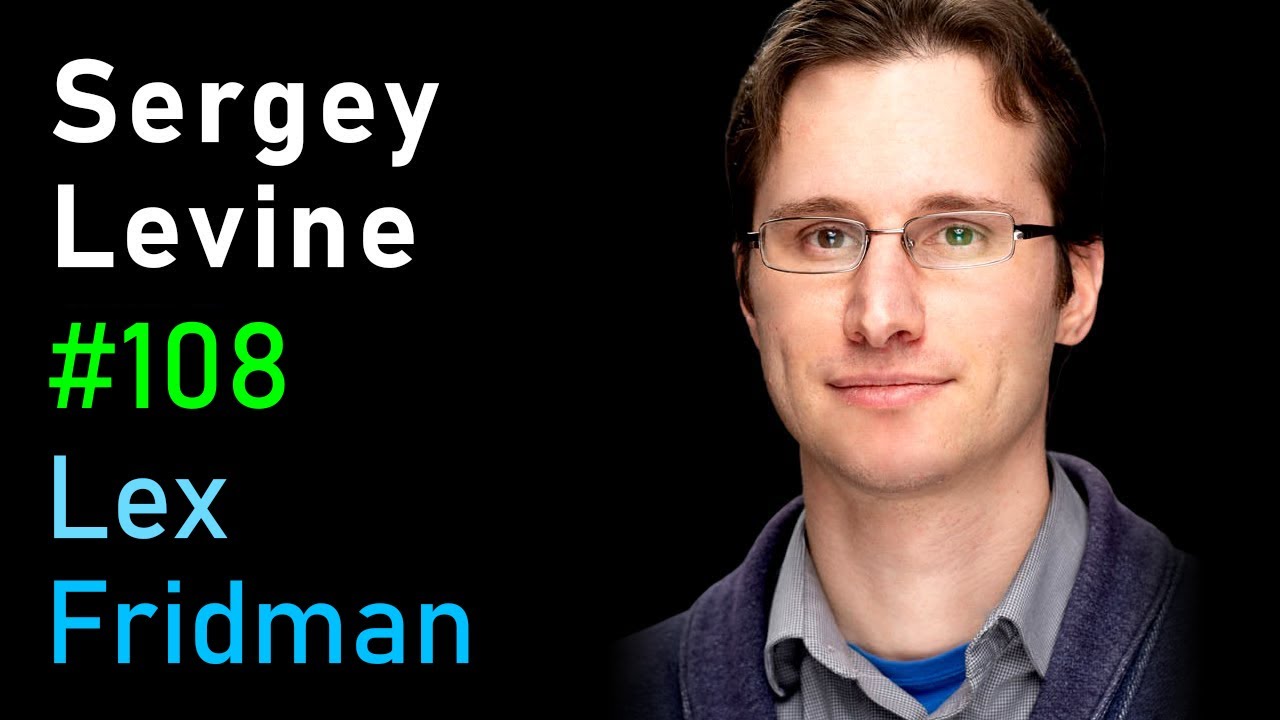 Sergey Levine: Robotics and Machine Learning
Shares reinforcement learning, robotics
1h 37m
Sergey Levine: Robotics and Machine Learning
Shares reinforcement learning, robotics
1h 37m
 Juergen Schmidhuber: Godel Machines, Meta-Learning, and LSTMs
Shares reinforcement learning
1h 19m
Juergen Schmidhuber: Godel Machines, Meta-Learning, and LSTMs
Shares reinforcement learning
1h 19m
AI-generated summary · last refreshed 2026-06-08 20:44:03 · how we make these
Quotes are matched verbatim against the source transcript; references are checked to resolve to real URLs. Even so, AI can misread structure or attribute claims imperfectly. If you spot an error, please let us know.