Annie Jacobsen: Nuclear War, CIA, KGB, Aliens, Area 51, Roswell & Secrecy
Core Takeaways
The U.S. and Russia each have over 1,600 deployed nuclear weapons, with launch capabilities that can trigger within minutes.
▶ 1:00
Why it matters
This rapid launch capability increases the risk of accidental or miscalculated nuclear war, potentially ending in global catastrophe.
Jacobsen argues the Roswell incident was a Soviet hoax designed to create hysteria in the U.S., not an alien encounter.
▶ 1:15:00
Why it matters
This challenges the widely held belief in extraterrestrial involvement, reframing Roswell as Cold War propaganda.
The CIA's disinformation campaigns have historically included UFO narratives to manipulate public perception and hide military activities.
▶ 1:30:00
Why it matters
Understanding these campaigns reveals how intelligence agencies shape narratives, impacting public trust and policy.
Nuclear winter theory posits that a nuclear exchange could lead to catastrophic climate effects, blocking sunlight and causing global famine.
▶ 1:45:00
Why it matters
The potential for nuclear winter underscores the existential threat of nuclear war, extending beyond immediate destruction to long-term global consequences.
The concept of 'Sole Presidential Authority' allows the U.S. President to unilaterally initiate a nuclear strike without external checks.
▶ 20:00
Why it matters
This concentration of power raises ethical and security concerns about decision-making in high-stakes nuclear scenarios.
Ask this episode Deep
A preview of how Deep chat answers, grounded in this episode with citations and timestamps:
Cite this episode
For papers, blog posts, anywhere.
Related episodes
Where to go next from this conversation.
More on these ideas
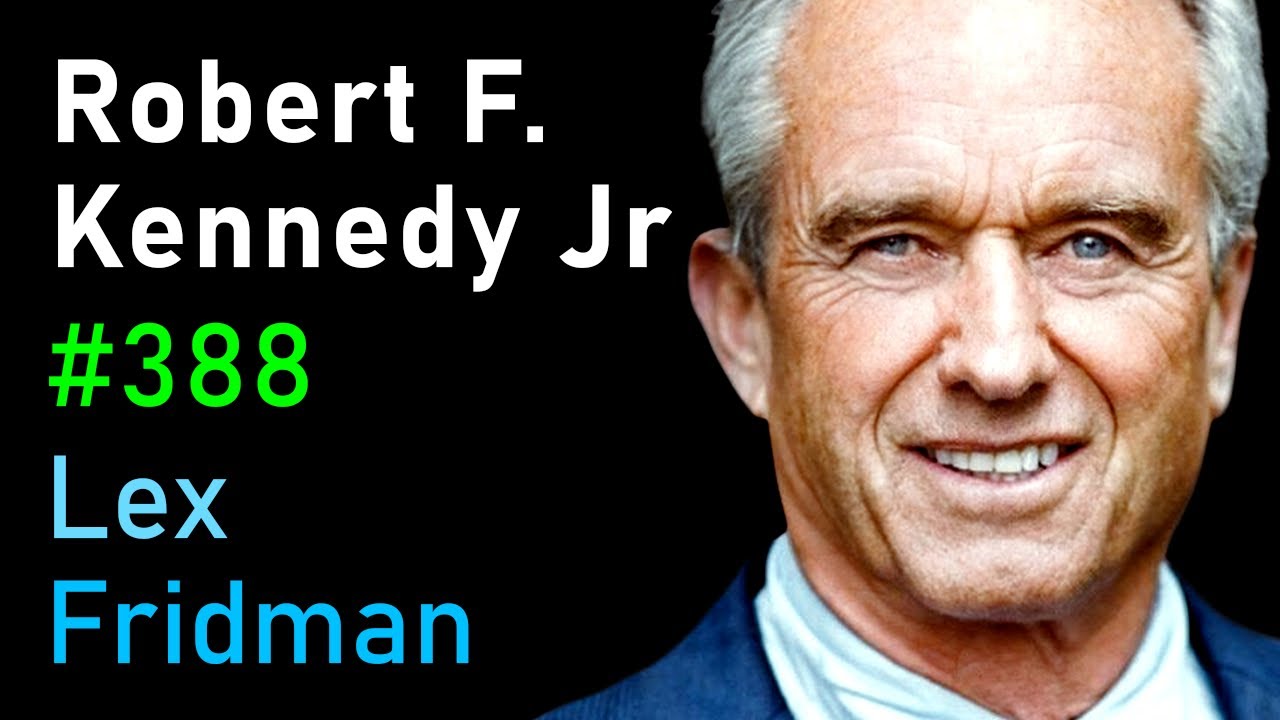 Robert F. Kennedy Jr: CIA, Power, Corruption, War, Freedom, and Meaning
More like this
2h 28m
Robert F. Kennedy Jr: CIA, Power, Corruption, War, Freedom, and Meaning
More like this
2h 28m
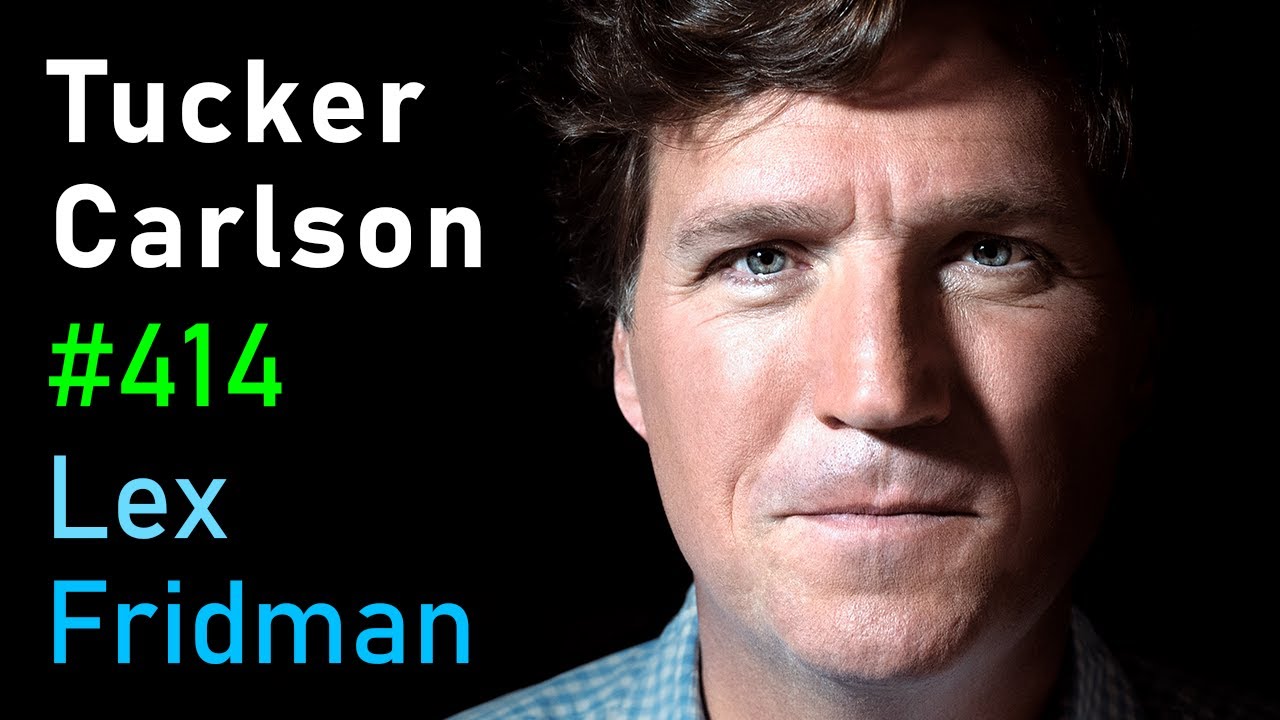 Tucker Carlson: Putin, Navalny, Trump, CIA, NSA, War, Politics & Freedom
More like this
3h 4m
Tucker Carlson: Putin, Navalny, Trump, CIA, NSA, War, Politics & Freedom
More like this
3h 4m
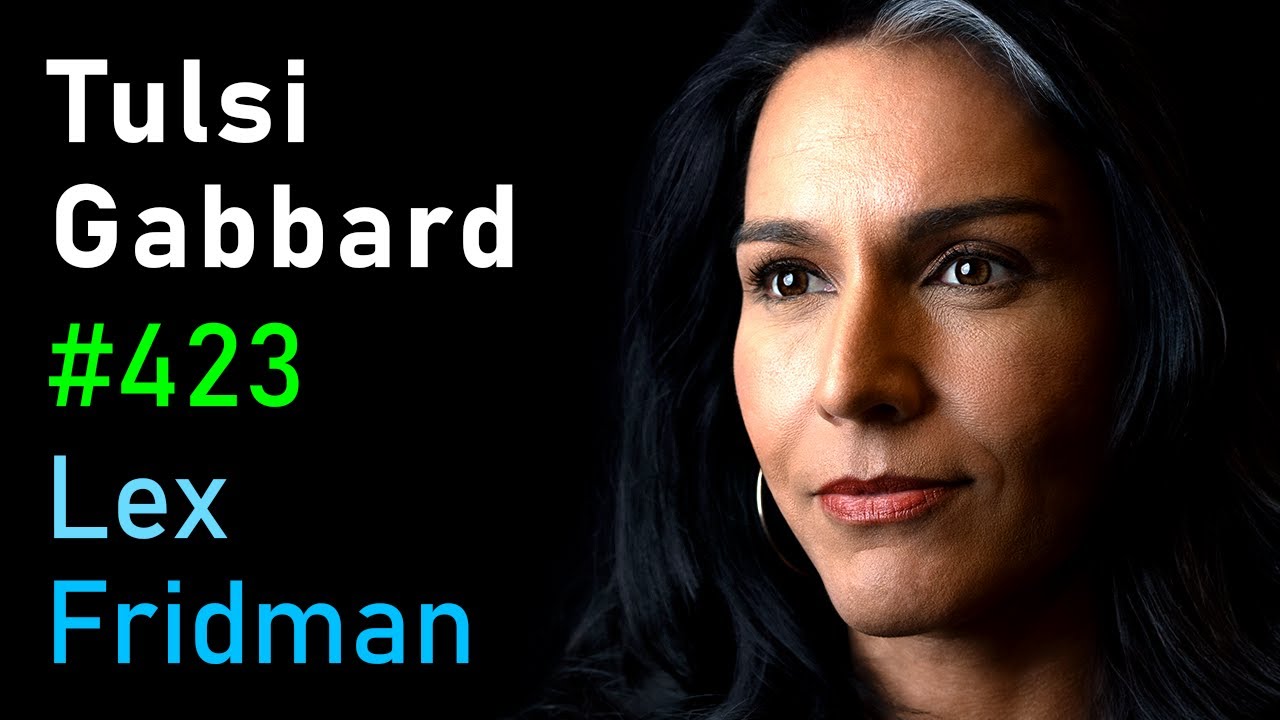 Tulsi Gabbard: War, Politics, and the Military Industrial Complex
More like this
1h 50m
Tulsi Gabbard: War, Politics, and the Military Industrial Complex
More like this
1h 50m
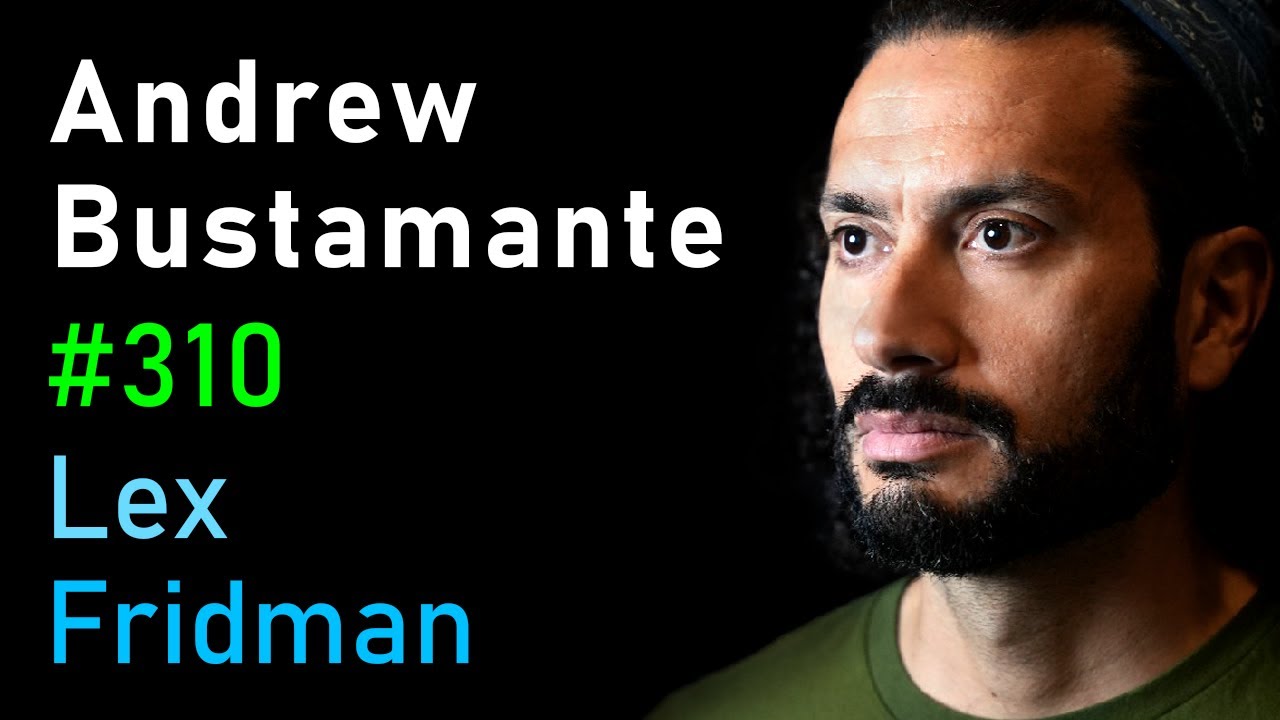 Andrew Bustamante: CIA Spy
More like this
3h 53m
Andrew Bustamante: CIA Spy
More like this
3h 53m
AI-generated summary · last refreshed 2026-05-29 04:01:59 · how we make these
Quotes are matched verbatim against the source transcript; references are checked to resolve to real URLs. Even so, AI can misread structure or attribute claims imperfectly. If you spot an error, please let us know.