Skip to content
TLexDR
LF
Lisa Feldman Barrett
Guest dossier

Lisa Feldman Barrett

psychologistneuroscientistresearcher
2 appearances ·11 ideas explored ·Wikipedia ·✓ verified

Lisa Feldman Barrett is a Canadian-American psychologist. She is a Distinguished Professor of psychology at Northeastern University, where she focuses on affective science and co-directs the Interdisciplinary Affective Science Laboratory. She has received the William James Fellow Award from the Association for Psychological Science for 2025, and the Award for Distinguished Scientific Contributions from the American Psychological Association for 2021, as well as a Guggenheim Fellowship. Along with James Russell, she is the founding editor-in-chief of the journal Emotion Review. Along with James Gross, she founded the Society for Affective Science.

Across 2 conversations, Lisa Feldman Barrett ranges across emotion, social connection, neuroscience. The human brain's size is typical for a primate, challenging the notion of its exceptionalism. Emotions are constructed from past experiences rather than being innate reflexes.

Synthesized by TLexDR from 2 conversations. AI-generated. Report an inaccuracy
For the specialist
preview
Barrett argues that the human brain's size does not confer unique intelligence, challenging anthropocentric views in evolutionary biology.
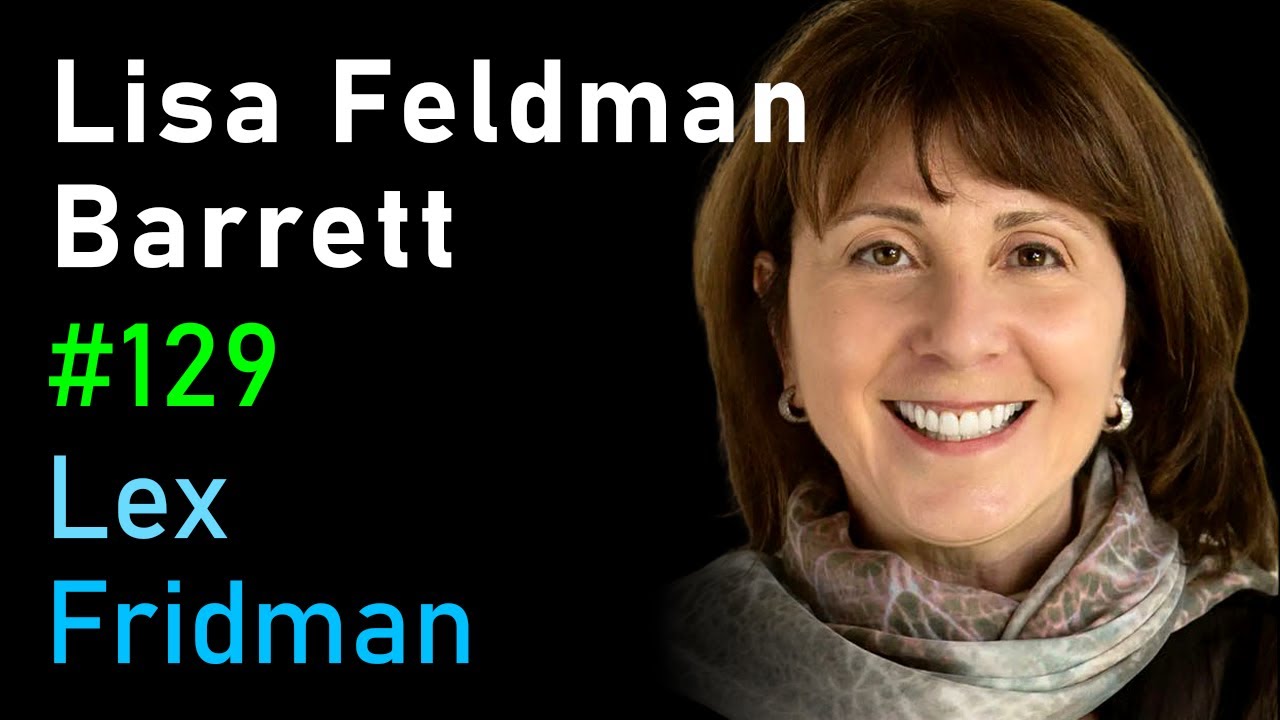
#129Lisa Feldman Barrett: Counterintuitive Ideas About How the Brain Works
The executive control network in the brain continuously constructs responses, implying emotions are not pre-programmed but dynamically generated.
#129Lisa Feldman Barrett: Counterintuitive Ideas About How the Brain Works
Barrett dismisses the triune brain model as a myth, urging a reevaluation of popular neuroscience narratives.
#129Lisa Feldman Barrett: Counterintuitive Ideas About How the Brain Works
Neurons' analog communication and noise suggest a role for randomness in cognitive processes, potentially influencing theories of free will.
#129Lisa Feldman Barrett: Counterintuitive Ideas About How the Brain Works
Barrett's notion of 'body budgeting' likens the brain's management of energy and resources to financial budgeting, highlighting a unique perspective on brain function.
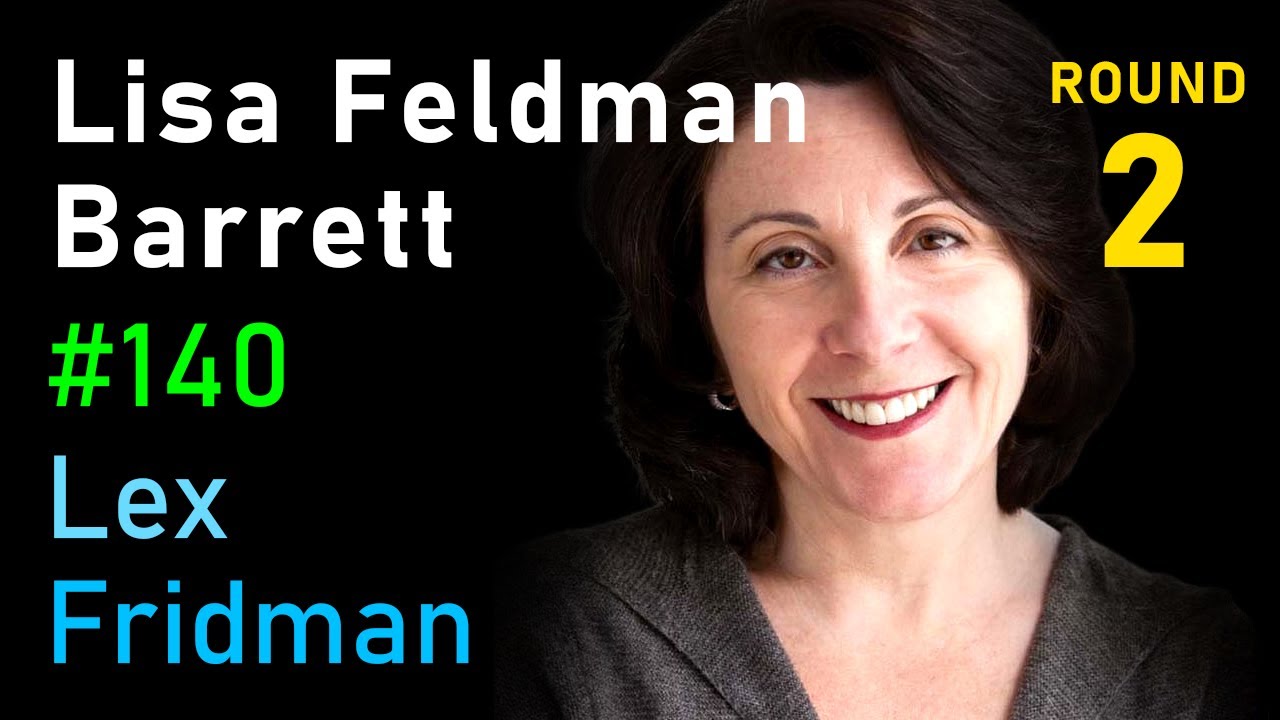
#140Lisa Feldman Barrett: Love, Evolution, and the Human Brain
The concept of 'tight cultures' having better survival rates during pandemics suggests a link between cultural rigidity and public health outcomes.
#140Lisa Feldman Barrett: Love, Evolution, and the Human Brain
Barrett's view that the cerebral cortex's complexity, not size, distinguishes human brains challenges common assumptions about brain evolution.
#140Lisa Feldman Barrett: Love, Evolution, and the Human Brain
5 more specialist takeaways
The expert layer unlocks with Read
Unlock with Read
The appearances

Every conversation, in order

Reading list

What they pointed you toward

books

How Emotions Are Made
by Lisa Feldman Barrett
Seven and a Half Lessons About the Brain
by Lisa Feldman Barrett
The Dragons of Eden
by Carl Sagan
The Social Animal
by Elliot Aronson
The Triple Helix
by Richard Lewontin
Biology as Ideology
by Richard Lewontin
Naming the Mind
by Kurt Danziger
The Beak of the Finch
by Jonathan Weiner
At Large and At Small
by Anne Fadiman
Every idea, by region

The full territory

Adjacent minds

Others exploring the same ideas